




What Is UV DTF Printing and Why Does It Work on Almost Anything
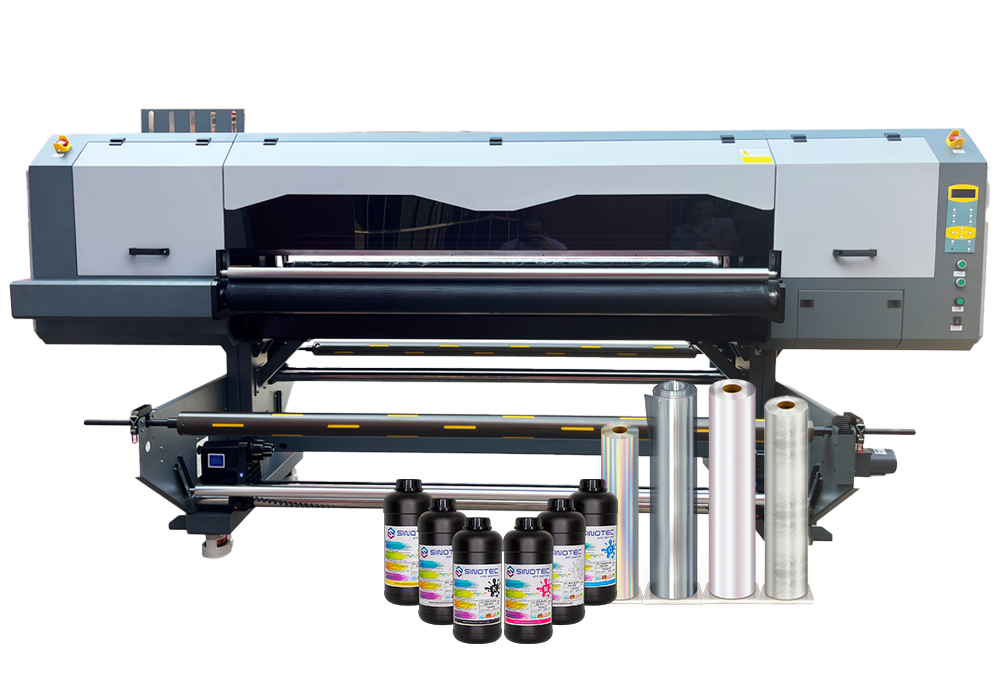
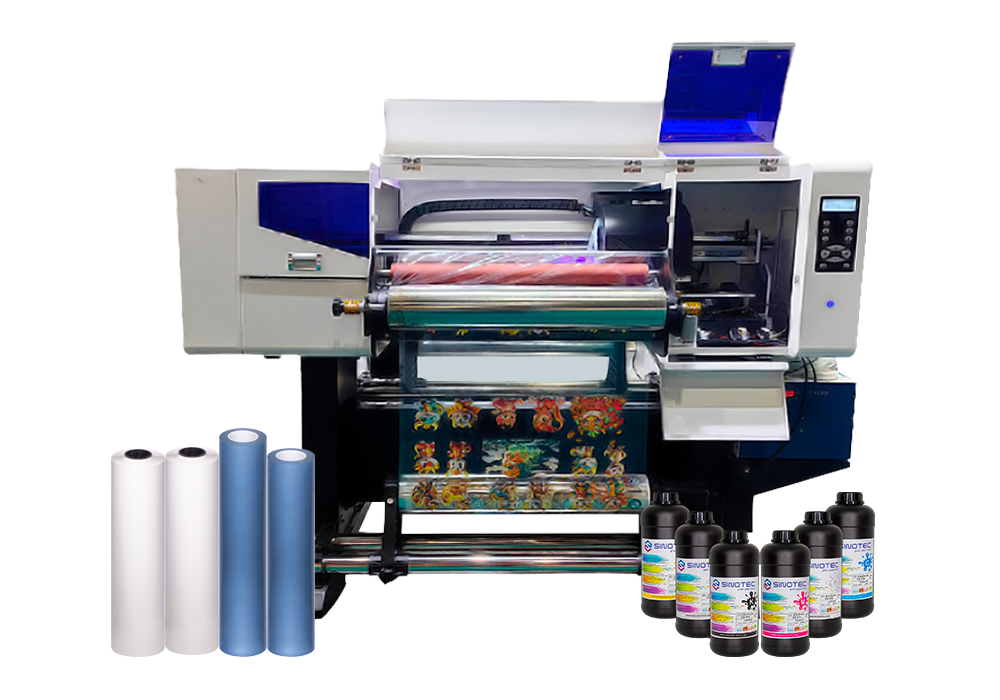
UV DTF printing — short for ultraviolet direct-to-film printing — works by printing a design onto a specialized film using UV-curable inks, then transferring that design onto a surface using pressure and heat. The UV light cures the ink almost instantly during printing, which produces a raised, glossy finish that sits on top of the surface rather than soaking into it. That distinction matters more than it might seem.
Because the ink doesn’t need to absorb into a material to bond, the list of compatible surfaces gets surprisingly long. Glass, metal, ceramic, acrylic, leather, wood, phone cases, tumblers, resin — if a surface is reasonably smooth and clean, UV DTF can stick to it. Traditional heat-transfer vinyl or sublimation printing tends to play favorites: sublimation needs polyester or polymer-coated substrates, and HTV works best on fabric. UV DTF sidesteps most of those rules.
The transfer process itself is straightforward. A printed film is pressed onto the target object, the backing peels away, and the design stays behind — cured, durable, and waterproof. No specialized equipment required on the application side, which is part of why this method has become popular for small custom orders and personalized products that would otherwise require expensive setup costs.
From a quality standpoint, the results are sharp. UV DTF handles fine detail, gradients, and full-color artwork without the color limitations you’d hit with screen printing or the fabric-only restrictions of sublimation. The raised texture also adds a tactile element that flat printing methods can’t replicate — something that tends to read as premium to end users.
- Compatible with non-porous and mixed-material surfaces
- No fabric requirement — works on rigid and semi-rigid objects
- Produces waterproof, UV-resistant results in most applications
- No heat press required at the application stage
- Supports full-color custom printing with fine detail retention
Suppliers like SINOTEC, which works with international buyers on digital and electronic product customization, have incorporated UV DTF into their output options precisely because of this flexibility — it covers product categories that other custom printing methods simply can’t reach.
The Best Items to Personalize With UV DTF Printing (And What Actually Holds Up)
Not every surface takes UV DTF transfers equally well — and that gap between “technically possible” and “actually holds up” matters more than most buyers expect. The method excels on hard, non-porous materials, and that’s where the real sweet spot for personalized products lives.
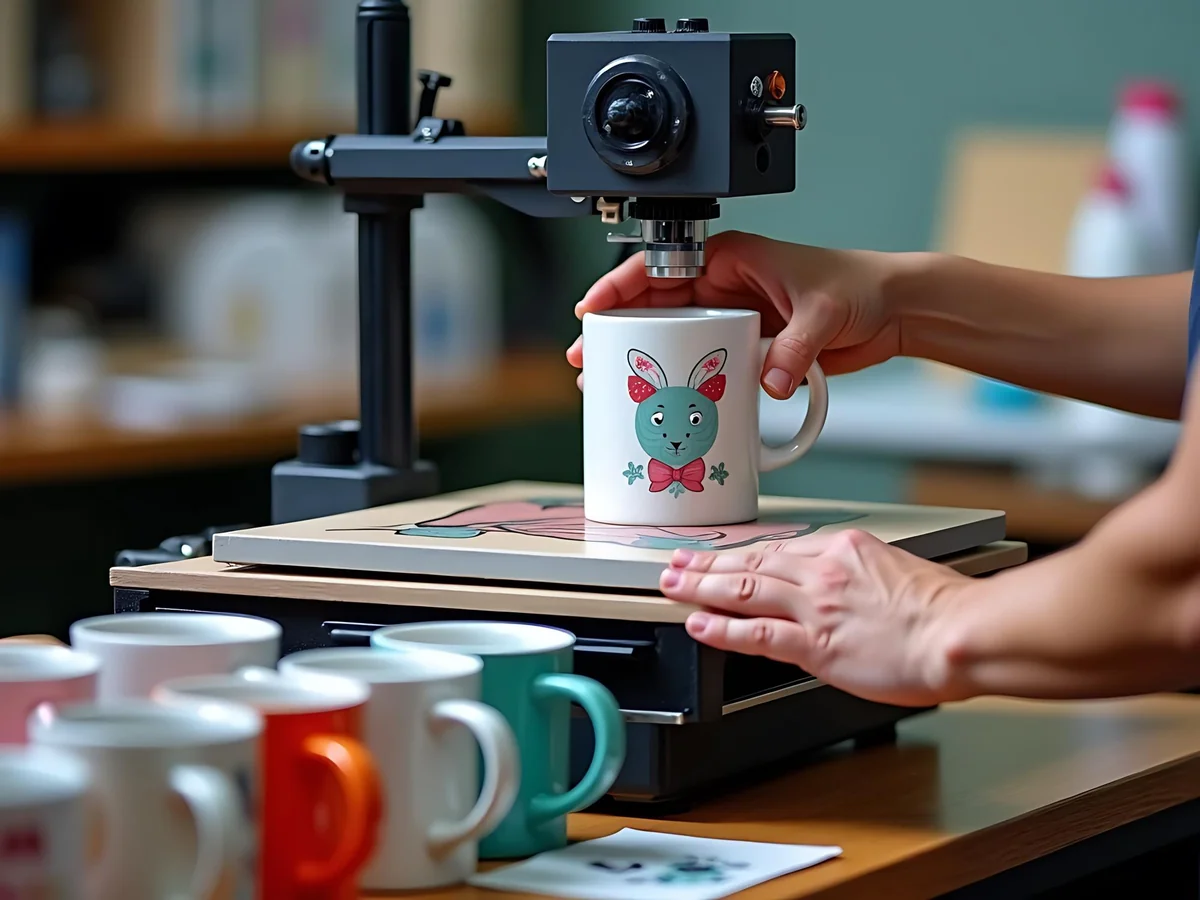
Tumblers and water bottles are probably the most popular starting point. The transfer adheres cleanly to stainless steel, coated aluminum, and powder-coated finishes, and the result stays sharp through regular washing — provided the surface was clean and dry at application. Phone cases are another strong performer, particularly hard polycarbonate shells where the ink bonds without bubbling or edge lift.
| Item Type | Surface Compatibility | Durability Notes |
|---|---|---|
| Stainless steel tumblers | Excellent | Hand-wash recommended; holds well long-term |
| Hard phone cases | Excellent | Resists peeling on polycarbonate; avoid silicone |
| Ceramic mugs | Good | Decorative use holds fine; dishwasher degrades faster |
| Acrylic keychains | Excellent | Very durable; ideal for high-detail custom printing |
| Wooden items (sealed) | Moderate | Needs smooth sealed surface; raw wood causes bleeding |
| Flexible silicone | Poor | Transfer lifts with repeated flex — avoid for wearables |
Acrylic is quietly one of the best materials in this category. Keychains, coasters, and small decorative panels all take UV DTF transfers with near-zero edge issues, and the color payoff on clear or white acrylic is genuinely impressive for personalized products at a small scale.
Ceramic works — with caveats. A mug used as a desk piece or display item will hold the transfer indefinitely. Run it through a dishwasher daily, and the edges start to lift within weeks. That’s not a flaw in the printing process so much as a physics problem — the adhesive layer wasn’t designed for sustained heat and detergent cycles.
Where buyers tend to go wrong is pushing the method onto soft or highly flexible surfaces. Silicone phone grips, fabric patches, and flexible rubber items all cause premature lift because the substrate moves in ways the cured transfer layer can’t follow. Sticking to rigid or semi-rigid materials — which is exactly the range that digital product specialists like SINOTEC work within for custom printing projects — keeps results consistent and avoids the common complaints about UV DTF not lasting.
How to Get the Most Out of UV DTF Customization at Home or for Gifts
Getting genuinely good results from UV DTF custom printing comes down to a few decisions made before the transfer ever touches a surface — and most of them are simpler than people expect.
Surface prep is the step that gets skipped most often. Any oil, dust, or residue on the target object creates a weak bond at the adhesive layer. A quick wipe with isopropyl alcohol and a lint-free cloth, then a minute of air-drying, makes a measurable difference in how cleanly the transfer seats and how long it holds. This applies whether the piece is a ceramic mug, a wood photo frame, or a metal tumbler destined as a personalized gift.
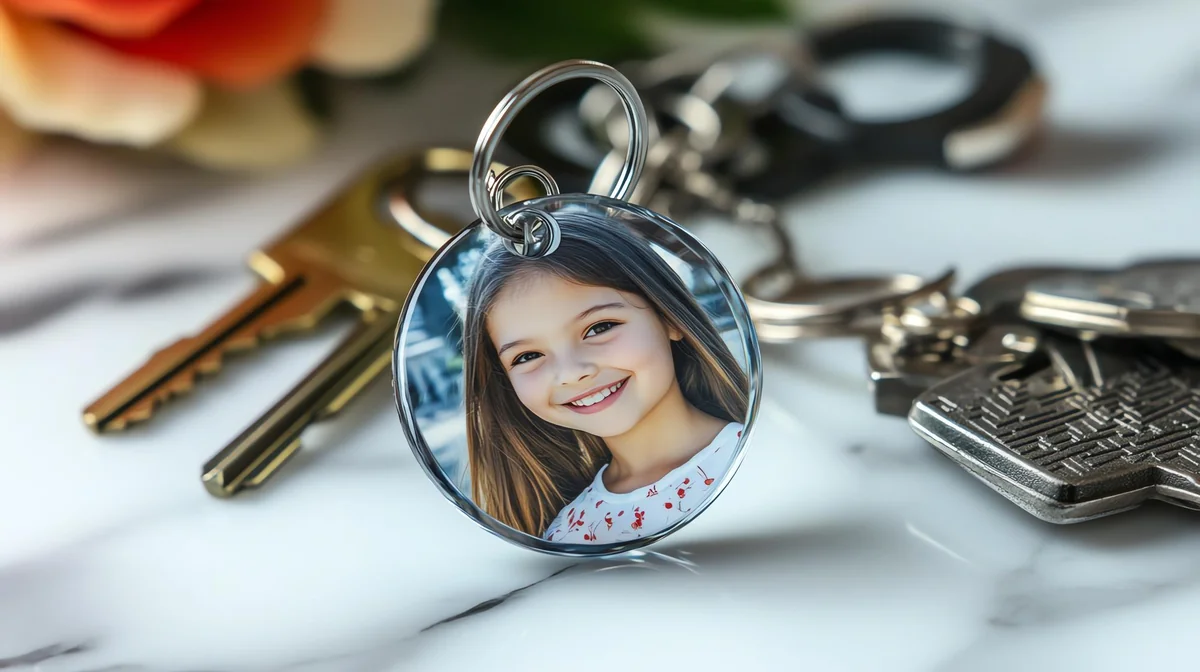
For gift applications specifically, the choice of base object matters more than the design itself. Rigid, smooth-surfaced items — think glass ornaments, acrylic keychains, lacquered wood plaques — are where UV DTF personalized products genuinely shine. They hold color fidelity well and don’t flex in ways that stress the cured layer. Textured ceramics or matte-finish metal can work, but expect slightly softer edge definition depending on how pronounced the texture is.
A few practical tips worth keeping in mind:
- Apply firm, even pressure across the entire transfer — not just the center. Lifting the backing film too quickly at the edges is the most common cause of partial adhesion.
- Let the transfer cure at room temperature for at least an hour before handling or packaging. Rushing this stage is how corners start to peel.
- For items that will be handled frequently — keychains, phone cases with rigid backs, small desk accessories — a light topcoat sealant extends the lifespan noticeably.
- Keep finished pieces out of prolonged direct sunlight if color longevity matters. UV DTF inks are durable, but extended UV exposure will fade any printed surface over time.
The other thing worth understanding is file quality. Custom printing at this level reproduces exactly what it receives — a low-resolution logo or blurry photo will transfer with every imperfection intact. Sourcing or creating artwork at 300 DPI or higher before ordering keeps the final result looking intentional rather than approximate. Suppliers like SINOTEC that handle custom printing projects routinely will often flag file quality issues before production, but it’s a step worth controlling from the buyer’s end first.
UV DTF Printing vs. Other Methods: Which One Makes Sense for Your Project
Choosing a printing method often comes down to what the surface is, how many pieces are needed, and how much detail the design actually requires. UV DTF sits in a specific sweet spot — but it’s not automatically the right call for every custom printing project, and understanding where it wins (and where it doesn’t) makes the decision a lot cleaner.
| Method | Best Surface Types | Detail Level | Durability | Typical Use Case |
|---|---|---|---|---|
| UV DTF | Hard, non-porous surfaces (glass, metal, acrylic, plastic) | Very high — photographic quality possible | Strong; scratch-resistant with topcoat | Personalized products, small runs, rigid items |
| Heat Transfer Vinyl (HTV) | Fabric, garments | Moderate; limited gradients | Good on fabric with proper care | T-shirts, tote bags, apparel |
| Screen Printing | Fabric, paper, some plastics | Moderate; color count restricted | Excellent on fabric | High-volume, limited-color runs |
| Sublimation | Polyester fabric, coated hard goods | High — full color | Very good; embedded into surface | Mugs, polyester apparel, coated panels |
| Pad Printing | Curved or irregular hard surfaces | Low to moderate | Moderate; prone to wear | Promotional items, small logos |
The pattern that emerges is fairly consistent. UV DTF excels when the surface is rigid and non-porous, the design is complex or photo-realistic, and the order quantity is small to mid-sized — exactly the conditions that define most personalized products ordered by individual buyers. Sublimation competes closely on coated hard goods, but requires a polyester coating to bond properly, which rules out raw glass, uncoated metal, or most acrylic items entirely.
Screen printing remains the most cost-efficient method at high volumes with simple designs — but ask it to reproduce a gradient or a detailed illustration across a short run, and the economics fall apart quickly. UV DTF carries no such restriction on color complexity, and minimum quantities tend to be far more accessible for one-off or small-batch custom printing needs.
Where UV DTF genuinely loses ground is on soft goods. Fabric and textiles need flexibility, and a UV-cured transfer on a garment will crack under repeated washing and movement. That’s not a flaw in the technology — it’s simply the wrong tool for the material. For anyone personalizing a mix of hard and soft items, the practical answer is often a combination approach: UV DTF for the rigid pieces, sublimation or HTV for the wearables.
Conclusion
UV DTF isn’t trying to replace every other method — and that’s what makes it worth paying attention to. It does a specific job exceptionally well: full-color, durable transfers onto rigid surfaces, with no minimums forcing you into bulk orders you don’t need.
The real-world takeaway is simple. If you’re personalizing hard goods — tumblers, phone cases, acrylic panels, coated ceramics — UV DTF, custom printing, and personalized products are a genuinely strong combination right now. Just don’t reach for it when fabric is involved.
Match the method to the material, and you’ll waste a lot less time second-guessing your results.
Frequently Asked Questions
Q: What surfaces work best with UV DTF transfers?
A: UV DTF transfers bond best to smooth, rigid surfaces — think tumblers, phone cases, coated ceramics, acrylic panels, and powder-coated metal. The key word is smooth: textured or porous surfaces disrupt adhesion and the print tends to peel at the edges far sooner than you’d want. If the surface has any flex to it (like a silicone case or thin rubber), expect the transfer to crack over time.
Q: How long do UV DTF prints actually last?
A: On a properly prepped rigid surface, UV DTF prints typically hold up well for everyday handling — scratch resistance is genuinely one of the format’s stronger selling points. That said, longevity depends heavily on surface prep and whether the item gets prolonged UV exposure or harsh chemical contact (dishwashers, for instance, are notorious for shortening the life of any applied transfer). Treat the finished piece with reasonable care and you’ll get durable results.
Q: Can I use UV DTF, custom printing, and personalized products for fabric or clothing?
A: UV DTF is not a fabric method — full stop. The ink chemistry is designed for hard, non-porous materials, so applying it to a t-shirt or tote bag will result in a stiff, cracking finish that won’t survive a wash cycle. For wearables, heat transfer vinyl or direct-to-garment printing are far better fits; UV DTF, custom printing, and personalized products work as a combination specifically when hard goods are involved.
Q: How much does UV DTF custom printing typically cost compared to other methods?
A: Per-unit cost for UV DTF transfers tends to sit higher than basic HTV or single-color screen printing, but the trade-off is full-color output with no minimum order requirement — which makes it genuinely cost-effective for small personalized runs. Bulk pricing usually improves significantly once you’re ordering larger sheet quantities, so the math shifts depending on whether you’re personalizing one item or fifty.
Q: What’s the difference between UV DTF and regular DTF printing?
A: Regular DTF (direct-to-film) is designed for fabric — the transfer is heat-pressed onto textiles and flexes with the material. UV DTF uses UV-cured inks printed onto a specialized film, then cold-applied to rigid surfaces with no heat press required. The processes share a name but serve almost entirely different use cases, which is a point of confusion that trips up a lot of first-time buyers.
Q: Is UV DTF, custom printing for personalized products worth it for small batch orders?
A: For small runs — even single items — UV DTF, custom printing, and personalized products make a strong case. There’s no screen setup cost, no minimum quantity pressure, and you get the same full-color result whether you order one transfer or a hundred. Suppliers like SINOTEC who handle custom specifications and export-oriented fulfillment often accommodate smaller custom orders precisely because the UV DTF process doesn’t carry the setup overhead that traditional print methods do.
Q: Why does my UV DTF transfer keep lifting at the edges?
A: Edge lifting almost always comes down to surface prep — oils, dust, or any residue on the substrate will prevent the adhesive from bonding properly. Wiping the surface with isopropyl alcohol before application is the standard fix, and applying firm, even pressure across the entire transfer (not just the center) makes a measurable difference. Curved surfaces like tumblers require extra attention at the wrap points where the film has to conform to the contour.
Q: How do I choose between UV DTF and sublimation for personalized products?
A: The decision usually comes down to the substrate — sublimation requires a polyester coating or polyester-based material to work, while UV DTF is more flexible across different rigid surface types. Sublimation produces a print that’s embedded into the material (so it can’t peel), whereas UV DTF sits on top as a cured layer. For UV DTF, custom printing, and personalized products on items that aren’t sublimation-compatible, UV DTF is often the more practical route.