News

SINOTEC focuses on advanced advertising and

digital manufacturing equipment, collaborating with companies across various industries.

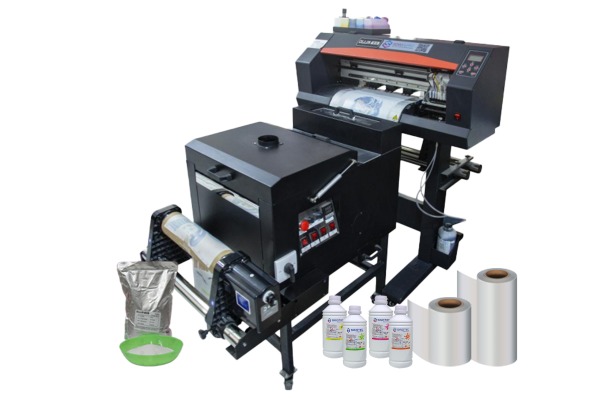
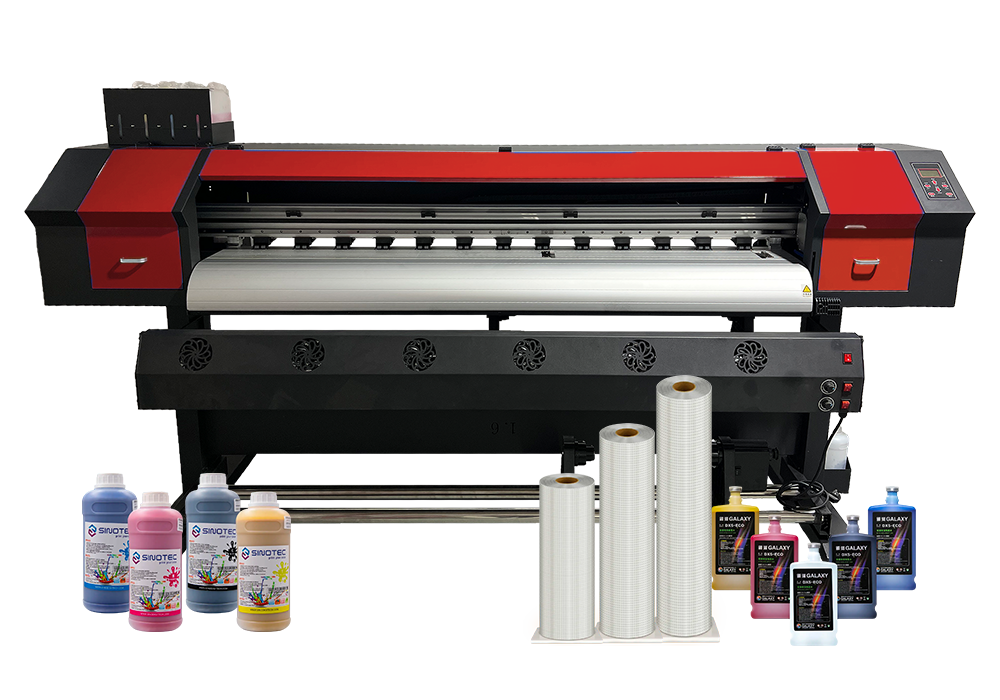
DTF Printing Machine

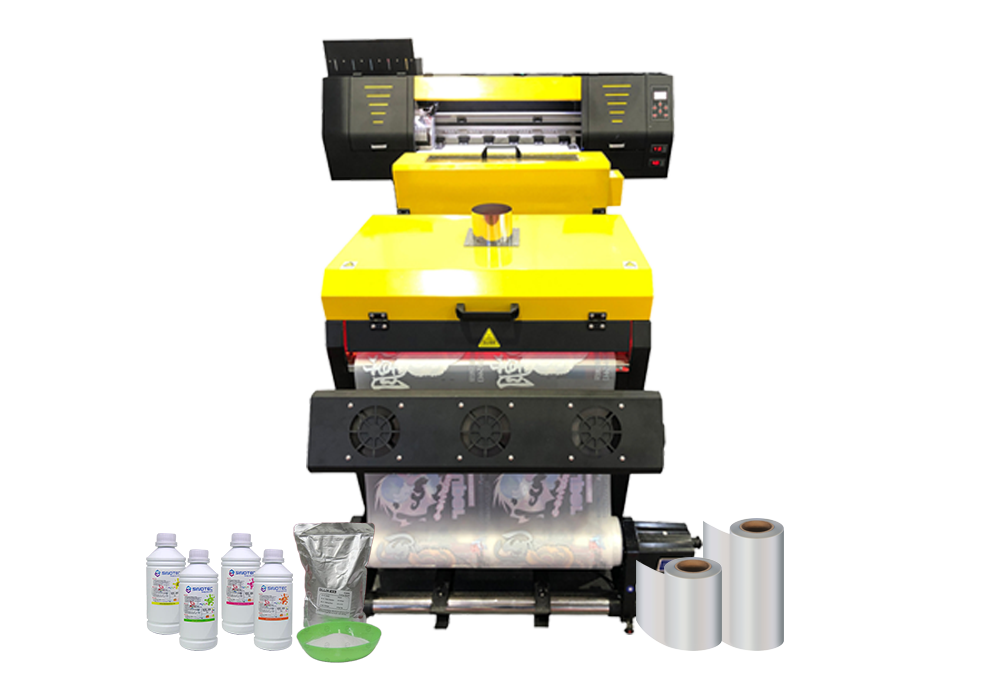
DTF Printing Machine Startup Checklist: What Every Equipment Decision Actually Affects Downstream

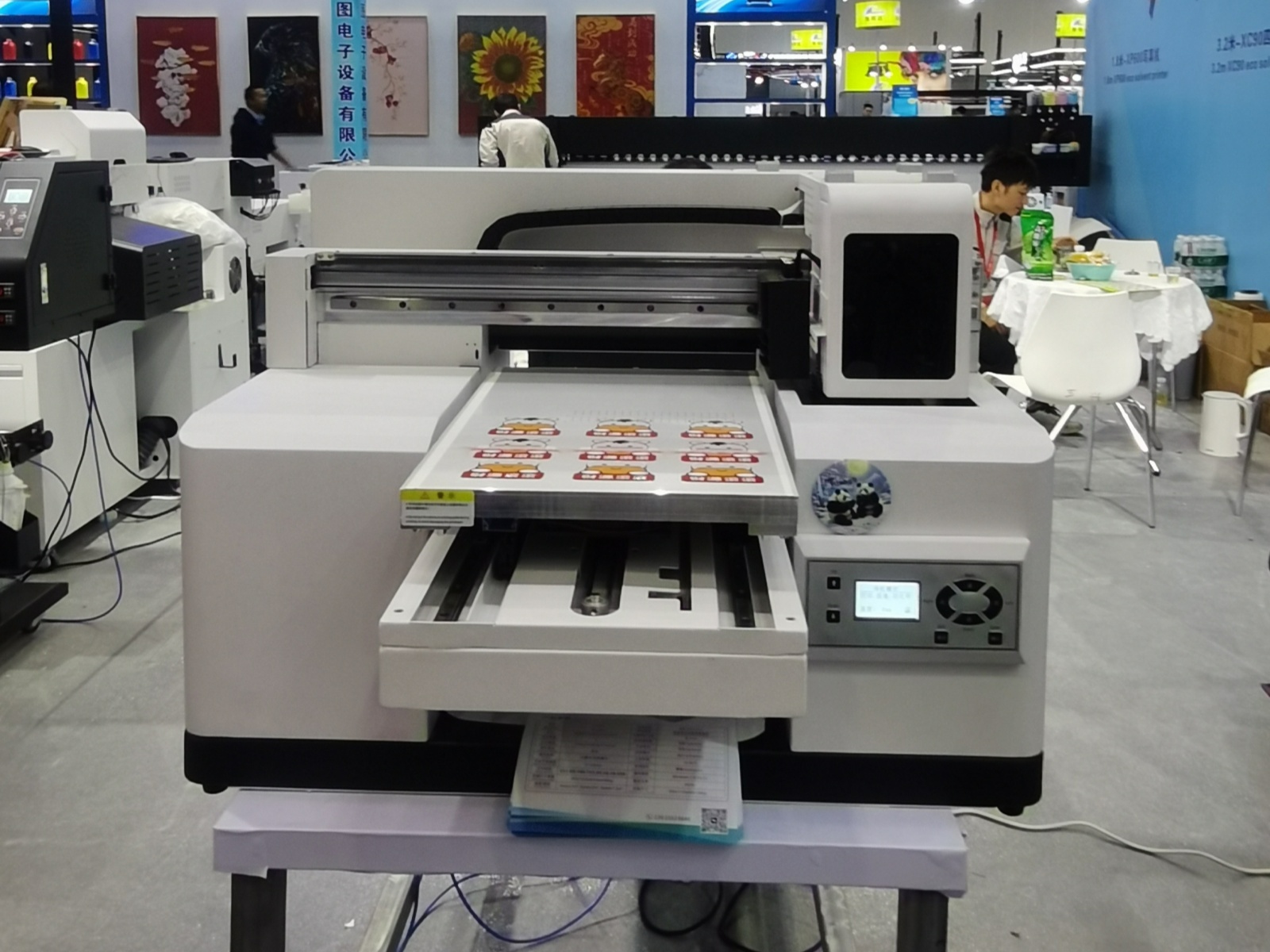
Every equipment decision made at the procurement stage creates a chain of operational consequences that buyers often don’t fully account for until production is already underway. The DTF printing machine you select doesn’t just determine print quality — it shapes your ink consumption model, your pretreatment workflow, your curing equipment requirements, your staff training curve, and ultimately your per-unit cost structure. Getting this wrong early is expensive to correct later. Print width is a good example of a decision that looks simple on a spec sheet but ripples downstream. A wider-format machine increases throughput per pass, which sounds like a win — but it also demands larger heat press equipment, more gang sheet planning discipline, and higher ink volume per job. Buyers sourcing for smaller custom order volumes sometimes default to a small DTF printer precisely because the operational footprint stays manageable and the capital outlay is lower, but they need to stress-test that choice against projected order growth before committing. Ink
Read More »
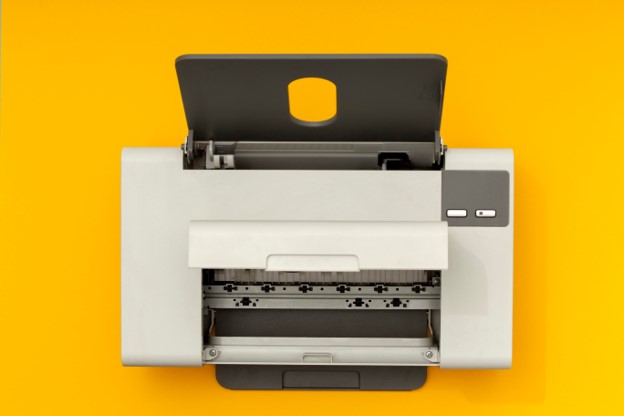
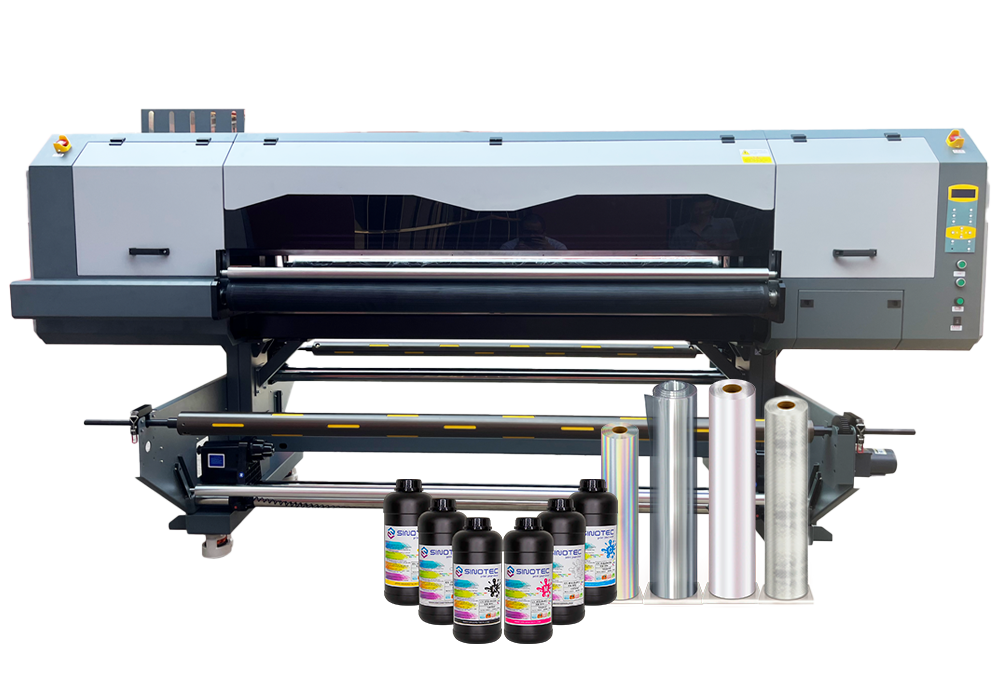
UV Printer

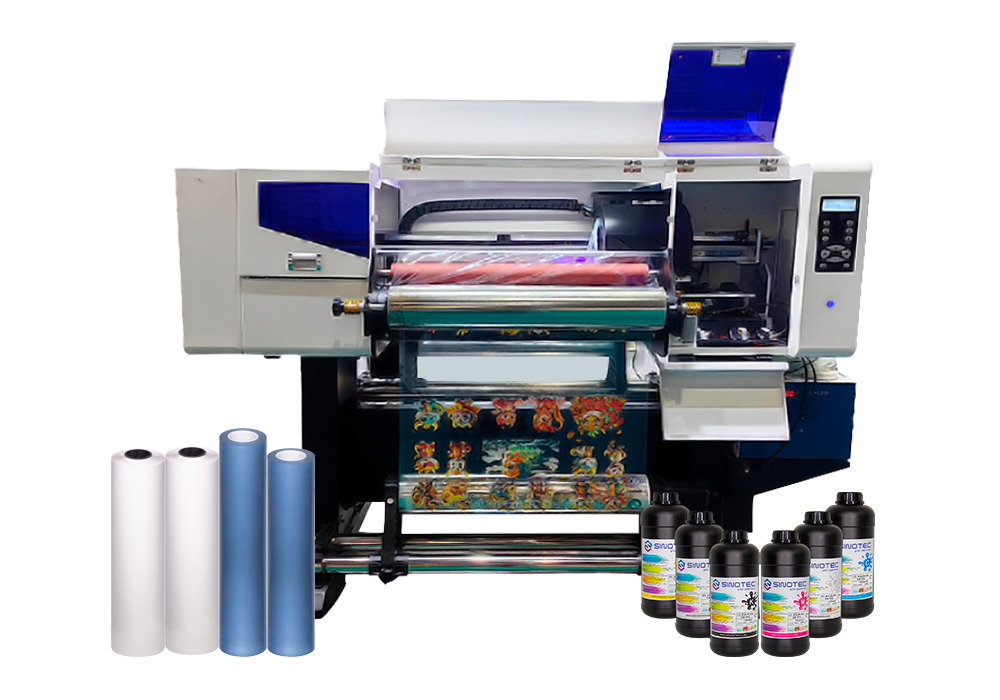
UV Printer Sourcing: How to Qualify the Right Supplier

Qualifying a UV printer supplier is not a single conversation — it’s a structured evaluation that separates vendors who can fulfill a one-time order from partners who can support long-term production demands. The stakes are higher than most buyers expect, particularly when the end application involves specialized substrates, tight color tolerances, or regulated industries where output consistency is non-negotiable. Start with capability verification, not pricing. A supplier quoting aggressively on a commercial UV printer configuration means very little if they cannot demonstrate ink adhesion performance across the substrate range your operation actually uses. Request sample outputs on your specific materials — rigid boards, textured surfaces, curved panels — before any commercial discussion moves forward. Suppliers with genuine production depth will accommodate this without hesitation. Certifications matter more at the industrial end of the market. When sourcing an industrial UV printer for high-volume or export-facing production, relevant compliance documentation — CE marking, RoHS conformity, or regional electrical safety standards — directly affects your ability

Read More »
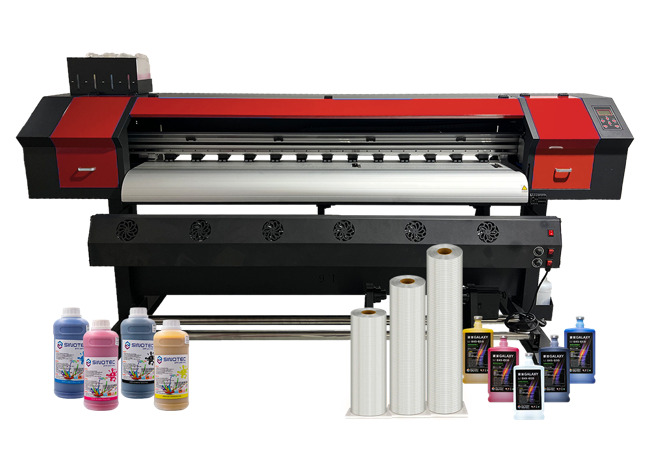
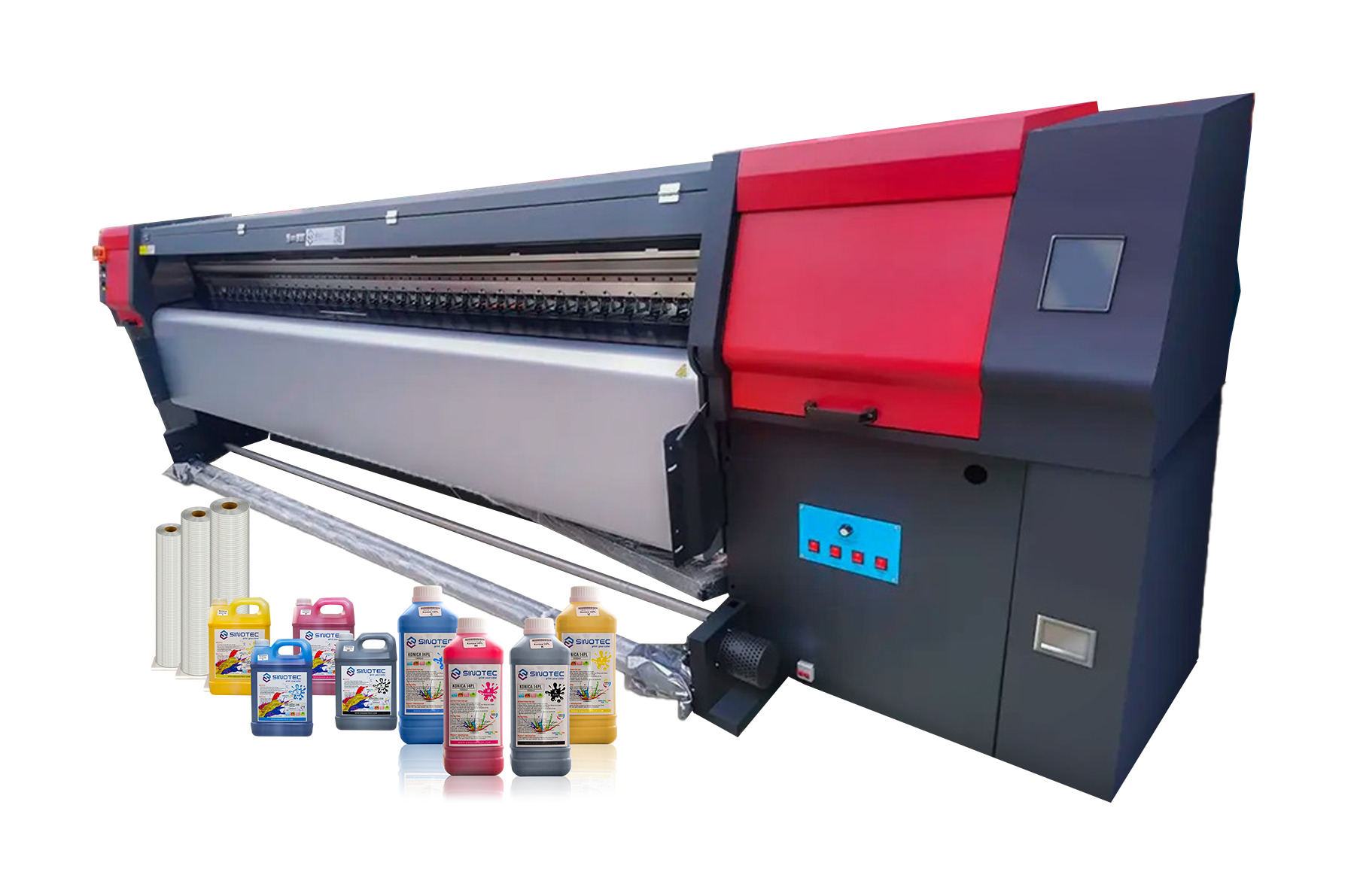
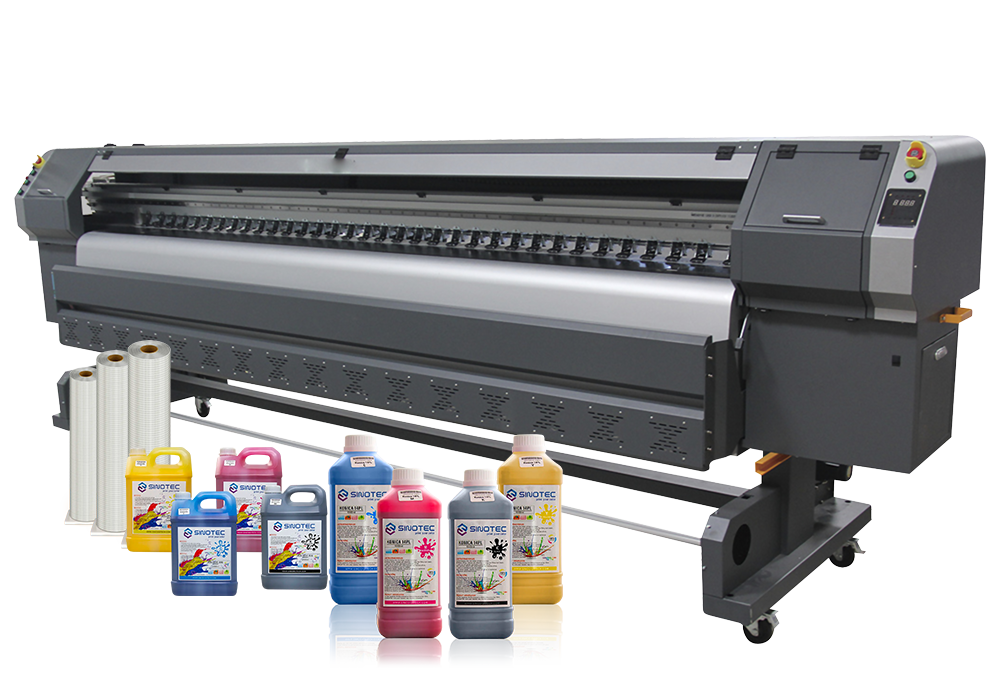
eco solvent printing machine

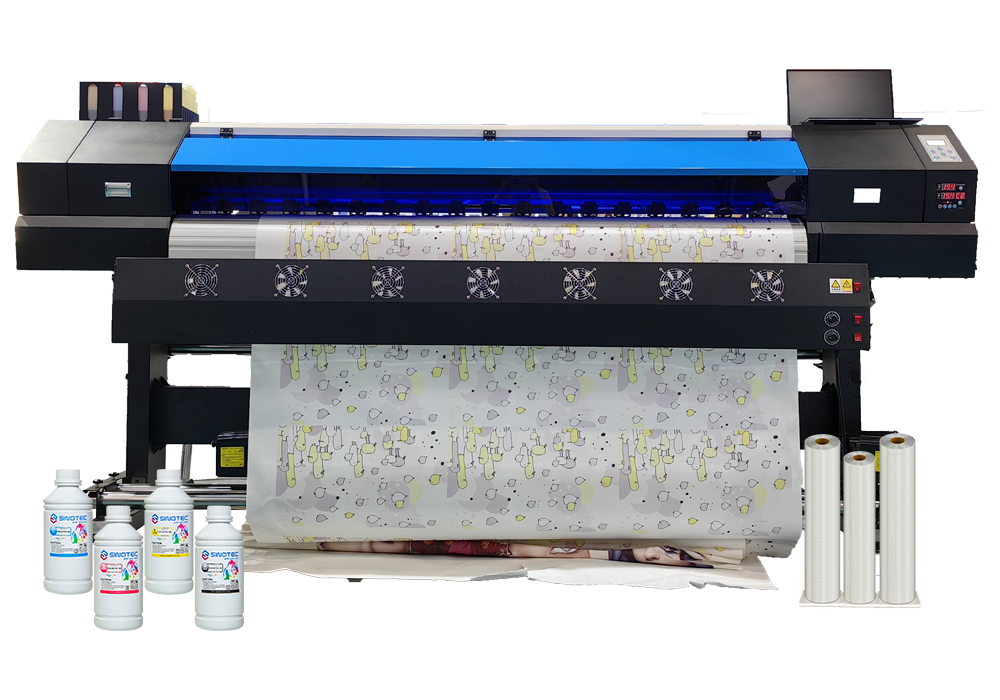
Eco Solvent Printing Machine Specs That Actually Move the Needle on ROI

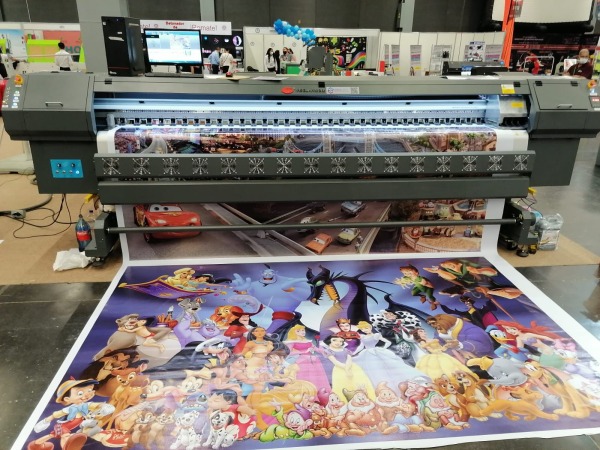
Specs on paper are cheap. Every supplier has a datasheet that looks impressive until you actually try to map it against a real production environment and realize half the numbers are best-case-scenario figures measured under lab conditions nobody operates in. So here’s what actually matters when you’re evaluating an eco solvent printing machine for commercial ROI — and it’s not the headline resolution figure everyone leads with. Print speed-to-quality ratio is the first real lever. A machine rated at 60 sqm/hr in “production mode” might drop to 28 sqm/hr the moment you push it to a quality tier your clients actually accept. That gap — between rated speed and usable speed — is where margins quietly disappear. Ask suppliers for output figures at draft, production, and high-quality modes separately. If they can only give you one number, that’s a red flag worth noting. Ink consumption per square meter is the other number that procurement teams consistently underweight at the sourcing stage.

Read More »
DTF

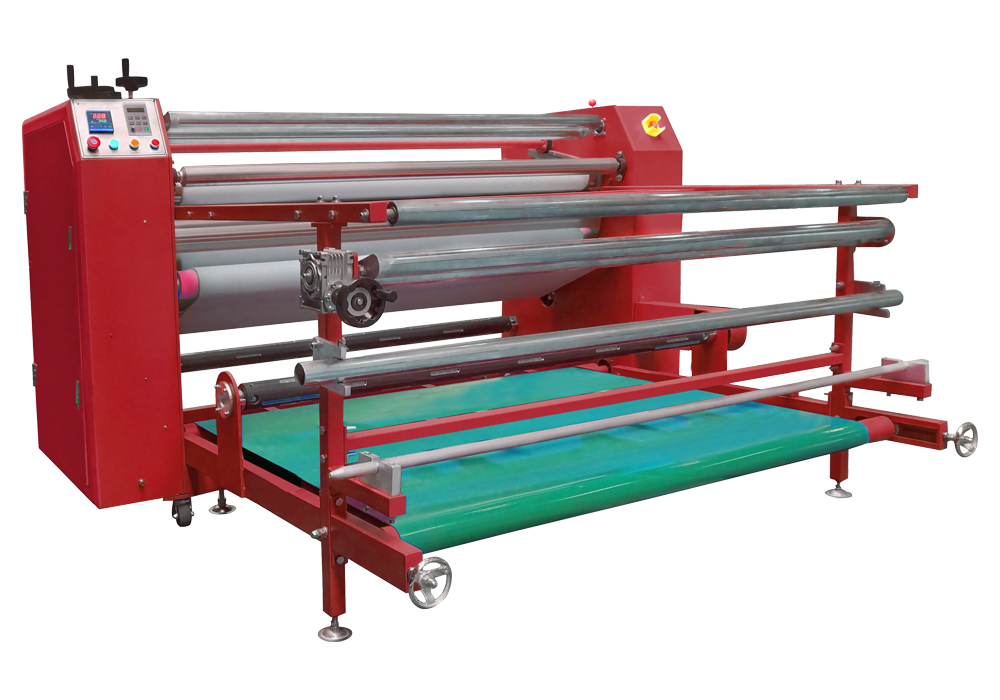
Textile Printing Machine Selection Roadmap: DTF, Sublimation, or Wide-Format Inkjet?

Understanding Your Textile Printing Machine Options: DTF vs Sublimation vs Wide-Format Inkjet Performance OK so here’s the thing nobody tells you when you’re shopping for your first textile printer: the technology you pick matters way more than the brand name on the front. I learned this the hard way after spending six grand on a machine that was technically great but totally wrong for what I actually needed to print. Direct-to-film (DTF) has basically taken over the custom apparel world in the last couple years — and for good reason. You print your design onto a special film, dust it with adhesive powder, cure it, then heat-press it onto pretty much any fabric. Cotton, polyester, blends, even leather if you’re feeling adventurous. The initial investment runs anywhere from $3,000 to $15,000 depending on width and speed, but here’s what sold me: you can print white ink. Sounds simple, but that one feature opens up dark garments in a way other

Read More »
Inkjet Printer

What a Large Inkjet Printer Actually Does (And Why the Specs Matter More Than the Brand)

Most buyers fixate on brand names first. That’s the wrong starting point. A large inkjet printer works by propelling microscopic droplets of ink — sometimes as small as 2 picoliters — through a printhead and onto a substrate with enough precision to hold fine lines, gradients, and photographic detail at widths that a desktop machine couldn’t touch. We’re talking 24 inches, 44 inches, 60 inches wide. Some roll-fed systems go wider still. The core technology sounds simple enough, but the variables underneath that basic description are where buyers consistently get burned: droplet size, printhead configuration, ink chemistry, media handling, and drying method all interact in ways that spec sheets don’t always explain clearly. So here’s the thing about specs — they’re not just numbers to impress you at a trade show. A commercial inkjet printer running aqueous dye inks will produce stunning color on coated photo paper and look completely washed out on uncoated banner material. Swap to a solvent or latex

Read More »
DTF

How Sublimation and DTF Printing Actually Work — And Why the Difference Matters

Sublimation and DTF are not the same thing — and confusing them will cost you money, time, and a pile of ruined blanks. So let’s actually break down what’s happening inside each process, because the chemistry matters more than most people realize. A sublimation printer works by converting solid dye into gas under heat — skipping the liquid phase entirely. That gas bonds directly with polyester fibers (or polymer-coated hard surfaces) at around 375–400°F, becoming part of the material itself. Not sitting on top. Inside it. Which is why sublimation prints feel like nothing when you touch them — there’s no ink layer to peel or crack. The catch? It only works on light-colored, polyester-heavy substrates. Cotton? Forget it. A 100% cotton tee will give you a washed-out ghost of an image, not a vibrant print. DTF — direct-to-film — works completely differently. A DTF garment printer deposits ink onto a special film, dusts it with hot-melt adhesive powder, cures it, then

Read More »
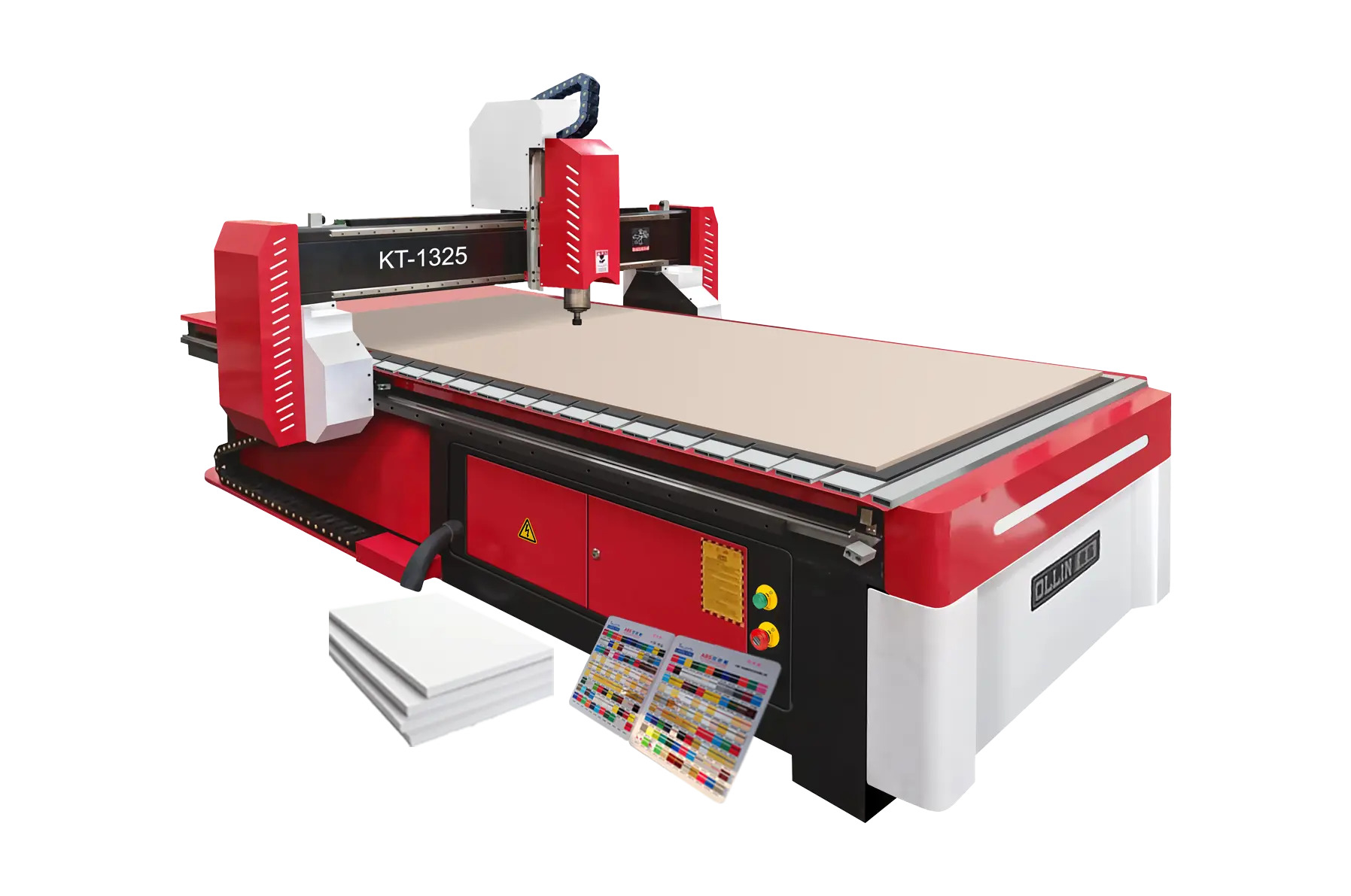
CNC Router vs Laser Engraver

CNC Router vs. Laser Engraver: Comprehensive Comparison of Precision, Speed & Material Suitability

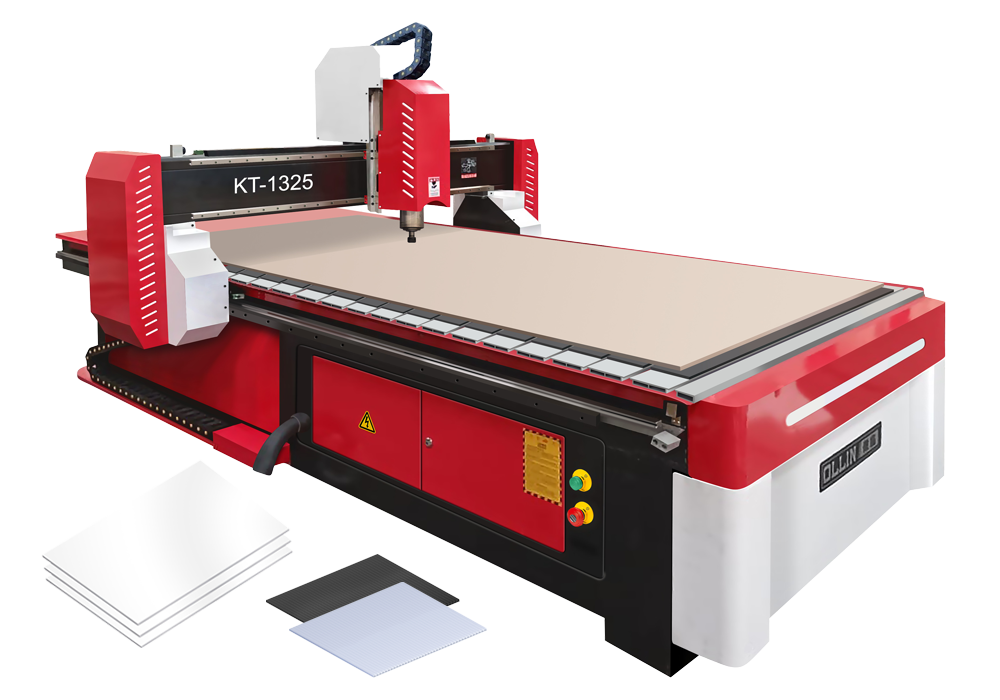
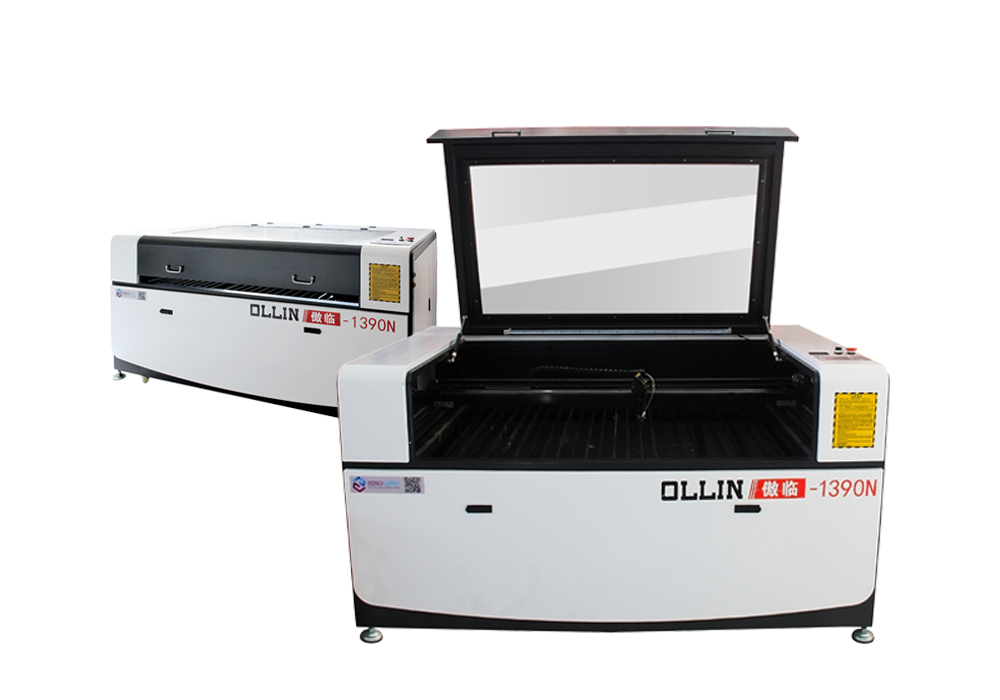
As the demand for digital and customized manufacturing is growing, the choice of proper engraving and cutting tools is getting more and more crucial for companies. The CNC router and laser engraving machineare just two of many examples of such tools used in advertisement, woodwork, furniture production, crafts and industry. While both machines work on the basis of computer control, their operating principles, processing possibilities and materials they can use differ from each other. CNC Router and Laser Engraving Machine Working Principle Comparison Understanding the principles behind a CNC Router and Laser engraving machine allows manufacturers to determine which technology suits their production needs. The CNC Router equipment relies mostly on the mechanical cutting technology whereas the laser engraving machine applies concentrated energy for engraving and cutting the material. Each type of processing technology results in various advantages related to the depth of cutting, surface quality, production rate, and usage capabilities. Mechanical Cutting Method of CNC Router Equipment The CNC

Read More »
i3200 eco solvent printer

Epson XP600 vs. i3200 Printhead: Printhead Selection Guide for Large Format Printers

Choosing the appropriate printhead becomes one of the key considerations in purchasing a large format printer. The printhead affects the print quality, print speed, ink usage, and reliability of the printer. There are many popular technologies in Epson, including the XP600 eco solvent printer and i3200 eco solvent printer. In the case where a company is looking for the appropriate high resolution printer, it becomes easy to compare the xp600 eco solvent printer with the i3200 eco solvent printer. Being a professional digital printing solution supplier, SinoDigitech concentrates on creating innovative eco solvent printers with stable performance, efficient production, and customization options. Its large format printer solutions are created for the satisfaction of different customers’ needs, ranging from small advertising companies to large printing enterprises. Epson XP600 Eco Solvent Printer vs. i3200 Eco Solvent Printer: Key Printhead Differences Identifying the disparities between the printheads of the Epson XP600 and i3200 helps consumers pick out machines depending on production capacity, image

Read More »
Printhead Cleaning

Printhead Maintenance & Cleaning Guide for Large Format Printers: Key to Extending Printhead Life

The large format printers are extensively used in the field of advertisement, packaging, textiles, signage, and industry decoration due to the capability of the printer to print high-quality images. The printhead forms an integral part of the inkjet printing process; therefore, its functionality directly impacts the print quality. Dust, drying ink, and other issues can lead to clogged nozzles, which affect the performance of the printhead. Hence, regular cleaning and maintenance of the printhead is important for increasing its life span and ensuring proper functionality. Why Printhead Cleaning Matters for Large Format Printers The printhead is designed to precisely control ink drops during the printing process. Because thousands of micro nozzles are installed in it, even little contamination may influence on the final results. The regular cleaning of the printhead is necessary to keep good performance of equipment, to ensure smooth ink flow and to provide reliable work of the printer which is intended for large format. Prevent Nozzle Clogging

Read More »
Shopping Basket

Get a quote

sonbahissonbahissonbahissonbahisselçuk sportstaraftarium24canlı skorselçuk sportstaraftarium24sonbahis girişsonbahis girişsonbahis girişsonbahis giriş