


What a Dye Sublimation Printer Line Actually Involves (And Why Matching Components Matters)
Sourcing a dye sublimation printer for commercial use is rarely a single-product decision. What buyers are actually procuring is a production line — a coordinated set of components that only perform reliably when they’re matched to each other and to the specific application at hand. Treat any one element as an afterthought, and the whole workflow pays for it in downtime, reprints, and margin erosion.
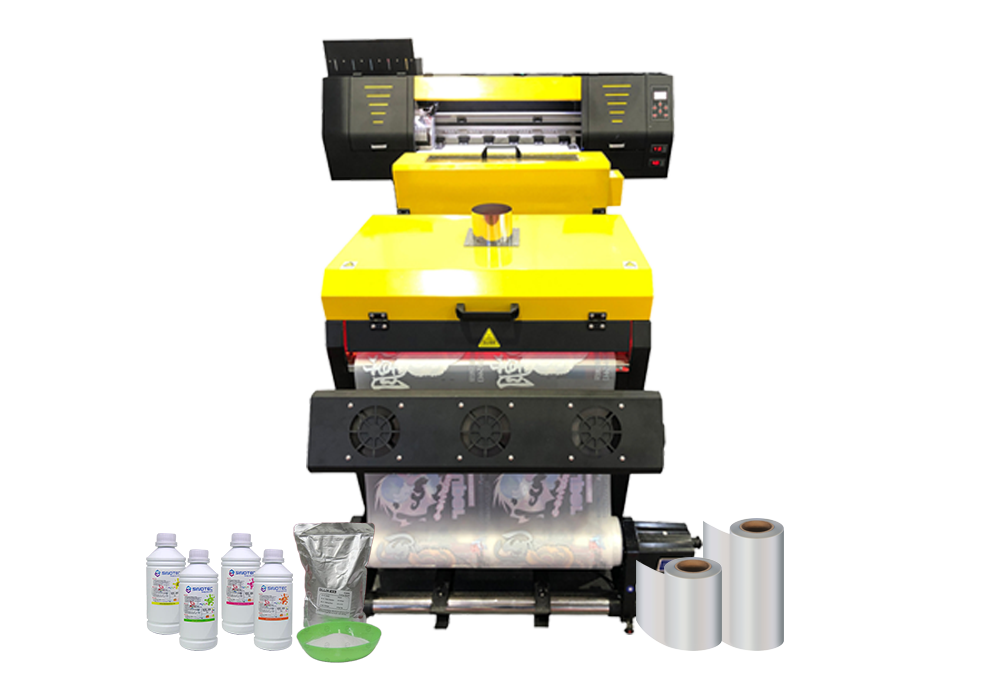
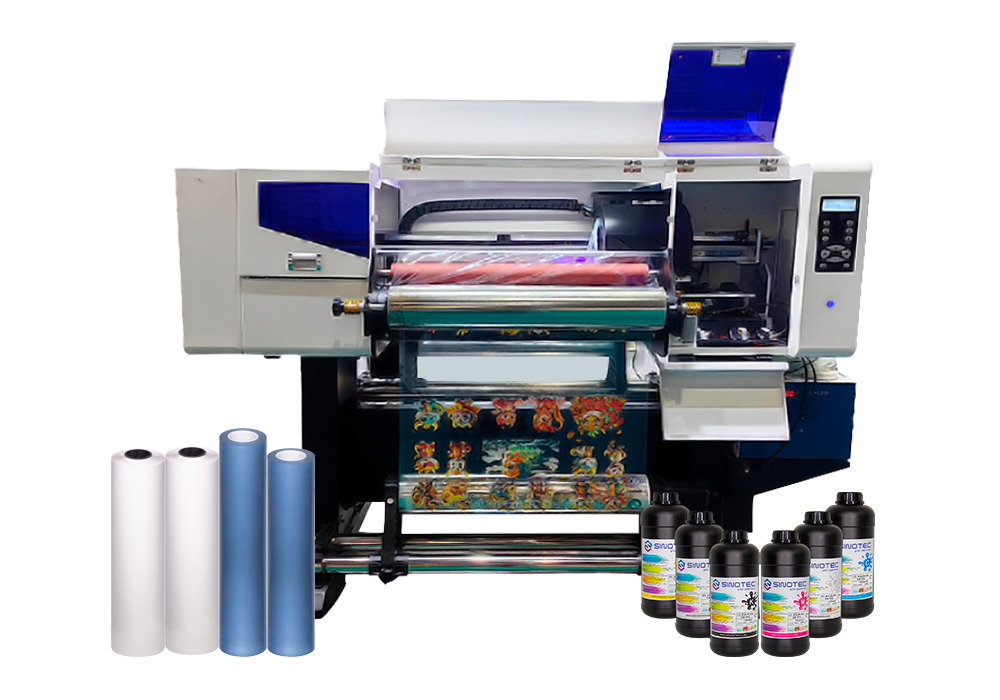
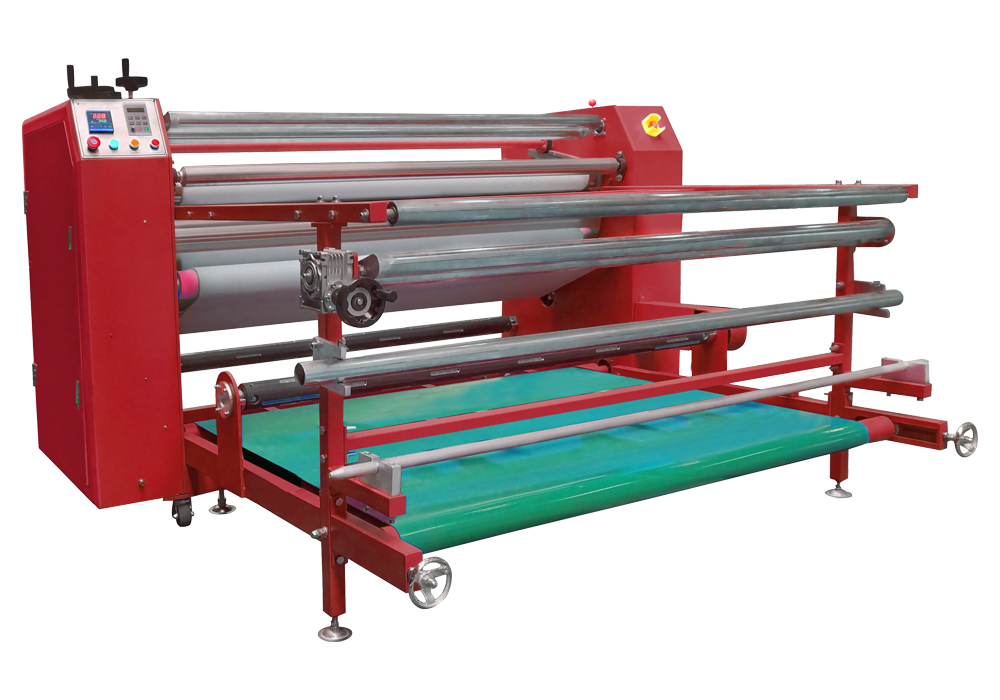
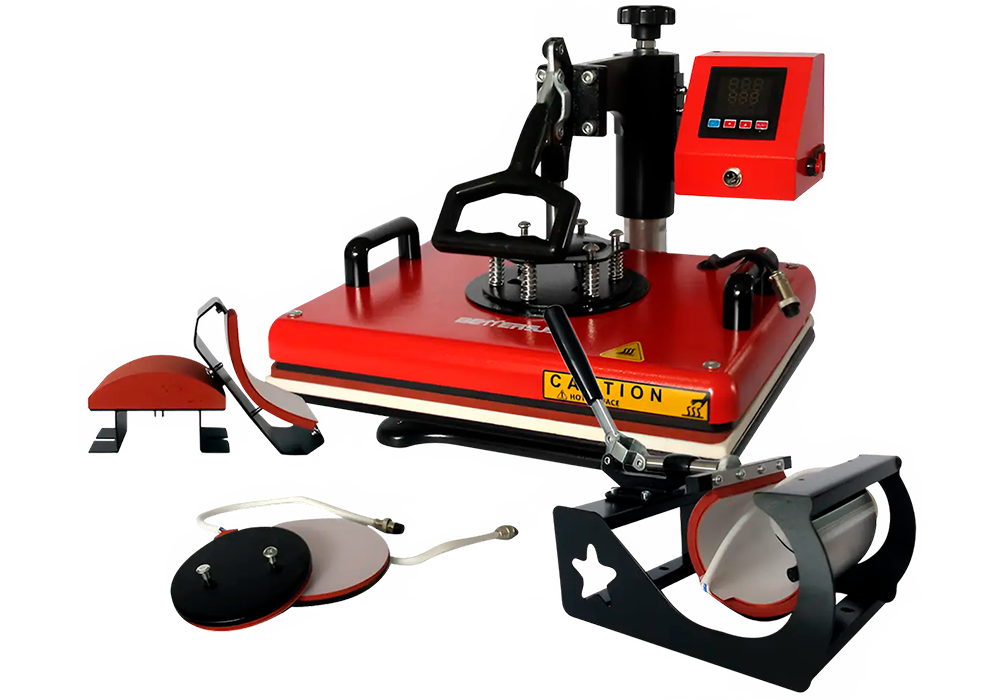
The core equipment typically includes the sublimation printing machine itself, heat press or calendar equipment, sublimation transfer paper, and ink systems — each with its own specification requirements. A sublimation printing machine rated for high-volume output, for instance, demands an ink delivery system engineered to match that throughput. Mismatches here don’t just slow production; they create inconsistent color profiles that are nearly impossible to troubleshoot without systematically isolating each variable.
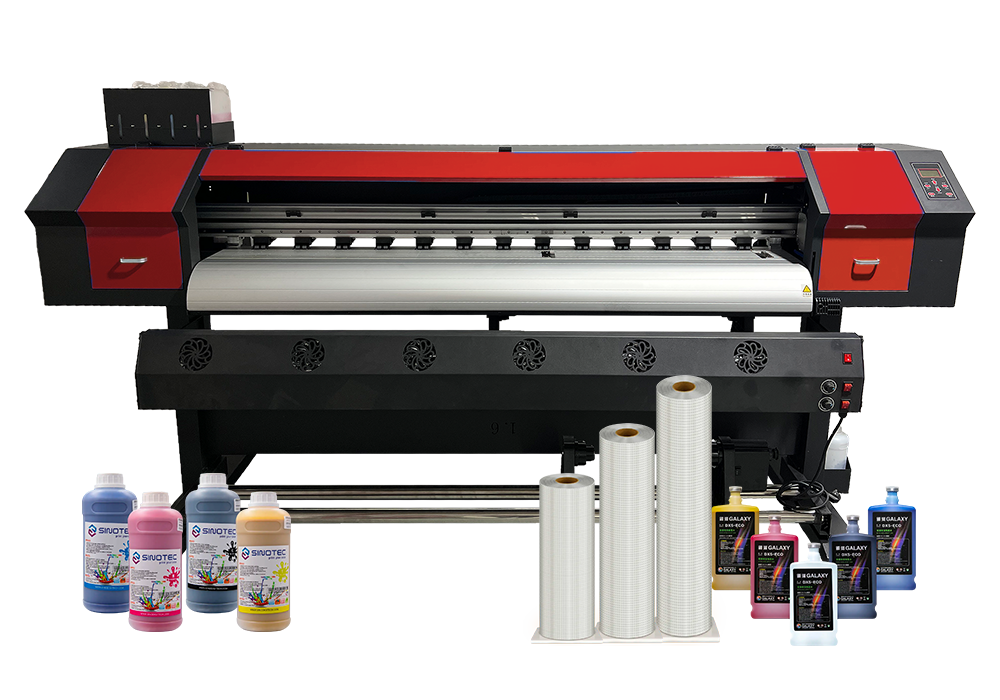
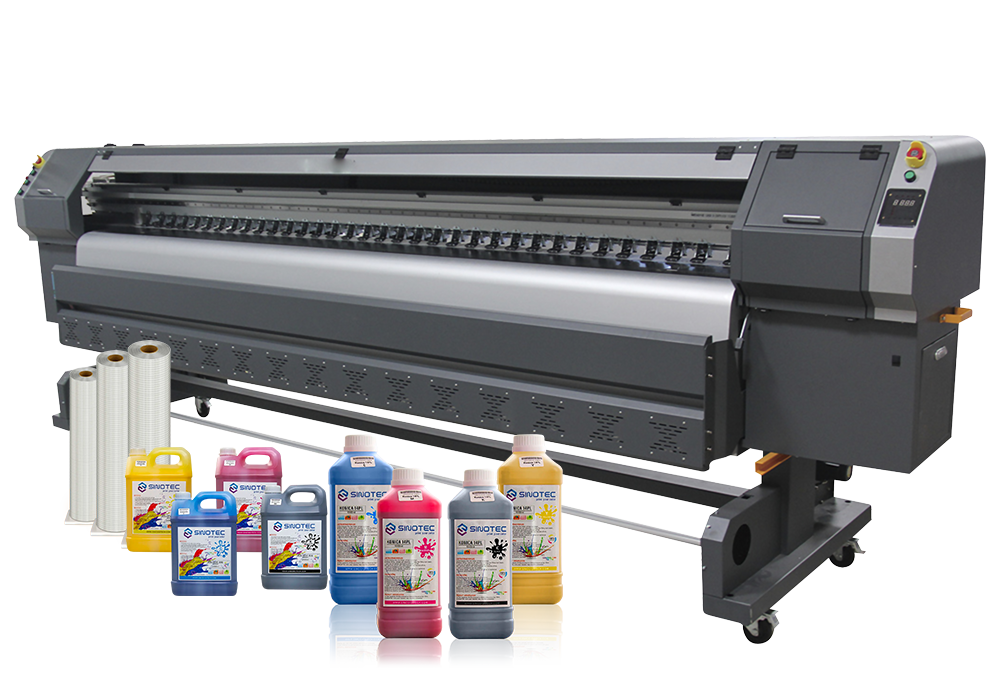
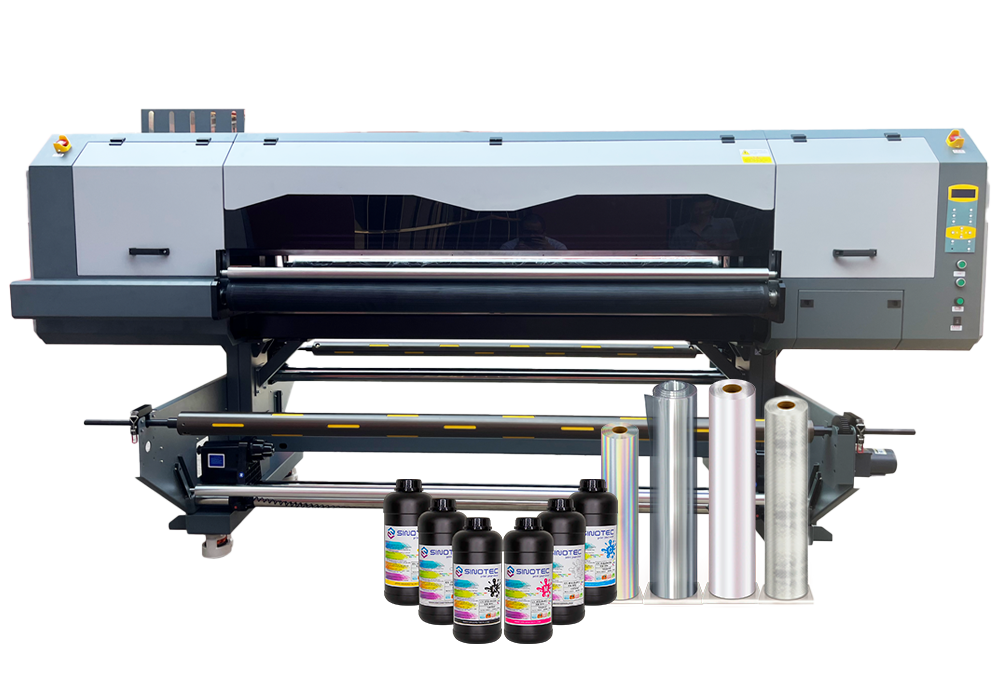
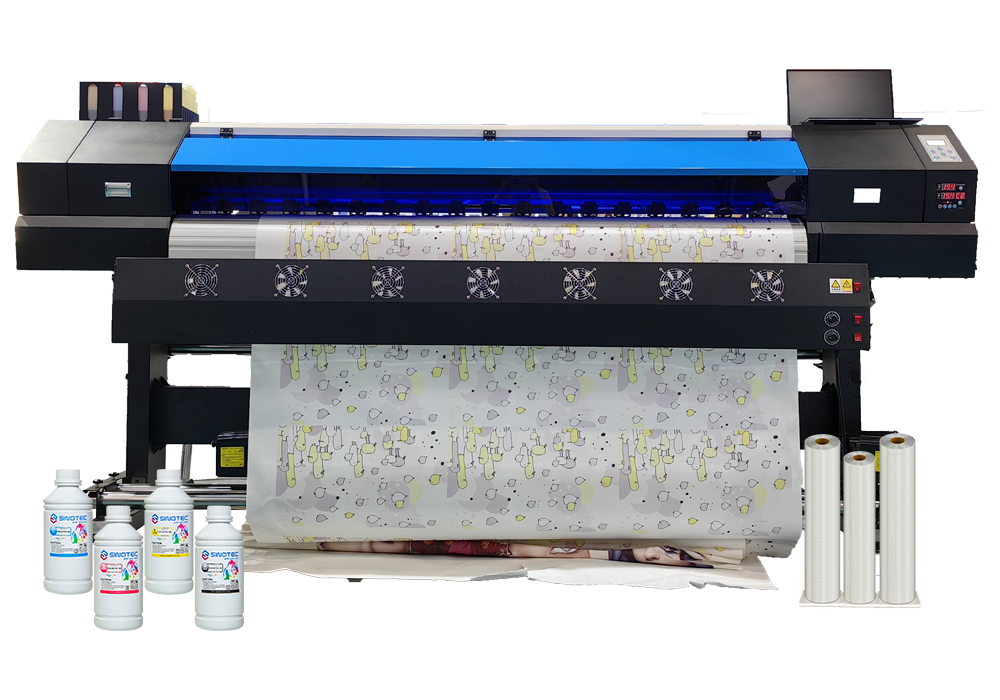
Format is another dimension that procurement teams often underestimate at the sourcing stage. UN large format sublimation printer operates under fundamentally different mechanical and thermal conditions than a desktop or mid-range unit — different media tension requirements, different heating zone tolerances, different ICC profile management. Buyers sourcing for soft signage, sportswear cut-and-sew production, or wide-format home textiles need to confirm that every downstream component — paper roll widths, heat calendar belt speeds, ink viscosity ratings — is specified for that format class. Suppliers who can advise on this alignment, rather than simply fulfilling a line-item order, are worth prioritizing.
Component compatibility also has direct implications for certification and compliance. Inks, papers, and machine firmware interact in ways that affect whether a finished product can meet OEKO-TEX, REACH, or other market-entry standards. Procurement managers working with export-focused suppliers — particularly those coordinating OEM or ODM configurations — should request documentation that covers the full system, not just the printer unit itself.
- Confirm ink system compatibility with the specific printer model and print head generation
- Verify paper specifications match the machine’s media feed and tension tolerances
- Request system-level compliance documentation, not component-level only
- Clarify whether the supplier supports calibration and ICC profile setup for your substrate range
Getting this alignment right at the sourcing stage — before MOQs are committed and lead times locked in — is what separates a functional production setup from one that spends its first months being corrected.
How to Choose the Right Sublimation Printing Machine, Press, and Dryer for Your Production Line
Selecting a sublimation printing machine isn’t a decision that starts with the printer spec sheet — it starts with your production targets. Print volume per shift, substrate range, and finishing throughput all determine which combination of equipment actually makes sense. Buying a high-speed dye sublimation printer and pairing it with an undersized heat press is one of the more common — and expensive — mismatches procurement teams encounter at setup.
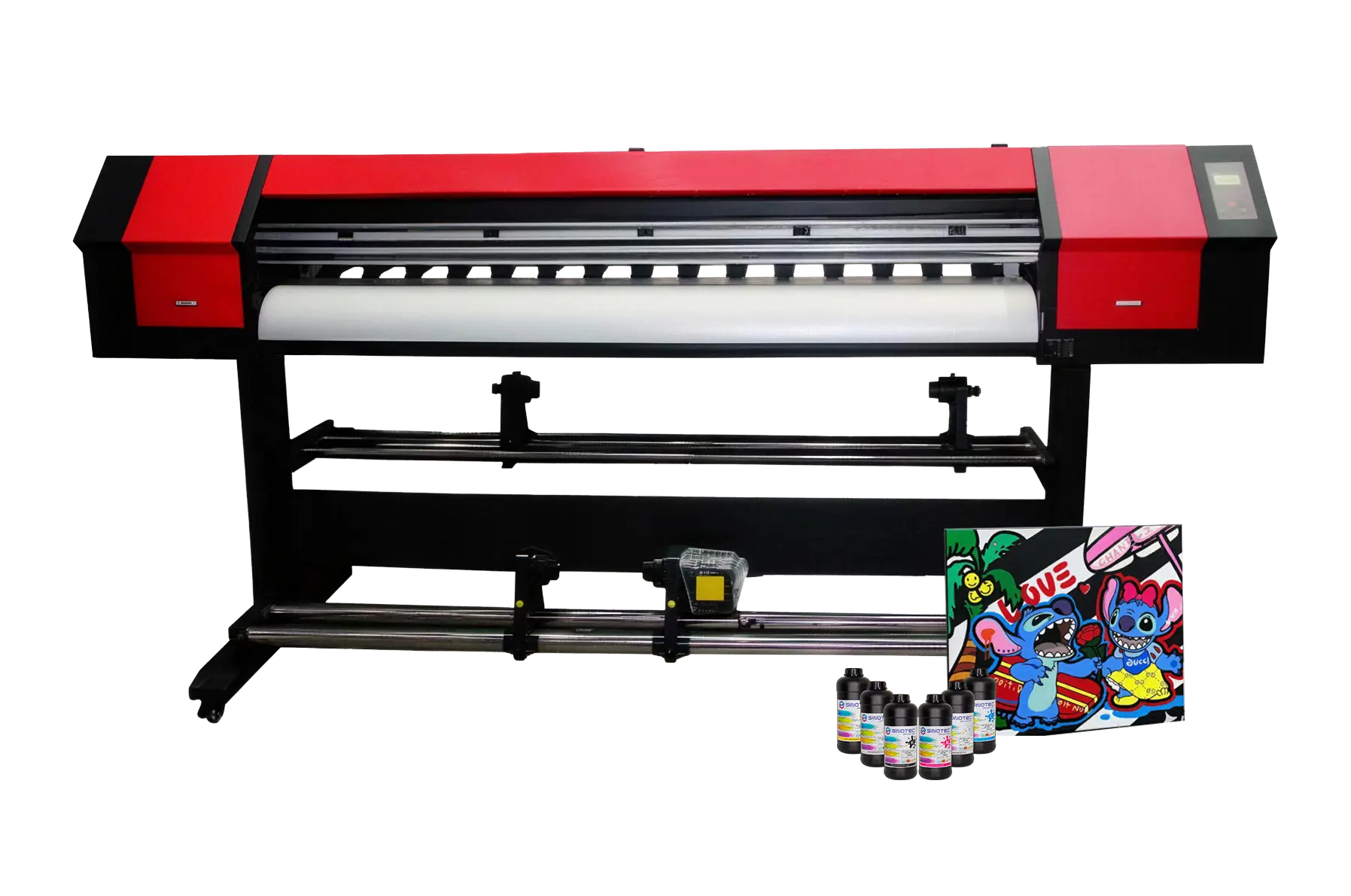
The press is where most of the quality variables actually live. Temperature uniformity across the platen, dwell time precision, and pressure consistency directly affect transfer quality in ways that no amount of print head resolution can compensate for. For buyers sourcing a large format sublimation printer to handle wide-width fabric or hard substrate runs, the press dimensions need to match or exceed the printer’s maximum output width — otherwise you’re creating a bottleneck that limits your entire line to the smallest component in it.
Dryers are frequently treated as an afterthought. They shouldn’t be. In high-humidity production environments or facilities running continuous shifts, inadequate drying capacity leads to ink smearing, paper curl, and registration failures downstream. The dryer spec — airflow capacity, temperature range, belt speed — needs to be selected in parallel with the sublimation printing machine, not after it arrives on the floor.
A few criteria worth building into any equipment RFQ at this stage:
- Confirm that press platen dimensions are matched to your printer’s maximum print width, with margin for substrate alignment
- Verify dryer airflow and temperature specs against the ink system’s recommended cure parameters
- Request system-level energy consumption data — press and dryer combined — not just the printer unit
- Clarify lead times for press and dryer separately, since these often ship from different manufacturing sources
- Ask whether the supplier supports integrated commissioning across all three components, or only the dye sublimation printer itself
Export-focused suppliers with OEM or ODM coordination capability — the kind that handle specification alignment across multiple equipment categories — tend to surface these compatibility gaps earlier in the process. That coordination matters most when procurement timelines are tight and there’s limited room to correct specification mismatches after equipment has cleared customs.
Large Format Sublimation Printer Sourcing: Paper, Ink Compatibility, and Supplier Qualification Criteria
Sourcing a large format sublimation printer involves more than comparing print widths and resolution specs. The consumables chain — specifically sublimation paper and ink — determines whether a machine performs to its rated output in actual production conditions, and suppliers who treat these as afterthoughts tend to create downstream procurement headaches that are difficult to unwind mid-contract.
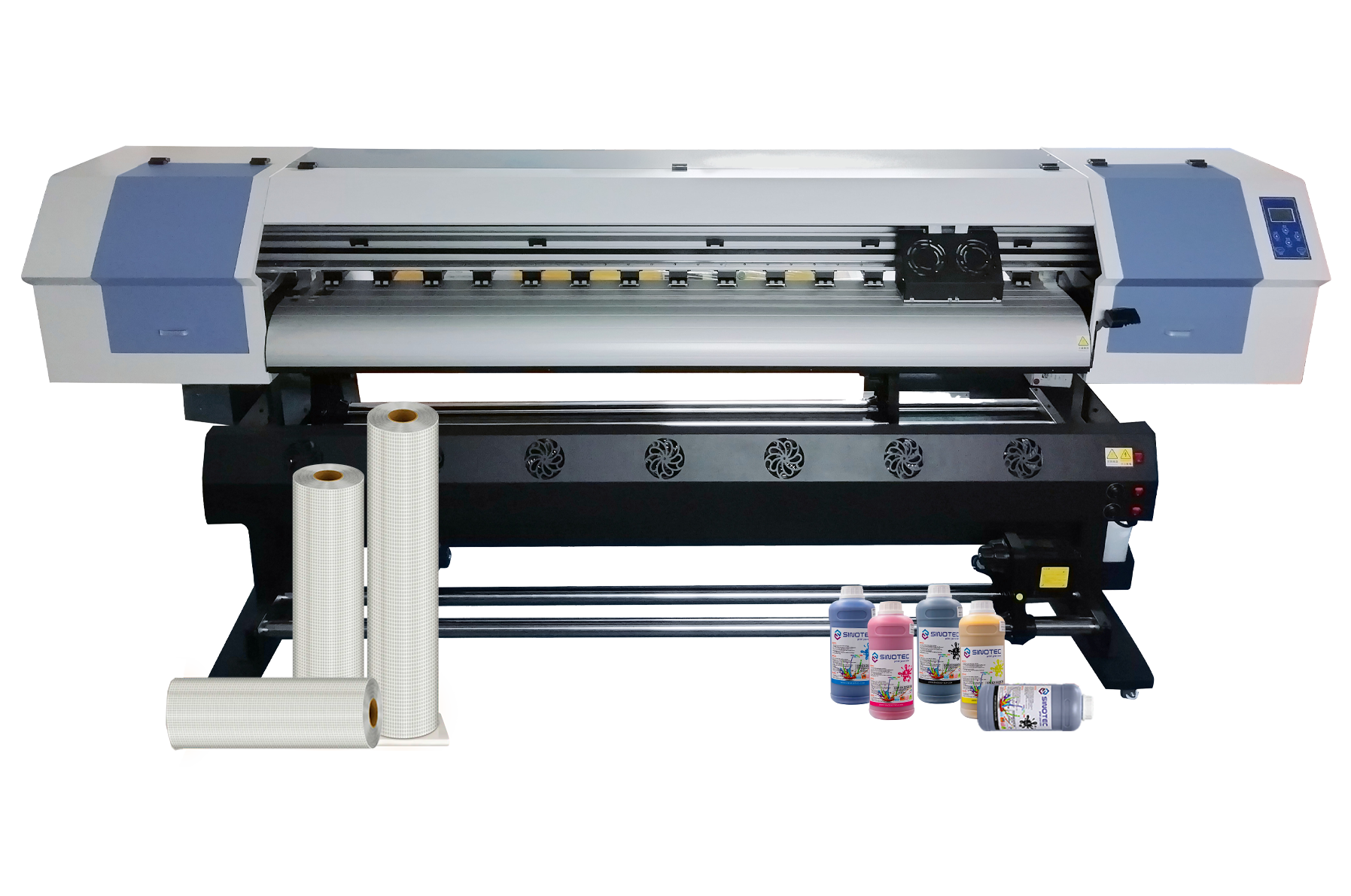
Paper compatibility is a pressure point that procurement teams frequently underestimate. Not all sublimation paper releases ink at the same rate or temperature range, and a mismatch with the dye sublimation printer’s default heat profile will produce inconsistent color transfer — often without any obvious error flag from the machine itself. When qualifying a supplier, request documentation on which paper weights and coating types the equipment has been validated against. If the supplier cannot produce this, that’s a meaningful gap.
Ink compatibility carries similar risk. Sublimation ink formulations vary by viscosity, pigment concentration, and drying behavior — and most printhead manufacturers maintain their own approved ink lists that directly affect warranty coverage. A sublimation printing machine running off-spec ink may print acceptably for weeks before printhead degradation becomes measurable. By that point, warranty claims get complicated fast.
- Confirm whether the supplier offers ink supply chain continuity — single-source or multi-source — and what the replenishment lead time looks like for your operating region
- Request validated paper-ink pairing documentation, not just a general compatibility claim
- Ask whether the supplier can support custom ink profiles or ICC profile calibration for your specific substrate range
- Clarify MOQ thresholds for ink and paper separately — some suppliers bundle these with equipment orders, others treat them as independent SKUs
- Verify certifications relevant to your end market: OEKO-TEX, REACH compliance, or equivalent, depending on where finished goods ship
Supplier qualification at this stage should also factor in export coordination capability. Suppliers experienced in OEM and ODM fulfillment — those accustomed to aligning consumable specifications across international buyer requirements — are generally better positioned to flag ink or paper incompatibilities before an order ships, rather than after installation. That early-stage coordination is where procurement risk actually gets managed.
Operational ROI and Procurement Checklist for Dye Sublimation Line Buyers
Procurement decisions on a dye sublimation printer line carry consequences well beyond the initial capital outlay — consumable burn rates, downtime exposure, and substrate compatibility gaps all compound over a production cycle in ways that aren’t visible on a spec sheet. The operational ROI calculation has to account for all of it.
Start with throughput realism. Rated print speeds on a sublimation printing machine are typically measured under ideal lab conditions — single substrate, optimal temperature, fresh heads. Real production environments introduce variables: media changeovers, ink refill intervals, heat press cycle times, and operator transitions. Buyers should request production benchmarks from suppliers that reflect their actual substrate mix, not a best-case scenario.
Total cost of ownership is where many procurement teams underestimate exposure. Ink yield per milliliter varies meaningfully between equipment configurations, and a large format sublimation printer running high-coverage graphics at scale will consume ink at a rate that shifts the unit economics considerably. Factor in:
- Ink yield per square meter across your most common print profiles
- Replacement head frequency and sourcing lead time for that specific model
- Heat press or calendar maintenance intervals and associated downtime windows
- Software licensing or RIP system costs if not bundled with the equipment
- Freight, customs classification, and import duty exposure for cross-border equipment orders
Before finalizing any supplier shortlist, run a structured qualification pass against the criteria that actually determine production reliability — not just price per unit. The checklist below covers the core commercial and operational variables worth confirming directly with prospective suppliers of any dye sublimation printer configuration:
- Confirmed MOQ for equipment, ink, and transfer paper — independently, not bundled
- Lead time commitments in writing, including seasonal capacity constraints
- OEM/ODM support scope: what can be customized, what cannot
- Export documentation capability: CE, FCC, or regional certification availability
- Post-sale technical support channel and average response time
- Sample order or pilot run policy before full production commitment
Suppliers with structured export fulfillment experience — particularly those coordinating OEM specifications across international buyer requirements — tend to surface compatibility and compliance issues early in the process. That upstream coordination is where procurement risk is actually absorbed, rather than inherited on the production floor.
Conclusion
The checklist matters, but so does who you’re buying from. A dye sublimation printer is only as reliable as the supply chain behind it — and that includes ink consistency, transfer media compatibility, and whether your supplier can actually handle export documentation without making it your problem.
Get the sample run. Always.
Suppliers who flag compliance gaps before production starts are worth paying attention to. The ones who surface those issues after you’ve committed? That’s where projects stall, costs spike, and timelines collapse. Ask the hard questions upfront — it’s genuinely the only part of this process you fully control.
Frequently Asked Questions
Q: What is a dye sublimation printer and how does it work?
UN: A dye sublimation printer uses heat to convert solid dye into gas — bypassing the liquid stage entirely — which then bonds directly into the surface of polyester-coated substrates. The result is a print that’s embedded in the material rather than sitting on top of it, which is why the colors are so durable and the finish feels smooth rather than printed.
Q: What materials can a dye sublimation printer actually print on?
UN: The short answer: anything with a polyester coating or a high polyester content. That includes fabrics, ceramic mugs, aluminum panels, phone cases, and certain types of rigid signage — but natural fibers like 100% cotton won’t hold the dye, which catches a lot of buyers off guard. The substrate’s coating spec matters as much as the printer itself.
Q: How much does a dye sublimation printer cost?
UN: Entry-level desktop units can sit well under a thousand dollars, but commercial-grade wide-format machines — the kind used for soft signage, sportswear production, or large-run custom apparel — typically run into the tens of thousands. The printer price is rarely the full picture; ink, transfer paper, and heat press equipment add to the real cost of entry.
Q: Why are my dye sublimation prints coming out faded or washed out?
UN: Nine times out of ten, it’s a temperature or time calibration issue at the heat press stage — too low, and the dye never fully sublimates; too high, and you can scorch the substrate or blow out the color. Ink-media mismatch is the other common culprit: using transfer paper that isn’t matched to your ink profile will kill color density before the print even hits the heat press.
Q: Is a dye sublimation printer worth it for small businesses?
UN: For businesses with consistent, repeatable product lines — custom merchandise, branded sportswear, personalized gifts — the economics make sense faster than most people expect. Where it gets tricky is low-volume, high-variety work, because setup time and ink waste per run can quietly erode margins. The business case strengthens significantly when substrate and ink sourcing are locked in with a reliable supplier rather than bought ad hoc.
Q: Can I use any ink in a dye sublimation printer?
UN: No — and this is where procurement decisions get expensive fast. Sublimation ink is chemically distinct from pigment or dye-based inkjet ink, and running the wrong ink through a sublimation system can clog printheads and void warranties. Even within sublimation inks, different formulations are optimized for different printhead types, so compatibility with your specific machine model isn’t optional to verify.
Q: How long do dye sublimation prints last?
UN: When the process is done correctly, sublimation prints are among the most durable in the digital printing category — the dye is part of the substrate, not a layer on top of it, so it won’t crack, peel, or fade the way screen prints or vinyl transfers can. Outdoor applications are the exception; UV exposure will degrade color over time, and prints intended for exterior use typically need an additional UV-protective coating on the substrate.
Q: How do I choose the right dye sublimation printer for production volume?
UN: Start with your weekly output target and work backward — desktop units are generally suited for low-volume custom work, while roll-to-roll wide-format printers are designed for continuous production runs where downtime costs real money. Beyond print speed, look hard at ink capacity, media width, and whether the supplier can provide consistent ink and transfer paper specs at scale (inconsistent consumables are where production quality quietly drifts).