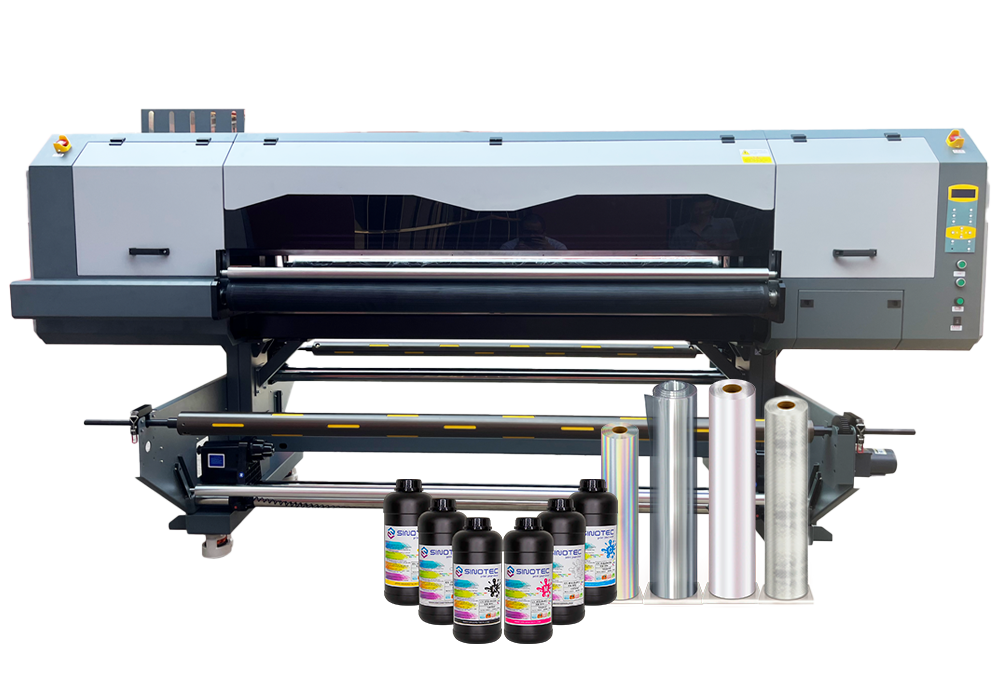
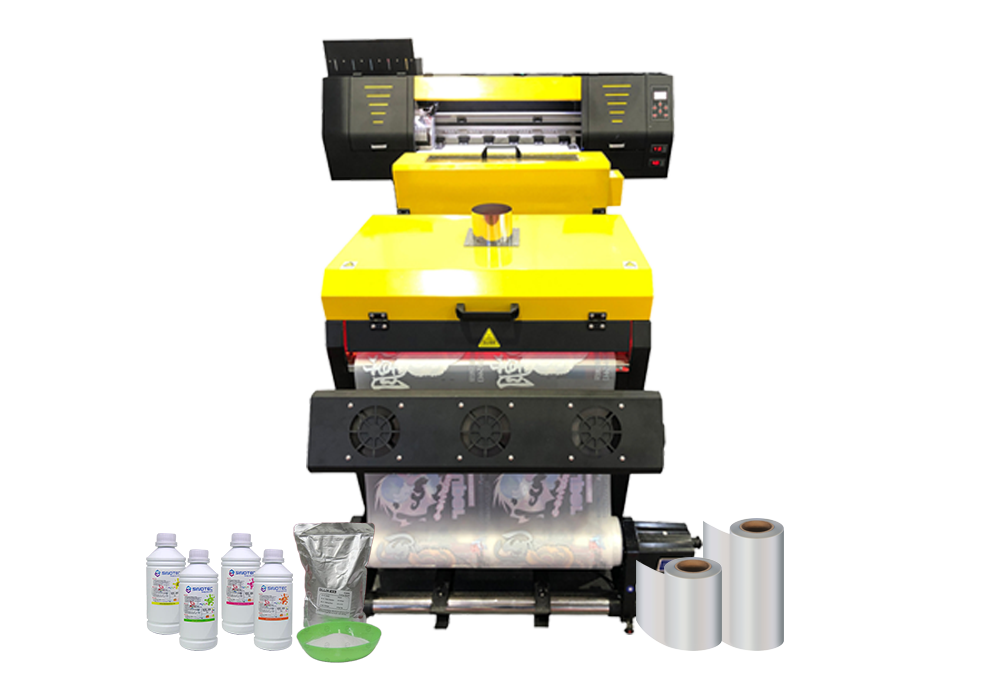
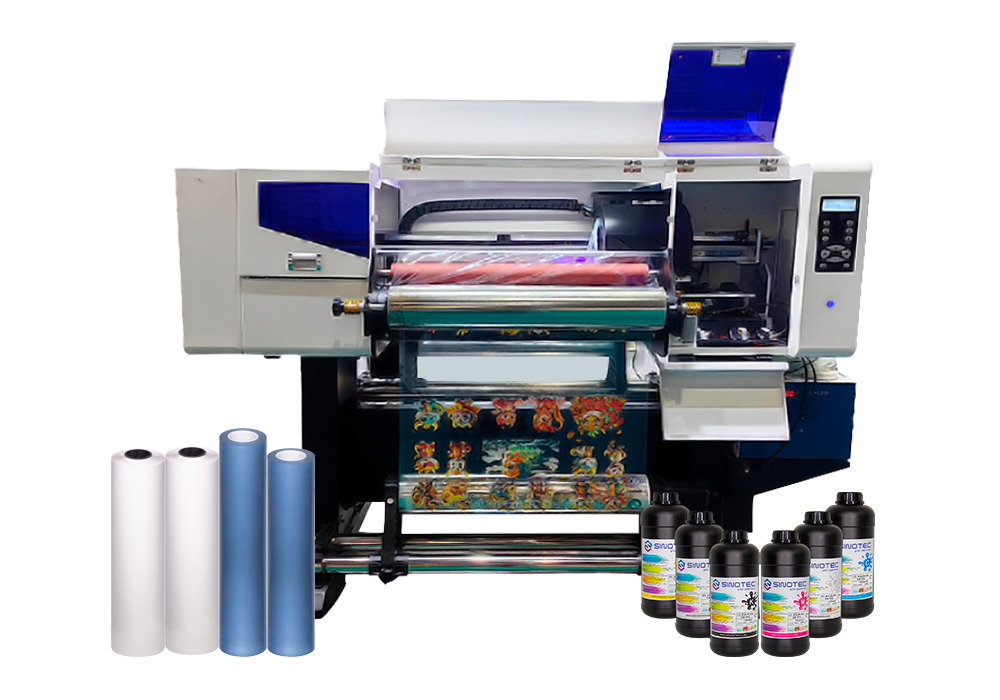
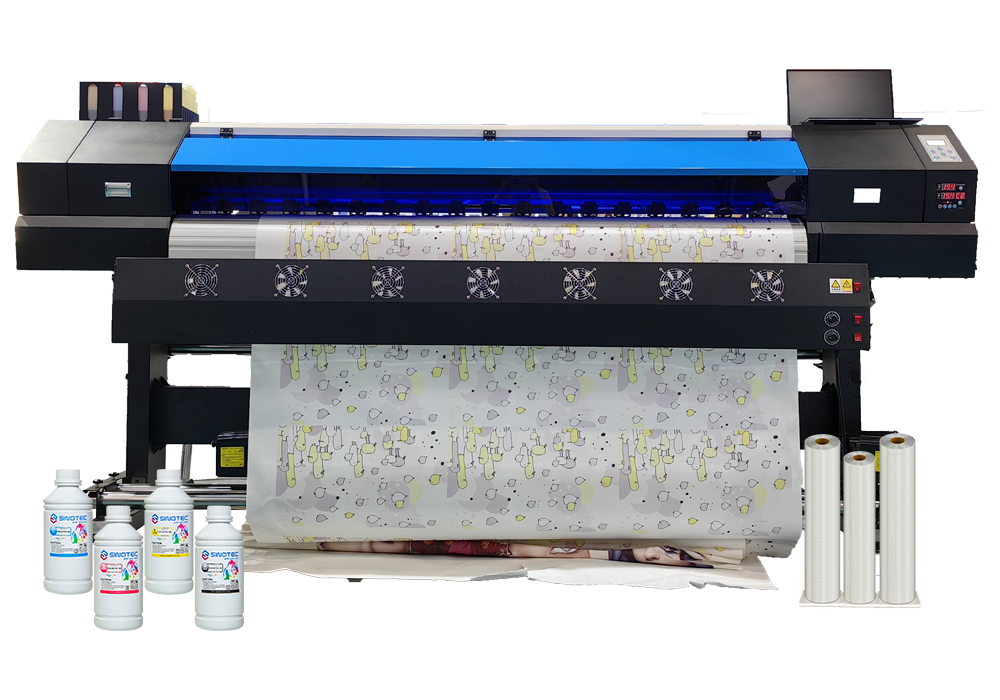



Specs on paper are cheap. Every supplier has a datasheet that looks impressive until you actually try to map it against a real production environment and realize half the numbers are best-case-scenario figures measured under lab conditions nobody operates in.
So here’s what actually matters when you’re evaluating an machine d'impression à solvant écologique for commercial ROI — and it’s not the headline resolution figure everyone leads with.
Print speed-to-quality ratio is the first real lever. A machine rated at 60 sqm/hr in “production mode” might drop to 28 sqm/hr the moment you push it to a quality tier your clients actually accept. That gap — between rated speed and usable speed — is where margins quietly disappear. Ask suppliers for output figures at draft, production, and high-quality modes separately. If they can only give you one number, that’s a red flag worth noting.
Ink consumption per square meter is the other number that procurement teams consistently underweight at the sourcing stage. Eco-solvent ink isn’t the cheapest consumable in your supply chain, and on a large eco solvent printer running banner and fleet graphics work at volume, a 15% difference in ink draw between two machines translates to a surprisingly significant annual cost delta — easily $8,000–$12,000 over a three-year run depending on throughput.
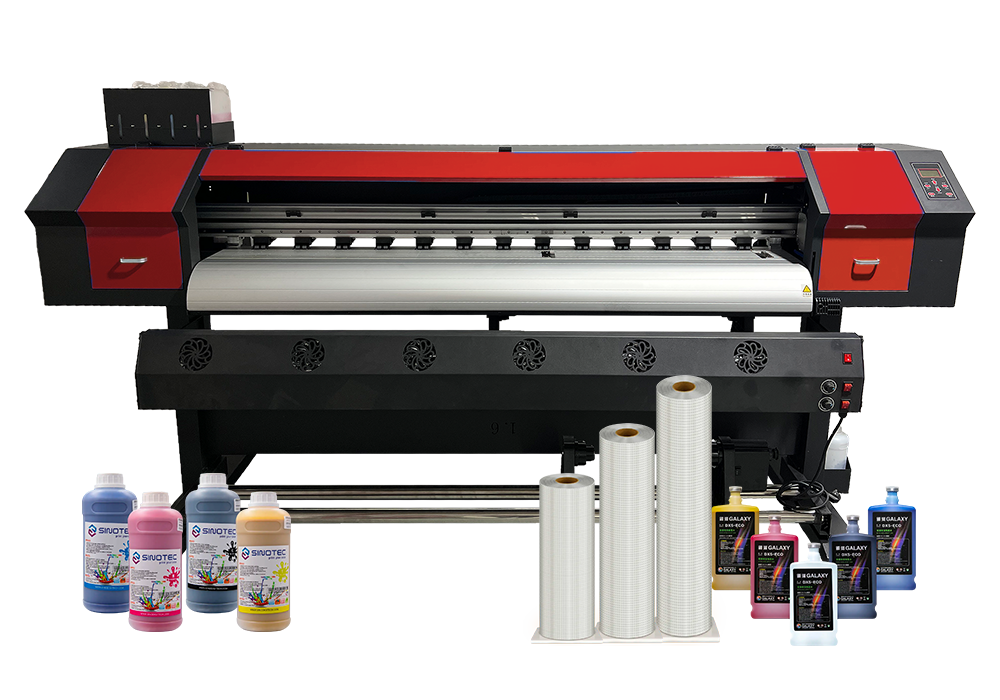
Then there’s media compatibility. Wider carriage width (1.6m vs. 1.8m vs. 2.5m+) isn’t just a size spec — it determines which substrate categories you can serve. An eco solvent digital printer that handles vinyl, toile, backlit film, and floor graphics without constant head-height recalibration keeps your setup time low and your operator frustration lower.
| Spec Category | What Buyers Usually Check | What Actually Drives ROI |
| Print Speed | Max rated sqm/hr | Usable speed at production-quality mode |
| Ink System | Number of colors | Ink consumption per sqm at working mode |
| Media Width | Max roll width | Substrate range without manual reconfiguration |
| Entretien | Warranty period | Head cleaning cycle frequency and ink waste volume |
And the maintenance angle is genuinely underrated (most buyers don’t ask about it until they’re already losing hours to it). Printhead cleaning cycles that waste 3–5ml of ink per purge, multiplied across daily operations, add up fast. Suppliers who can provide documented maintenance schedules with real consumable cost breakdowns — not just warranty language — are the ones worth having a longer conversation with.
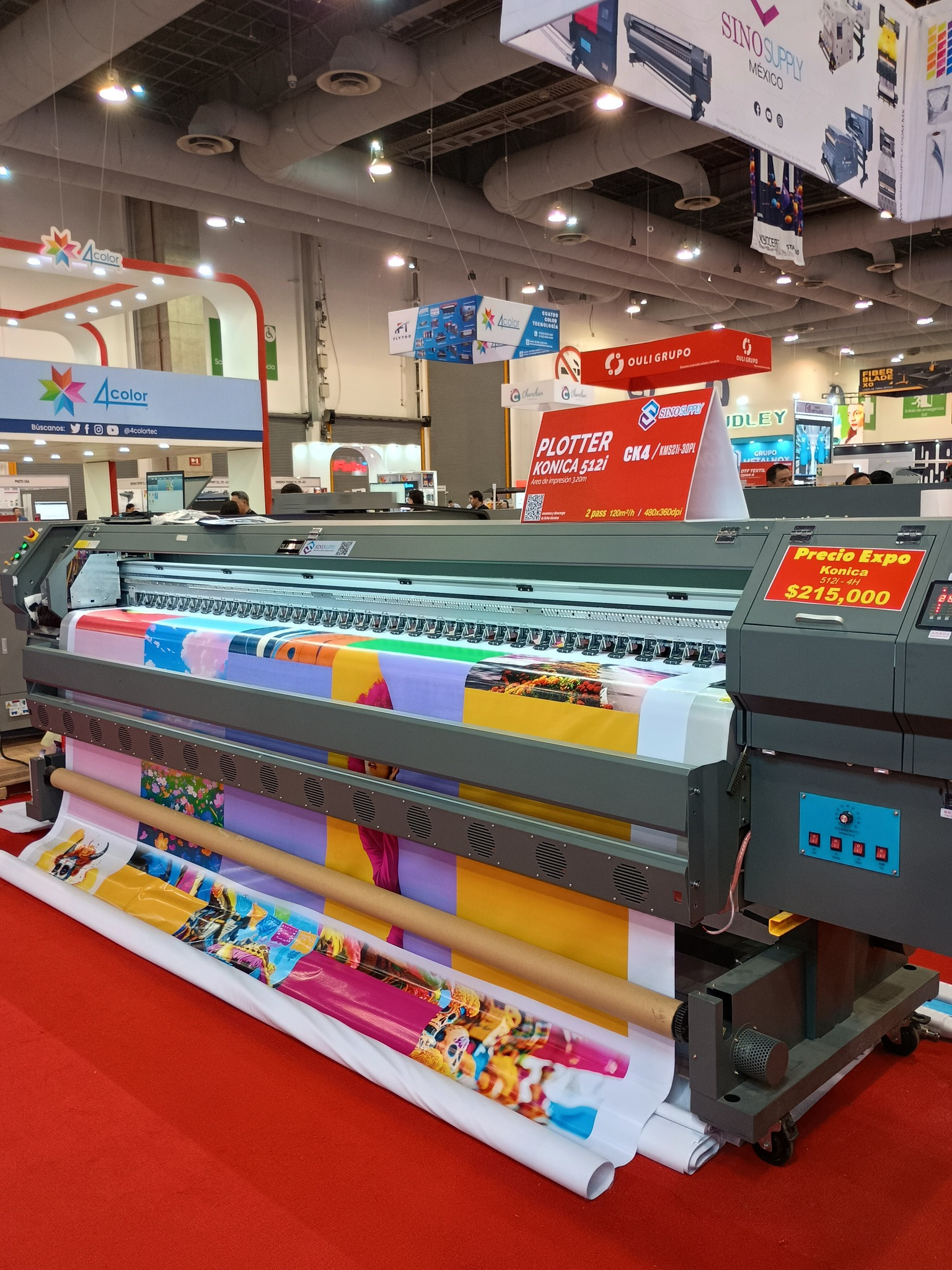
Which Eco Solvent Digital Printer Specs Translate Directly to Lower Cost-Per-Print
Spec sheets lie. Not deliberately — but a printer rated at 50 sqm/hr in “production mode” and one rated at 32 sqm/hr in “quality mode” aren’t actually that far apart once you’re running real jobs on real substrates. The number that matters isn’t peak throughput. It’s throughput at the resolution your clients actually need.
So here’s where procurement managers tend to leave money on the table: they optimize for purchase price and ignore the specs that drive ongoing cost-per-print. A large eco solvent printer with a lower sticker price but a 4-pass minimum for acceptable outdoor quality will cost you more per square meter over 18 months than a mid-range unit hitting the same output in 2 passes. The math is unflattering and it compounds fast.
The specs that actually move the needle on cost-per-print:
- Ink drop size (picoliters) — smaller drops (3–7pl variable) mean less ink wasted on coverage you don’t need
- Pass count at working resolution — fewer passes at your target DPI = more output per shift
- Printhead channel count — more channels per head reduces redundant passes on wide-format jobs
- Ink consumption rate at production mode — documented ml/sqm figures, not marketing estimates
- Drying and curing speed — a slow cure system bottlenecks your finishing line regardless of print speed
The drying spec is one buyers consistently underweight (especially on roll-to-roll setups where media piles up if the heater can’t keep pace). An eco solvent digital printer running at 35 sqm/hr with an underpowered heating array is effectively running slower than that — because your operator is waiting on the output end.
And ink system architecture matters more than color count alone. An 8-color system with poor channel isolation will still waste ink on every purge cycle. Suppliers who publish actual ml-per-purge figures — not just “low ink waste” in the brochure — are telling you something real about how the machine was engineered. SINOTEC, for example, provides documented consumable specs as part of its OEM configuration process, which makes this comparison actually possible before you commit.
Bottom line: match the spec to the job type. Not the other way around.
Large Eco Solvent Printer Configurations: Matching Print Width and Throughput to Commercial Volume
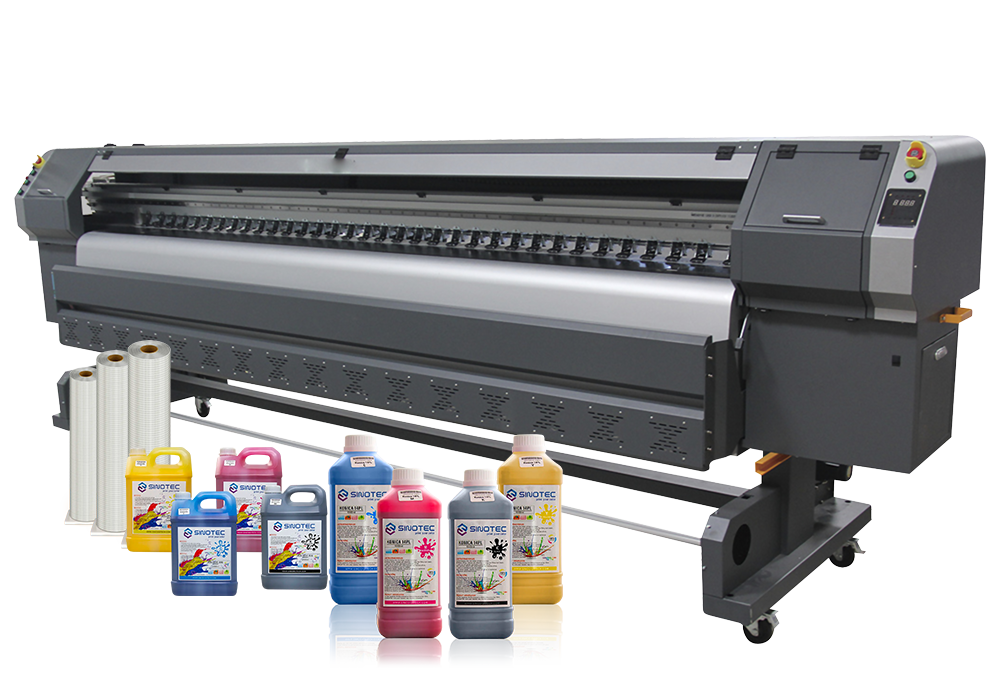
Print width is one of those specs that looks simple on paper and turns into a real operational headache if you get it wrong at the procurement stage. A large eco solvent printer running a 3.2-meter carriage might sound like future-proofing — and sometimes it is — but if your average job is 1.6-meter banner stock, you’re heating a platen twice the size you need on every single run. That’s not a minor inefficiency. That compounds.
So here’s how to think about this practically. Commercial volume breaks into three rough tiers: high-mix/low-volume shops (signalisation, event graphics, short runs), mid-volume production environments (fleet graphics, retail POS, recurring contracts), and dedicated high-throughput facilities running continuous shifts. Each tier has a different answer for optimal print width — and honestly, optimal throughput spec too.
| Operation Type | Recommended Print Width | Target Throughput | Key Configuration Priority |
| High-mix / short run | 1.6m – 1.8m | 20–35 sqm/hr | Media flexibility, fast job switching |
| Mid-volume production | 1.8m – 2.5m | 35–60 sqm/hr | Consistent output quality, ink economy |
| High-throughput / continuous | 2.5m – 3.2m | 60–100+ sqm/hr | Dual-head arrays, automated media handling |
And this is where buyer conversations with suppliers often go sideways. Procurement teams ask for the highest throughput number available — understandable — without asking what configuration produces that number. Peak throughput figures on an eco solvent digital printer spec sheet are almost always measured in draft or production mode, not in the print quality setting your actual clients will expect. Big difference. Worth asking explicitly.
Configuration matters beyond just the carriage. Dual-CMYK head layouts, tandem printing modes, and automated take-up systems are what separate a machine rated at 80 sqm/hr that actually delivers 80 sqm/hr from one that tops out at 55 under real conditions. Suppliers like SINOTEC who support OEM configuration give buyers the ability to spec these elements upfront — not retrofit them later at cost.
Fit the machine to the volume you have now, with a ceiling for where you’ll realistically be in two years. Not the theoretical maximum. That’s the procurement call that actually pays off.
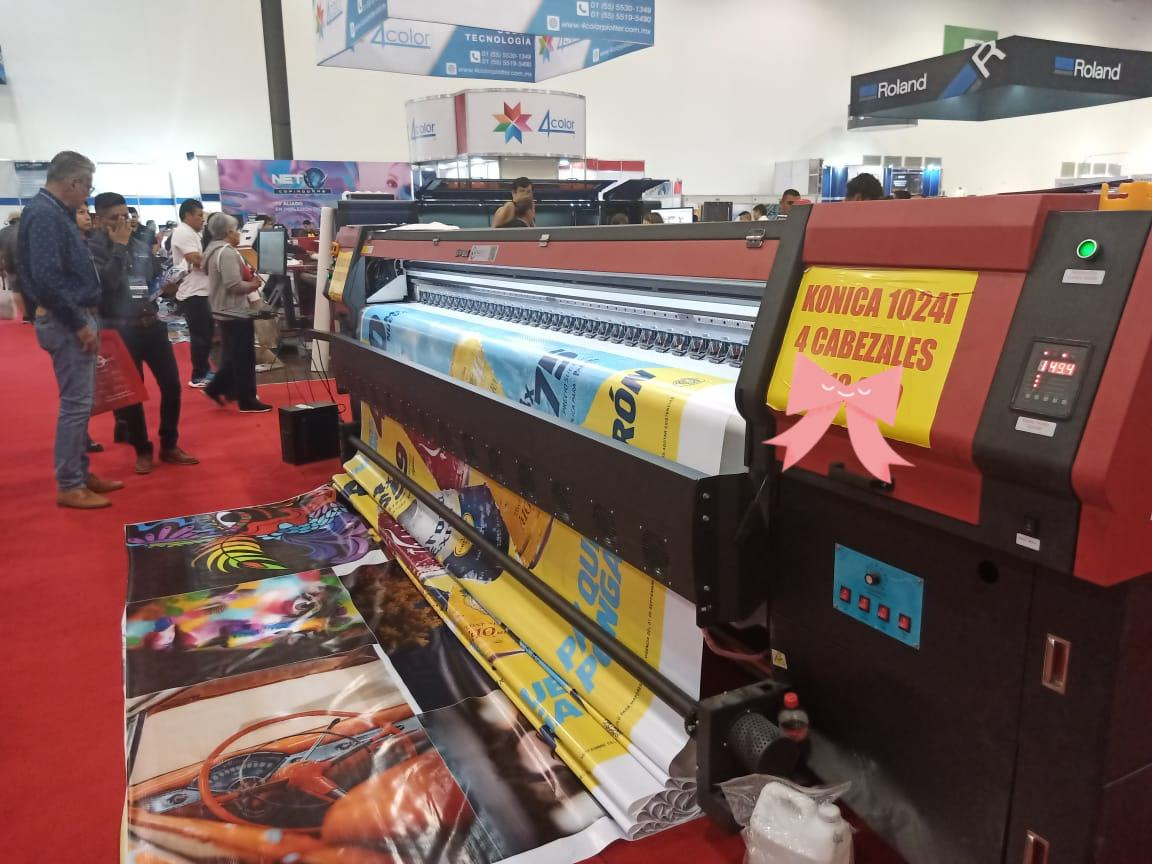
Supplier Evaluation Criteria for Eco Solvent Printing Machines: Certifications, Lead Times, and OEM Flexibility
Certifications are not a formality. For procurement managers sourcing an eco solvent printing machine across borders, they’re the first real filter — and a lot of suppliers know how to look compliant without actually being compliant.
So here’s what to actually check. CE marking matters for European import. RoHS compliance tells you the electronics aren’t going to create a disposal headache three years from now. ISO 9001 certification on the manufacturing process — not just claimed, but audited — is the baseline for any serious volume order. And if you’re buying a large eco solvent printer destined for a North American market, confirm UL or ETL electrical certification before the unit ships, not after it clears customs (that mistake costs more than the freight).
Lead times are where a lot of sourcing decisions quietly fall apart. Standard production lead times from Chinese manufacturers on an eco solvent digital printer typically run 15 à 35 working days depending on configuration complexity and order volume. But that number assumes your specs are locked, your deposit is cleared, and there’s no CNY window or peak export season involved. Ask for a production schedule in writing. Ask what happens if a printhead is backordered — Epson i3200 heads, for instance, have had supply constraints that rippled into delivery delays across the industry.
OEM flexibility is where suppliers actually separate themselves. Not every manufacturer will touch custom firmware, rebadged control panels, or spec-built ink delivery systems. Suppliers like SINOTEC operate specifically within OEM and ODM frameworks, which means buyers can negotiate configurations upfront rather than inheriting a standard build and working around its limitations.
- Minimum order quantities for OEM runs — know the threshold before you negotiate
- Sample unit availability before full production commitment
- Documentation support: CE declarations, test reports, user manuals in your market language
- After-sales terms: parts warranty period, remote tech support, and local service partner availability
Rigid. That’s what a supplier with no OEM flexibility is. And that rigidity compounds every time your client brief changes.
Conclusion
Buying an eco solvent printing machine isn’t complicated — but buying the right one absolutely is. Ink compatibility, media handling, and supplier flexibility aren’t checkbox items; they’re the difference between a machine that earns its place on your floor and one that quietly drains your margins through workarounds and downtime.
OEM flexibility matters more than most buyers realize until it’s too late.
So before you commit: push your supplier on configurations, ask for a sample unit, and get the after-sales terms in writing. The specs on a datasheet are just the starting point — what happens after the invoice is where the real story begins.
Frequently Asked Questions
Q: What is an eco solvent printing machine and how is it different from a regular solvent printer?
UN: An eco solvent printing machine uses a milder, petroleum-derived ink that produces far fewer volatile organic compounds than traditional harsh-solvent printers — so you can run it in a standard workspace without industrial ventilation. The trade-off is that eco solvent inks are slightly less aggressive on media adhesion, but for most commercial signage and vehicle wrap applications, the difference is negligible.
Q: How long does eco solvent ink actually last on outdoor prints?
UN: Unlaminated, you’re realistically looking at 2–3 years of outdoor durability before fading becomes noticeable. Add a UV-protective laminate and that figure jumps to 5+ years — which is why most professional print shops laminate anything going on a vehicle or storefront.
Q: How much does an eco solvent printing machine cost?
UN: Entry-level desktop units start around $3,000–$5,000, but a production-grade wide-format eco solvent printer — something from Roland, Mimaki, or a configurable OEM unit — will run anywhere from $12,000 à $40,000 depending on print width, speed, and ink configuration. Don’t anchor on sticker price alone; ink cost per liter and head replacement intervals are where the real margin math happens.
Q: Can I use third-party inks in an eco solvent printing machine?
UN: Technically yes, practically — it depends on the machine’s firmware and whether your supplier locks the ink system. Some OEM-configured units, particularly those sourced through suppliers like SINOTEC that offer open ink system options, give you that flexibility from the start. Going third-party on a locked system risks voiding your warranty and, worse, clogging printheads that cost $800–$2,000 to replace.
Q: Why does my eco solvent printer keep clogging printheads?
UN: Nine times out of ten it’s one of three things: the machine sat idle for too long without a maintenance flush, the ambient temperature dropped below the ink’s operating range (most eco solvent inks want 64–86°F), or there’s an ink compatibility issue. Run a nozzle check every morning before printing — it takes 90 seconds and saves you from a $1,500 head replacement.
Q: Is an eco solvent printing machine worth it for a small print shop?
UN: For a shop doing vehicle wraps, bannières, or retail POS graphics — absolutely. The output quality is strong enough for high-margin work, and you’re not dealing with the safety overhead of aggressive solvent systems. Where it gets dicey is if your volume is genuinely low; a machine sitting idle eats ink through maintenance cycles and the ROI math gets ugly fast.
Q: What media can an eco solvent printing machine print on?
UN: The range is broad — vinyl (cast and calendered), banner material, toile, coated paper, window film, and most transfer substrates. What it won’t handle is uncoated textiles or rigid boards thicker than roughly 1mm, since eco solvent is a roll-fed format. If you’re regularly printing on rigid substrates, you’d need a UV flatbed in your lineup.
Q: How do I choose between a 64-inch and a 54-inch eco solvent printing machine?
UN: Print width should follow your most common job size, not your wishful thinking about future jobs. A 64-inch machine costs more to buy, more to maintain, and wastes media if 80% of your work fits in 54 inches — but if vehicle wraps are a core service, the extra width isn’t optional, it’s essential. Map your actual order history before you spec the machine.