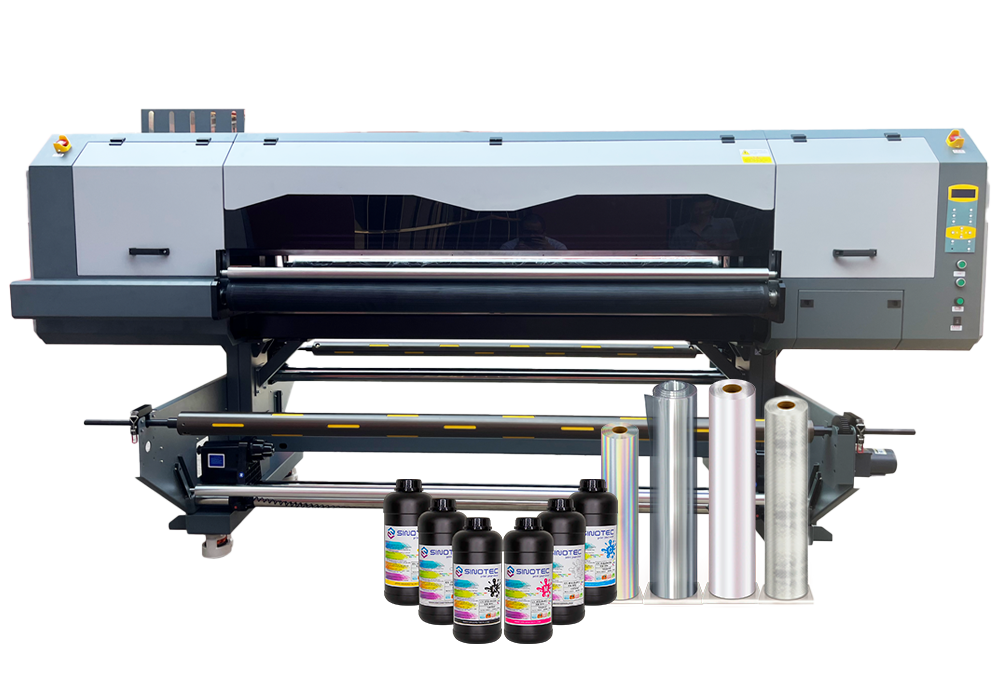
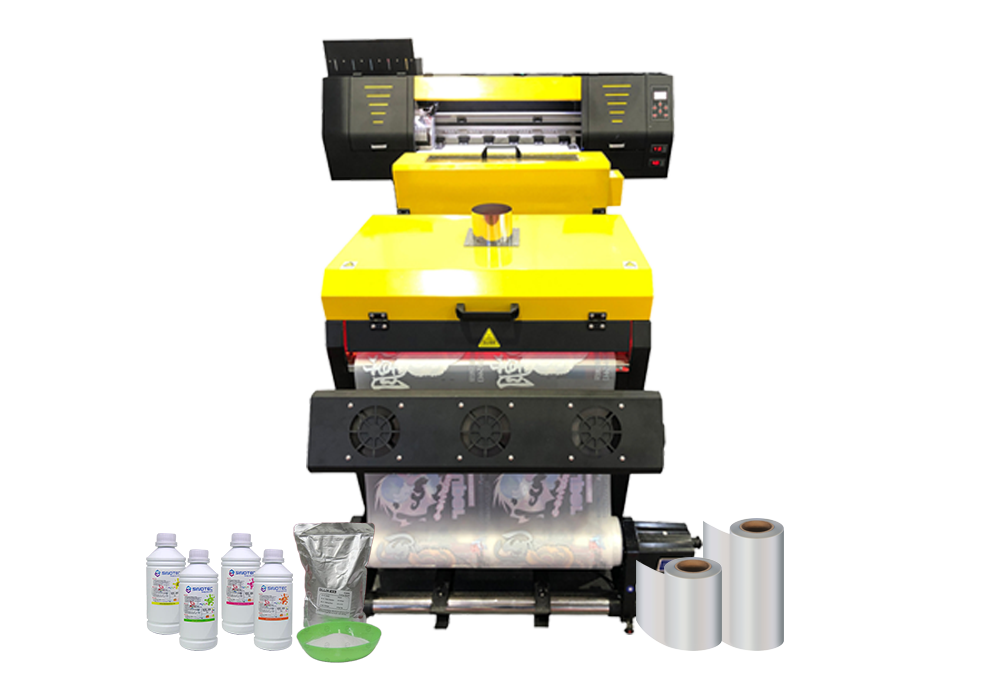
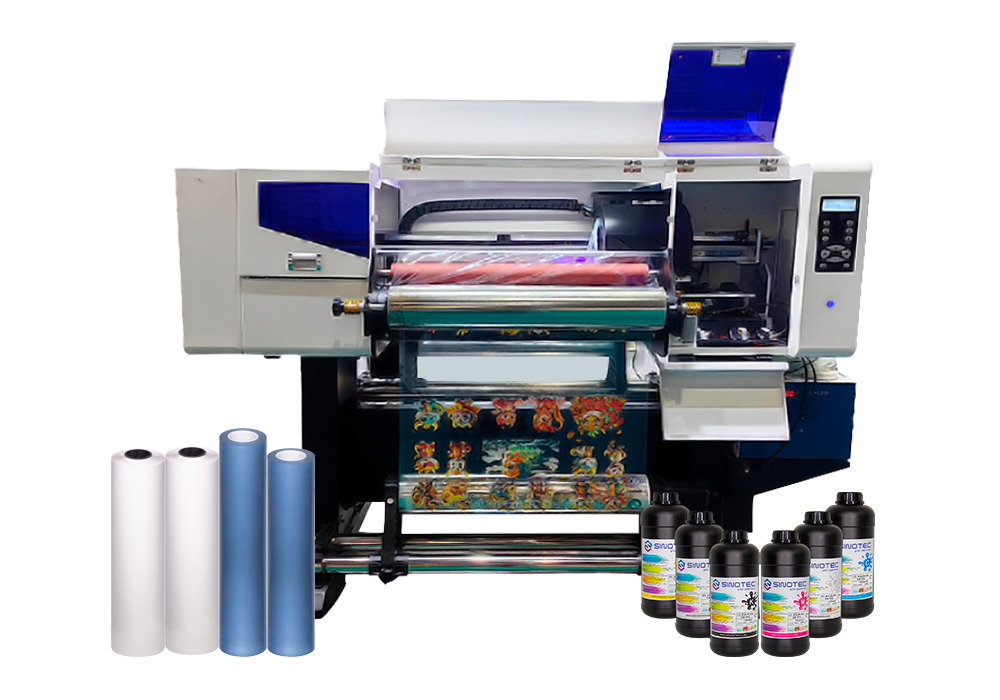
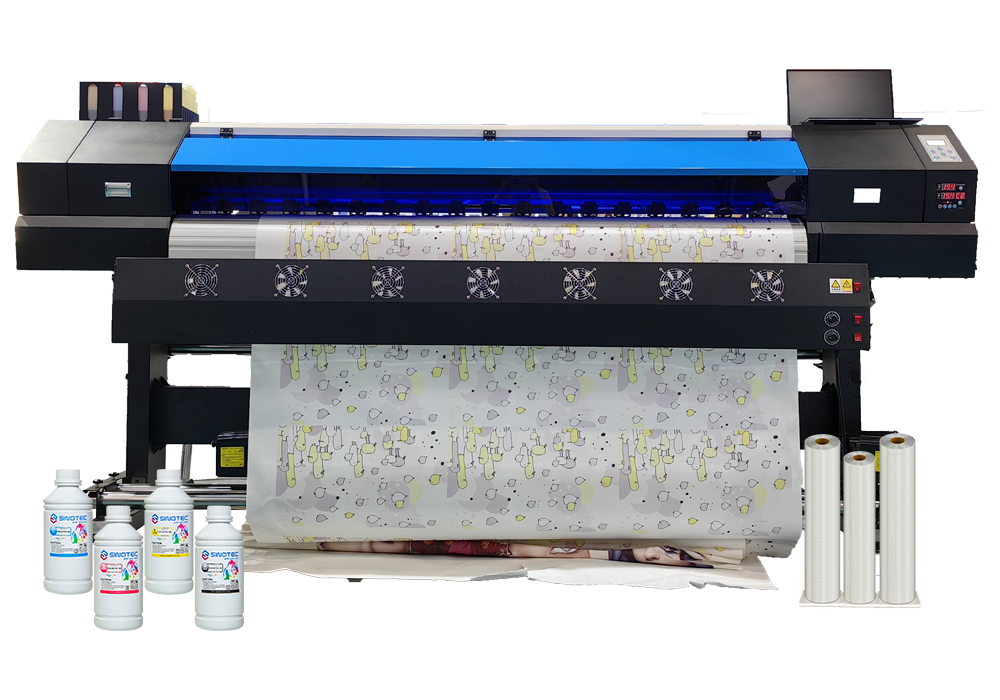



La sublimation et le DTF ne sont pas la même chose – et les confondre vous coûtera de l'argent, temps, et un tas de flans en ruine. Alors décomposons réellement ce qui se passe au sein de chaque processus, parce que la chimie compte plus que la plupart des gens ne le pensent.
UN sublimation printer works by converting solid dye into gas under heat — skipping the liquid phase entirely. Ce gaz se lie directement aux fibres de polyester (ou surfaces dures recouvertes de polymère) à environ 375-400°F, devenir partie intégrante du matériau lui-même. Pas assis dessus. À l'intérieur. C'est pourquoi les impressions par sublimation ne ressemblent à rien lorsque vous les touchez : il n'y a pas de couche d'encre qui puisse se décoller ou se fissurer.. Le piège? Cela ne fonctionne que sur les couleurs claires, substrats lourds en polyester. Coton? Oublie ça. UN 100% le t-shirt en coton vous donnera une image fantôme délavée, pas une impression vibrante.
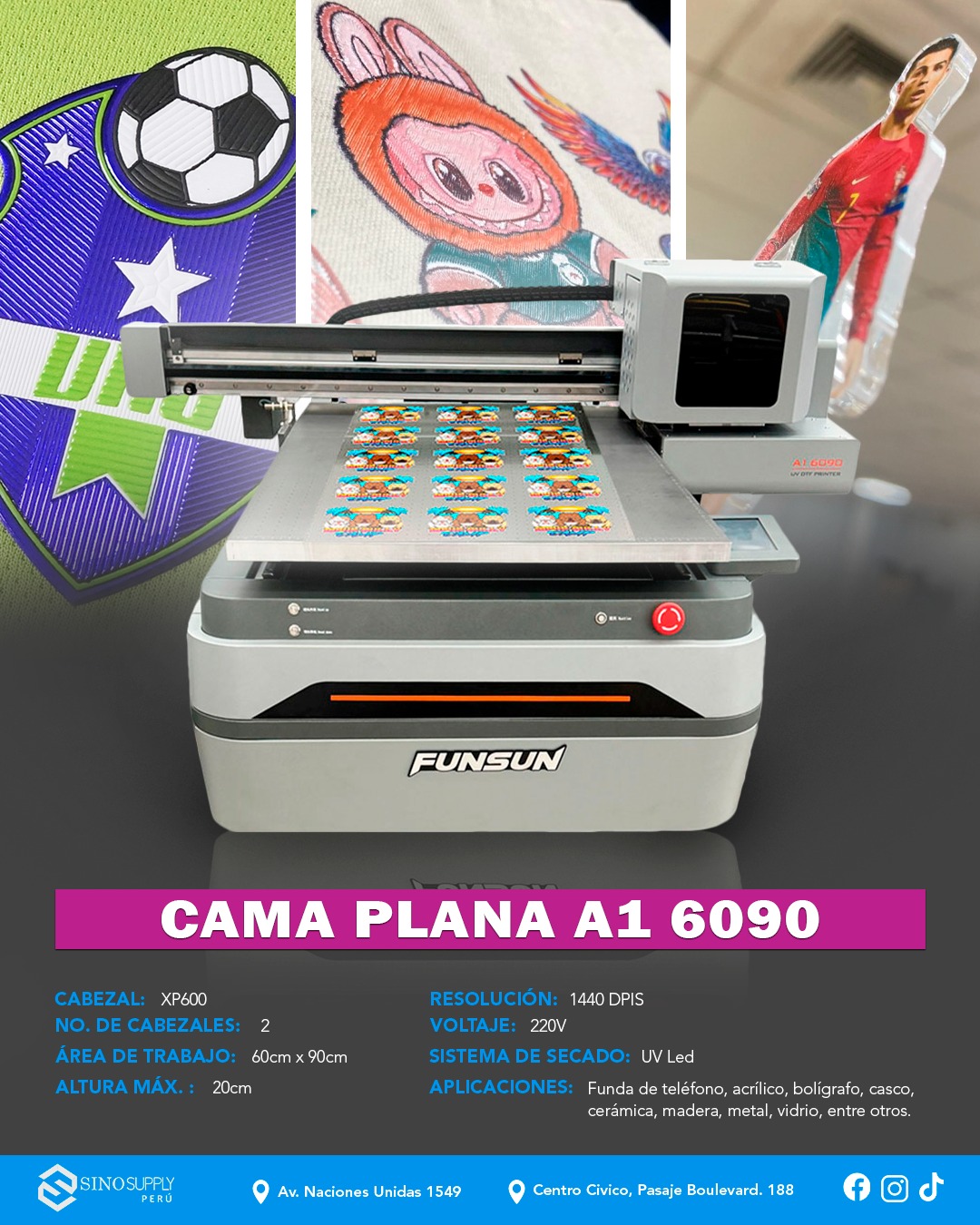
DTF – direct sur film – fonctionne complètement différemment. UN DTF garment printer deposits ink onto a special film, saupoudrez-le de poudre adhésive thermofusible, le guérit, then transfers the whole thing onto fabric using a heat press. It sticks to almost anything: cotton, mélanges, dark fabrics, textured surfaces. That flexibility is genuinely useful. But the transfer layer sits on top of the fabric, and you can feel it — some buyers love the texture, others don’t.
Here’s where it gets interesting for product diversification. The same thermal-transfer logic that drives garment printing shows up in completely different market segments. How a Phone Case Printer Vending machine operates — heating a pre-printed film onto a case shell — borrows from the same fundamental transfer mechanics. And the conversation around Phone Case Printer Vending Machine vs. traditional retail setups often comes down to exactly this: transfer quality and substrate compatibility. How Countries Embrace Phone Case Printer technology also varies wildly — markets in Southeast Asia lean toward high-volume vending kiosks, while European buyers often prioritize print durability specs. Top Spots for Profitable Phone Case printing operations tend to cluster around high foot traffic and customization demand, not just equipment cost.
For straight garment work, a sublimation t shirt printer dominates when you’re running polyester sportswear or branded merch at scale. Soft hand-feel, zero cracking, wash durability that actually holds up past 50 cycles. Suppliers like SINOTEC who handle OEM spec work for international buyers see this distinction constantly — clients ordering sublimation setups for activewear and DTF rigs for fashion blanks. Different tools. Different jobs. Neither one is universally better.
Pick the wrong process and you’re not just wasting supplies. You’re reprinting entire runs.
The Sublimation T-Shirt Printer: What It Does Well and Where It Hits a Wall
Polyester is where a sublimation t shirt printer is basically unbeatable. Full stop. The dye bonds at a molecular level with the fabric — not sitting on top of it, not cracking off after a dozen washes — and the result is a print that genuinely outlasts the shirt itself in most cases. Sportswear brands, team kits, branded activewear runs: this is the machine’s home territory, and it owns it.
But here’s the wall, and it’s a hard one. Natural fibers. Coton, linen, bamboo blends — sublimation dye has almost nothing to bond with on those materials, so the color either fades fast or never saturates properly to begin with. A DTF garment printer sidesteps that problem entirely by applying a film transfer that sticks regardless of fiber content, which is exactly why fashion-forward buyers running cotton streetwear blanks keep landing on DTF setups instead. Different chemistry. Different use case.
The substrate limitation trips up a lot of first-time buyers who see the print quality on a polyester sample and assume it’ll translate to everything in their catalog. It won’t. (This is also why understanding your actual product mix before buying any equipment matters more than any spec sheet comparison.)
There are also considerations beyond the garment itself. How a Phone Case Printer Vending operation handles substrate diversity is actually a useful comparison point here — those machines are engineered around a fixed substrate, which is why they work so cleanly. A sublimation printer runs best when you’ve similarly locked down your material choices. Versatility isn’t really the pitch. Consistency is.
- Polyester and poly-blend fabrics: excellent color saturation, wash durability past 50+ cycles
- Cotton and natural fibers: poor dye bonding, not recommended without a polymer coating pre-treatment
- Hard substrates (tasses, panels, cases): works well with the right heat press setup
- White or very light base colors required — sublimation can’t print on dark fabric effectively
So the honest summary is this: a sublimation printer is a precision tool, not a catch-all. Know your substrate. Know your volume. Buy accordingly.
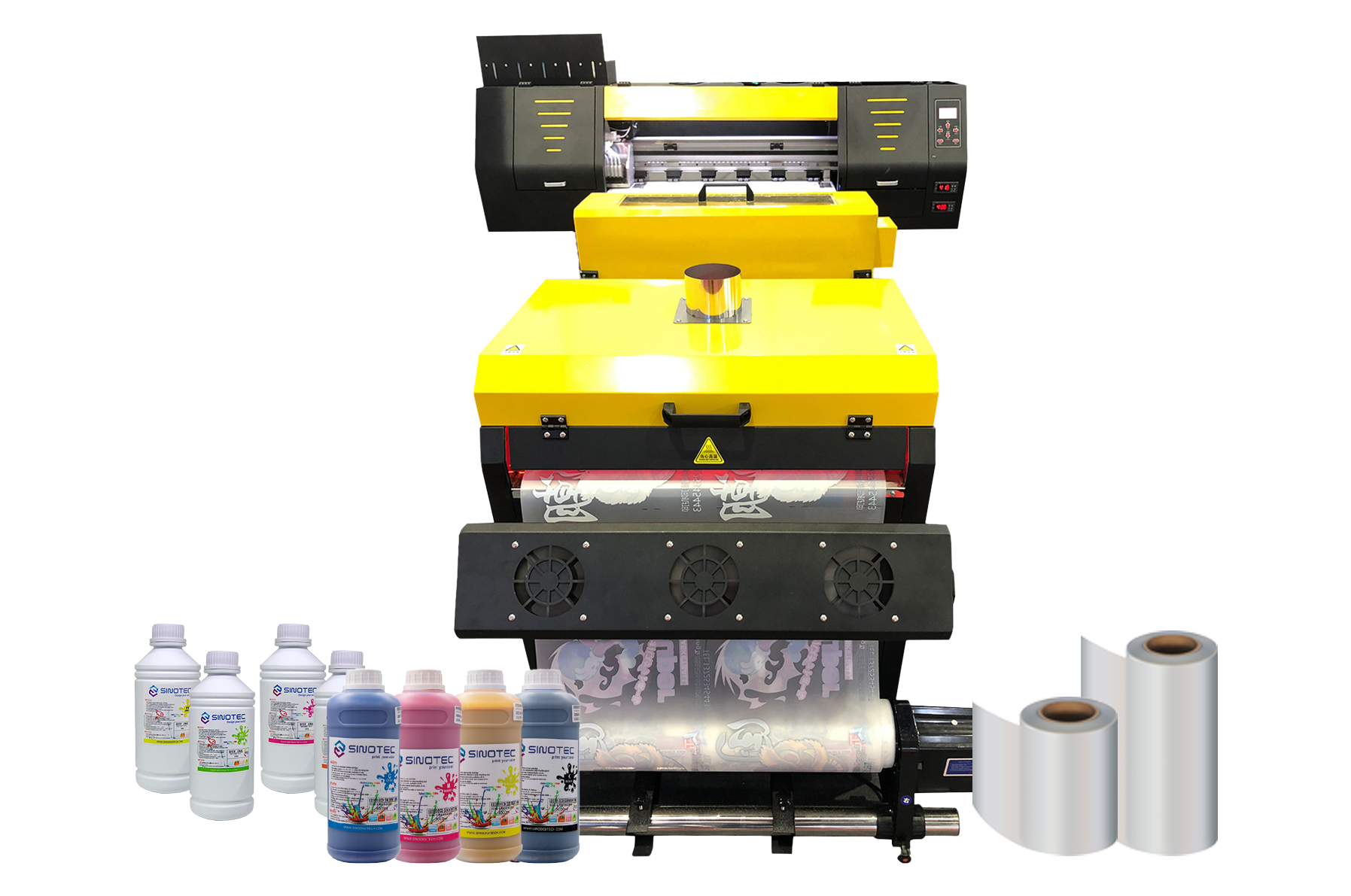
The DTF Garment Printer: Broader Fabric Range, Different Trade-Offs
DTF — direct-to-film — solves the problem that sublimation simply can’t. Dark fabrics. Coton. Textured blends. All the stuff that sends a sublimation t shirt printer sideways is basically fair game for DTF, because the process works differently at a fundamental level: ink gets printed onto a release film, a hot-melt adhesive powder gets applied, the film cures, and then the whole transfer gets heat-pressed onto the garment. No dye migration. No substrate dependency. Just ink sitting on top of the fabric, bonded through adhesive.
That’s genuinely useful. But it comes with trade-offs that buyers routinely underestimate.
The feel is different — a DTF transfer has a slight hand to it, a texture you can run your finger across. On a premium cotton tee it’s usually fine. On athletic polyester that needs to breathe and flex? It can feel restrictive, especially on larger prints. And wash durability, while solid in the 30–40 cycle range for quality transfers, doesn’t quite match what a good sublimation setup delivers on poly fabric. The dye-bonded-into-fiber result of sublimation just ages more gracefully on the right substrate.
So what’s the DTF garment printer actually good for? Honestly, short runs on mixed fabrics. Custom one-offs. Shops that can’t afford to tell customers “sorry, we only do light-colored polyester.” The flexibility is the product.
There’s also a cost-per-print reality worth flagging (especially for anyone running volume). DTF film, powder, and ink together add up faster than sublimation consumables at scale. For a high-output operation printing hundreds of identical polyester jerseys, sublimation wins on economics. For a shop doing 10-unit mixed orders every week, DTF makes more sense operationally.
- Works on cotton, dark fabrics, and blended materials — sublimation cannot
- Slight surface texture on finished prints; more noticeable on stretch fabrics
- Wash durability: strong, but typically trails sublimation-on-poly over 50+ cycles
- Higher consumable cost per print at volume
- No base color restriction — dark garments are fine
And for context: suppliers like SINOTEC who handle commercial-grade digital print equipment see both technologies move steadily — which tells you neither has “won.” They serve different buyers with different constraints.
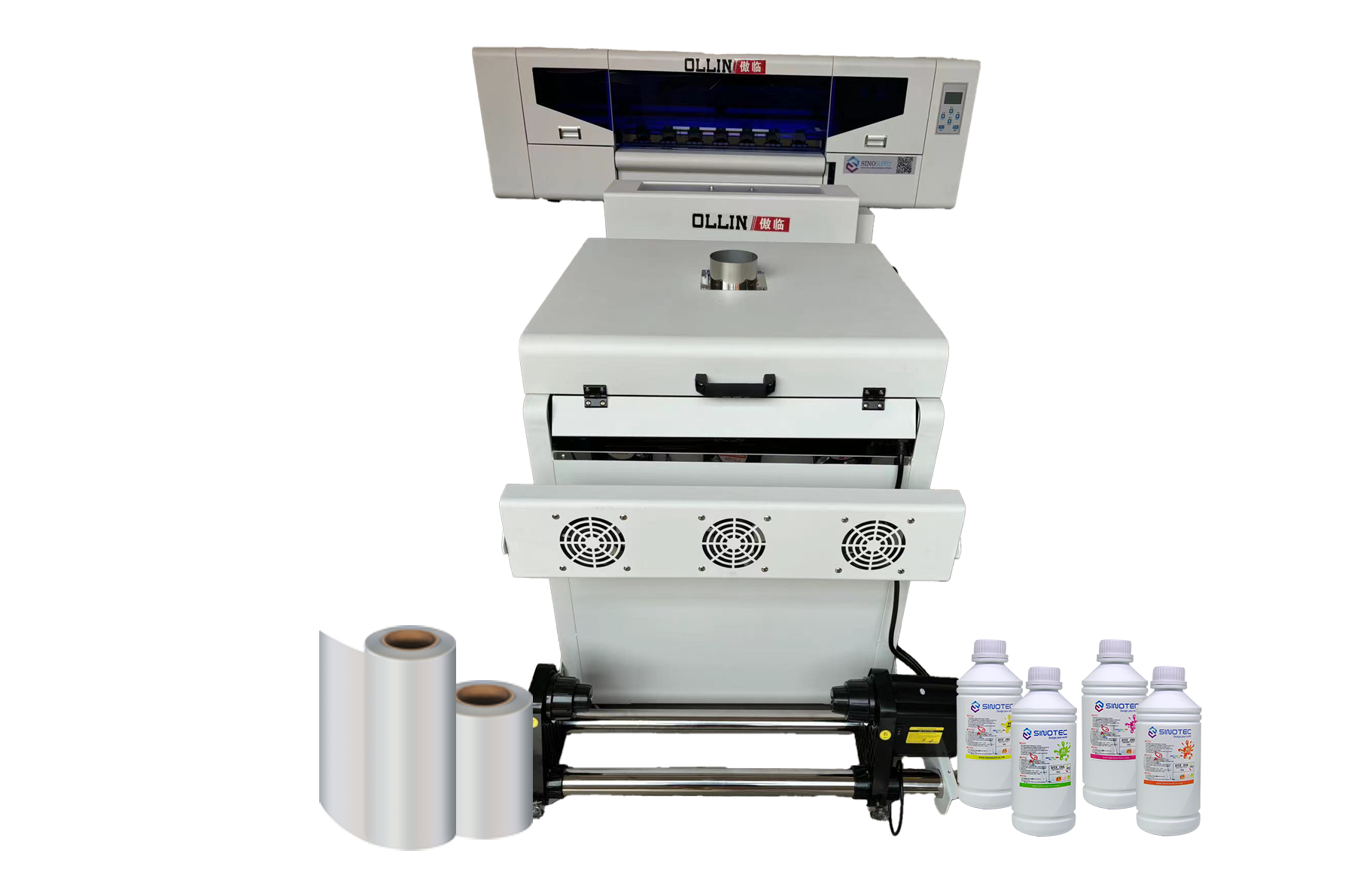
Sublimation Printer vs. Imprimante DTF: Matching the Right Technology to Your Production Goals
OK so here’s the honest framing nobody gives you upfront: choosing between a sublimation printer and a DTF garment printer is less about which technology is “better” and almost entirely about what your order book actually looks like week to week.
Production volume changes everything. A sublimation t shirt printer running polyester blanks at scale — think 200+ units of the same design — delivers cost-per-print economics that DTF simply can’t touch at that quantity. The ink bonds into the fiber itself, so there’s no film layer, no texture, no peel risk after 60 wash cycles. But drop that same sublimation setup in front of a cotton tee or a dark-colored garment, and you’ve got a problem. It just doesn’t work.
Not a workaround problem. A physics problem.
DTF flips the constraint. It handles cotton, darks, blends — materials that sublimation ignores entirely — which is why retail customization shops tend to lean toward it. The tradeoff is consumable cost at volume and a slight surface texture that’s noticeable on stretch fabrics (athletes notice it; casual buyers usually don’t). So the math only tips toward DTF when your orders are mixed, short-run, or fabric-diverse.
And this is where it gets interesting for anyone thinking beyond garments. The same decision logic applies to adjacent markets — how a phone case printer vending setup gets specified, for instance, or how phone case printer vending machine vs. traditional retail kiosk models get evaluated by operators. Sublimation dominates phone case printing because the substrates are polymer-coated and the output is flawless. Understanding how countries embrace phone case printer deployments in high-traffic retail shows the same pattern: sublimation where the substrate cooperates, UV or DTF where it doesn’t.
Top spots for profitable phone case customization — airports, malls, tourist districts — almost universally run sublimation-based equipment. That’s not coincidence.
| Factor | Imprimante à sublimation | DTF Garment Printer |
| Fabric compatibility | Polyester, polymer-coated only | Coton, mélanges, dark fabrics |
| Best order size | High-volume, uniform runs | Short-run, mixed orders |
| Wash durability | Excellent (50+ cycles) | Strong, slightly lower |
| Consumable cost at volume | Lower | Higher |
| Surface feel | No texture — ink is in the fiber | Slight film texture |
Conclusion
The substrate question settles everything. If your production runs polyester blanks or polymer-coated cases at any real volume, a sublimation printer earns its place fast — lower consumable costs, zero surface texture, and wash durability that holds up past 50 cycles. That’s a hard combination to beat.
Cotton-heavy catalog? Mixed short runs? Go DTF and don’t look back.
But if your substrate list cooperates, don’t overthink it. The high-traffic retail spots running sublimation equipment aren’t doing it by accident — they’re doing it because the math works, the output is clean, and the repeat order economics make sense at scale.
Frequently Asked Questions
Q: What is a sublimation printer and how does it actually work?
UN: A sublimation printer uses heat to convert solid dye into gas — skipping the liquid phase entirely — which then bonds directly into the surface of a polymer-coated or polyester substrate. The result is ink that’s technically inside the material, not sitting on top of it, which is why the surface feels completely smooth and the color doesn’t crack or peel.
Q: What materials can a sublimation printer print on?
UN: Polyester fabric and polymer-coated hard substrates are your lanes — think mugs with a polymer coating, phone cases, aluminum panels, and polyester jerseys. Cotton won’t work; the dye has nothing to bond to and you’ll get a faded, washed-out result that looks terrible after one cycle in the wash. Stick to substrates with at least 65% polyester content for fabric, and look for “sublimation ready” labeling on hard goods.
Q: How much does a sublimation printer cost?
UN: Entry-level desktop units — like the Epson EcoTank converted setups or the Sawgrass Virtuoso SG500 — run between $300 et $600. Wide-format production sublimation printers (think 44-inch roll-fed machines from Epson or Mimaki) jump to $3,000–$15,000+ depending on throughput. For commercial buyers sourcing OEM-configured units through suppliers like SINOTEC, per-unit pricing on bulk orders can shift the economics significantly compared to retail channels.
Q: Why does my sublimation printer produce faded or dull colors?
UN: Nine times out of ten it’s a temperature or time issue at the heat press — sublimation needs 375–400°F for most substrates, and even 10 degrees low will kill your vibrancy. Wrong substrate is the other culprit; if the material isn’t polyester or polymer-coated, the dye has nowhere to bond and the color just sits on the surface weakly before fading. Also check your ICC color profiles — printing without the right profile for your specific paper and ink combination will throw off your output every time.
Q: How long do sublimation prints actually last?
UN: On polyester garments, a properly done sublimation print holds up well past 50 wash cycles without noticeable fading — that’s one of its biggest advantages over screen printing at volume. Hard substrate prints (tasses, panels) are essentially permanent under normal use. UV exposure is the real enemy outdoors, so for signage or outdoor apparel, factor in a UV-protective laminate or coating.
Q: Can I use a regular inkjet printer for sublimation?
UN: Some Epson EcoTank models (the ET-2800 series, for example) can be converted using third-party sublimation ink — but you’re voiding your warranty and the results vary enough that it’s not a reliable production setup. A purpose-built sublimation printer uses printheads and ink delivery systems calibrated for sublimation dye, which means more consistent output and fewer clogging headaches. For anything beyond hobby-level runs, the converted inkjet route gets expensive in wasted transfers fast.
Q: Is a sublimation printer worth it for small businesses?
UN: If your product catalog is polyester-heavy — custom sportswear, branded merchandise, personalized home goods — the consumable cost per print is low enough that a sublimation printer pays for itself quicker than most people expect. The math gets harder if you’re running mixed-substrate orders with a lot of cotton, because you’ll need a second printing solution anyway. Honestly, the businesses that struggle with sublimation ROI are usually the ones who bought the printer before locking down a consistent substrate lineup.
Q: How do I stop my sublimation prints from ghosting?
UN: Ghosting happens when the transfer paper shifts slightly during or after pressing — even a millimeter of movement while the substrate is still hot creates a blurry double-image effect. Use heat-resistant tape to anchor all four corners of the transfer before pressing, and don’t peel the paper until the substrate has cooled enough that the dye is fully set. A quality heat press with even platen pressure helps too; uneven pressure is a ghosting accelerator that people underestimate.