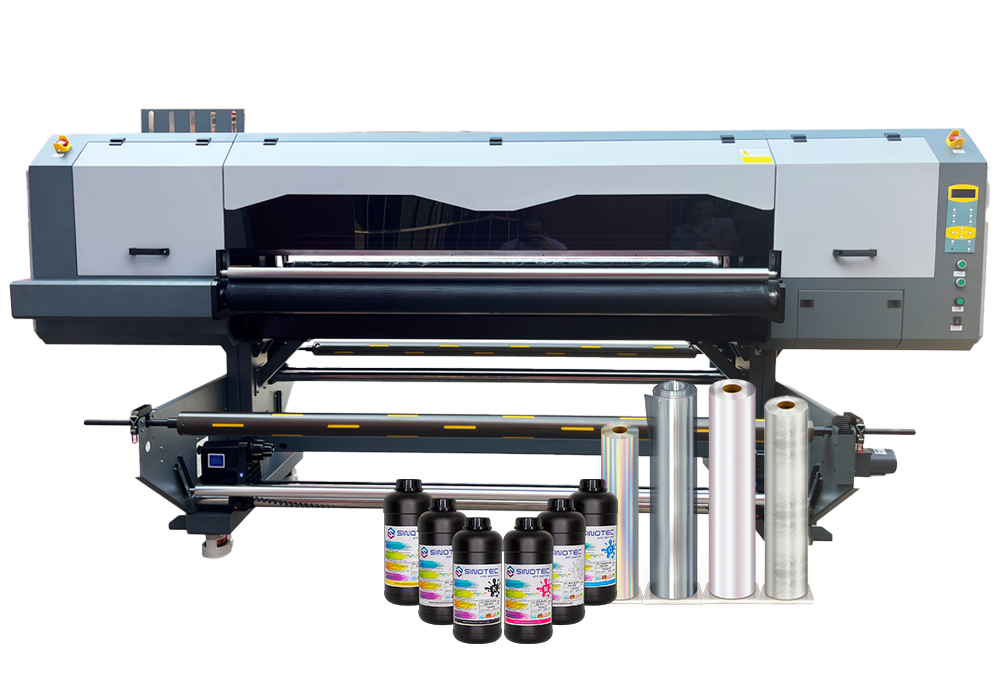
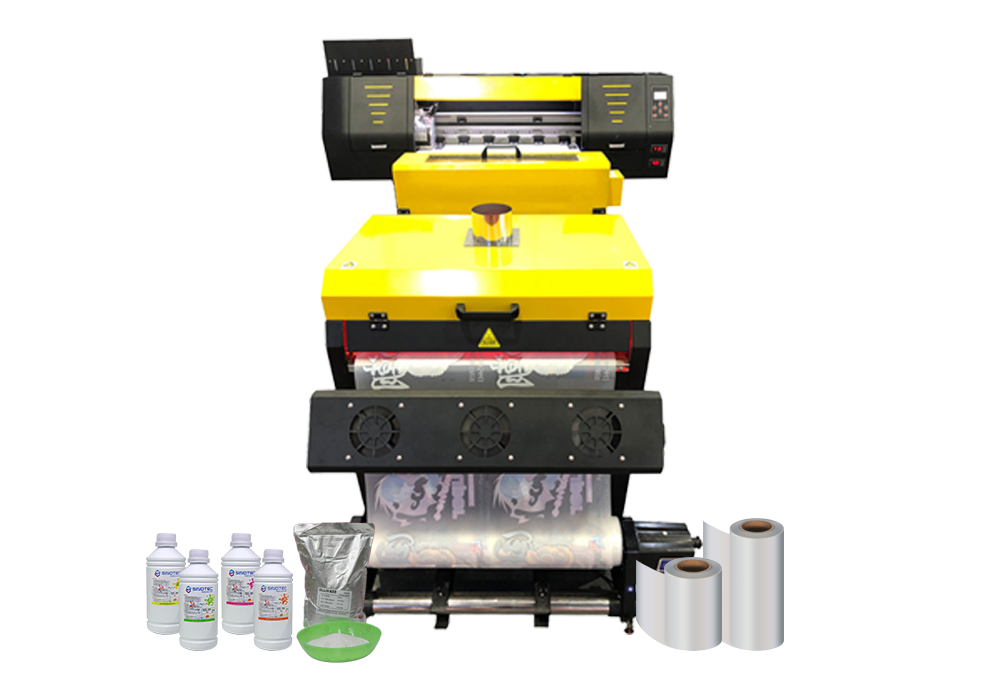
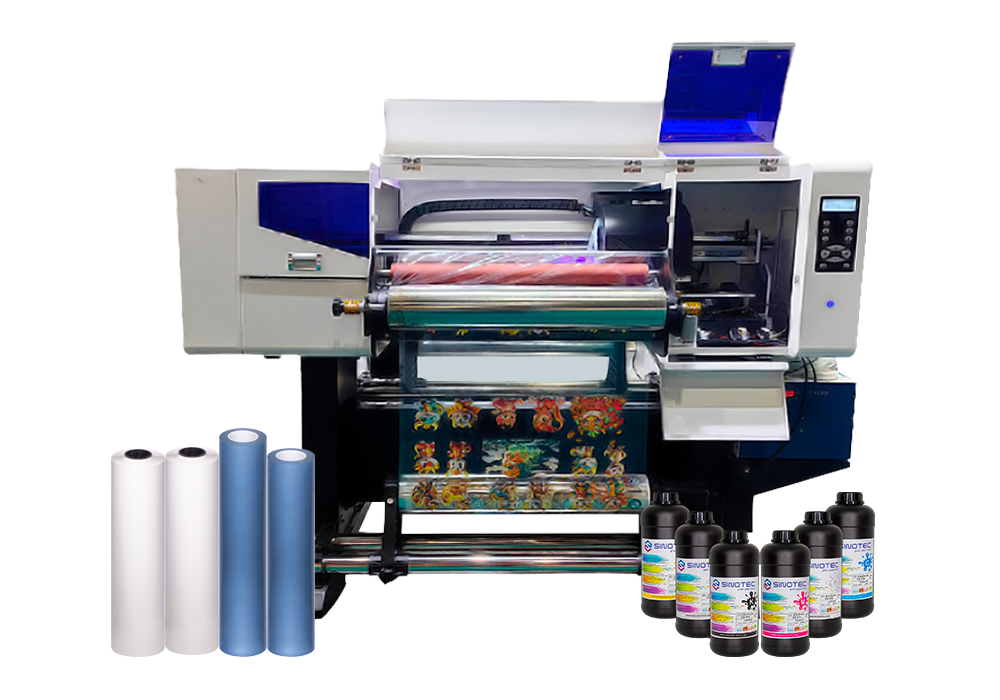
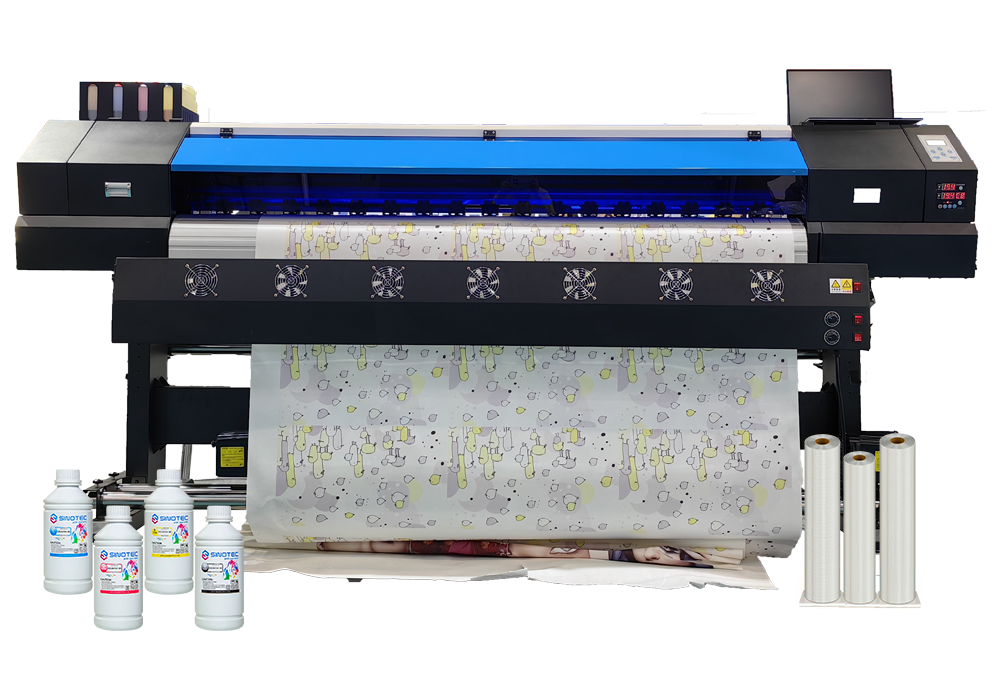



Wide Format UV Printer Capacity Upgrades: What Procurement Teams Actually Need to Evaluate
Capacity planning for a wide format UV printer purchase isn’t just a question of print width or ink volume — it’s a procurement decision that touches lead times, supplier reliability, and long-term operational costs in ways that don’t always surface during an initial vendor conversation. Getting this wrong means either over-specifying equipment that sits underutilized, or locking into a throughput ceiling that becomes a bottleneck within eighteen months.
The first thing to pressure-test is actual production throughput, not the headline speed figure. Manufacturers will quote peak output under ideal conditions. What procurement teams need is the sustained hourly output across a standard production shift — factoring in media changeovers, curing cycles, and any mandatory maintenance intervals. A UV large format printer rated at impressive speeds on paper may perform quite differently under continuous commercial load.
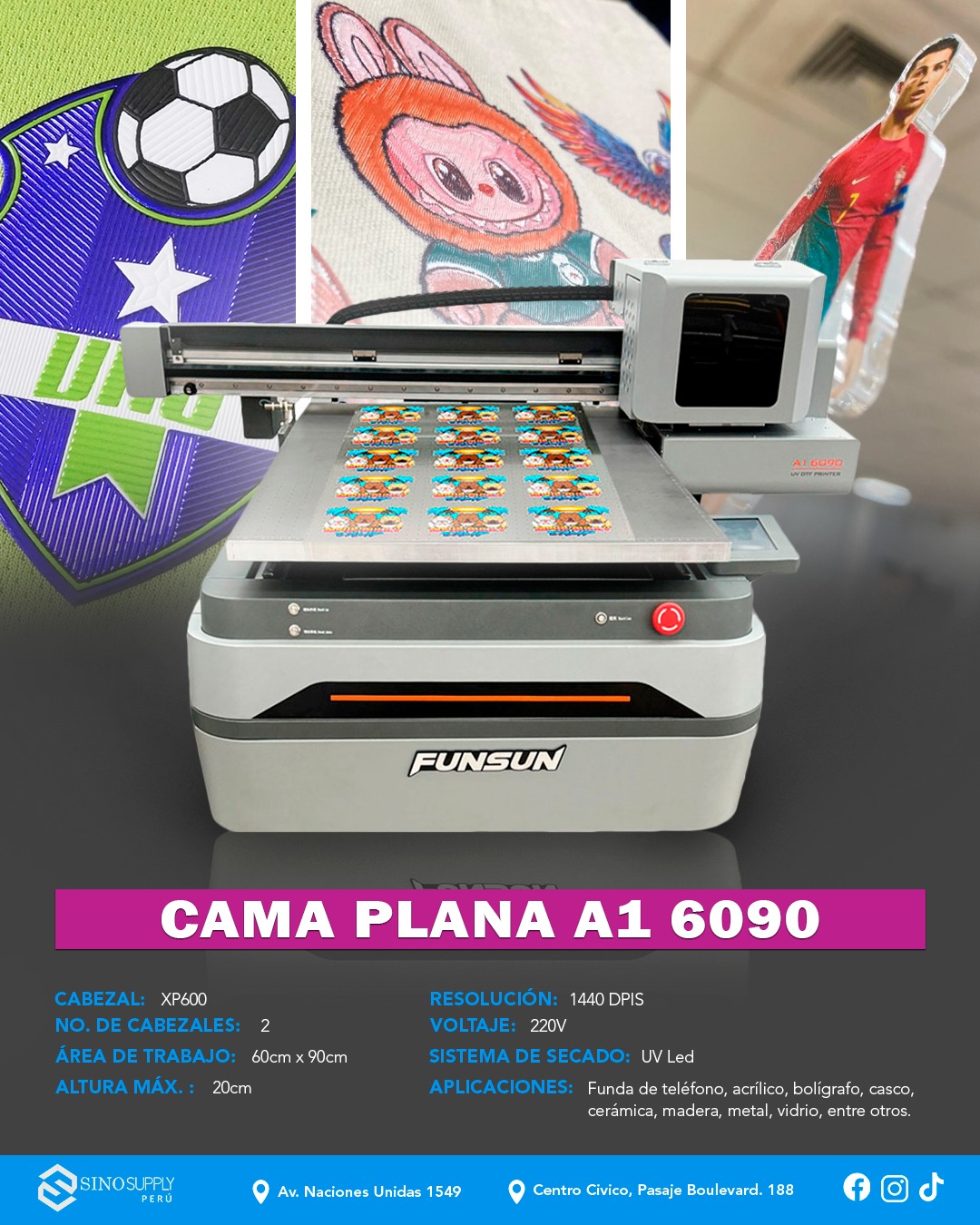
Bed configuration matters more than most buyers initially expect. Cama plana, rollo a rollo, and hybrid configurations each carry different capacity implications depending on substrate mix. A facility running a high volume of rigid substrates needs different specs than one primarily handling flexible media — and a machine that handles both without constant reconfiguration is genuinely rare at the mid-market price point.
For buyers sourcing at scale, a few evaluation criteria tend to separate capable suppliers from ones who will cause headaches at volume:
- Confirmed production lead times for standard and custom configurations, not just catalog stock
- Minimum order quantities for consumables — ink systems, cabezales de impresión, and UV lamps — and whether those MOQs are realistic for the buyer’s replenishment cycle
- Certifications relevant to the target market (CE, FCC, RoHS as applicable) and whether documentation is available pre-shipment
- Factory QC protocols and whether third-party inspection is accommodated
- After-sales technical support structure, particularly for buyers operating across time zones
Suppliers like SINOTEC — oriented around export fulfillment and OEM/ODM coordination — tend to handle these conversations more directly than generalist distributors, simply because international B2B buyers have trained them to. A high speed UV printer inquiry handled by a supplier with structured project coordination will move from spec confirmation to order fulfillment faster, with fewer surprises on documentation or compliance.
The capacity question, ultimately, is inseparable from the supplier question. Equipment specs are only as reliable as the organization behind them.
How UV Large Format Printer Speed Ratings Translate to Real Production Output
Speed ratings on a UV large format printer spec sheet are marketing shorthand — and procurement teams that take them at face value tend to build production schedules that fall apart under real operating conditions. The number quoted is almost always a peak figure: maximum pass speed, minimum print quality, ideal substrate, no color management overhead. Strip those conditions away and the actual throughput can differ significantly.
The more useful metric is mode-specific output — what the machine produces per hour in the print quality tier your jobs actually require. A high speed UV printer running at production-grade quality (not draft mode) on a coated rigid substrate will deliver a meaningfully different figure than the headline spec. Buyers sourcing equipment for commercial signage, mostrar gráficos, or industrial marking applications need that mode-specific number, not the ceiling figure.
A few variables consistently widen the gap between rated speed and real output:
- Substrate loading and unloading time, which adds non-printing downtime per job cycle
- Ink curing dwell requirements at higher coverage densities
- Head pass count in high-resolution modes — more passes per square meter, lower effective throughput
- Color profile processing and RIP software latency, particularly on complex files
- Maintenance intervals — automatic head cleaning cycles that interrupt production runs
For procurement purposes, the practical benchmark is jobs-per-shift rather than square meters per hour. A UV large format printer rated at a high peak speed but configured for a demanding application mix — white ink layers, spot varnish, multi-pass resolution — will produce fewer finished pieces per shift than the spec implies. Knowing that before committing to equipment or setting client SLAs is the difference between a sound procurement decision and a capacity shortfall six months into operations.
Suppliers with structured OEM and export experience — the kind that field detailed technical inquiries from international buyers — tend to be more forthcoming about mode-specific performance data. That transparency is a practical selection signal: a supplier who can discuss real production output, not just headline specs, is one who understands how the equipment actually gets used.
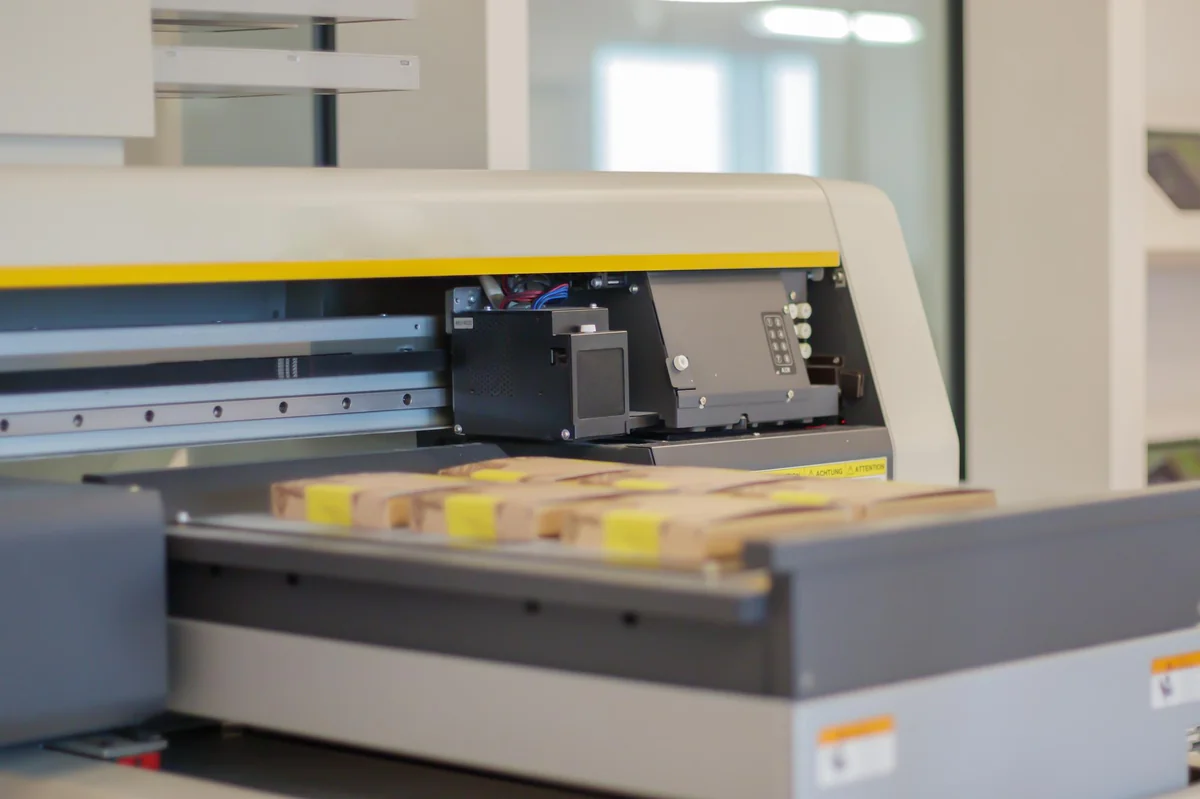
Substrate Loading, Media Handling, and the Bottlenecks That Kill Throughput
Speed ratings become meaningless the moment media handling breaks down. A wide format UV printer can have a best-in-class print engine and still bottleneck an entire production floor if the substrate loading system can’t keep pace — and this is where procurement teams consistently underestimate operational impact.
Substrate variety is the first pressure point. Commercial UV applications routinely move between rigid boards, flexible films, textiles, and corrugated panels within a single shift. Every material change introduces a setup window: vacuum table adjustment, feed roller reconfiguration, edge detection recalibration. On machines with manual or semi-automated handling, that window can stretch to fifteen minutes or more per changeover. Multiply that across a day’s job queue and the throughput loss is significant — not because the print engine is slow, but because the machine spends too much time not printing.
Flatbed and roll-to-roll configurations handle this differently, and hybrid designs — which support both modes — carry their own complexity. The mechanical transitions between modes on a hybrid UV large format printer require careful alignment procedures that some operators underestimate during initial deployment. Suppliers who provide detailed changeover documentation and remote support protocols matter here; the hardware decision and the service structure are inseparable.
- Vacuum zone segmentation: finer control across the flatbed surface reduces substrate slippage on lightweight or irregular materials without manual intervention
- Automated media edge detection: cuts setup time on mixed-size runs and reduces operator-dependent calibration errors
- Roll feed tension management: critical on flexible substrates where inconsistent tension causes banding or registration drift mid-job
- Feeder queue depth: machines that support pre-loaded media staging maintain print continuity between jobs rather than stopping for manual reloads
A high speed UV printer with weak substrate handling infrastructure will consistently underperform against a moderately rated machine with well-engineered media logistics. Procurement teams evaluating throughput commitments should request production data from supplier demonstration runs using the buyer’s actual substrate mix — not generic test media — before finalizing specifications. That condition alone filters out a significant portion of inflated throughput claims before they become operational problems.
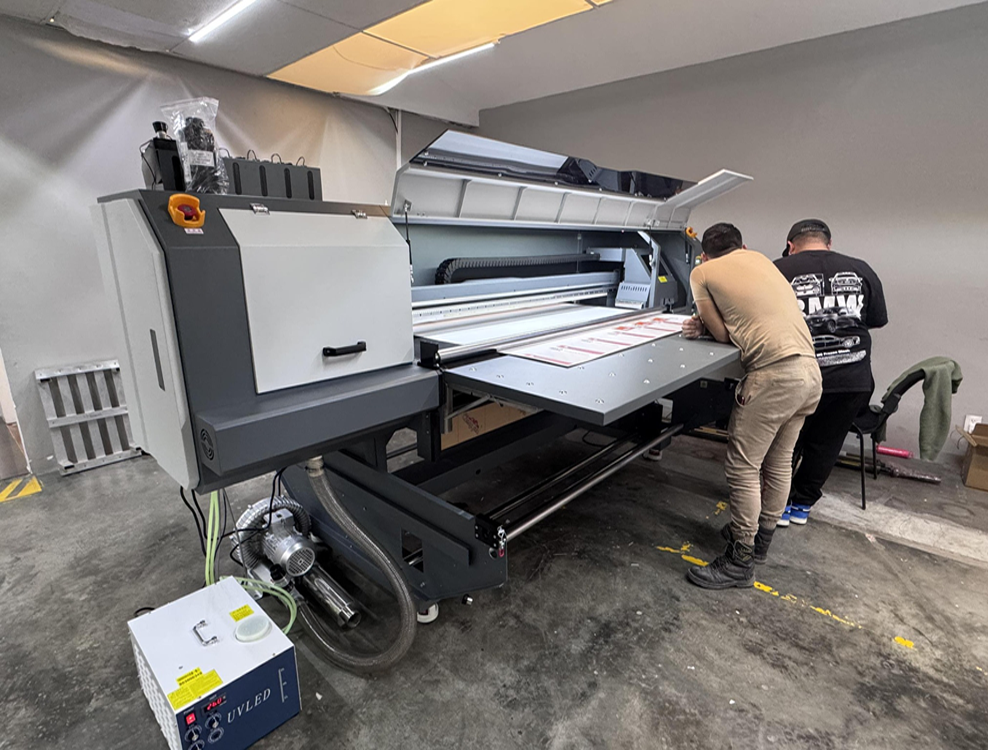
Finishing Integration and Workflow Alignment for High Speed UV Printer Operations
Finishing integration is where wide format UV printer operations either compound their throughput gains or quietly erode them. A machine running at peak print speed means little if the downstream workflow — cutting, laminating, mounting, or kitting — can’t keep pace. For procurement teams, this isn’t an afterthought; it’s a specification variable that belongs in the initial equipment brief alongside print resolution and ink system.
The practical concern is queue misalignment. A high speed UV printer producing finished sheets faster than a cutter or laminator can process them creates a bottleneck that defeats the investment rationale entirely. Buyers sourcing production equipment should map the full job cycle — print, cure, finish, pack — and identify where the slowest stage sits before committing to a print speed tier that outpaces the rest of the line.
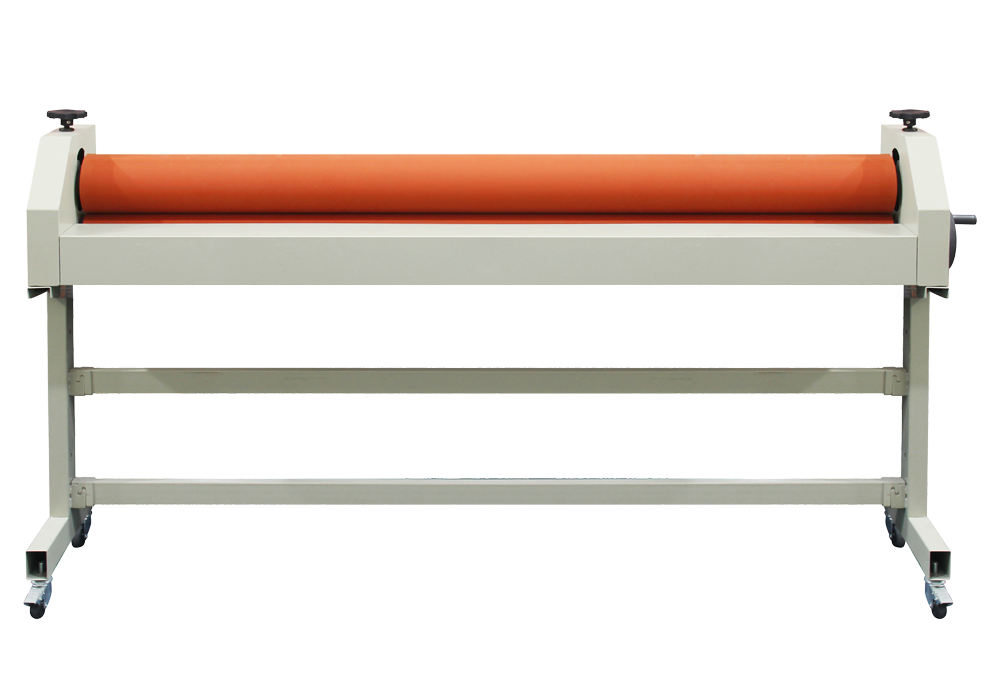
Inline finishing options matter here. Some UV large format printer configurations support inline cutting or creasing directly off the print exit, eliminating the manual transfer step between stations. That integration reduces labor touchpoints, lowers the risk of substrate damage in transit between machines, and keeps job cycle times predictable. Whether inline finishing makes commercial sense depends on job mix — it suits high-volume repeat runs more cleanly than short-run variable work, where job changeovers at the finishing stage become their own time cost.
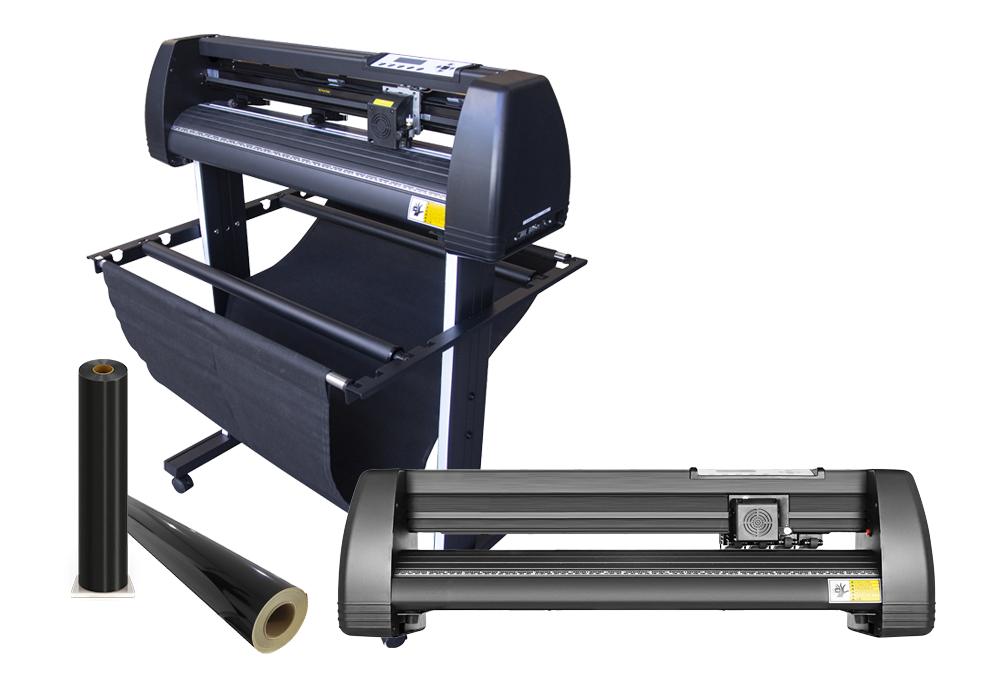
- Cutter compatibility: confirm that finishing equipment accepts the substrate widths and thicknesses the UV printer handles, particularly for rigid board media
- Output stacking: machines that deliver flat, properly cured output reduce curl-related misfeeds at the laminator or cutter entry point
- Job tracking integration: RIP software that passes job metadata downstream to finishing equipment reduces manual re-entry errors on mixed-SKU production runs
- Shift-based throughput modeling: finishing capacity should be modeled across full shift durations, not peak hourly rates, to surface realistic daily output figures
Suppliers with OEM and custom configuration experience — the kind that involves adapting equipment specifications to a buyer’s existing production environment — tend to surface these finishing alignment issues earlier in the project. That coordination capability is worth evaluating directly during supplier qualification, not after the equipment arrives on the floor.
Conclusión
A wide format UV printer is only as useful as the workflow it fits into — and that’s the part most buyers underestimate until they’re staring at a bottleneck on the finishing end.
Substrate compatibility, curing consistency, and downstream equipment alignment aren’t secondary concerns. They’re the whole ballgame. Get those wrong and the print quality won’t matter.
Before you finalize any equipment decision, push your supplier on how the machine integrates with your existing cutter or laminator setup — not just what it can print. That conversation will tell you more about the supplier’s actual value than any spec sheet will.
Preguntas frecuentes
q: What is a wide format UV printer and how is it different from a standard inkjet printer?
A: A wide format UV printer uses ultraviolet light to cure ink instantly as it’s deposited — meaning the ink bonds to the substrate rather than soaking into it, which is how standard inkjet works. That distinction matters enormously in practice: you can print on rigid materials like acrylic, madera, vaso, and metal that would destroy a conventional inkjet head. El “wide format” part typically refers to print widths starting around 1.2 meters and going up from there, which opens up signage, mostrar, and architectural applications that desktop equipment simply can’t touch.
q: What materials can a wide format UV printer actually print on?
A: The substrate range is one of the biggest selling points — rigid boards, corrugated plastic, foam core, CLORURO DE POLIVINILO, paneles compuestos de aluminio, azulejos de cerámica, cuero, and even certain textiles are all fair game. The limiting factor isn’t usually the ink; it’s whether the substrate can withstand the UV curing pass without warping or off-gassing in a way that contaminates the print heads. Always request a material compatibility test from your supplier before committing to a workflow that depends on a specific substrate.
q: How much does a wide format UV printer cost?
A: Entry-level flatbed UV machines start in the low tens of thousands of dollars — but that number climbs fast once you factor in print width, head configuration, white ink capability, and varnish channels. Mid-range production units with reliable throughput typically sit in the $30,000–$80,000 range (USD), and high-end industrial systems push well beyond that. The ink and maintenance costs over a machine’s lifespan often exceed the purchase price, so total cost of ownership — not sticker price — is the number that actually matters.
q: Why does UV ink sometimes peel or crack on flexible substrates?
A: UV-cured ink is inherently rigid once it sets, which means flex applications require either a specifically formulated flexible UV ink or a careful approach to ink layering and cure intensity. Pushing standard rigid UV ink onto a substrate that bends — banner material, certain vinyls — will cause adhesion failure over time, sometimes within days. The fix isn’t just switching inks; it’s also adjusting lamp power and pass speed so the ink cures enough to bond without becoming brittle.
q: How long do UV prints last outdoors?
A: Outdoor durability depends on the ink formulation, any overlaminate applied, and the UV exposure level in the installation environment — so “UV printed” alone doesn’t guarantee longevity. Quality wide format UV printer output on properly prepared substrates, with UV-stable inks and a protective topcoat, typically holds color for several years in direct sun before noticeable fade. In harsh climates or high-UV regions, that window shortens; a laminate layer is cheap insurance.
q: Can a wide format UV printer replace a traditional screen printing setup?
A: For short-run, high-complexity jobs — especially those with photographic detail or frequent design changes — a wide format UV printer will run circles around screen printing on both setup time and per-job cost. Screen printing still wins on very high volumes with simple spot colors, where the per-unit economics flip decisively. The smarter question is whether your order mix justifies one, the other, or both running in parallel.
q: How do I maintain a wide format UV printer to avoid head clogging?
A: Print head clogging is the most common — and most preventable — failure point on any wide format UV printer. UV ink polymerizes when exposed to light, so even ambient UV in a poorly controlled environment can cause partial curing inside the heads during idle periods. Daily purge cycles, keeping the machine in a UV-controlled space, and never leaving ink sitting in an idle machine for extended periods without running a maintenance cycle are the baseline habits that separate machines that last from machines that don’t.
q: Is it worth buying a wide format UV printer or is outsourcing a better option?
A: The break-even point depends on your monthly print volume, turnaround requirements, and how much substrate variety your clients demand — there’s no universal answer. Outsourcing makes sense when volume is unpredictable or when the job mix is too narrow to justify capital expenditure; in-house ownership pays off when you’re running the machine consistently and need control over quality and lead times. Suppliers like SINOTEC who offer OEM and customized specification support can also make equipment acquisition more practical for buyers who need machines configured to specific production conditions rather than off-the-shelf defaults.