


The custom apparel market is growing at a phenomenal rate, with the on-demand printing set to create more than 10 billion dollars in world income by 2027. To entrepreneurs and small workshops, this expansion brings opportunity–but also a choice: what printing technology can give them professional results without busting the bank? You are already at the forefront if you are considering a DTF printer to run your operation.
This guide cuts the noise to compare the technology of the direct-to-film printers to the traditional heat transfer process in terms of cost, quality, workflow, and scalability of batches with fewer than 100 units. You will also know when a DTF t-shirt printer is the best choice over vinyl or screen printing- and when it is still strategic to use the old-fashioned techniques.
Understanding DTF Transfer Printer Technology for Custom Apparel
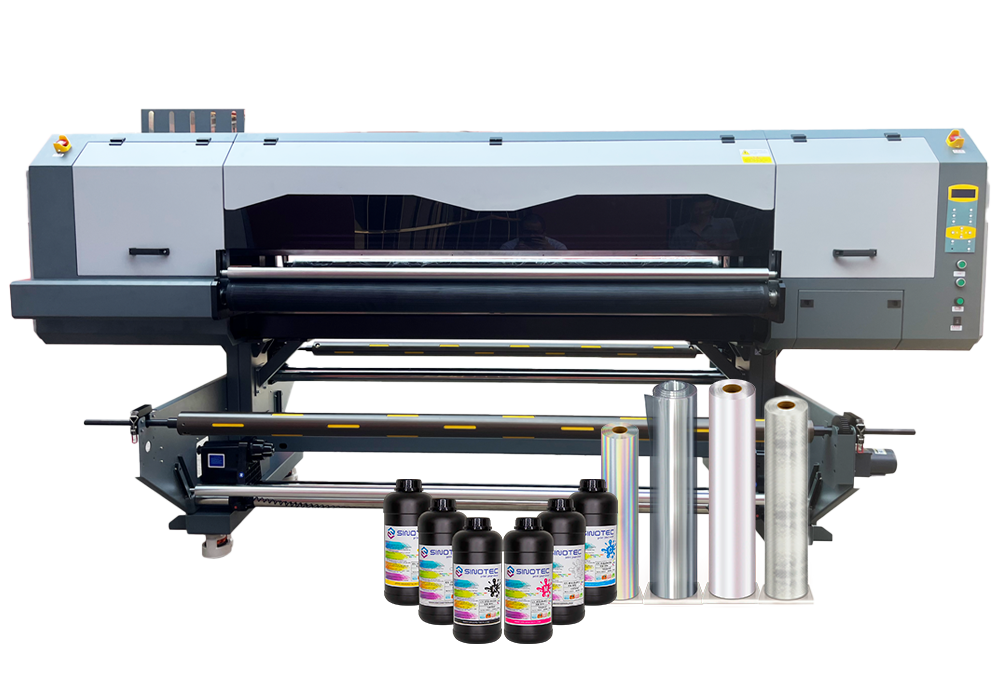
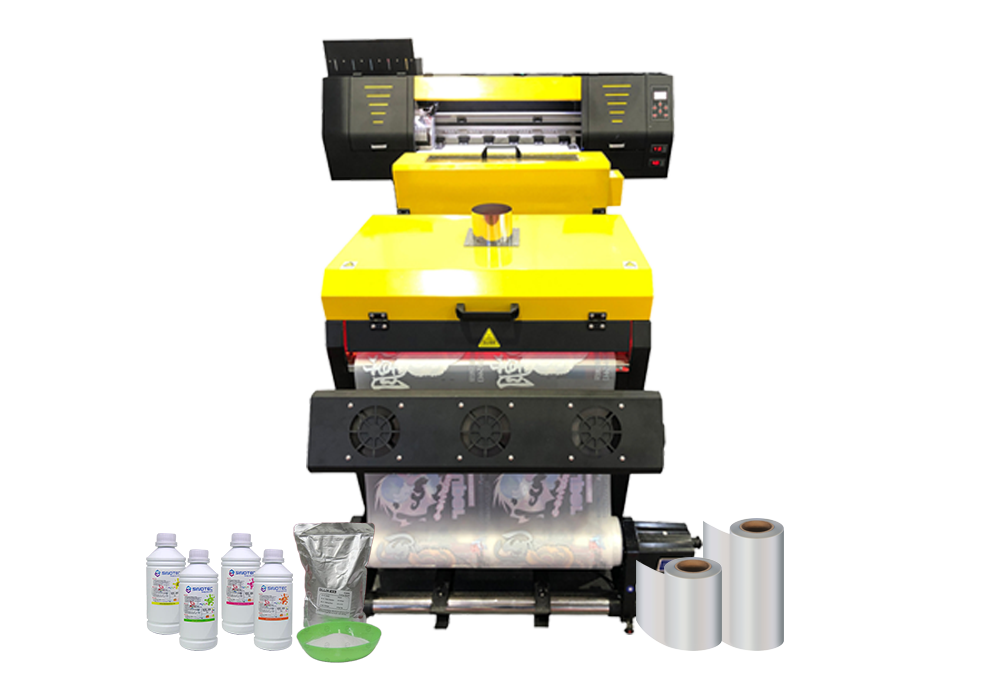
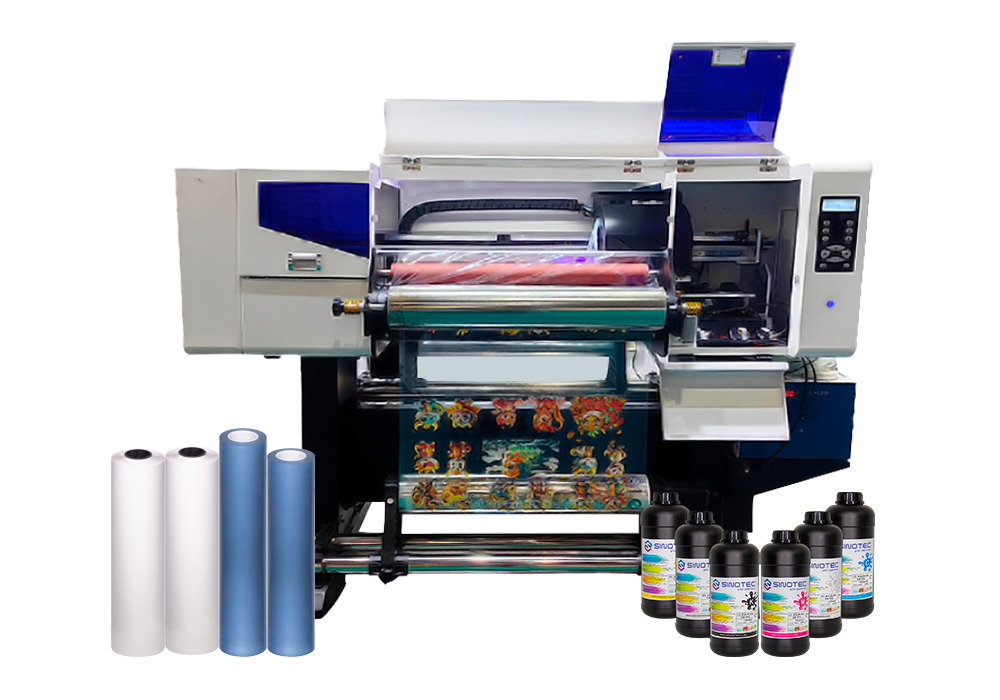
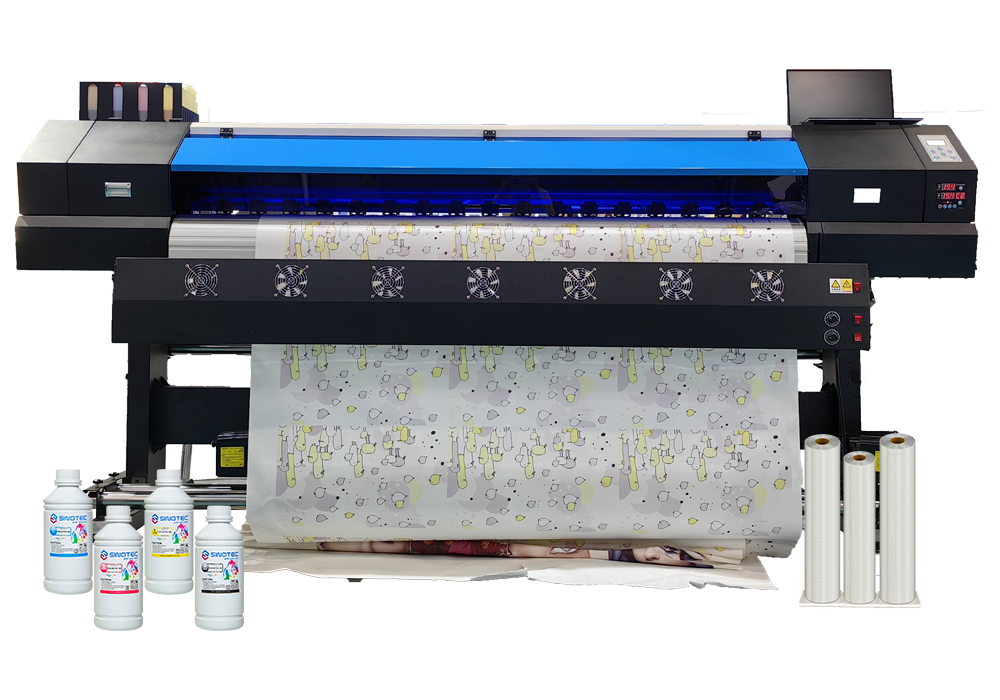
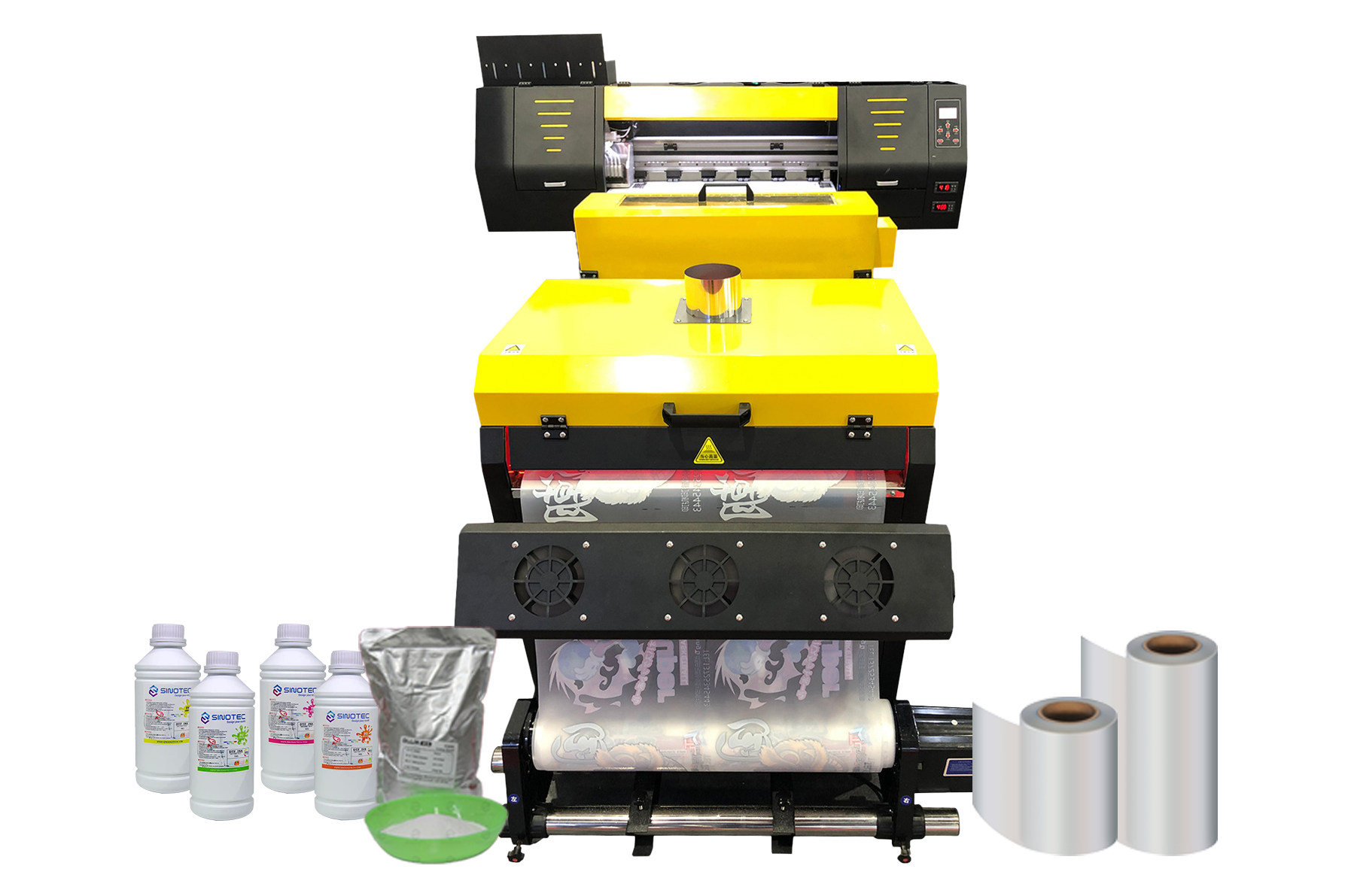
The DTF transfer printer is an important advancement in the digital decoration of garments. This system does not use screens, weeding or pretreatment sprays, but transfers the design onto a special PET film, sprays adhesive powder on it, and then presses the transfer onto cloth. The result? Bright, stretchy prints that stick onto cotton, polyester, blends, and even the most difficult materials, such as nylon or leather.
How Direct-to-Film Printing Works
The procedure starts with computerized art that is transmitted to the printer. The direct-to-film printer applies CMYK+ white ink layers on the film. Once printed, finely adhesive powder is sprinkled over the wet ink and dried under heat. When cooled, the transfer can be applied to garments. The workflow excludes color separation processes and reduces setup time for short runs.
Key Components of a DTF T-shirt Printer Setup
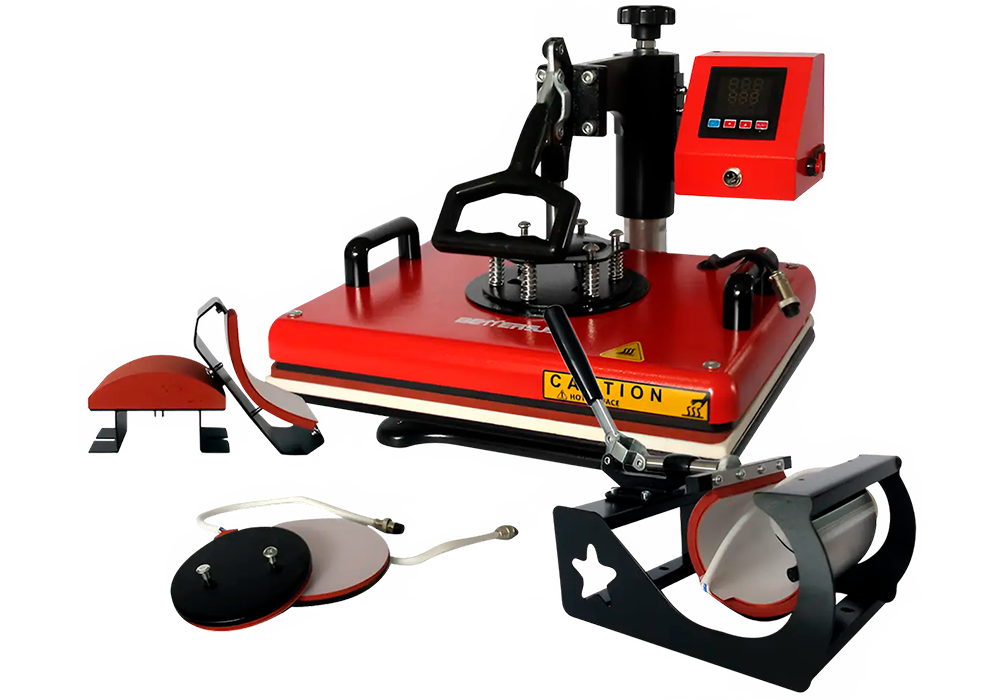
A full station consists of the printer itself, a powder applicator or manual one, a curing oven or heat tunnel, and a good-quality heat press. To minimize waste and enhance uniformity, modern units may incorporate powder management systems.
Traditional Heat Transfer Methods: Screen Printing and Vinyl Cutters
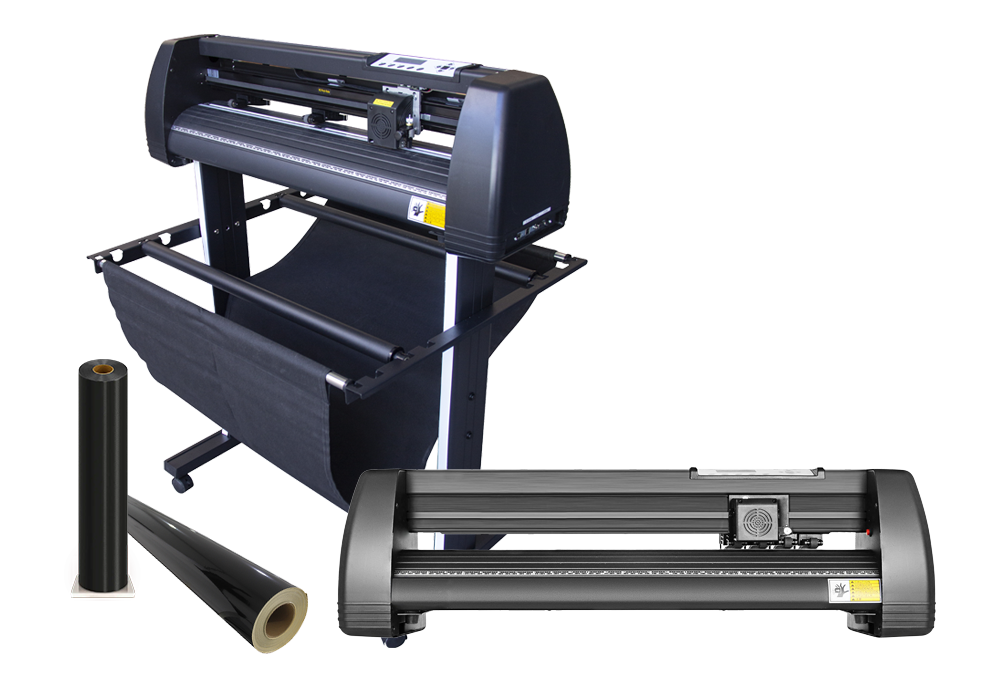
There are two major methods under the traditional heat transfer: screen printing transfers and vinyl cutting. Vinyl is a technique where designs are cut out of colored paper, excess material weeded, and pressed onto clothing. Transfers in screen printing are transferred using ink forced through mesh screens to transfer paper, which is then heat-applied to the fabric.
When Vinyl Heat Transfer Still Makes Sense
Vinyl is still perfect when you need a simple, one-color logo on light garments. It needs a few equipment requirements and has excellent dark fabric coverability in the absence of white ink underbases. Vinyl cutters are predictable and have low complexity, which makes them effective when businesses are related to text-based designs or athletic numbers.
Limitations of Screen Printing for Small Runs
Screen printing transfers require a lot of preparation: screen burning, ink mixing, and registration alignment. These measures pose a high fixed cost, which only becomes cost-efficient at higher production volumes. In batches of less than 50, the unit cost and time spent may discompensate the cost advantages in durability.
| Feature | DTF Printer | Vinyl Heat Transfer | Screen Printing Transfer |
| Setup Time | Very Low | Low | High |
| Best for Small Batches | Excellent | Good | Poor |
| Full-Color Printing | Yes | Limited | Yes |
| Fabric Compatibility | Cotton, Polyester, Blends, Nylon | Mostly Cotton/Polyester | Good |
| Dark Garments | Excellent | Excellent | Excellent |
| Labor Intensity | Low | High (weeding) | High |
| Per-Shirt Cost (Small Runs) | Low | Medium | High |
| Durability | High | Medium | High |
| Stretch Performance | Excellent | Moderate | Good |
| Learning Curve | Moderate | Easy | Advanced |
Cost and Efficiency Comparison: DTF Printer vs Traditional Methods
Startup costs vary significantly between DTF and traditional printing methods. A typical professional DTF printer system costs between 3,000 and 8,000 dollars, including printer, powder system, and curing unit. Conventional screen printing needs exposure units costing $5,000-15,000, presses, and drying racks, as well as continued expenditures on screens and emulsions.
DTF is more cost-effective for small-batch production.
- DTF: $1.50–$3.00 per shirt (including film, ink, powder)
- Vinyl: $2.00-4.50 per shirt (material and weeding labor)
- Screen transfer: $3.00-6.00 per shirt (set amortized on small run)
The efficiency in terms of time also skews the scales. A DTF transfer printer is capable of creating ready-to-press transfers in minutes with no weeding or screen reclamation. Conventional techniques increase the preparation time per design by 15-45 minutes.
| Method | Estimated Cost Per Shirt | Ideal Order Size |
| DTF Printing | $1.50–$3.00 | 1–100 pcs |
| Vinyl Transfer | $2.00–$4.50 | 1–30 pcs |
| Screen Printing | $3.00–$6.00 | 100+ pcs |
Print Quality and Durability: Which Method Delivers Better Results?
In the opinion of customers, the two things that are most important when it comes to your work are visual impact and longevity. Direct to film printer has photorealistic detail, smooth gradients, and soft-hand finishes. The white underbase allows bright colors to be used on dark clothes without making the fabric hard.
Industry standards used to test durability include wash resistance, crack resistance, and colorfastness. Comparison of methods can be seen here:
- Wash durability: DTF transferable when properly cured, can resist more than 40 commercial washes.
- Stretch recovery: DTF prints withstand integrity on performance fabrics as well as vinyl.
- Color accuracy: Digital DTF processes remove the error of screen registration.
- Hand feels: DTF adhesive coatings are thin enough not to disrupt garment drape.
Vinyl used in traditional format provides good opaqueness but can be hard and break when washed frequently. Screen-printed transfers are durable, with a tendency to compromise fabric breathability.
| Business Goal | Best Printing Method |
| Small custom orders | DTF Printer |
| Large bulk production | Screen Printing |
| Names & jersey numbers | Vinyl Transfer |
| Photographic artwork | DTF Printer |
| Multi-fabric printing | DTF Printer |
Why Choose SINOTEC
The reliability of equipment and technical support is important when it comes to growing your customization business as much as print quality. SINOTEC collaborates with printing and fabrics companies across the world to offer more than hardware-we offer end-to-end solutions.
Having more than 20 years of experience in the industry, SINOTEC integrates the latest digital printing technology, laser technology, and embroidery technology with local operation support. We have a global network throughout Eastern Europe, Southeast Asia, Africa, and Latin America with overseas branches that guarantee responsive logistics and after-sales service.
All the partner factories are carefully reviewed in their qualification and have full-process quality inspection systems. You want to start a new line of DTF t-shirt printers, or you want to streamline the current processes. SINOTEC will assist you in transforming the creative ideas into a real, profitable outcome. Visit our entire portfolio of digital fabrication equipment that is geared towards sustainable development.
Conclusion
The decision of whether to use a DTF printer or a standard heat transfer depends on three variables: batch size, fabric variety, and quality requirements.
To begin with, the DTF technology minimizes the setup time significantly and cost when the run is less than 100 units. Second, it can print vibrant, soft-hand designs on just about any fabric, which is why it increases your service offerings. Third, the current DTF transfer printer systems provide high-quality and professional longevity that meets the repeat customers.
Get in touch with SINOTEC via contact today to discuss how our expert DTF solutions and international support system can help you achieve the success of small-batch customization faster. The future of apparel decoration lies in dynamic, technology-oriented businesses-place yours to the fore.
Frequently Asked Questions
Which DTF printer is most suitable for a small business start-up?
Basic models of DTF printers of well-known brands have 13 -16 inch print width, an automatic powder feed system, and easy-to-use RIP software. When in your learning curve, prioritize those units that have local technical support and consumables that can be obtained at any time to reduce downtime.
Comparison of DTF transfer printing to cotton sublimation?
A DTF transfer printer is unlike sublimation, which only bonds to polyester; a DTF transfer printer bonds to cotton, blends, and dark fabrics with a white underbase using white ink. This flexibility enables DTF to be used in stores that deal with a wide range of types of garments without having to keep several printing systems.
Will a direct-to-film printer be able to work on dark clothes without pretreatment?
Yes. Direct-to-film printer workflows use the white ink layer to give opaqueness to black or colored garments without pre-spraying the garments. This removes an additional process that is needed in certain DTG processes, simplifying the production of mixed-order batches.
How long does it take on average to receive DTF t-shirt printer orders?
File approval for a pressed garment. A DTF t-shirt printer workflow can complete small batches (10-50 units) in 1-2 hours. This velocity enables fulfillment on the same day- a strength in the face of on-demand business models that compete with fast-fashion retailers.
Are batches of fewer than 50 pieces more cost-effective to print on DTF than on vinyl?
Generally, yes. Although single color designs can be produced with lower material costs using vinyl, the digital workflow of DTF has removed weeding labor and set-up time. In transfer printing and photographic designs with quantities of less than 50 items, the economics of DTF transfer printing tend to achieve a reduction in total per-garment cost of 20-40 percent.
What is the duration of DTF transfer in comparison to conventional heat press methods?
DTF transfers are transferred, when successfully cured, to meet or surpass industry wash-fastness standards (AATCC Test Method 61). They usually retain color vividness and stickability with 40-50 commercial washes- equal in quality to screen printing transfers and better than basic vinyl applications.