




How Sublimation Printing Actually Works on Custom Apparel
Sublimation printing works through a chemical process that’s genuinely different from every other method used in custom apparel production. Instead of applying ink on top of a fabric, the process converts solid dye into gas — skipping the liquid stage entirely — and that gas bonds directly with the fibers at a molecular level. The result is a print that’s part of the fabric itself, not a layer sitting on top of it.
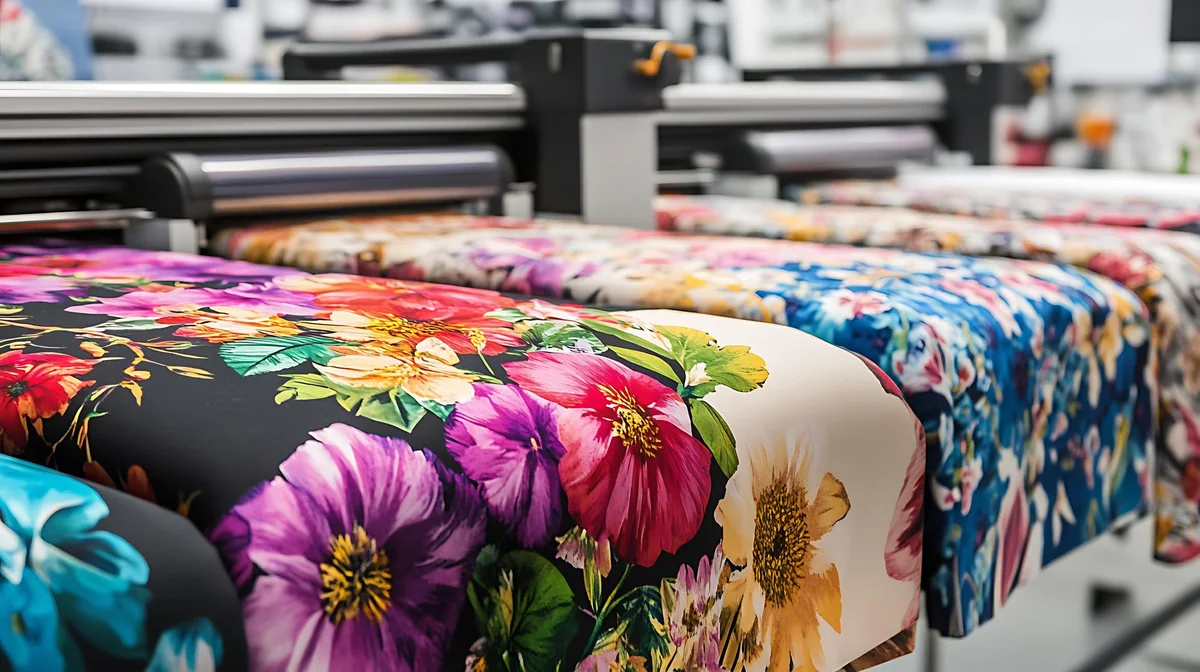
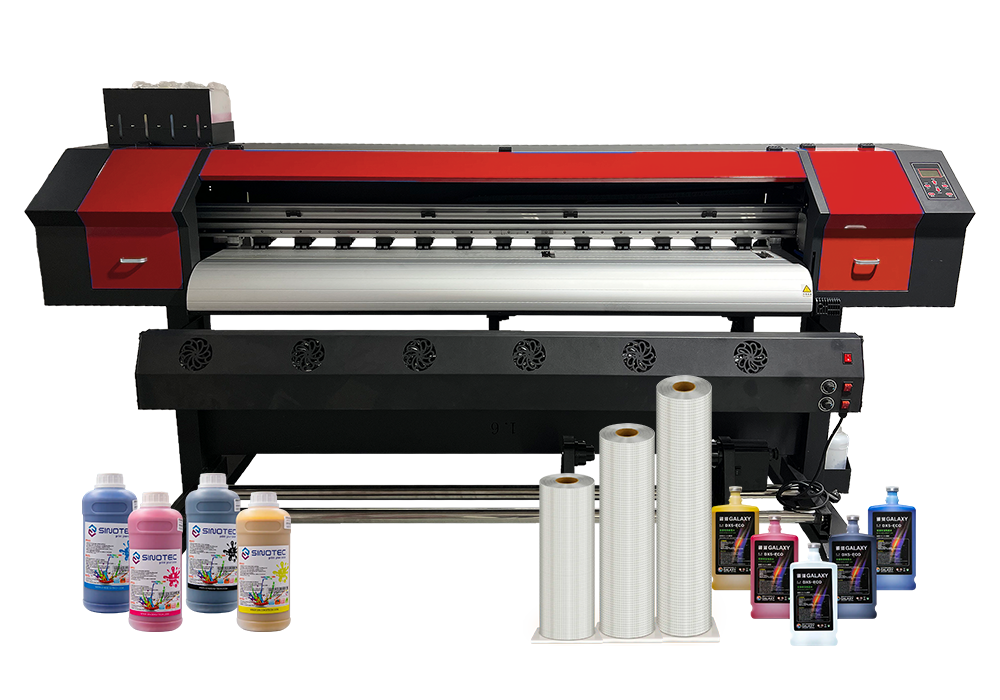
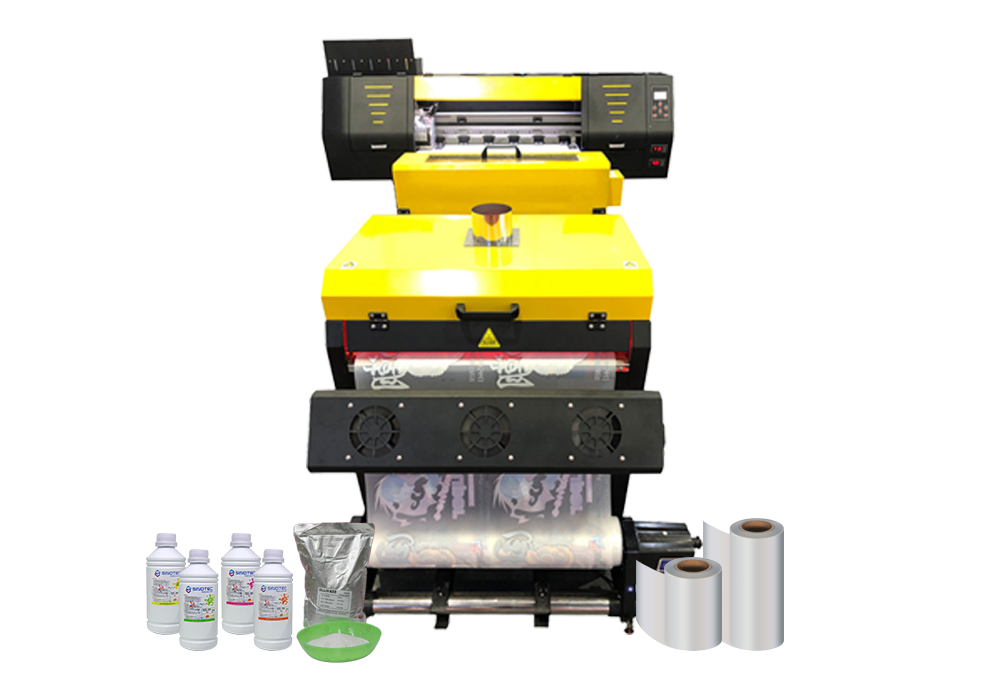
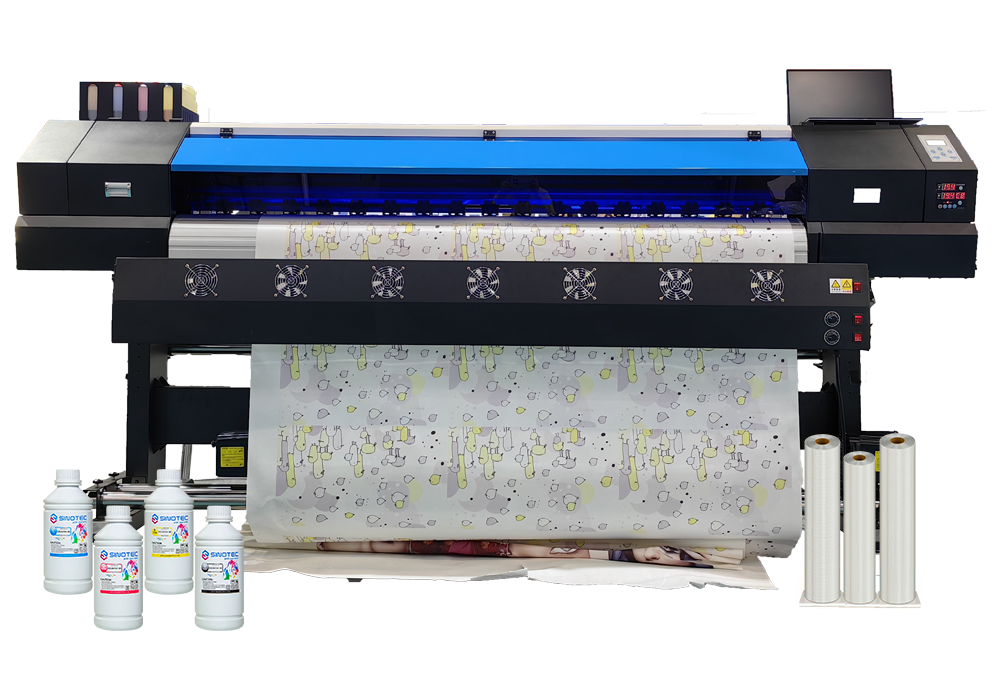
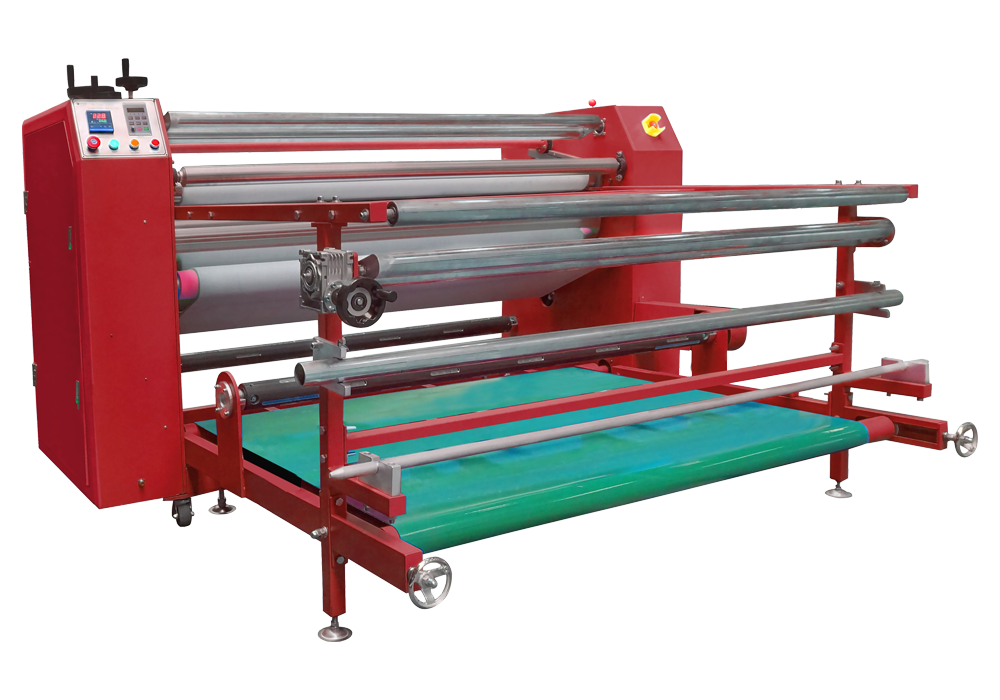
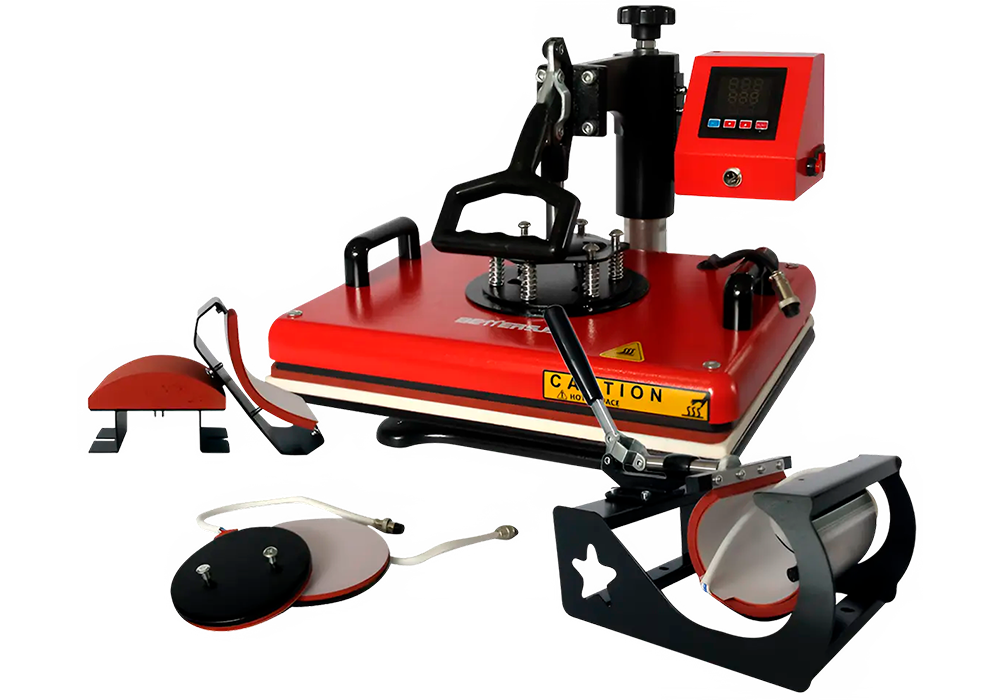
Here’s how it actually happens in practice. A design is first printed onto a special transfer paper using sublimation inks. That paper is then pressed against the garment using a heat press, typically at temperatures between 375°F and 400°F, held for a controlled duration. Under that heat and pressure, the ink vaporizes and the fabric’s pores open just enough to absorb the gas. When the temperature drops, the pores close and the dye is locked in permanently.
The fabric type matters enormously here — and this is where buyers often get caught off guard. Sublimation only works effectively on polyester or polyester-blend fabrics. The process depends on the polymer structure in synthetic fibers to absorb and hold the dye. On a 100% cotton shirt, the same method produces a faded, washed-out result that’s essentially unusable. So when you’re planning a custom apparel print design, your fabric choice isn’t just an afterthought — it’s a technical requirement.
What this process makes possible is genuinely impressive. Because the dye saturates the fiber rather than coating it, sublimation printing produces:
- Full-color, edge-to-edge designs with no blank borders or print boundaries
- Photographic detail and smooth gradients that screen printing simply can’t replicate
- A soft, breathable finish — there’s no rubbery texture or added weight
- Wash durability that holds up without cracking, peeling, or fading over time
Suppliers working in custom apparel — including digital product manufacturers who coordinate OEM print runs for international buyers — tend to favor sublimation specifically because the print design survives real-world use. It’s not a novelty finish. It’s a structural one.
Why Sublimation Colors Stay Brighter and Last Longer Than Other Methods
The durability gap between sublimation and other decorating methods comes down to chemistry, not marketing. With screen printing or heat transfer vinyl, color sits on top of the fabric — a layer applied to the surface that begins competing with friction, moisture, and UV exposure from day one. Sublimation skips that surface layer entirely. The dye becomes part of the fiber’s molecular structure, which means there’s nothing to chip, crack, or peel away.
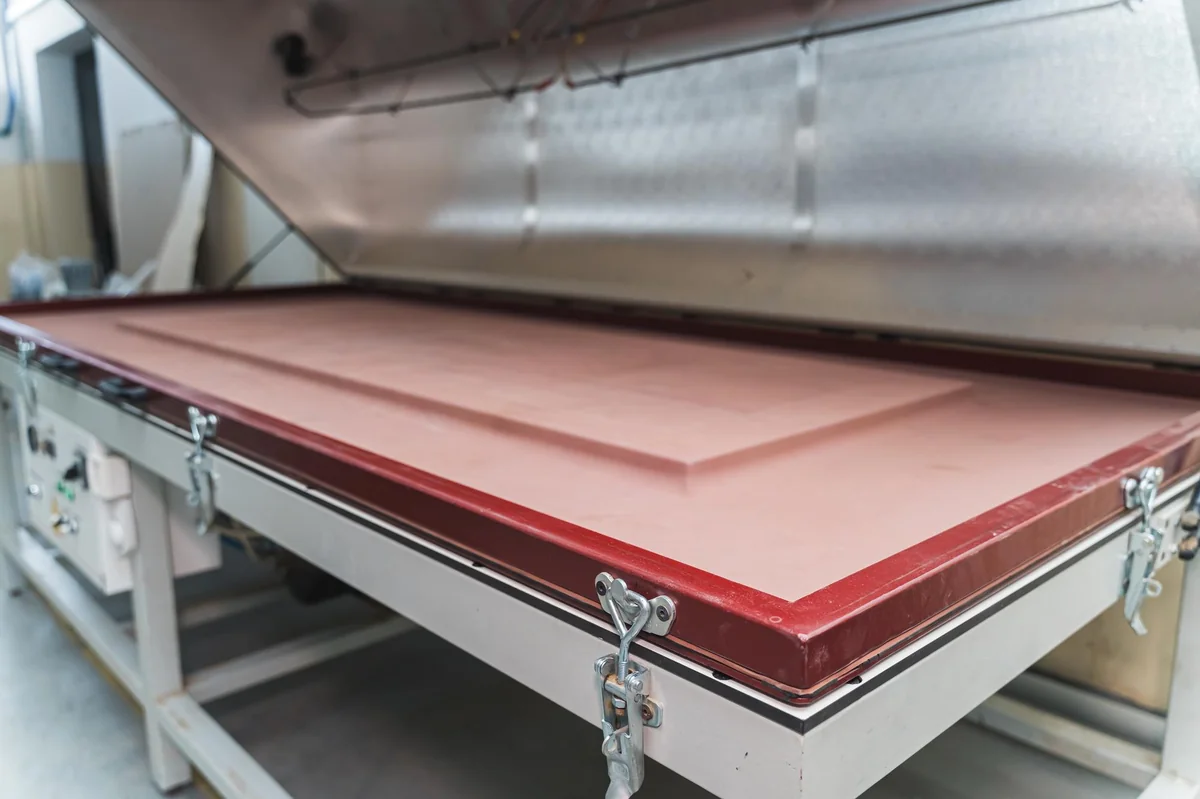
Color vibrancy works the same way. Because the pigment bonds at a cellular level rather than sitting as a film on top, light reflects from within the fabric rather than bouncing off a coating. The result is a depth and saturation that other print methods struggle to match — especially on curved areas, seams, and textured surfaces where surface-applied inks tend to break down first.
A few specific advantages are worth understanding before you order:
- Wash resistance — sublimated designs don’t require cold-water-only care or inside-out washing to survive. The dye holds through repeated machine washes without visible degradation.
- UV stability — outdoor and athletic apparel printed via sublimation holds its color in sunlight far better than heat transfer vinyl, which can yellow or fade with prolonged UV exposure.
- No hand feel compromise — because there’s no ink layer, the fabric breathes and flexes exactly as it was designed to. A complex print design on a performance jersey won’t stiffen or restrict movement.
- Edge-to-edge consistency — color stays uniform across the entire garment, including stress points like underarms and collar edges that surface coatings often miss.
For custom apparel meant to last — team kits, branded merchandise, personal pieces worn regularly — these properties matter more than they might seem at the point of purchase. A print design that looks sharp after fifty washes is a fundamentally different product from one that starts fading after ten. That’s the practical case for sublimation printing, and it’s not a subtle one.
Choosing the Right Fabrics and Garments for Sublimation Printing
Fabric choice is where most sublimation printing projects either succeed quietly or fail loudly. The chemistry is straightforward: sublimation dye bonds with polyester fibers at the molecular level, which means natural fibers — cotton, linen, wool — simply don’t hold the ink. On a 100% cotton shirt, the dye has nowhere to go. The print washes out within a few cycles, often unevenly.
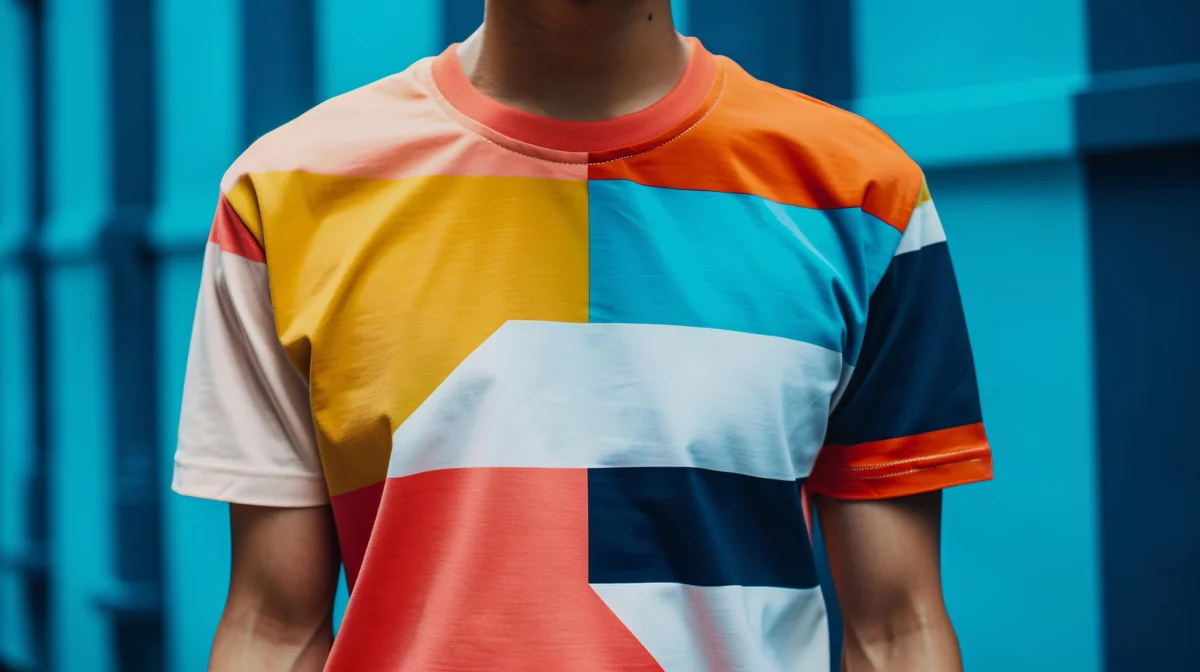
Polyester content is the number that matters most. A garment needs to be at least 80% polyester for sublimation printing to produce reliable color saturation. At 100% polyester, results are optimal — vivid, consistent, wash-resistant. Blended fabrics (say, 65% polyester / 35% cotton) can work for casual custom apparel where some color softness is acceptable, but they’re not the right call for anything that needs to look sharp long-term.
Fabric color is the other variable buyers often overlook until it’s too late. Sublimation inks are translucent — they don’t cover the base fabric, they tint it. A print design with a white background only reads as white if the garment underneath is already white or very light. On a navy or charcoal base, that same design will look muddy and dark. This is non-negotiable: sublimation printing is a white-and-light-fabric process.
Beyond fiber content and color, surface texture plays a role. Smooth, tightly woven polyester fabrics — performance jerseys, athletic tees, moisture-wicking polos — produce the sharpest image transfer. Heavily textured or fleece-style fabrics scatter the dye during transfer, softening fine detail in the print design. For garments where detail matters, smooth is better.
A few garment categories that consistently work well for sublimation custom apparel:
- Polyester athletic jerseys and performance tees — ideal surface, built for repeat washing
- Lightweight polyester hoodies — good for all-over print design without weight penalty
- Sublimation-ready polo shirts — structured enough for branded use, smooth enough for sharp output
- Polyester tote bags and accessories — useful for coordinated merchandise sets
Suppliers like SINOTEC who work with OEM custom apparel orders typically offer pre-vetted polyester blanks specifically suited to sublimation — which removes a lot of the guesswork for buyers who aren’t sourcing fabric independently.
Design Tips for Getting the Most Out of Custom Sublimation Apparel
Getting sharp, lasting results from sublimation printing starts well before the garment goes anywhere near a heat press — it starts with how the design file is built. Resolution matters enormously here. A file that looks fine on screen at 72 DPI will print soft and muddy at full garment size. For custom apparel, design files should be prepared at 150–300 DPI at actual print dimensions. Scale it up after the fact and you’re fighting a losing battle.
Color is the other thing that catches people off guard. Sublimation inks shift during the heat transfer process, and colors that look vivid on a monitor — which displays in RGB — can come out duller or slightly off once printed on fabric. Working in the correct color profile from the start, and requesting a physical sample before committing to a full run, saves a lot of disappointment.
A few practical design considerations worth keeping in mind:
- Avoid placing critical text or logos too close to seams — heat press edges can cause slight distortion in those zones
- Use bleed areas in your design file so edge-to-edge print design doesn’t show white borders after cutting and sewing
- Dark backgrounds perform well with sublimation on white polyester — the dye saturates into the fabric and produces rich, deep color
- Gradients and photographic images translate exceptionally well, far better than they do with screen printing or embroidery
- Thin lines and small type work, but test at actual garment scale — what reads clearly at A4 print size can disappear on a chest pocket panel
All-over print design — where the graphic wraps across the full garment rather than sitting in a fixed chest or back panel — requires templates mapped to the specific blank being used. Seam placement, sleeve attachment points, and collar cutouts all affect how a continuous pattern lines up once the garment is assembled. Suppliers who specialize in sublimation custom apparel, including those offering OEM production like SINOTEC, typically provide garment-specific templates precisely for this reason.
The short version: treat the design stage as seriously as the print stage. The two are inseparable in sublimation printing.
Conclusion
Sublimation printing rewards preparation more than almost any other custom apparel method — and that’s not a knock on it, it’s just the reality. Get the fabric right (polyester, high content, light base), get the design built at actual garment scale, and the results genuinely are hard to beat for color depth and all-over coverage. Skip either of those steps and you’ll feel it in the finished product.
Print design isn’t an afterthought here. It’s half the job.
If you’re ordering custom pieces — whether a single run or a larger batch — ask your supplier upfront for garment-specific templates before you finalize anything. That one habit alone will save you from the most common and most avoidable sublimation mistakes.
Frequently Asked Questions
Q: What fabrics actually work for sublimation printing?
A: Polyester is the baseline requirement — and not just any polyester blend. You want a fabric that’s at least 80% polyester for colors to transfer properly; anything lower and you’ll see washed-out, faded results straight off the press. Light base colors (white or very pale tones) are essentially non-negotiable, because sublimation dye is transparent and won’t cover a dark ground.
Q: Why does my sublimation print look faded or dull after washing?
A: This almost always comes down to one of three things: too low a polyester content in the fabric, incorrect press temperature, or a design file that was built in CMYK instead of RGB. Sublimation inks bond at a molecular level with polyester fibers — if the bond wasn’t formed correctly during heat transfer, washing accelerates the breakdown fast.
Q: How do I set up a print design for sublimation custom apparel correctly?
A: Build your design at the actual printed dimensions — not scaled down and upscaled later. For sublimation printing and custom apparel, working from a garment-specific template (which any decent supplier should provide) is the only way to guarantee seam placement, collar cutouts, and sleeve wraps land where you expect them. A 300 DPI resolution at full print size is the standard starting point.
Q: Can I sublimate onto cotton or natural fiber shirts?
A: Not with any reliable result. Cotton doesn’t have the polymer structure that sublimation dye needs to bond to, so the ink sits on the surface rather than embedding into the fiber — which means it fades fast, often within a few washes. If cotton is a firm requirement, screen printing or DTG (direct-to-garment) printing are the better fits.
Q: How much does custom sublimation printing typically cost compared to other methods?
A: Per-unit costs for sublimation are often higher on small runs because setup is labor-intensive and garment blanks (100% polyester performance fabric) tend to cost more than standard cotton tees. Where sublimation becomes genuinely competitive — sometimes cheaper — is on all-over or multi-color print design work, because adding more colors doesn’t increase the price the way it does with screen printing.
Q: Is sublimation printing worth it for small custom apparel orders?
A: It depends entirely on what you’re making. For vibrant, all-over print design on athletic wear, jerseys, or performance apparel — even a small run — sublimation is hard to beat on quality. For a handful of basic logo tees on cotton, the fabric limitations and per-piece cost make other methods more practical. The format rewards complexity; simple designs on standard shirts don’t justify it.
Q: How long does a sublimation print last on a garment?
A: When the process is done correctly — right fabric, right temperature, right design file — sublimation prints are genuinely durable. Because the dye bonds into the fiber rather than sitting on top of it, there’s no cracking, peeling, or flaking over time (unlike vinyl or plastisol). With normal washing care, a well-executed sublimation print on custom apparel typically outlasts the garment itself.
Q: What file format should I send for a sublimation print design?
A: PNG or TIFF files at 300 DPI, built in RGB color mode — that’s the standard for sublimation printing. Avoid JPEG for anything with fine detail or sharp edges; compression artifacts show up more than you’d expect once the design is heat-transferred at full garment scale. If your supplier accepts vector files (AI or PDF), even better for elements like logos or text.