DTF

Cómo funcionan realmente la sublimación y la impresión DTF y por qué es importante la diferencia

La sublimación y el DTF no son lo mismo y confundirlos le costará dinero, tiempo, y un montón de espacios en blanco arruinados. Entonces, analicemos lo que sucede dentro de cada proceso., Porque la química importa más de lo que la mayoría de la gente cree..

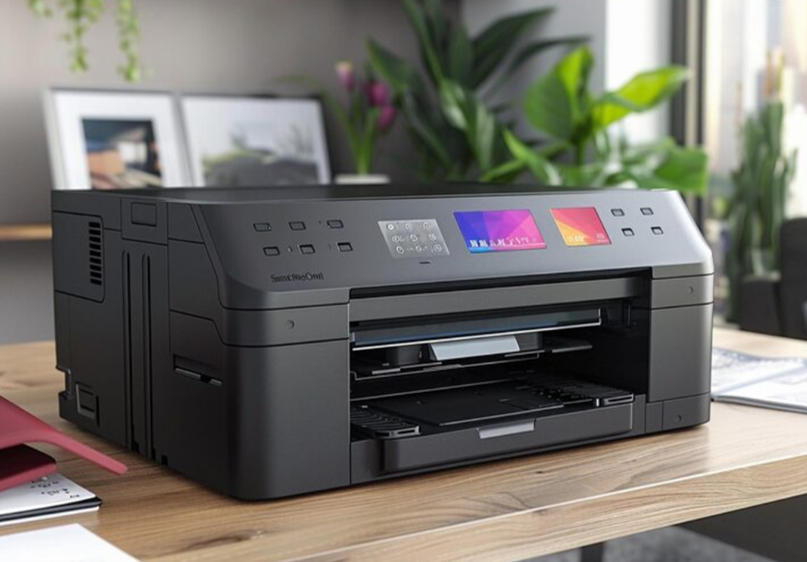
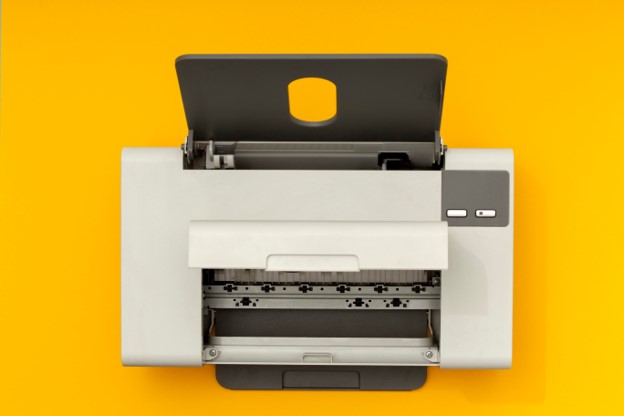
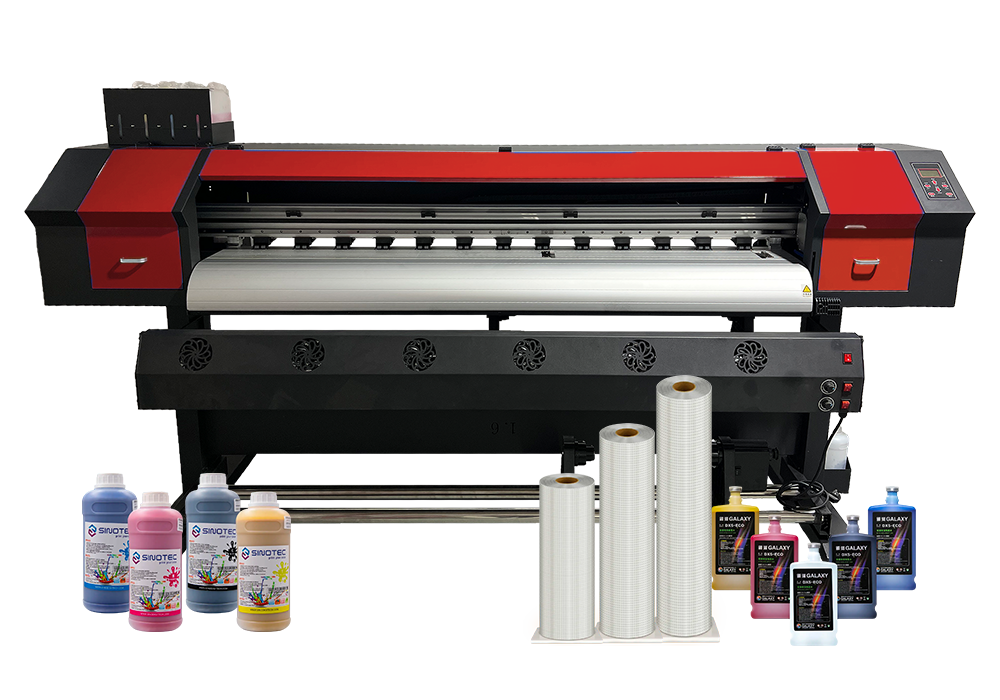
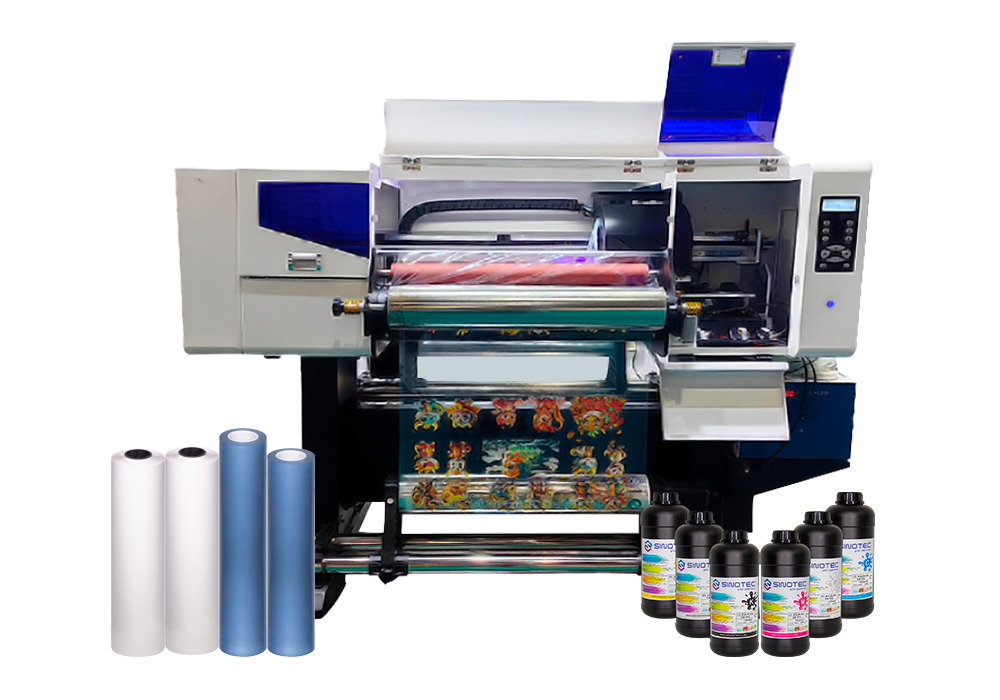
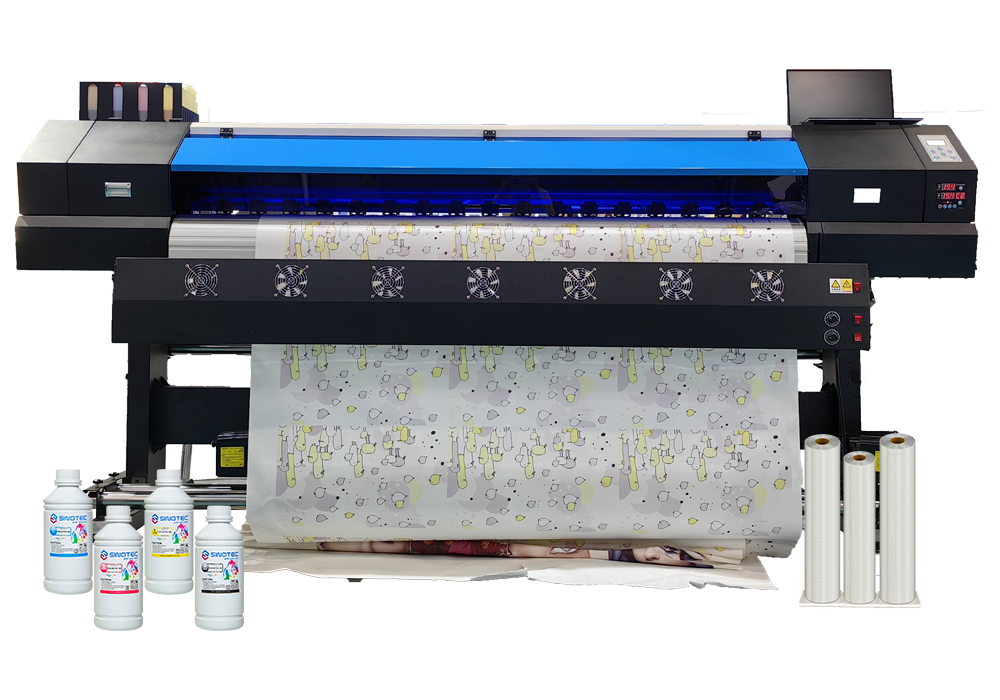
A sublimation printer works by converting solid dye into gas under heat — skipping the liquid phase entirely. Ese gas se une directamente con las fibras de poliéster. (o superficies duras recubiertas de polímero) alrededor de 375 a 400 °F, convirtiéndose en parte del propio material. No sentarse encima. Dentro de ella. Es por eso que las impresiones por sublimación no parecen nada cuando las tocas: no hay ninguna capa de tinta que se despegue o se agriete.. la captura? Sólo funciona en colores claros., sustratos pesados ​​​​de poliéster. Algodón? Olvídalo. A 100% La camiseta de algodón te dará una imagen fantasma descolorida., no es una impresión vibrante.

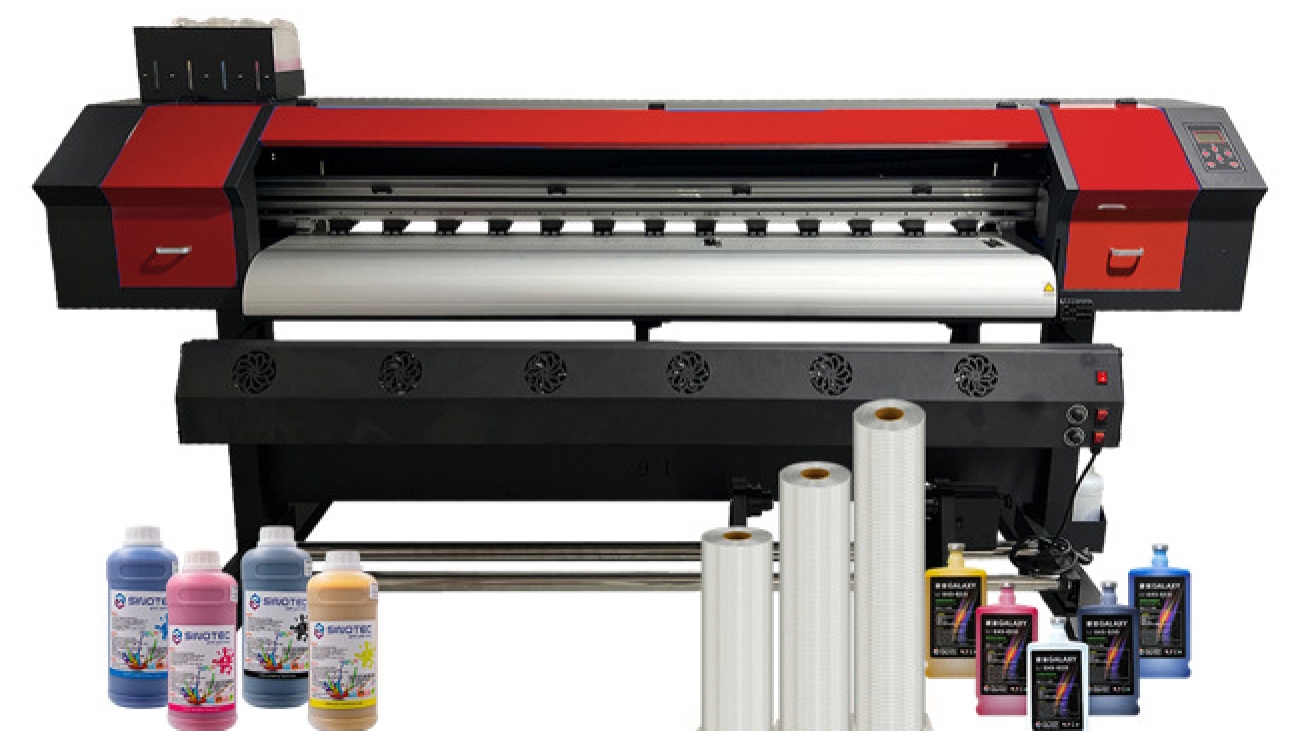
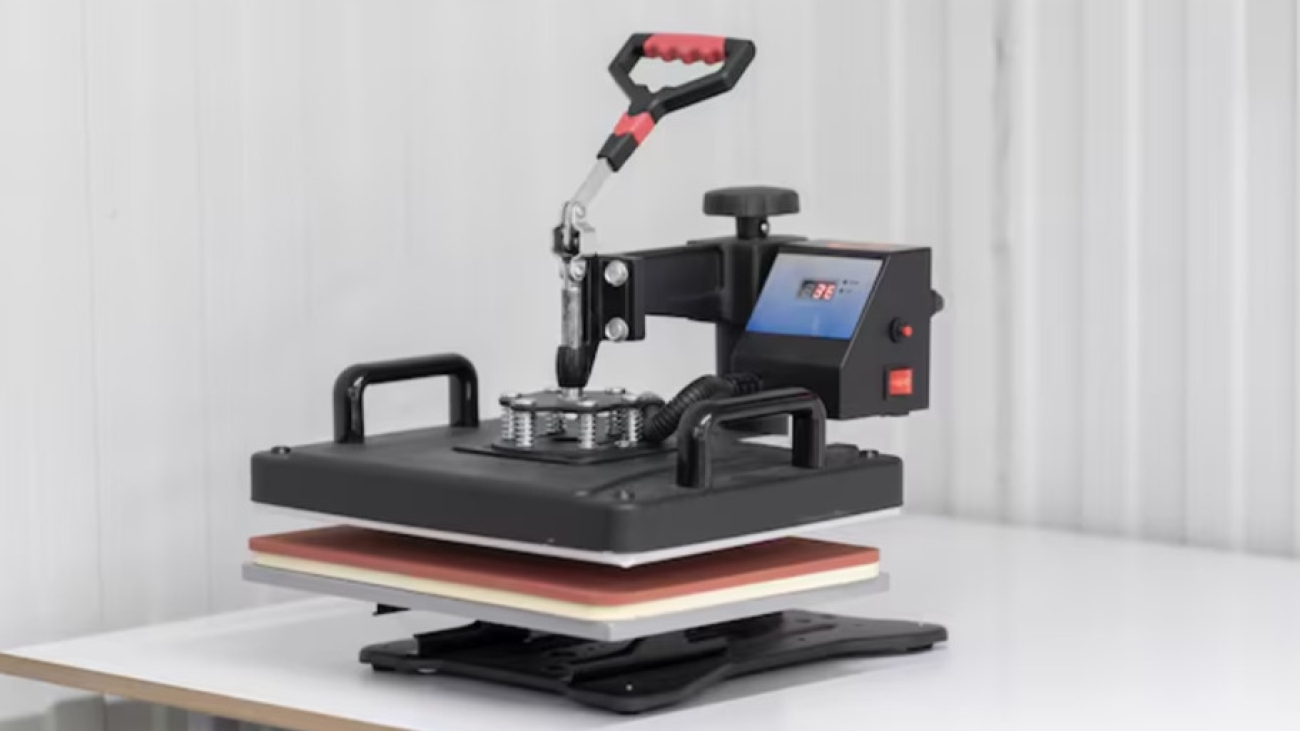
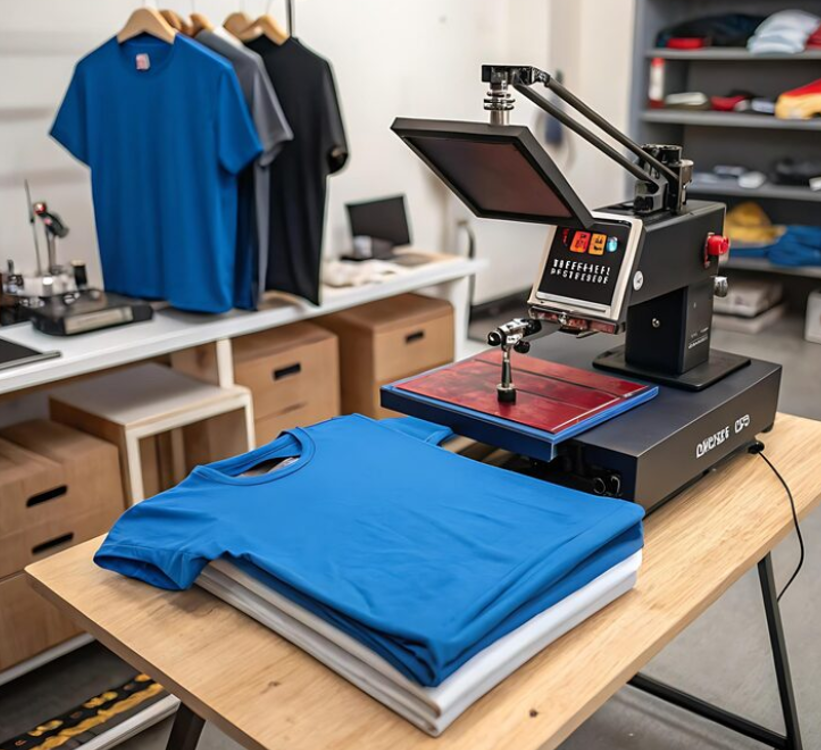
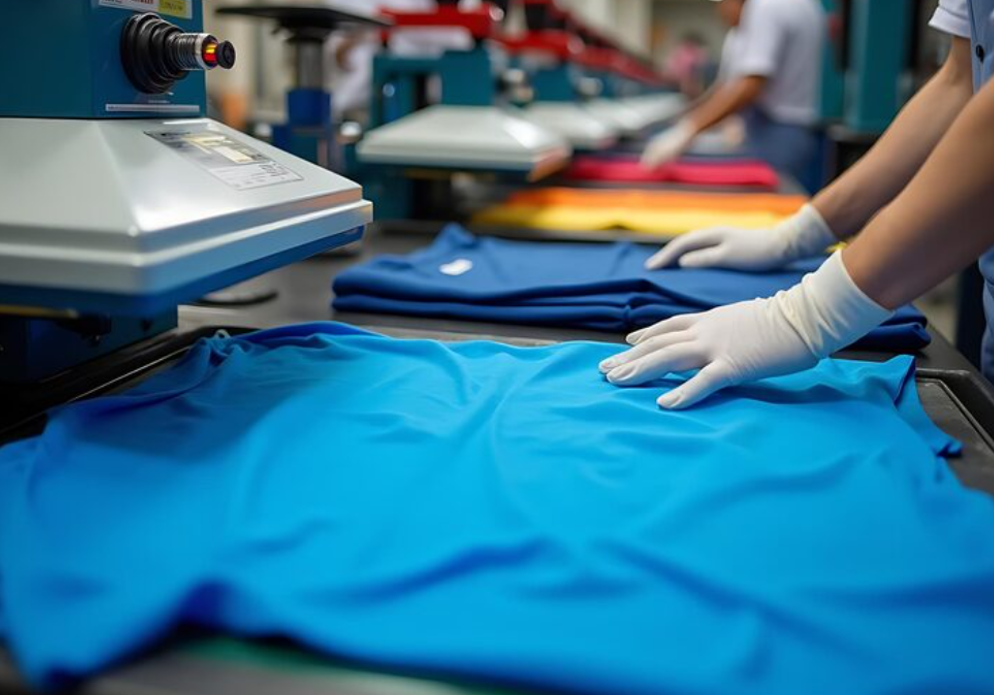
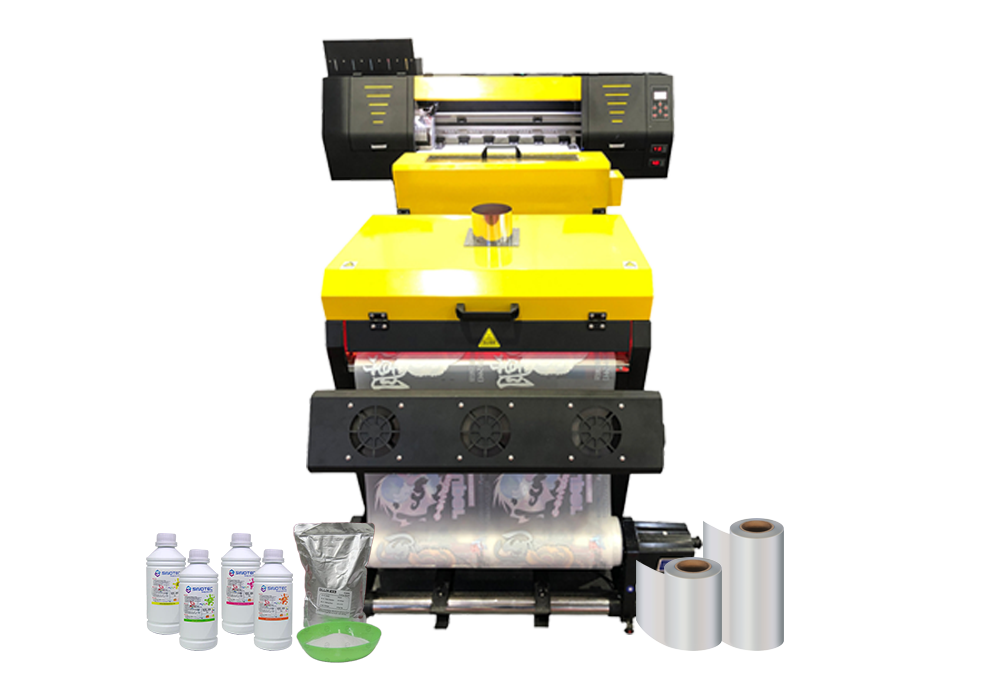
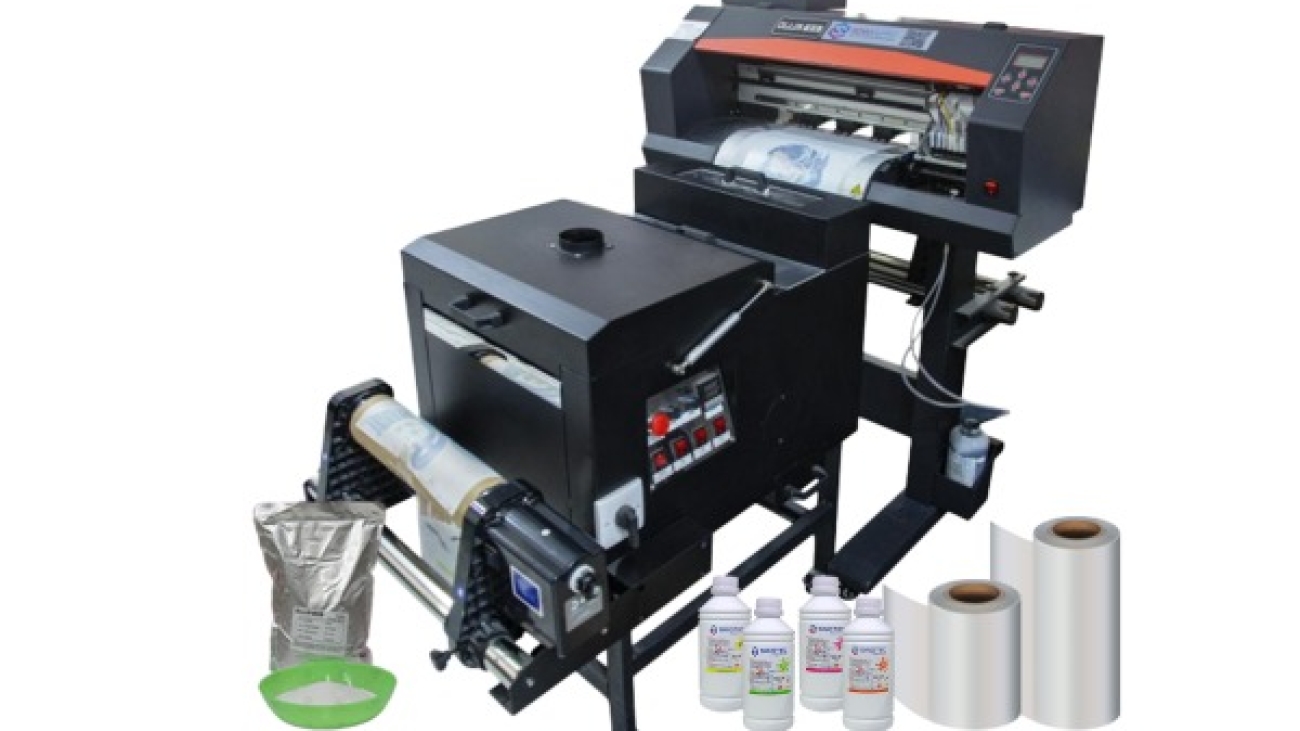
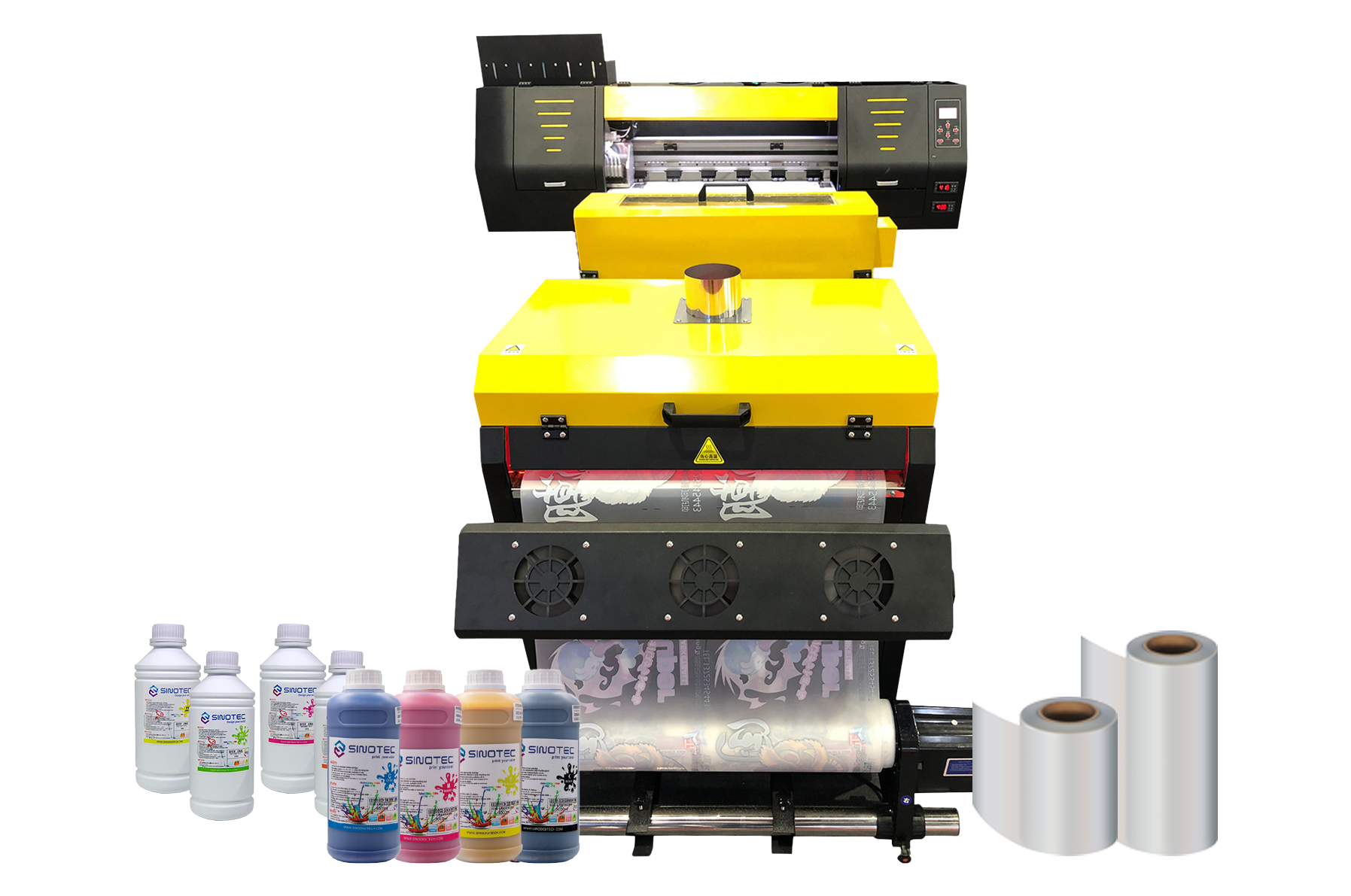
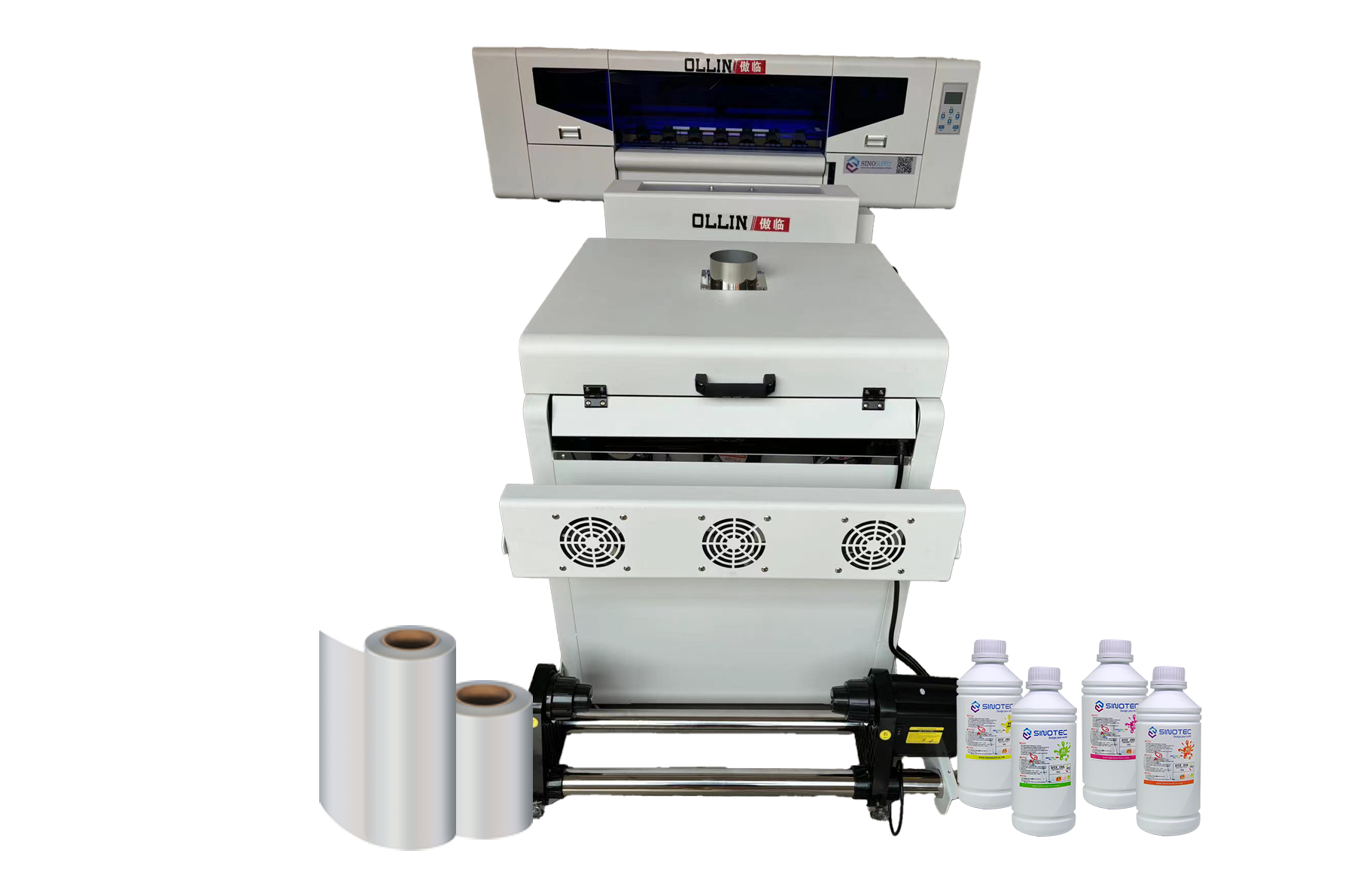
DTF (directo a película) funciona de manera completamente diferente. A DTF garment printer deposits ink onto a special film, lo espolvorea con polvo adhesivo termofusible, lo cura, then transfers the whole thing onto fabric using a heat press. It sticks to almost anything: cotton, mezclas, dark fabrics, superficies texturizadas. That flexibility is genuinely useful. But the transfer layer sits on top of the fabric, and you can feel it — some buyers love the texture, others don’t.

Here’s where it gets interesting for product diversification. The same thermal-transfer logic that drives garment printing shows up in completely different market segments. How a Phone Case Printer Vending machine operates — heating a pre-printed film onto a case shell — borrows from the same fundamental transfer mechanics. And the conversation around Phone Case Printer Vending Machine vs. traditional retail setups often comes down to exactly this: transfer quality and substrate compatibility. How Countries Embrace Phone Case Printer technology also varies wildly — markets in Southeast Asia lean toward high-volume vending kiosks, while European buyers often prioritize print durability specs. Top Spots for Profitable Phone Case printing operations tend to cluster around high foot traffic and customization demand, not just equipment cost.

For straight garment work, a sublimation t shirt printer dominates when you’re running polyester sportswear or branded merch at scale. Soft hand-feel, zero cracking, wash durability that actually holds up past 50 cycles. Suppliers like SINOTEC who handle OEM spec work for international buyers see this distinction constantly — clients ordering sublimation setups for activewear and DTF rigs for fashion blanks. Different tools. Different jobs. Neither one is universally better.

Pick the wrong process and you’re not just wasting supplies. You’re reprinting entire runs.

The Sublimation T-Shirt Printer: What It Does Well and Where It Hits a Wall

Polyester is where a sublimation t shirt printer is basically unbeatable. Full stop. The dye bonds at a molecular level with the fabric — not sitting on top of it, not cracking off after a dozen washes — and the result is a print that genuinely outlasts the shirt itself in most cases. Sportswear brands, team kits, branded activewear runs: this is the machine’s home territory, and it owns it.

But here’s the wall, and it’s a hard one. Natural fibers. Algodón, linen, bamboo blends — sublimation dye has almost nothing to bond with on those materials, so the color either fades fast or never saturates properly to begin with. A DTF garment printer sidesteps that problem entirely by applying a film transfer that sticks regardless of fiber content, which is exactly why fashion-forward buyers running cotton streetwear blanks keep landing on DTF setups instead. Different chemistry. Different use case.

The substrate limitation trips up a lot of first-time buyers who see the print quality on a polyester sample and assume it’ll translate to everything in their catalog. It won’t. (This is also why understanding your actual product mix before buying any equipment matters more than any spec sheet comparison.)

There are also considerations beyond the garment itself. How a Phone Case Printer Vending operation handles substrate diversity is actually a useful comparison point here — those machines are engineered around a fixed substrate, which is why they work so cleanly. A sublimation printer runs best when you’ve similarly locked down your material choices. Versatility isn’t really the pitch. Consistency is.

  • Polyester and poly-blend fabrics: excellent color saturation, wash durability past 50+ cycles
  • Cotton and natural fibers: poor dye bonding, not recommended without a polymer coating pre-treatment
  • Hard substrates (tazas, paneles, cases): works well with the right heat press setup
  • White or very light base colors required — sublimation can’t print on dark fabric effectively

So the honest summary is this: a sublimation printer is a precision tool, not a catch-all. Know your substrate. Know your volume. Buy accordingly.
DTF garment printer

The DTF Garment Printer: Broader Fabric Range, Different Trade-Offs

DTF — direct-to-film — solves the problem that sublimation simply can’t. Dark fabrics. Algodón. Textured blends. All the stuff that sends a sublimation t shirt printer sideways is basically fair game for DTF, because the process works differently at a fundamental level: ink gets printed onto a release film, a hot-melt adhesive powder gets applied, the film cures, and then the whole transfer gets heat-pressed onto the garment. No dye migration. No substrate dependency. Just ink sitting on top of the fabric, bonded through adhesive.

That’s genuinely useful. But it comes with trade-offs that buyers routinely underestimate.

The feel is different — a DTF transfer has a slight hand to it, a texture you can run your finger across. On a premium cotton tee it’s usually fine. On athletic polyester that needs to breathe and flex? It can feel restrictive, especially on larger prints. And wash durability, while solid in the 30–40 cycle range for quality transfers, doesn’t quite match what a good sublimation setup delivers on poly fabric. The dye-bonded-into-fiber result of sublimation just ages more gracefully on the right substrate.

So what’s the DTF garment printer actually good for? Honestly, short runs on mixed fabrics. Custom one-offs. Shops that can’t afford to tell customerssorry, we only do light-colored polyester.The flexibility is the product.

There’s also a cost-per-print reality worth flagging (especially for anyone running volume). DTF film, polvo, and ink together add up faster than sublimation consumables at scale. For a high-output operation printing hundreds of identical polyester jerseys, sublimation wins on economics. For a shop doing 10-unit mixed orders every week, DTF makes more sense operationally.

  • Works on cotton, dark fabrics, and blended materials — sublimation cannot
  • Slight surface texture on finished prints; more noticeable on stretch fabrics
  • Durabilidad del lavado: strong, but typically trails sublimation-on-poly over 50+ cycles
  • Higher consumable cost per print at volume
  • No base color restriction — dark garments are fine

And for context: suppliers like SINOTEC who handle commercial-grade digital print equipment see both technologies move steadily — which tells you neither haswon.They serve different buyers with different constraints.
DTF garment printer

Sublimation Printer vs. Impresora DTF: Matching the Right Technology to Your Production Goals

OK so here’s the honest framing nobody gives you upfront: choosing between a sublimation printer and a DTF garment printer is less about which technology isbetterand almost entirely about what your order book actually looks like week to week.

Production volume changes everything. A sublimation t shirt printer running polyester blanks at scale — think 200+ units of the same design — delivers cost-per-print economics that DTF simply can’t touch at that quantity. The ink bonds into the fiber itself, so there’s no film layer, no texture, no peel risk after 60 wash cycles. But drop that same sublimation setup in front of a cotton tee or a dark-colored garment, and you’ve got a problem. It just doesn’t work.

Not a workaround problem. A physics problem.

DTF flips the constraint. It handles cotton, darks, blends — materials that sublimation ignores entirely — which is why retail customization shops tend to lean toward it. The tradeoff is consumable cost at volume and a slight surface texture that’s noticeable on stretch fabrics (athletes notice it; casual buyers usually don’t). So the math only tips toward DTF when your orders are mixed, corto plazo, or fabric-diverse.

And this is where it gets interesting for anyone thinking beyond garments. The same decision logic applies to adjacent markets — how a phone case printer vending setup gets specified, por ejemplo, or how phone case printer vending machine vs. traditional retail kiosk models get evaluated by operators. Sublimation dominates phone case printing because the substrates are polymer-coated and the output is flawless. Understanding how countries embrace phone case printer deployments in high-traffic retail shows the same pattern: sublimation where the substrate cooperates, UV or DTF where it doesn’t.

Top spots for profitable phone case customization — airports, malls, tourist districts — almost universally run sublimation-based equipment. That’s not coincidence.

FactorImpresora de sublimaciónDTF Garment Printer
Fabric compatibilityPoliéster, polymer-coated onlyAlgodón, mezclas, dark fabrics
Best order sizeHigh-volume, uniform runsCorto plazo, mixed orders
Durabilidad del lavadoExcelente (50+ cycles)Strong, slightly lower
Consumable cost at volumeLowerHigher
Surface feelNo texture — ink is in the fiberSlight film texture

Conclusión

The substrate question settles everything. If your production runs polyester blanks or polymer-coated cases at any real volume, a sublimation printer earns its place fast — lower consumable costs, zero surface texture, and wash durability that holds up past 50 cycles. That’s a hard combination to beat.

Cotton-heavy catalog? Mixed short runs? Go DTF and don’t look back.

But if your substrate list cooperates, don’t overthink it. The high-traffic retail spots running sublimation equipment aren’t doing it by accident — they’re doing it because the math works, the output is clean, and the repeat order economics make sense at scale.

Preguntas frecuentes

q: What is a sublimation printer and how does it actually work?

A: A sublimation printer uses heat to convert solid dye into gas — skipping the liquid phase entirely — which then bonds directly into the surface of a polymer-coated or polyester substrate. The result is ink that’s technically inside the material, not sitting on top of it, which is why the surface feels completely smooth and the color doesn’t crack or peel.

q: What materials can a sublimation printer print on?

A: Polyester fabric and polymer-coated hard substrates are your lanes — think mugs with a polymer coating, fundas de móvil, aluminum panels, and polyester jerseys. Cotton won’t work; the dye has nothing to bond to and you’ll get a faded, washed-out result that looks terrible after one cycle in the wash. Stick to substrates with at least 65% polyester content for fabric, and look forsublimation readylabeling on hard goods.

q: How much does a sublimation printer cost?

A: Entry-level desktop units — like the Epson EcoTank converted setups or the Sawgrass Virtuoso SG500 — run between $300 y $600. Wide-format production sublimation printers (think 44-inch roll-fed machines from Epson or Mimaki) jump to $3,000–$15,000+ depending on throughput. For commercial buyers sourcing OEM-configured units through suppliers like SINOTEC, per-unit pricing on bulk orders can shift the economics significantly compared to retail channels.

q: Why does my sublimation printer produce faded or dull colors?

A: Nine times out of ten it’s a temperature or time issue at the heat press — sublimation needs 375–400°F for most substrates, and even 10 degrees low will kill your vibrancy. Wrong substrate is the other culprit; if the material isn’t polyester or polymer-coated, the dye has nowhere to bond and the color just sits on the surface weakly before fading. Also check your ICC color profiles — printing without the right profile for your specific paper and ink combination will throw off your output every time.

q: How long do sublimation prints actually last?

A: On polyester garments, a properly done sublimation print holds up well past 50 wash cycles without noticeable fading — that’s one of its biggest advantages over screen printing at volume. Hard substrate prints (tazas, paneles) are essentially permanent under normal use. UV exposure is the real enemy outdoors, so for signage or outdoor apparel, factor in a UV-protective laminate or coating.

q: Can I use a regular inkjet printer for sublimation?

A: Some Epson EcoTank models (the ET-2800 series, for example) can be converted using third-party sublimation ink — but you’re voiding your warranty and the results vary enough that it’s not a reliable production setup. A purpose-built sublimation printer uses printheads and ink delivery systems calibrated for sublimation dye, which means more consistent output and fewer clogging headaches. For anything beyond hobby-level runs, the converted inkjet route gets expensive in wasted transfers fast.

q: Is a sublimation printer worth it for small businesses?

A: If your product catalog is polyester-heavy — custom sportswear, branded merchandise, personalized home goods — the consumable cost per print is low enough that a sublimation printer pays for itself quicker than most people expect. The math gets harder if you’re running mixed-substrate orders with a lot of cotton, because you’ll need a second printing solution anyway. Honestly, the businesses that struggle with sublimation ROI are usually the ones who bought the printer before locking down a consistent substrate lineup.

q: How do I stop my sublimation prints from ghosting?

A: Ghosting happens when the transfer paper shifts slightly during or after pressing — even a millimeter of movement while the substrate is still hot creates a blurry double-image effect. Use heat-resistant tape to anchor all four corners of the transfer before pressing, and don’t peel the paper until the substrate has cooled enough that the dye is fully set. A quality heat press with even platen pressure helps too; uneven pressure is a ghosting accelerator that people underestimate.
Enrutador CNC versus grabador láser

Enrutador CNC versus. Grabador láser: Comparación integral de precisión, Velocidad & Idoneidad del material

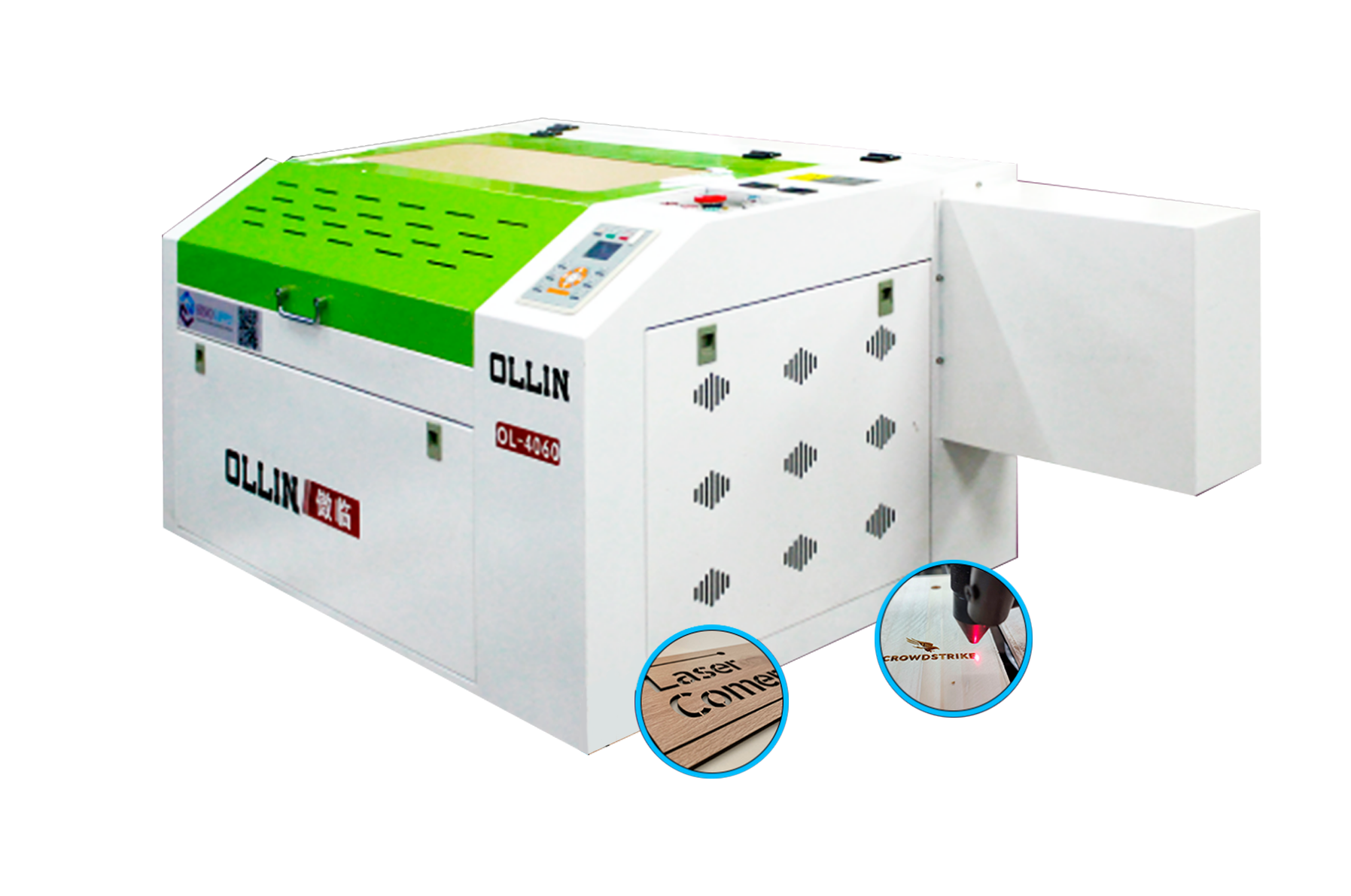
A medida que crece la demanda de fabricación digital y personalizada, La elección de las herramientas de grabado y corte adecuadas es cada vez más crucial para las empresas.. El enrutador cnc y laser engraving machineare just two of many examples of such tools used in advertisement, carpintería, producción de muebles, artesanía e industria. Si bien ambas máquinas funcionan según el control por computadora., sus principios operativos, Las posibilidades de procesamiento y los materiales que pueden utilizar difieren entre sí..

CNC Router and Laser Engraving Machine Working Principle Comparison

Understanding the principles behind a CNC Router and Laser engraving machine allows manufacturers to determine which technology suits their production needs. El equipo de enrutador CNC se basa principalmente en la tecnología de corte mecánico, mientras que la máquina de grabado láser aplica energía concentrada para grabar y cortar el material.. Cada tipo de tecnología de procesamiento tiene como resultado diversas ventajas relacionadas con la profundidad de corte., calidad de la superficie, tasa de producción, y capacidades de uso.

Mechanical Cutting Method of CNC Router Equipment

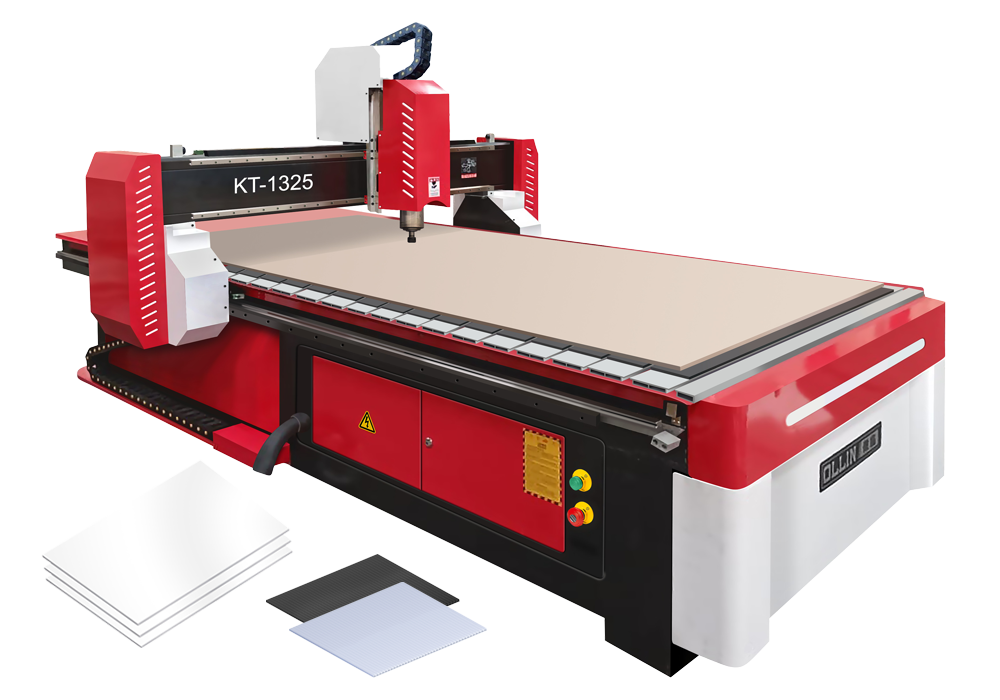
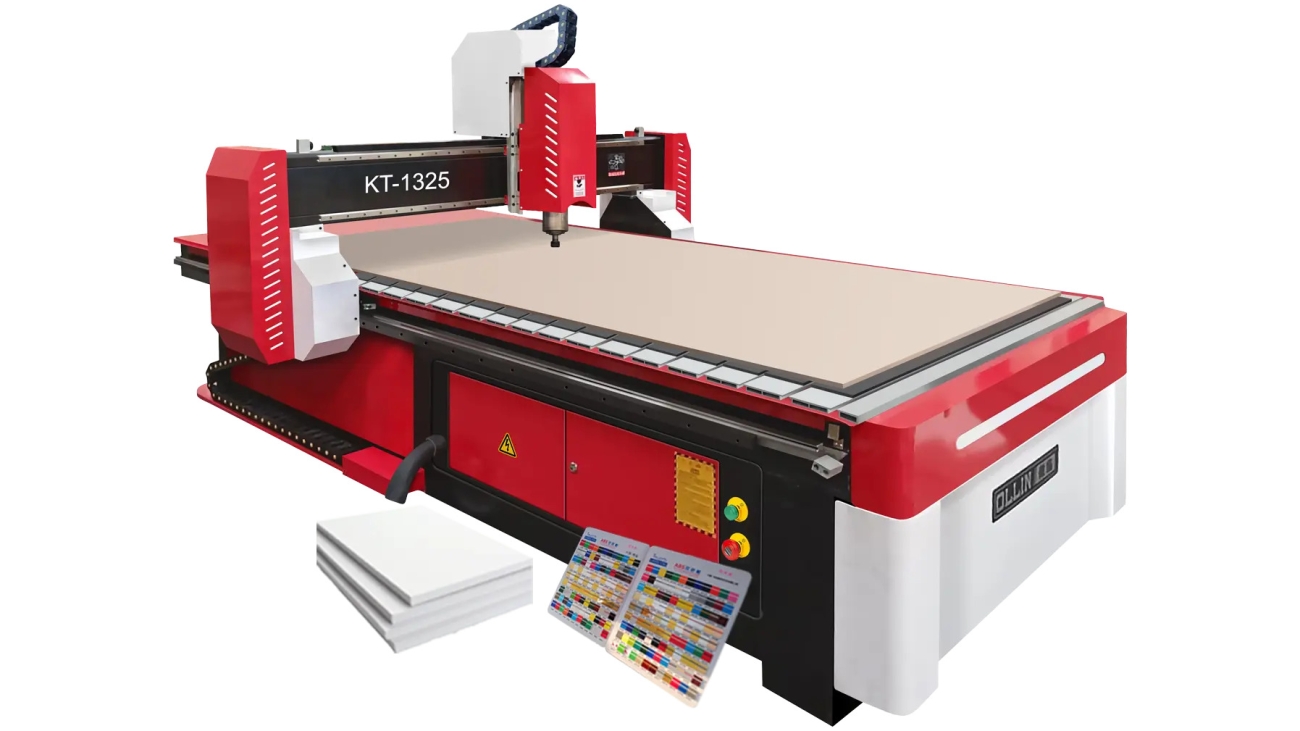
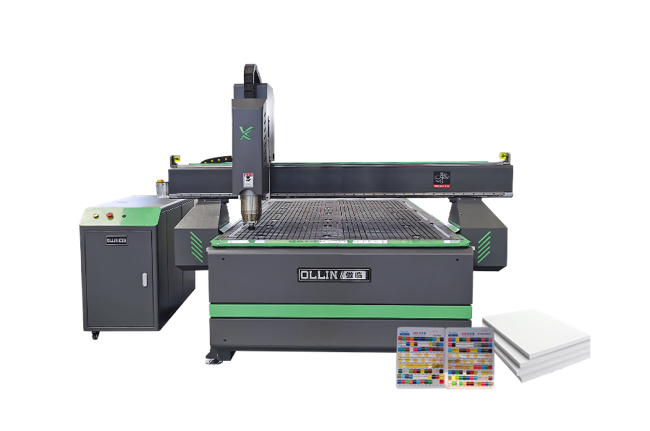
The CNC Router cuts and removes materials using rotating cutting tools controlled by computer software thus creating different forms, patterns, and designs. Mechanical processing technology offers powerful cutting strength with the possibility of deep engraving, drilling, and 3D carving. CNC Routers have a wide variety of applications in woodworking, sign making, acrylic cutting, plastic fabrication, and manufacturing due to high stability and capability of working with thick materials.

Non-Contact Processing Technology of Laser Engraving Machine

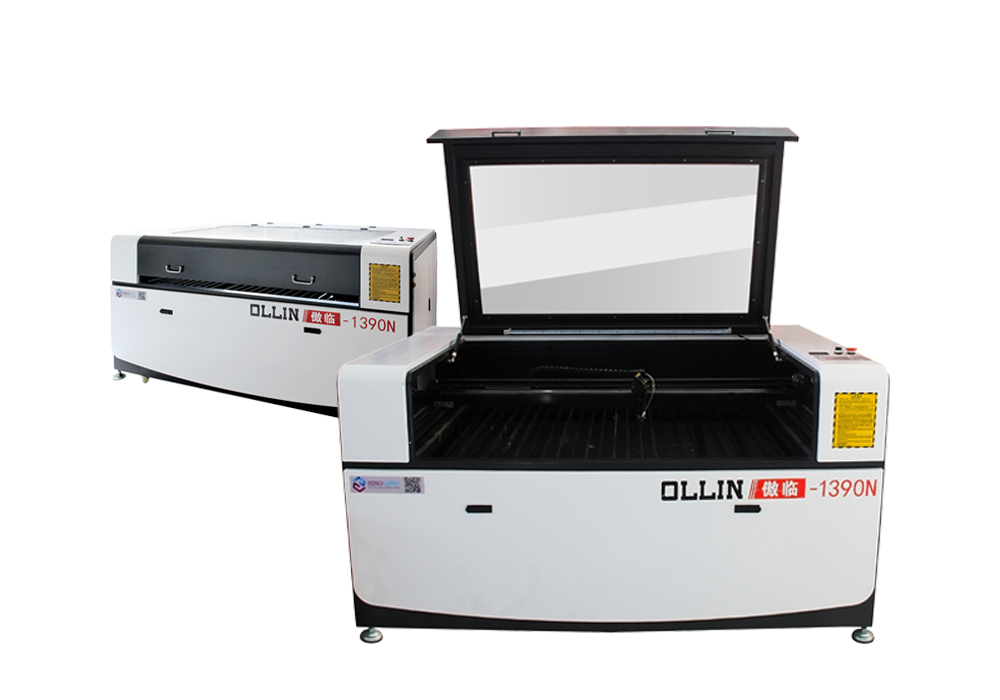
Laser Engraving machine uses a focused laser beam that makes an engraving, marking or cutting of any object without any physical contact. The laser technology enables such machines to make detailed patterns while at the same time minimizing the risk of mechanical damage and distortion of the surface. As a result of its high precision and flexibility, laser machinery is used widely for making customized gifts, signs, decorative items, leather processing, acrylic products and others.

Different Production Results Between Two Technologies

The major distinction between the two is that the processing effect is different. The CNC Router machines are more appropriate to use in cases where the materials need to be removed, cut, and shaped in three dimensions whereas the laser machines provide cleaner and detailed engravings. It is important for companies to analyze the nature of their products before making a decision about the most appropriate manufacturing technology to use.

Enrutador CNC versus grabador láser

Enrutador CNC versus. Laser Engraving Machine Precision Comparison

Accuracy is one of the determiners of product quality, manufacturing processes, and customer satisfaction. CNC Router and Laser engraving machines both offer good accuracy in processing products, but each is better in a specific application where it shines. It is mostly recommended when the need for strong cutting is high, while laser engraving machine is suitable for detailed engraving works.

CNC Router Performance in Deep Cutting Accuracy

A CNC Router performs excellently when working on thick and hard materials due to the ability of the cutting tools to offer stable performance in such conditions. Modern CNC Routers with advanced control systems and strong spindle motors will do deep cutting with accurate performance results. CNC Router is thus good for furniture manufacturing, industrial parts, and advertisement materials.

Laser Engraving Machine Advantages in Fine Detail Processing

With a Laser engraving machine, users can easily accomplish high-quality precision while processing tiny texts, complex graphics, and other designs on the surface. The thin laser beam enables the manufacturers to get high-resolution engraving effect without any physical contact with the material. This feature makes laser engraving machine very convenient for processing personalizable items, decorative panels, electronic markers, and many other industries.

Choosing Precision Based on Application Requirements

It should be noted that the perfect selection of either CNC Router or Laser engraving machine depends on the production target itself. While deep cutting, material shaping, and removing large volumes of the material will be better accomplished by using CNC Router, laser engraving machine would give much better results in case of fine engraving and creating smooth edges.

CNC Router and Laser Engraving Machine Speed Performance Comparison

Another aspect that business organizations consider when assessing processing equipment is production speed. The efficiency of operation of both the CNC Router and the Laser engraving machine depends on various aspects such as the nature of material, complexity of design, depth of cut, and machine design. CNC Router machines are efficient in large scale cutting while the laser machines are quick in processing when it comes to engraving and light cutting jobs.

CNC Router Efficiency for Large-Scale Material Processing

The CNC Router machine is very effective in processing material where the project requires larger workpieces and continual material cutting. These machines have sufficient power spindle capacity and automated control mechanisms, which make it efficient in cutting wood panels, acrylics, plástico, and composite materials. Such machines are often employed in industries with regular production such as manufacture of furniture, advertisement boards, and interior design.

Laser Engraving Machine Speed for Customized Production

Laser engraving machine is a great choice in terms of speed for precision engraving and small-batch customization. The absence of physical cutting means no necessity for frequent replacement and adjustment of tools. This increases the speed of production process and enables the business to make custom designs, logos, patterns and marking on the surface of a product. If the company needs customized products, then laser technology is a good solution for increasing the speed of production.

Production Efficiency Comparison for Different Industries

In regards to the speed aspect of CNC Router and Laser engraving machine, it is heavily determined by the manufacturing environment. CNC Routers are better for large-scale operations and large material cutting, whereas lasers are better for quick and accurate engraving. The choice of equipment should be made based on the number of orders, design of the products and nature of materials.

Enrutador CNC versus grabador láser

CNC Router and Laser Engraving Machine Material Suitability Comparison

Compatibility of materials is one of the main factors that should be taken into account during the selection of manufacturing equipment. The CNC Router and the laser engraving machine work with different types of materials. The CNC Router machine can be used for processing thick and hard materials whereas the laser works well with materials requiring detailed engraving and cutting.

Materials Suitable for CNC Router Applications

The CNC Router machine can work with rigid materials, such as wood, MDF, acrílico, CLORURO DE POLIVINILO, paneles compuestos de aluminio, and plastics. Due to the mechanical cutting principle, it is possible to make deep cuts, grooves, and 3D structures with the help of the machine. The CNC Router machines are extensively used in the manufacturing of furniture, cabinets, advertising signs, etc.. De este modo, CNC Router machines are useful for processing thick materials.

Materials Suitable for Laser Engraving Machine Applications

Laser engraving machine can be used to work on such materials as wood, acrílico, cuero, plástico, vaso, coated metal and other materials where detailing needs to be done. As laser cutting involves minimum physical pressure, it ensures that clean lines and detailed patterns are possible even when working on delicate materials. Such characteristics have made laser machines quite common in the field of personalized gifts, decorations, embalaje, electronic marking and other creative fields.

Selecting Equipment According to Material Characteristics

The decision on whether to go for a CNC Router or Laser engraving machine has to be made with consideration of the characteristics of the materials to be processed. It is always advisable that hard and thick materials be processed using CNC Router because of its strong cutting ability whereas thin materials and designs are best suited for lasers.

Conclusión

The CNC Router and Laser engraving machine technology both have their own advantages when it comes to contemporary manufacturing process. CNC Router machines give good cutting power, deep machining capability, and great performance for rigid materials, while laser engraving machines have precise detail accuracy, flexible customization, and good engraving effects. The selection of suitable equipment depends on the need of the company and the material used. With the help of proper equipment, the company will increase its efficiency, broaden its product range, and get improved manufacturing results. For businesses looking for professional CNC processing and laser engraving solutions, exploring reliable equipment options from experienced suppliers such as SINOTEC | Equipos de publicidad digital & Consumibles.

Impresora ecosolvente i3200

Epson XP600 frente a. Cabezal de impresión i3200: Guía de selección de cabezales de impresión para impresoras de gran formato

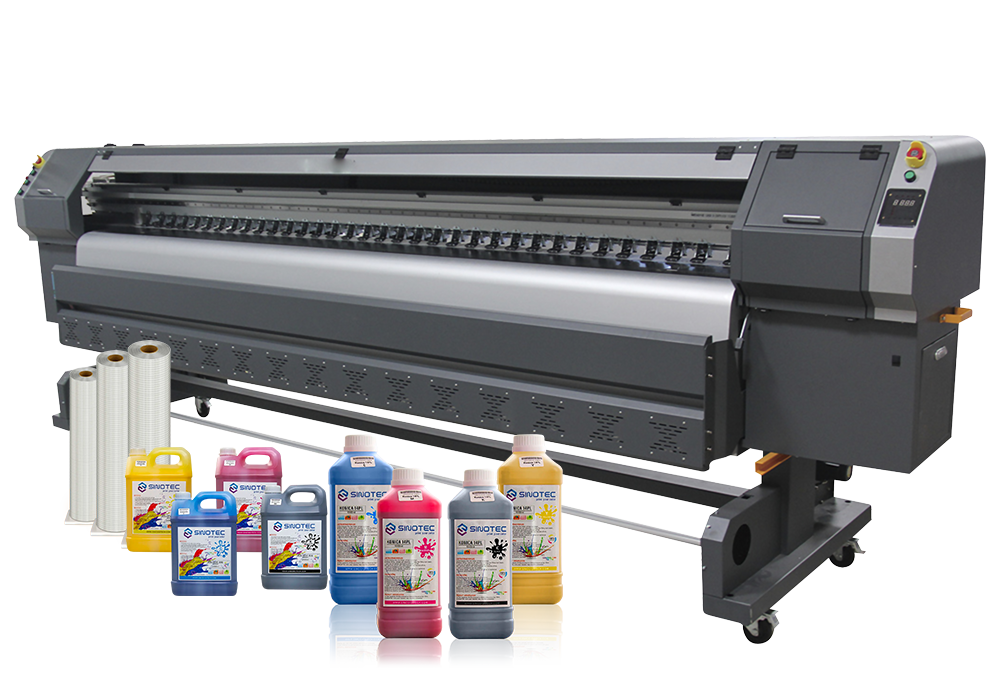
Elegir el cabezal de impresión adecuado se convierte en una de las consideraciones clave a la hora de adquirir una impresora de gran formato. El cabezal de impresión afecta la calidad de impresión., velocidad de impresión, uso de tinta, y confiabilidad de la impresora. Hay muchas tecnologías populares en Epson., including the XP600 eco solvent printer y Impresora ecosolvente i3200. In the case where a company is looking for the appropriate high resolution printer, Resulta fácil comparar la impresora ecosolvente xp600 con la impresora ecosolvente i3200.

Ser un proveedor profesional de soluciones de impresión digital., SinoDigitech se concentra en crear innovadoras impresoras ecosolventes con rendimiento estable, producción eficiente, y opciones de personalización. Sus soluciones de impresión de gran formato están creadas para la satisfacción de diferentes clientes.’ necesidades, Desde pequeñas empresas de publicidad hasta grandes imprentas..

Impresora Ecosolvente Epson XP600 vs.. Impresora ecosolvente i3200: Key Printhead Differences

Identifying the disparities between the printheads of the Epson XP600 and i3200 helps consumers pick out machines depending on production capacity, image needs, and financial investment. Though both printheads have similar features for delivering excellent results in inkjet printing, each one offers unique benefits regarding efficiency and performance. The selection of proper prinheads would help increase production and minimize expenses for professional printing firms.

XP600 Eco Solvent Printer Offers Affordable Printing Solutions

An xp600 eco solvent printer is the best option for organizations that require quality prints within moderate investment. This printer comes with Epson XP600 prinhead technology which enables smooth color transition and detailed image reproduction for posters, stickers, pancartas, and promotional graphics. It is the perfect device for small to medium printing firms that require a reliable high resolution printer with ease of use and low maintenance.

i3200 Eco Solvent Printer Provides Higher Production Capacity

The main benefits of i3200 eco solvent printer are high printing speeds and productivity. Due to the presence of additional nozzles and better ink distribution performance, compared to XP600 model, the printhead of Epson i3200 can provide more efficient printing. Large format printers based on this technology are commonly used in commercial, advertising and vehicle wrapping applications, as well as in industrial printing tasks.

High Resolution Printer Performance Depends on Printhead Selection

To create high-quality images using high resolution printer it is necessary to use advanced printheads as well as reliable mechanics, precise ink delivery and optimal printing systems. Both XP600 and i3200 technologies allow getting impressive results if the printer is set up correctly. When buying an eco solvent printer one should take into account such aspects as printing volume, needed speed and budget.

xp600 eco solvent printer

Technical Comparison Between XP600 and i3200 Printheads for Large Format Printers

Several major criteria such as speed, resolution performance, mantenimiento, and cost efficiency have to be considered while comparing an xp600 eco solvent printer and an i3200 eco solvent printer. These two printhead technologies are equally effective in professional large format printing; sin embargo, due to various design features, they can be utilized in different cases. Knowing the differences between the two technologies allows businesses to select a high resolution printer which would provide higher productivity.

Printing Speed and Productivity Differences Between XP600 and i3200

The main advantage of an i3200 eco solvent printer is high productivity compared to other solutions including XP600-based devices. Epson i3200 printhead offers a greater number of nozzles and faster ink supply, por lo tanto, it makes the printer more productive when it comes to completing large advertising projects. Al mismo tiempo, an xp600 eco solvent printer is mostly focused on providing balanced performance and affordable prices.

Image Quality and Color Accuracy of Eco Solvent Printers

XP600 and i3200 printers will give you detailed images and smooth colors in your work for professional purposes. The use of either printhead will allow you to print quality texts, graphics, and images on various media. It should be noted that the use of i3200 technology is preferred for expensive commercial prints, as it has stability at high volume, while XP600 is still good in its price range.

Maintenance Requirements and Long-Term Printing Stability

Maintainability plays a big role when choosing your eco solvent printing machine. An xp600 eco solvent printer provides you with easy replacements and low expenses for the initial maintenance. An i3200 eco solvent printer is chosen by those people who need their printers to work stably even under heavy working conditions.

Applications of XP600 Eco Solvent Printer and i3200 Eco Solvent Printer

Printing companies have their own production needs, which is why choosing XP600 or i3200 printer technologies depends much on the application scenarios. The use of XP600 and i3200 will result in reliable performance along with proper eco solvent ink and large format printer. SinoDigitech specializes in developing printing solutions for various commercial applications, which allows us to choose printers according to real production needs of customers.

Advertising and Signage Production Applications

Advertising companies need a reliable high resolution printer to make banners, pósters, stickers and promotions displays. Xp600 eco solvent printer will help a small advertisement studio to get quality pictures while controlling costs. For large scale signage manufactures that deal with ongoing orders, i3200 eco solvent printer is more suitable due to its higher efficiency and fast productivity.

Vehicle Wrapping and Outdoor Graphic Printing

For vehicle wrapping, printers capable of producing high-quality prints with good color reproduction are needed. The printers, i.e., XP600 and i3200 eco solvent printers, are suitable for eco solvent ink, which gives good adhesion on vinyl and other flexible materials. If there is a need for producing a huge amount of vehicle graphics, then one can use the i3200-based high resolution printer. Sin embargo, XP600 printers are useful if one needs to make customized prints.

Indoor Decoration and Commercial Printing Projects

Customized wallpapers, interior graphics, and decorations are the latest trends in printing and decoration business; thus, the printing companies need eco solvent printers. An xp600 eco solvent printer is ideal for those who need to produce personalized products, whereas an i3200 eco solvent printer is perfect for larger decoration projects that require quick turnarounds. Choosing a proper printer will help businesses enhance their work processes.

Impresora ecosolvente i3200

How to Choose Between XP600 Eco Solvent Printer and i3200 Eco Solvent Printer

Deciding which printhead to use will depend on the scale of operations, anticipated volume, and future growth considerations. Rather than concentrating only on machine cost, one must assess the printing speed, running cost, versatility, and technical assistance. A professional high resolution printer must have stable printing capability, easy operation and value in the long run for commercial printing firms.

Choose XP600 for Entry-Level and Flexible Printing Businesses

Start-ups and businesses entering the world of digital printing usually tend to opt for an xp600 eco solvent printer because of the balance of performance versus investment cost. This setup is ideal for new printing businesses, small advertising firms, and those undertaking custom printing jobs. Due to the reliable printing quality and simple maintenance, XP600 technology helps new printing businesses grow their market without high operating costs.

Choose i3200 for High-Volume Commercial Production

High demands in production usually imply that i3200 eco solvent printer will suit such company due to its high productivity and professional performance. Continuous operation with consistent quality of printed image is the main requirement for commercial printing plants, advertising production houses and industrial applications. i3200 printhead becomes the right choice for the company looking for scalable high resolution printer.

Consider Professional Manufacturer Support and Customization Options

Professional printer manufacturer becomes critical point when buying large format printer. OEM and ODM services, customized machine setup, technical support and good pricing options become available with the help of professional printer manufacturer. SinoDigitech provides eco solvent printer solutions according to the different market needs to choose appropriate printing machines for global customers.

Conclusión

Proper printhead cleaning and printer maintenance are some of the significant aspects that will help you ensure the longevity of your printheads and keep the printing performance high in large format printers. With proper maintenance and correct practices, you will be able to minimize the issues in printing, increase production efficiency, save money, and ensure good performance of your printer. For professional large format printing solutions, advanced printing equipment, and reliable printer technology designed for various industrial applications, visita SINOTEC | Equipos de publicidad digital & Consumibles.

Limpieza del cabezal de impresión

Mantenimiento del cabezal de impresión & Guía de limpieza para impresoras de gran formato: Clave para prolongar la vida útil del cabezal de impresión

Las impresoras de gran formato son muy utilizadas en el campo de la publicidad., embalaje, textiles, señalización, y decoración industrial debido a la capacidad de la impresora para imprimir imágenes de alta calidad. El cabezal de impresión forma parte integral del proceso de impresión por inyección de tinta.; por lo tanto, su funcionalidad impacta directamente en la calidad de impresión. Polvo, tinta seca, y otros problemas pueden provocar boquillas obstruidas, que afectan el rendimiento del cabezal de impresión. Por eso, La limpieza y el mantenimiento regulares del cabezal de impresión son importantes para aumentar su vida útil y garantizar un funcionamiento adecuado..

Why Printhead Cleaning Matters for Large Format Printers

The printhead is designed to precisely control ink drops during the printing process. Porque en él están instaladas miles de microboquillas., Incluso una pequeña contaminación puede influir en los resultados finales.. La limpieza periódica del cabezal de impresión es necesaria para mantener el buen rendimiento del equipo., para garantizar un flujo suave de tinta y proporcionar un trabajo confiable de la impresora diseñada para gran formato.

Prevent Nozzle Clogging and Printing Defects

The nozzle clogging is one of the most frequent problems of the large format printer, especially in case of continuous work or in case of idle machine during some period of time. Como resultado, dried ink and deposits in the channel of nozzles can lead to missing lines, non-even colors and unclear pictures. Printhead cleaning will help to avoid such problems by removing ink deposits from nozzles.

Maintain Printing Quality and Color Accuracy

The quality of a print depends on accurate ink distribution and good color reproduction. Dull colors, blurry prints, and other types of poor print quality result from the printhead malfunction. The printhead should be able to distribute ink uniformly in order to produce a high-quality output regardless of the material that you are printing on. The large format printers are used not only for producing prints and advertising graphics but also for textile decoration or packaging purposes.

Extend Printhead Lifespan and Reduce Costs

The printhead is a highly valuable element of a large format printer, and therefore, extending its lifetime will help reduce costs. Inefficient printhead cleaning causes damage due to the dried ink, dust, and incorrect operation of the machine. Implementing a preventive maintenance plan will let businesses notice possible issues at an early stage and save money spent on regular replacement of the printhead.

Limpieza del cabezal de impresión

Common Causes of Printhead Problems in Large Format Printers

Knowing the causes of printhead failure allows operators to develop more efficient maintenance strategies for their printer. The surrounding environment, the quality of ink used, and operator behavior during the use of printers can affect the efficiency of printing processes. Knowing the potential causes of such malfunctions will enable businesses to avoid them by taking precautionary measures and maintaining the efficiency of large format printers.

Dried Ink and Ink Residue Accumulation

One of the most frequent printhead issues related to the blockage of nozzles is connected with dried ink. It occurs due to the fact that ink becomes thick and creates deposits preventing the proper flow of ink. The problem of dried ink mostly concerns specialty printers and those which are not used regularly.

Dust and Environmental Contamination

Environmental conditions influence printhead performance. Dust particles, fibers, and other contaminants may get stuck near the printhead and interfere with ink spraying. Unsuitable temperature or humidity levels may cause ink drying and increase the need for maintenance. Environmental conditions control is a part of printer maintenance and minimizes the risk of contamination. Clean production conditions and appropriate operating environment make it possible to achieve stable operation of large format printers and extend their lifespan.

Incorrect Ink Usage and Maintenance Methods

Unsuitable ink use or incorrect printhead maintenance may have a negative effect on printhead performance. Low-quality ink, inappropriate storage, or incompatible materials may lead to the formation of contaminants in the ink supply system and increased clogging risks. Additionally, harsh cleaning techniques may cause damage to delicate printhead parts. Operators should use proper techniques and appropriate ink to effectively clean printheads without causing unnecessary damage.

Effective Printer Maintenance Practices to Protect Printheads

The full printer maintenance process requires the following actions to be undertaken regularly: inspection, cleaning and operation of the printer. It is very important to conduct preventive maintenance of large format printers since it provides production efficiency and prevents any failure.

Perform Regular Nozzle Checks and Cleaning

Printhead check enables operators to examine their condition prior to encountering any problems with printing. With the help of test patterns one will be able to detect any malfunction such as missing nozzles, incorrect ink spraying, etc.. Following the result obtained during an inspection, proper printhead cleaning should be done in order to bring the printhead back to its normal functioning.

Maintain Capping Station and Printer Components

These include the capping station and wiper system that are responsible for automatic cleaning functions. They aid in protecting the printhead when the printer is in standby mode by removing excess ink from the printhead in the process. When such parts get contaminated, their effectiveness will be compromised leading to ink build up within the printhead. Inspection and cleaning of these parts form part of proper printer maintenance routines aimed at ensuring smooth operations and extending the life of the printing machine.

Follow Proper Shutdown and Storage Procedures

The right shutdown and storage techniques are critical in the protection of printheads, particularly where large format printers will not be used for a long period of time. Wrong shutdown technique could result in ink getting trapped within the nozzles causing clogging. Using the right storage method ensures continued flow of ink and proper state of the printhead. Such preventive measures minimize restart problems and maintenance needs.

Limpieza del cabezal de impresión

How Professional Large Format Printing Solutions Improve Reliability

Efficient printing machinery helps minimize the risks of experiencing maintenance issues. The modern generation of large format printers uses sophisticated ink delivery systems and advanced printhead technology, which can operate continuously. Using efficient printhead cleaning and printer maintenance practices, professional printing solutions help increase efficiency and minimize the costs of operation.

Support Stable Printing Performance

The stable performance of printheads is crucial for those businesses that operate on a continuous production basis. Modern large format printers are developed to offer efficient ink delivery, high-quality images, and reliable operation in various tasks. Using efficient maintenance techniques, these systems will be able to decrease the risks of printing interruptions and maximize the efficiency of the process. Professional printing solutions are used in advertising, textil, embalaje, and industrial manufacturing industries.

Reduce Downtime with Preventive Maintenance

Unanticipated printer problems will lead to increased downtime and cost in terms of production efficiency. Through preventive printer maintenance, the business is able to foresee any potential problems and fix them without affecting the process of production. By doing cleaning, inspections and taking care of the components, the risks of unexpected problems is greatly minimized. This is important for businesses using large format printers everyday.

Improve Long-Term Printing Value

The use of quality printing equipment will enable the business to experience efficient operations and reduced maintenance costs in future. Equipment which has a stable printhead system and the right ink solution will make the operations easier for the business. Coupled with good printhead cleaning, this equipment will offer value for money for both commercial and industrial printing purposes.

Conclusión

Proper printhead cleaning and printer maintenance are some of the significant aspects that will help you ensure the longevity of your printheads and keep the printing performance high in large format printers. With proper maintenance and correct practices, you will be able to minimize the issues in printing, increase production efficiency, save money, and ensure good performance of your printer. For professional large format printing solutions, advanced printing equipment, and reliable printer technology designed for various industrial applications, visita SINOTEC | Equipos de publicidad digital & Consumibles.

Impresora de inyección de tinta

Impresora de inyección de tinta: Una guía completa de soluciones modernas de impresión digital para aplicaciones profesionales

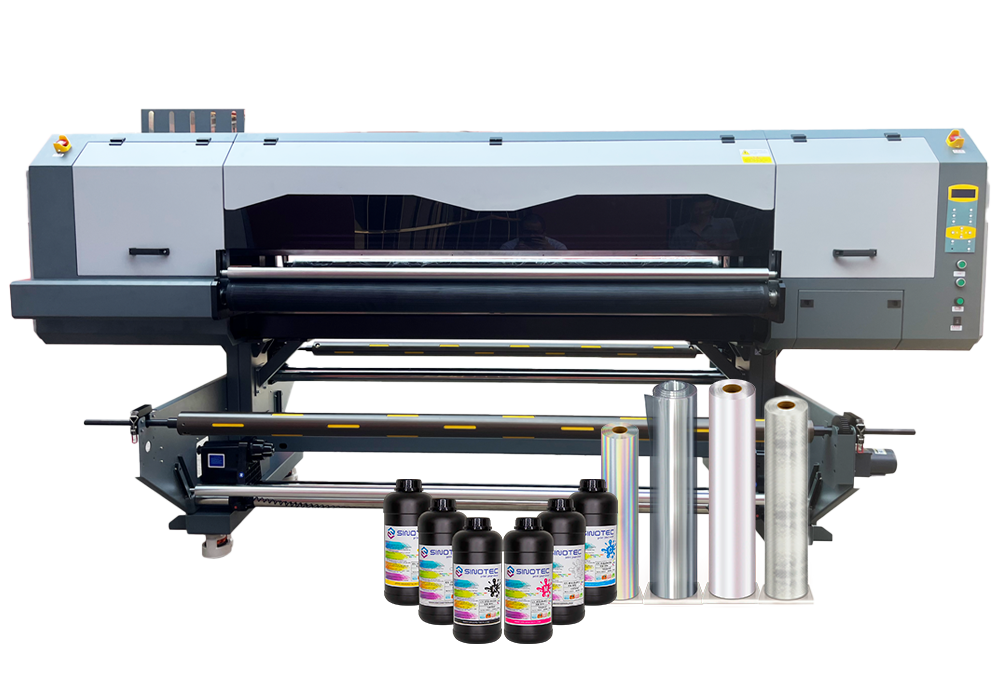
El rápido crecimiento de la impresión comercial, embalaje, anuncio, y las industrias manufactureras conducen a una demanda creciente de maquinaria de impresión avanzada. Las empresas requieren soluciones de impresión que proporcionen imágenes de alta calidad, mayor velocidad de producción, y opciones de personalización flexibles. An Impresora de inyección de tinta has become one of the most important choices for businesses because it enables precise digital printing on various substrates. Modern Digital Inkjet Printer technology, including advanced Professional Inkjet Printer solutions and High Resolution Inkjet Printer systems, ayuda a las empresas a conseguir resultados profesionales. Con mejoras continuas en los cabezales de impresión., sistemas de tinta, y procesos de automatización, today’s Inkjet Printing Machine delivers stable performance, mientras un Wide Format Inkjet Printer y High Speed Inkjet Printer provide greater efficiency for large-scale and demanding printing applications.

Why Inkjet Printer Technology Is Important for Modern Printing Applications

Thanks to the rising demands towards customized products and accelerated production cycles, Las tecnologías tradicionales ya no pueden adaptarse a muchos sectores.. Una impresora de inyección de tinta proporciona un proceso de impresión digital flexible, allowing making different designs rapidly without requiring any additional preparations. No matter whether the device is used for advertisement, embalaje, decoration, or industrial purposes, advanced inkjet technology will let companies get their products quickly and with high quality. The emergence of the Digital Inkjet Printer has raised professional printing to a new level.

Inkjet Printer Provides Flexible Digital Printing Solutions

The Inkjet Printer is a digital controlled printer that creates images, texts, patterns on different substrates. Due to absence of plates enterprises can complete print jobs quickly in a customized manner. A contemporary Digital Inkjet Printer can be applied for labels, embalaje, promotional items and decoration objects. Flexible operation and easy setup make it possible for enterprises to satisfy customer requests and changes in markets.

High Resolution Inkjet Printer Ensures Excellent Image Quality

The High Resolution Inkjet Printer offers great picture detail, precise color, and good performance. Print heads manage ink drops in order to provide good text, graphics, and images. De este modo, the High Resolution Inkjet Printer is appropriate for those industries that need great visual results like advertisement, embalaje, and product decorating. Stable performance over a long period of time makes it possible for companies to produce impressive printed materials.

Professional Inkjet Printer Meets Commercial Production Requirements

The Professional Inkjet Printer is created for those companies that have need of reliable work, stable operation, and good output results. Usually, the professional printer is sturdier than an ordinary one and has better control systems and material compatibility. Many commercial printers opt for the Professional Inkjet Printer because of its ability to provide continuous output of high-quality images.

Impresora de inyección de tinta

Wide Format Inkjet Printer Expands Large-Scale Printing Opportunities

A wide format print usage becomes popular in advertising, exhibitions, retail design, and interior design industry. A Wide Format Inkjet Printer provides the possibility to produce large-size graphics with high resolution and good color reproduction. When compared with conventional printing processes, wide format printing is more versatile and can be applied to different substrates. It can produce various visual images, such as banners, pósters, wall decorations, and commercial displays.

Wide Format Inkjet Printer Supports Large Advertising Projects

Wide Format Inkjet Printers have wide application for producing large-size advertisements that should be attractive and durable. Such printers can print high-quality graphics on a variety of substrates including vinyl, fabric, papel, and other materials. For advertisers and display producers, a reliable large-format printing technology increases efficiency and saves production time.

Digital Inkjet Printer Improves Customized Printing Efficiency

With the Digital Inkjet Printer, there is improved efficiency of printing when it comes to customized prints and short-run productions. In digital files, no specific preparations are required since they just require the design update in order to achieve changes. Como resultado, the Digital Inkjet Printer has become common in packaging, labeling, personalization, and promotions.

Inkjet Printing Machine Enhances Industrial Printing Performance

A new Inkjet Printing Machine makes use of automation, precise technology, and ink feeding system to improve the efficiency of printing in an industrial setting. Current machines are designed to work continuously in the process of manufacturing with quality. The productive Inkjet Printing Machine caters to various materials and industries for increased efficiency in manufacture.

High Speed Inkjet Printer Improves Productivity for Growing Businesses

As the demand for production increases in the world industries, printing speed becomes a significant factor for the success of any business. A High Speed Inkjet Printer provides fast printing operations without reducing the quality of prints. Such devices are often used in commercial printing, packaging production, and industrial manufacturing when efficiency plays an important role. With the help of such a machine, a company will be able to print more products within shorter periods.

High Speed Inkjet Printer Provides Faster Production Capability

With the help of a High Speed Inkjet Printer, companies will be able to expand their production capability by being able to complete printing operations faster than usual. The High Speed Inkjet Printer is designed in such a way that it optimizes its ink flow, data processing, and movement controls to perform efficiently. In order to satisfy the demands of the customers and increase the efficiency of work, it becomes essential for the company to have a high speed printer.

Inkjet Printer Supports Various Industrial Applications

Being adaptable in nature, the Inkjet Printer can be employed in various industries, such as packaging industry, textiles industry, electronics industry, advertising industry, and manufacturing industry. With the different types of inks used in the process, the equipment can be used to print on various substrates, thus providing more possibilities for the products to be customized. Whatever purpose is served through the use of Inkjet Printer, it performs accurately and efficiently.

Professional Inkjet Printer Helps Businesses Achieve Better Results

Professional Inkjet Printer is not just about quality printing outputs but also assists companies in managing their production process and becoming more efficient. With its tough construction, software control, and printing reliability, a professional printer may be able to meet the long-term demands of a company. Companies that opt for a Professional Inkjet Printer will have the opportunity to produce consistent products, overcome maintenance problems, and provide their customers with better products.

Impresora de inyección de tinta

How to Choose the Right Inkjet Printer for Business Needs

The right choice of printing equipment involves analysis of application needs, quantity of production, types of materials, and required quality. Various types of Inkjet printers will be needed by different businesses, such as miniaturized printers, large-scale ones, or even industrial equipment. Knowledge about pros of each of the types of Inkjet Printer is very helpful for making the right choice for a company.

Consider Printing Quality and Resolution Requirements

Print quality is one of the key aspects of inkjet printer selection, especially in cases when there are needed highly detailed graphics and professional images. High Resolution Inkjet Printer will be able to perform all tasks and provide better image quality. The requirements of the products should be checked first before selecting any kind of equipment. High-quality printing will not only make the product look more professionally but also help in building brand identity.

Evaluate Speed and Production Capacity

The production speed is an important factor for today’s printing industry since customers demand faster delivery times. The use of the proper High Speed Inkjet Printer will help increase work flow efficiency and production volume. Companies need to take into account existing production needs and future growth possibilities while assessing printing equipment. Proper balance between printing speed, calidad, and efficiency will ensure that selected Inkjet Printer meets growing business demands.

Select Reliable Equipment from Experienced Manufacturers

Collaboration with experienced suppliers is very important for acquisition of professional printing equipment. Experienced providers offer innovative technologies, customized products, technical and maintenance support. Using a high quality Inkjet Printing Machine will allow obtaining stable production results and eliminating possible difficulties associated with equipment operation. An experienced supplier will be able to provide more effective solutions according to particular application needs.

Conclusión

Due to the increasing application of digital printing technology, the Inkjet Printer has emerged as a key solution that can help businesses be more productive and efficient, as well as provide them with professional quality output. The wide range of inkjet printers available includes the Wide Format Inkjet Printer for large format advertising jobs, High Resolution Inkjet Printer for precise imagery, and High Speed Inkjet Printer for fast printing, among others. By choosing the appropriate Digital Inkjet Printer or Professional Inkjet Printer, businesses can become more productive and competitive in the international market. To learn more about high-quality Inkjet Printer solutions, professional digital printing equipment, and customized printing options, por favor visita SINOTEC | Equipos de publicidad digital & Consumibles.

Tecnología de transferencia de calor

Aplicaciones de la tecnología de transferencia de calor en camisetas personalizadas, Tazas & Fundas para móviles

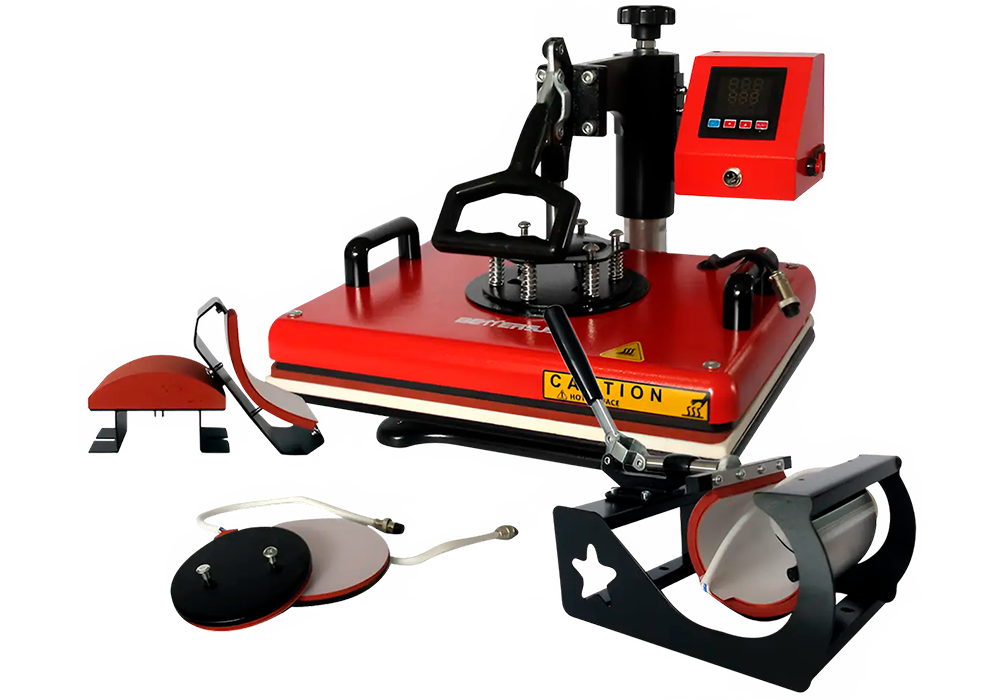
Con el constante aumento de la demanda de productos personalizados y merchandising personalizado., La técnica de transferencia de calor se ha convertido en una de las mejores opciones para empresas y particulares dispuestos a fabricar artículos personalizados de calidad.. Desde fabricantes de moda y agencias de promoción hasta talleres y tiendas online, La tecnología de transferencia de calor ofrece una gran flexibilidad., colores brillantes, y resultados de impresión de calidad. Los dispositivos de impresión actuales como Máquina de transferencia de calor hacer posible que los usuarios transfieran imágenes complicadas a diversos materiales como tela, cerámico, y accesorios para telefonos. Entre estas aplicaciones, Impresión de camisetas por transferencia de calor. se ha convertido en una solución popular para crear prendas personalizadas con diseños detallados y patrones duraderos., mientras un Impresora de tazas por sublimación. permite a las empresas producir tazas personalizadas coloridas y duraderas de manera eficiente. Este artículo analiza cómo se utiliza la técnica de transferencia de calor para fabricar camisetas personalizadas., tazas, y fundas para teléfonos y describe los beneficios de las soluciones de impresión de alta tecnología para la fabricación de productos personalizados..

La impresión de camisetas por transferencia térmica brinda nuevas posibilidades a la ropa personalizada

El mercado de la ropa personalizada ha crecido rápidamente, ya que los clientes tienden a elegir diseños únicos que representarán su estilo, marcas o ciertos eventos. La impresión de camisetas por transferencia de calor se ha convertido en una práctica común debido a que permite imprimir gráficos detallados en colores brillantes y con la suficiente rapidez., en comparación con otras técnicas de impresión. Gracias a la transferencia de calor y presión de los gráficos impresos., Los fabricantes pueden crear camisetas personalizadas de alta calidad y aspecto profesional..

Diseños de alta calidad y personalización flexible para camisetas

Uno de los beneficios más importantes de la impresión por transferencia térmica de camisetas es que se pueden lograr diseños de alta calidad.. No importa qué combinación de colores tenga una imagen o un degradado; La tecnología de transferencia de calor brinda la oportunidad de imprimir diseños muy detallados sin ninguna dificultad.. Cualquier empresa podrá crear fácilmente su propia colección de camisetas personalizadas., promociones, uniforme deportivo, y ropa para eventos sin preparación de producción adicional.

Proceso de producción eficiente para pedidos de prendas de vestir grandes y pequeños

Otro beneficio de utilizar la tecnología de transferencia de calor es el eficiente proceso de impresión.. Con la ayuda de equipos modernos., Los operadores pueden imprimir camisetas de forma rápida y eficiente., Ahorro de materiales y reducción de costes de producción.. Los pequeños comercios podrán confeccionar ropa a medida según las necesidades de cada cliente, mientras que las grandes empresas podrán instalar sistemas de transferencia de calor en su línea de producción.

Rendimiento de impresión duradero para productos de ropa de uso diario

La durabilidad es uno de los elementos críticos que se deben considerar al seleccionar un proceso de impresión en prendas de vestir personalizadas.. Las modernas tecnologías de transferencia de calor garantizan una unión fiable de la capa de diseño al tejido., lo que permite que los patrones impresos mantengan su forma y color durante múltiples lavados y usos.. Con ajustes de temperatura adecuados y utilizando materiales de transferencia adecuados, Las camisetas personalizadas tendrán una alta durabilidad., evitando procesos como el desvanecimiento, agrietamiento, y pelando. De este modo, Las empresas pueden ofrecer a sus clientes productos duraderos..

Tecnología de transferencia de calor

La impresora de tazas por sublimación amplía las aplicaciones de bebidas personalizadas

Hoy, Los envases para bebidas personalizados han ganado popularidad en el sector del regalo., publicidad, y las industrias minoristas. Para producir tazas personalizadas con imágenes vibrantes., logotipos de la empresa, y otra información de texto, Se puede considerar el uso de una impresora de tazas por sublimación.. Gracias a esta técnica, Las tintas especializadas se transforman en gases a altas temperaturas y quedan incrustadas permanentemente en el revestimiento de las tazas..

Creación de diseños de tazas a todo color con tecnología de sublimación

La característica más valiosa de la impresora de tazas por sublimación es la oportunidad de realizar diseños a todo color y de alta resolución.. No importa qué imagen o patrón le gustaría imprimir en su taza, ya sea una fotografía., un elemento artístico o el logotipo de una empresa: con la tecnología de sublimación podrá obtener imágenes detalladas y bien reproducidas. En comparación con las tecnologías de impresión de superficies., La sublimación te ayudará a crear diseños., que pasan a formar parte del revestimiento de la taza, brindándole así una calidad superior y una sensación suave de tazas personalizadas.

Apoyo a empresas de obsequios personalizados y productos promocionales

Siempre hay una demanda creciente de regalos personalizados., y esto da más posibilidades a las empresas que se ocupan de regalos personalizados.. Usando un sistema de impresión por sublimación, puedes crear rápidamente tazas para cumpleaños, vacaciones, diversas ocasiones de negocios o actividades de marketing. El diseño individual es posible con esta tecnología, y es perfecto para sistemas de personalización en línea cuando los clientes proporcionan sus diseños..

Mejora de la eficiencia de la producción con equipos de impresión profesionales

Las máquinas de sublimación profesionales en combinación con las máquinas de impresión adecuadas contribuirán enormemente a que su negocio sea más eficiente.. Las soluciones modernas ayudan al usuario a lograr una alta eficiencia, ya que el control de la temperatura siempre será preciso y el proceso de impresión será fluido.. En combinación con otros equipos de transferencia de calor., La impresión por sublimación se convierte en parte de una máquina de producción de personalización completa que es capaz de servir diferentes tipos de productos..

La máquina de transferencia de calor admite soluciones de personalización de múltiples productos

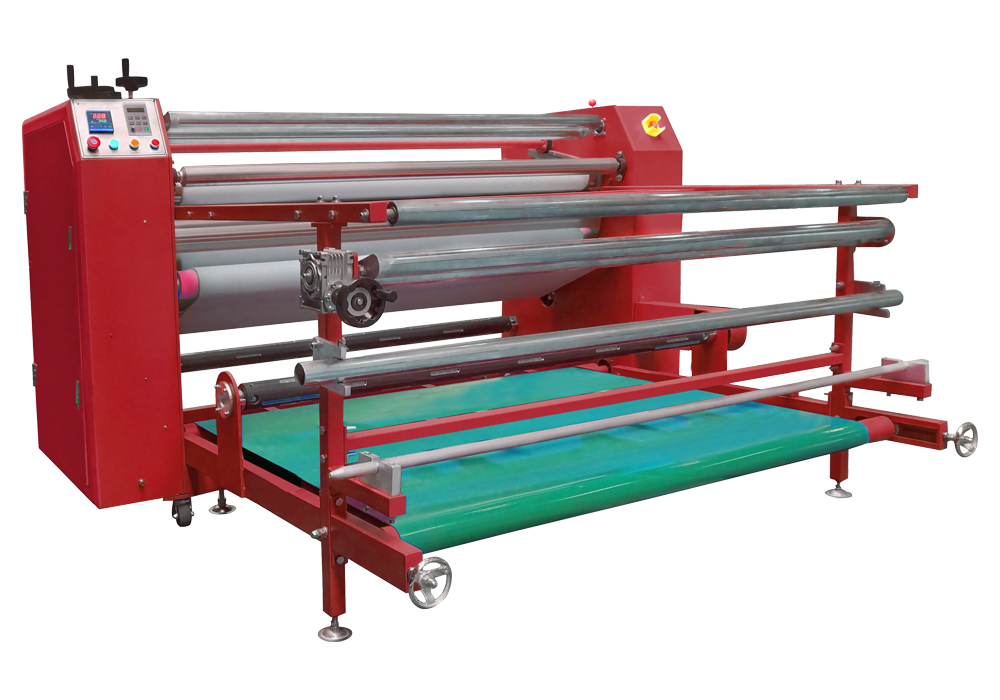
La máquina de transferencia de calor profesional es lo que hace posible la mayoría de los procesos de transferencia de calor debido al calor y la presión que crea durante el proceso de transferencia.. Si necesitas camisetas, tazas, o cualquier otro artículo personalizado, Esta máquina permite al usuario obtener los productos deseados de alta calidad.. Con el crecimiento de la demanda de mercancías personalizadas., Esta máquina se está volviendo muy importante para todos en el negocio de fabricación..

Aplicaciones versátiles más allá de los productos de ropa

Si bien la tecnología de transferencia de calor se asocia popularmente con la personalización de la ropa, sus aplicaciones son mucho más amplias que las relacionadas con los textiles. La moderna máquina de transferencia de calor permite la personalización de otros materiales, como fundas de teléfonos., bolsas, cerámica e incluso artículos promocionales.. La diversidad de aplicaciones brinda a las empresas la posibilidad de diversificar la gama de sus productos, así como de atender a varios grupos de clientes.. Los jóvenes aprecian especialmente la personalización de las fundas de los teléfonos debido a la personalización de estos artículos con imágenes creativas..

El control preciso de la temperatura y la presión mejora los resultados

La calidad de los equipos de transferencia de calor influye significativamente en los resultados de la producción.. El equipo especial permite configurar parámetros tales como la temperatura., presión y tiempo de transferencia para lograr una buena transferencia del diseño en varias superficies. La configuración incorrecta puede causar una transferencia incorrecta, inconsistencia del color y falta de durabilidad. Para las empresas especializadas en la personalización de productos la elección de la maquinaria adecuada es fundamental.

Elegir el equipo de transferencia de calor adecuado para el crecimiento empresarial

Sin embargo, ya que las diferentes empresas de personalización tienen requisitos variados, algunos pueden necesitar un tipo particular de equipo de transferencia de calor que otros, dependiendo de lo que fabrican, ¿Cuánto producen?, y el tipo de materiales que utilizan. Por ejemplo, Los estudios pequeños pueden optar por máquinas más pequeñas que ofrezcan flexibilidad a la hora de recibir pedidos.. Evaluar problemas como la compatibilidad de la máquina, facilidad de operación, eficiencia energética, y las necesidades de impresión pueden ayudar a las empresas a elegir equipos que permitan el crecimiento en el futuro.

Tecnología de transferencia de calor

Tendencias de desarrollo futuro de la tecnología de transferencia de calor en productos personalizados

Con las necesidades de los consumidores en constante crecimiento hacia productos personalizados que sean innovadores, La industria de la personalización también se está desarrollando.. Se prevé que la tecnología de transferencia de calor se utilizará más ampliamente debido a su flexibilidad., Eficiencia y capacidad para utilizar varios tipos de materiales.. Avances en la impresión digital, La tecnología de automatización y los materiales ecológicos abren nuevas oportunidades para las empresas de fabricación personalizadas.. Ya sean artículos de moda hechos a medida o productos de marca utilizados para promoción., Hay muchas maneras de aplicar la tecnología de transferencia de calor para satisfacer las demandas actuales del mercado..

Las innovaciones en tecnología ayudan a las empresas a prestar atención a cuestiones como la precisión de la impresión., producción rentable y sostenibilidad. Mediante el uso de software de diseño digital y equipos de transferencia de calor., Las empresas pueden ofrecer a sus clientes productos únicos de manera rápida..

Conclusión

La tecnología de transferencia de calor ha revolucionado la forma en que se producen los productos personalizados al proporcionar métodos efectivos de personalización de la ropa., vasos, y accesorios. La impresión de camisetas por termotransferencia es una de las opciones más adecuadas para hacer posibles diseños de ropa únicos, Mientras que la impresora de tazas por sublimación puede ayudar a fabricar vasos personalizados de buena calidad.. Además, La máquina de transferencia de calor podrá proporcionar muchas otras aplicaciones que permitirán a las empresas aumentar la eficiencia de la producción.. Debido al continuo desarrollo de mercados personalizados, La tecnología de transferencia de calor seguirá desempeñando un papel importante para las empresas.. Para obtener más información sobre soluciones confiables de tecnología de transferencia de calor y equipos de impresión personalizados, por favor visita SINOTEC | Equipos de publicidad digital & Consumibles.