
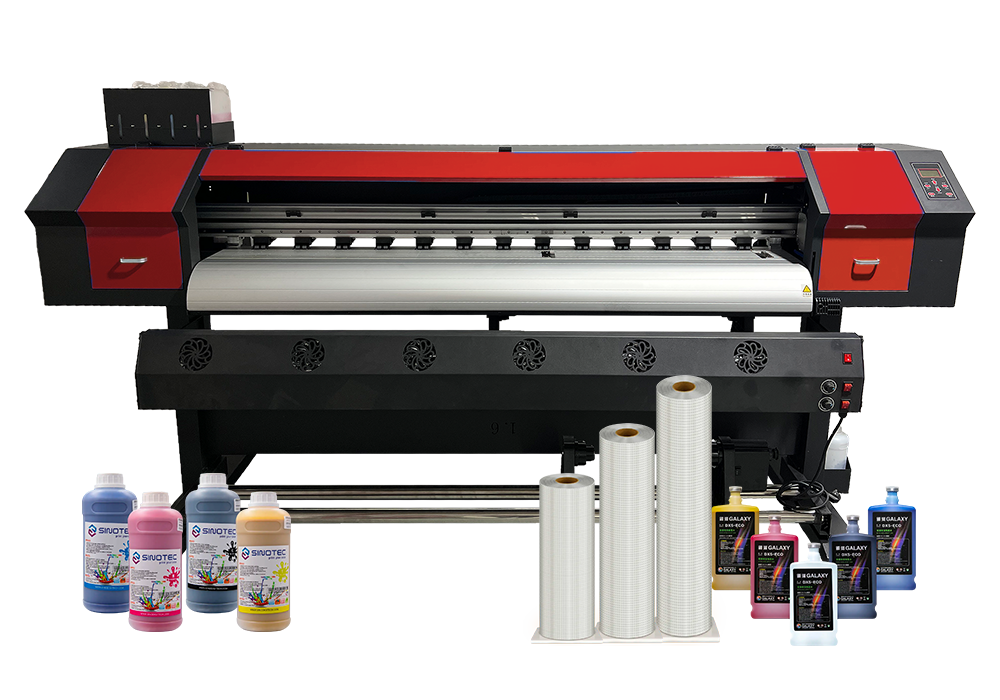
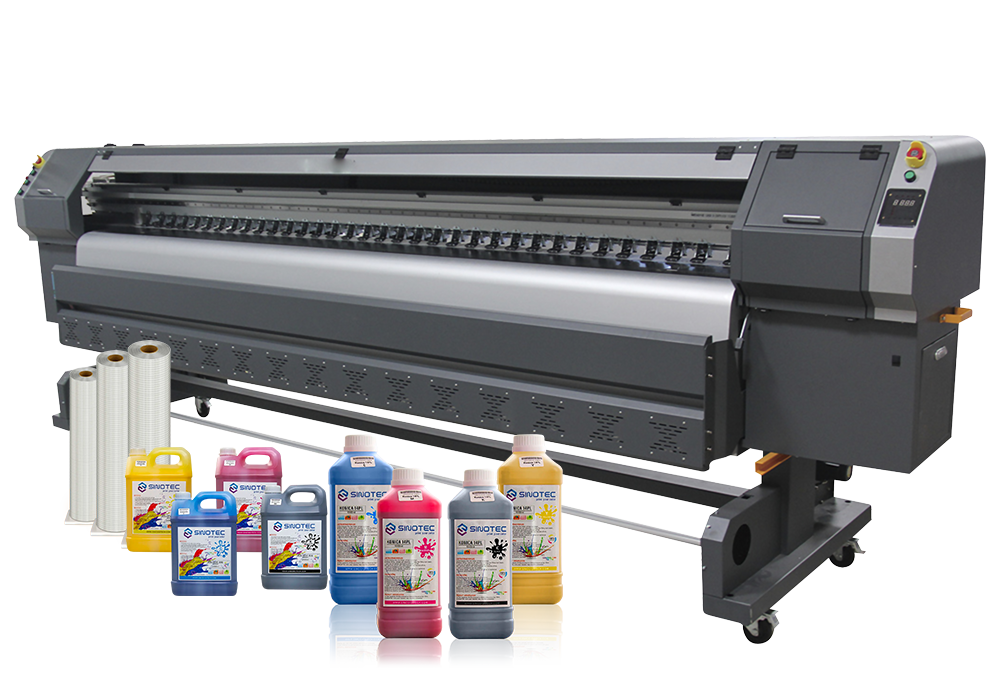
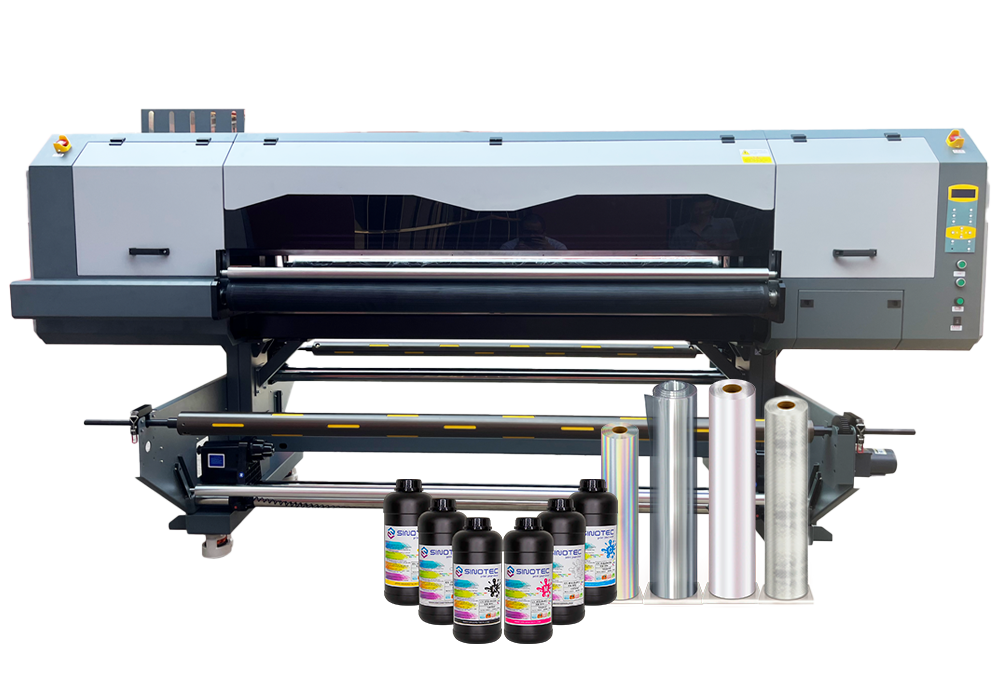
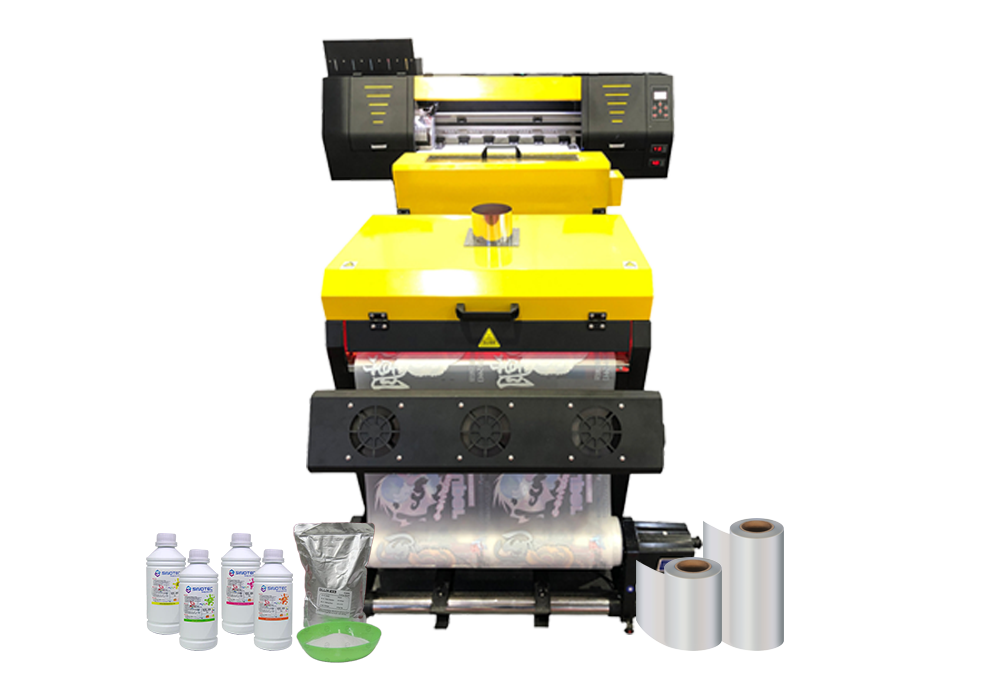




El mercado de prendas personalizadas está creciendo a un ritmo fenomenal, con el conjunto de impresión bajo demanda para crear más de 10 mil millones de dólares de ingresos mundiales 2027. A emprendedores y pequeños talleres, esta expansión trae oportunidades–pero también una elección: ¿Qué tecnología de impresión puede darles resultados profesionales sin arruinarse?? Ya estás a la vanguardia si estás considerando un impresora DTF para ejecutar su operación.
Esta guía elimina el ruido al comparar la tecnología de las impresoras directas a película con el proceso tradicional de transferencia de calor en términos de costo., calidad, flujo de trabajo, y escalabilidad de lotes con menos de 100 unidades. También sabrás cuando un Impresora de camisetas DTF es la mejor opción frente al vinilo o la serigrafía- y cuando todavía es estratégico utilizar las técnicas anticuadas.
Comprender la tecnología de impresoras de transferencia DTF para prendas personalizadas
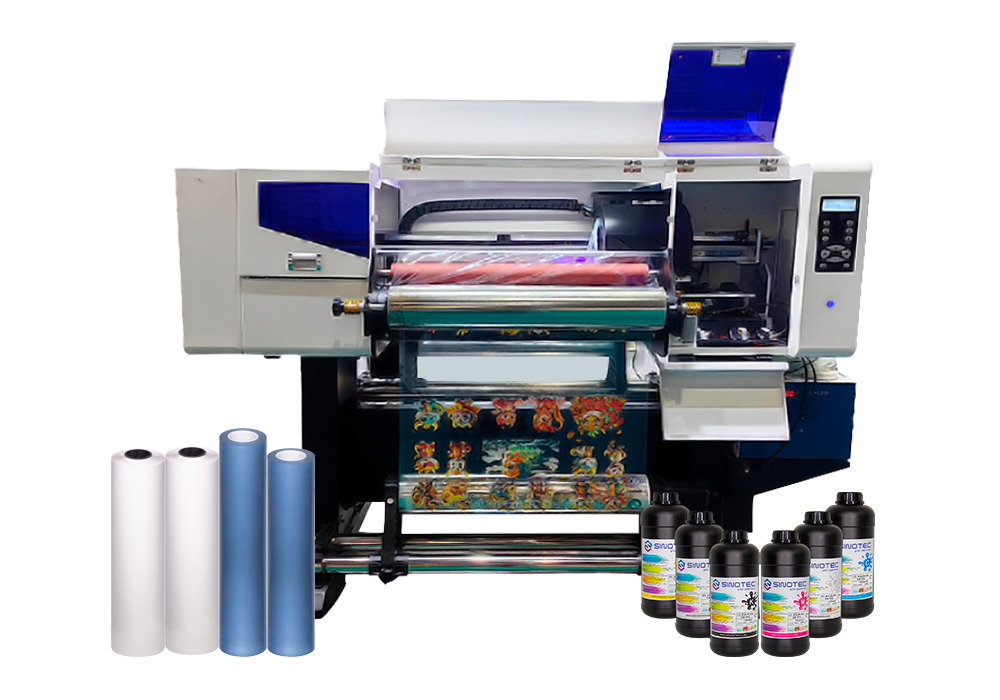
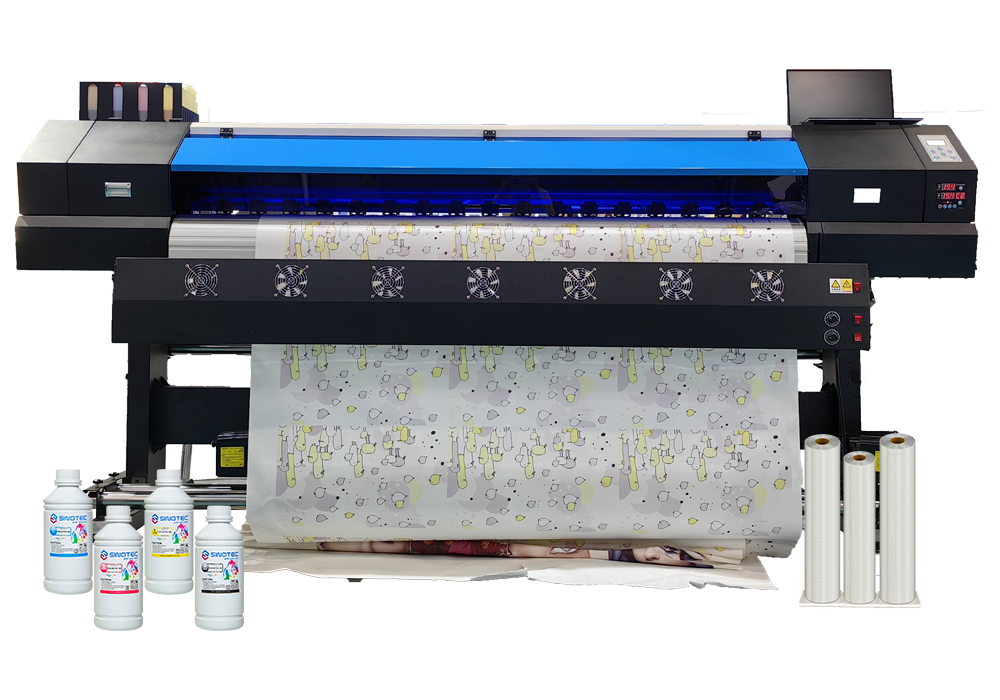
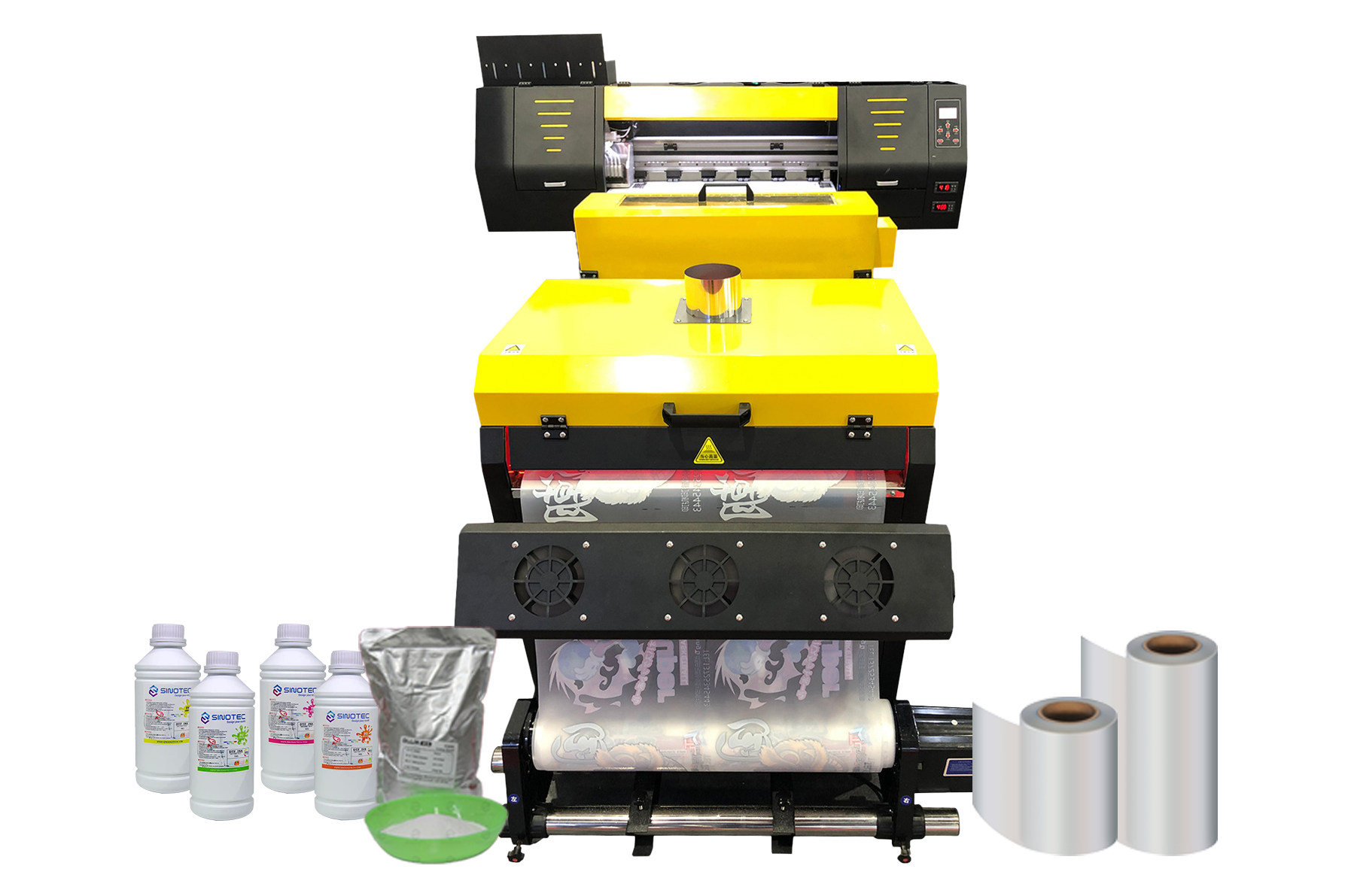
El Impresora de transferencia DTF es un avance importante en la decoración digital de prendas. Este sistema no utiliza pantallas., aerosoles para desmalezar o pretratamiento, pero transfiere el diseño a una película PET especial, rocía polvo adhesivo sobre él, y luego presiona la transferencia sobre la tela. El resultado? Brillante, estampados elásticos que se adhieren al algodón, poliéster, mezclas, e incluso los materiales más difíciles, como nailon o cuero.
Cómo funciona la impresión directa a película
El procedimiento comienza con el arte computarizado que se transmite a la impresora.. La impresora directa a película aplica capas de tinta blanca CMYK+ sobre la película. Una vez impreso, Se espolvorea un polvo fino adhesivo sobre la tinta húmeda y se seca con calor.. Cuando se enfría, el transfer se puede aplicar a prendas. El flujo de trabajo excluye los procesos de separación de colores y reduce el tiempo de configuración para tiradas cortas..
Componentes clave de la configuración de una impresora de camisetas DTF
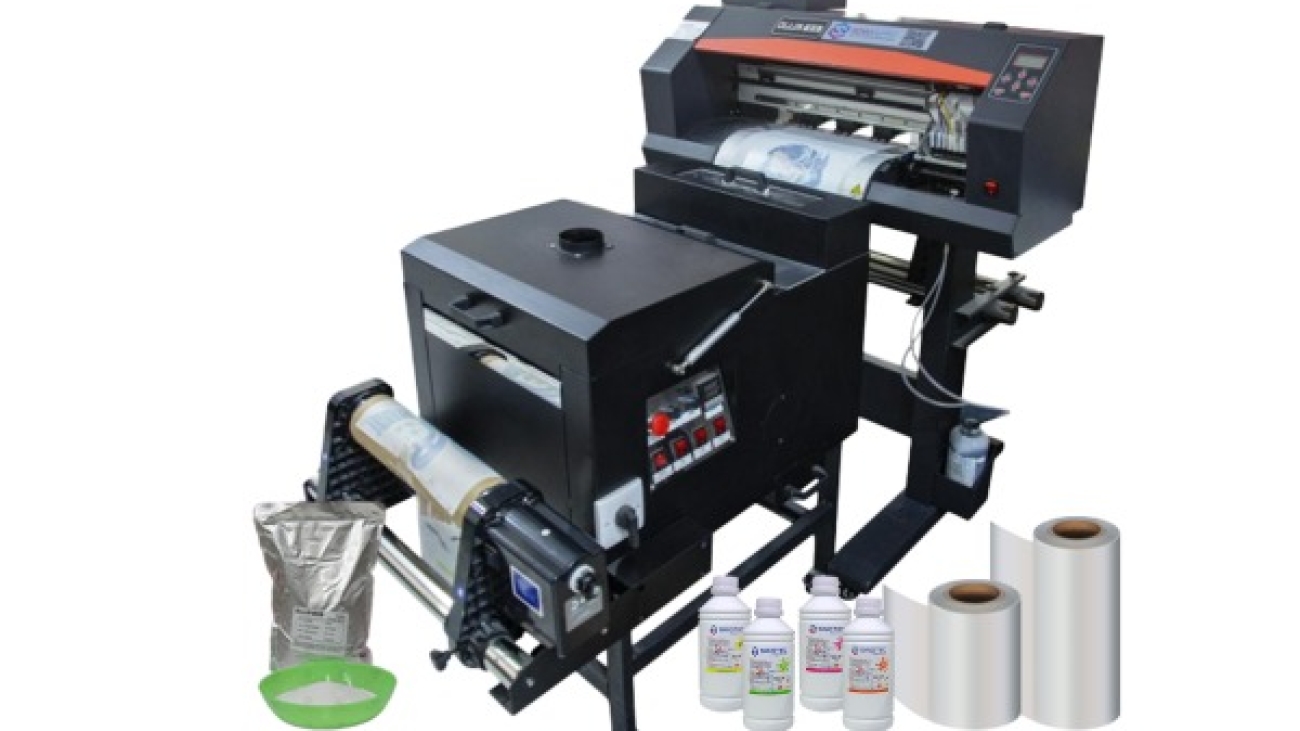
Una estación completa consta de la propia impresora., un aplicador de polvo o uno manual, un horno de curado o túnel de calor, y una prensa térmica de buena calidad.. Minimizar el desperdicio y mejorar la uniformidad., Las unidades modernas pueden incorporar sistemas de gestión de polvo..
Métodos tradicionales de transferencia de calor: Serigrafía y Cortadoras de Vinilo
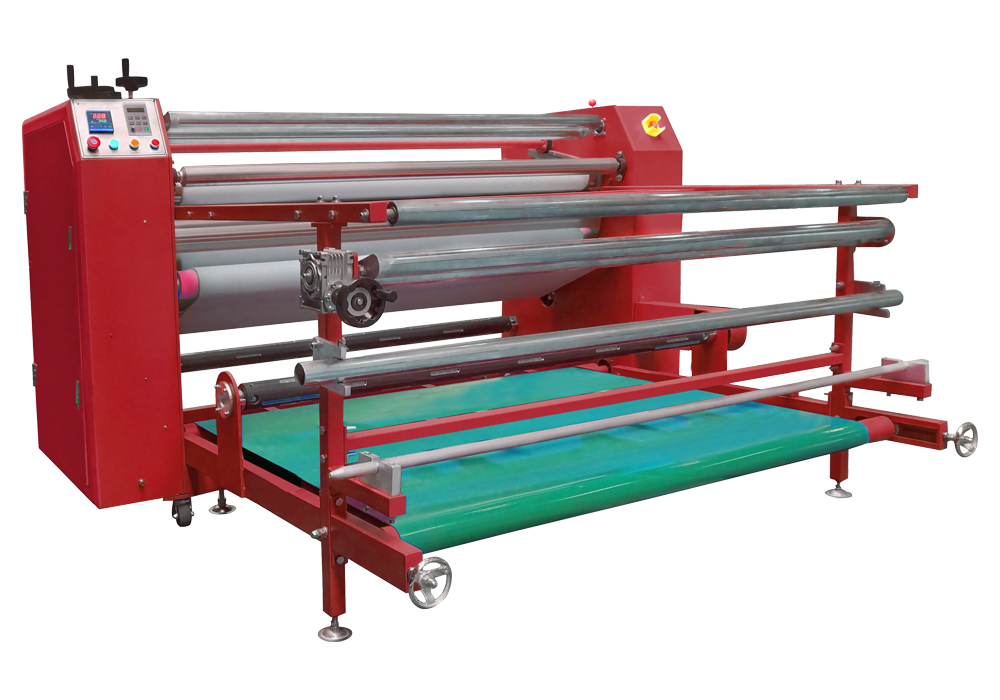
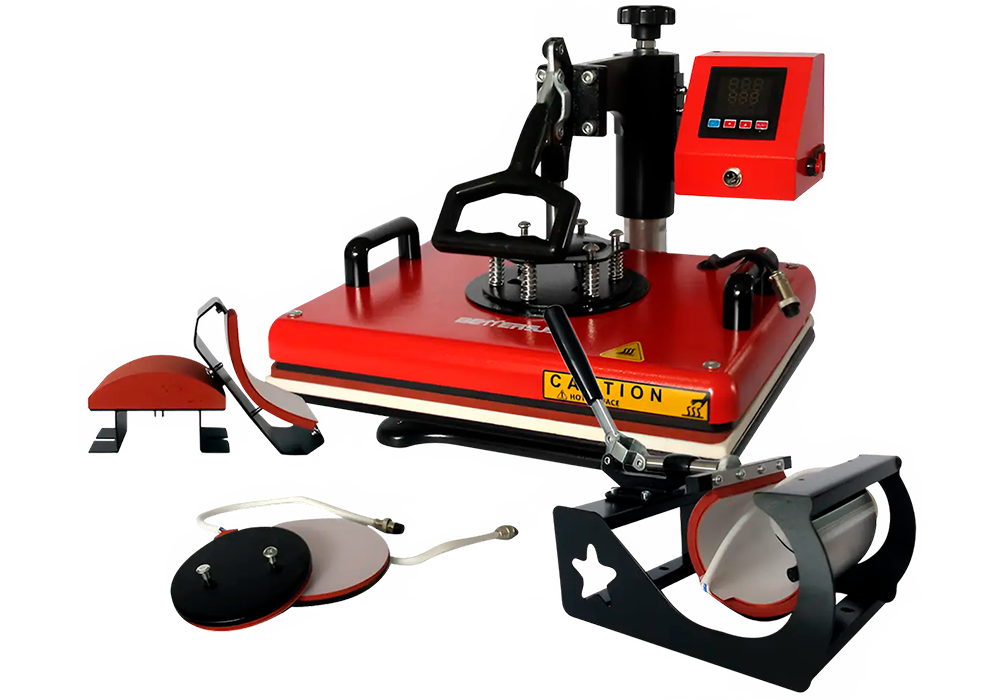
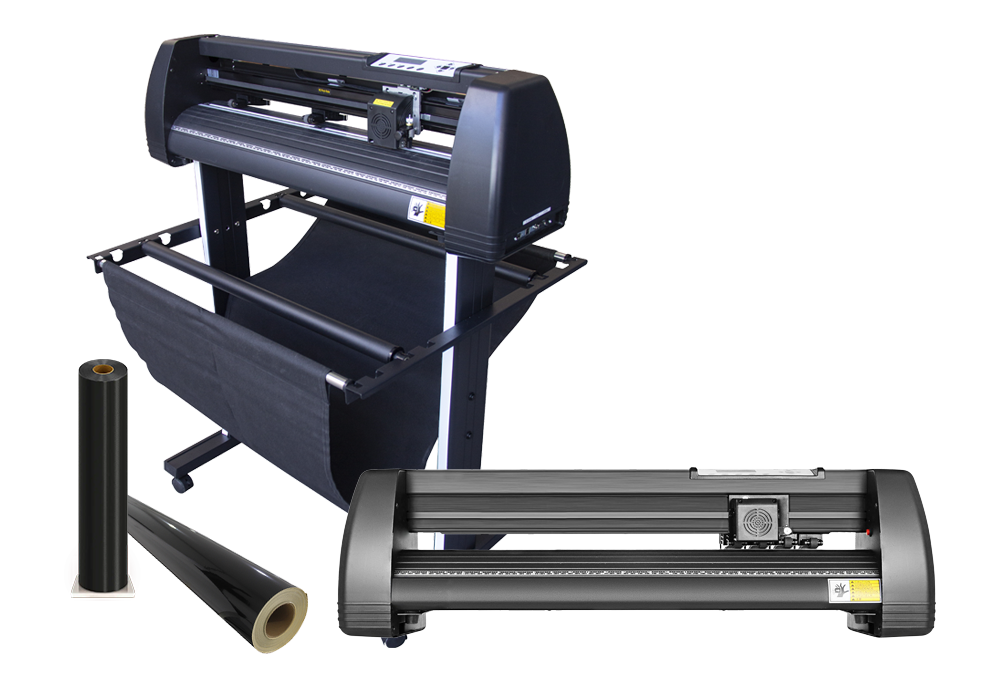
Hay dos métodos principales en la transferencia de calor tradicional.: Transfers de serigrafía y corte de vinilo.. El vinilo es una técnica en la que se recortan diseños en papel de colores., exceso de material desherbado, y presionado sobre la ropa. Las transferencias en serigrafía se transfieren utilizando tinta forzada a través de pantallas de malla para transferir papel., que luego se aplica calor a la tela.
Cuando la transferencia de calor con vinilo todavía tiene sentido
El vinilo sigue siendo perfecto cuando necesitas un simple, logotipo de un color en prendas ligeras. Requiere algunos requisitos de equipamiento y tiene una excelente capacidad de cobertura de telas oscuras en ausencia de bases de tinta blanca.. Las cortadoras de vinilo son predecibles y de baja complejidad., lo que los hace efectivos cuando los negocios están relacionados con diseños basados en texto o números deportivos.
Limitaciones de la serigrafía para tiradas pequeñas
Las transferencias de serigrafía requieren mucha preparación: pantalla quemada, mezcla de tinta, y alineación de registro. Estas medidas suponen un coste fijo elevado, que sólo resulta rentable a mayores volúmenes de producción. En lotes de menos de 50, El costo unitario y el tiempo invertido pueden descompensar las ventajas de costo en durabilidad..
| Característica | Impresora DTF | Transferencia de calor de vinilo | Transferencia de serigrafía |
| Tiempo de configuración | Muy bajo | Bajo | Alto |
| Lo mejor para lotes pequeños | Excelente | Bien | Pobre |
| Impresión a todo color | Sí | Limitado | Sí |
| Compatibilidad de telas | Algodón, Poliéster, Mezclas, Nylon | Principalmente algodón/poliéster | Bien |
| prendas oscuras | Excelente | Excelente | Excelente |
| Intensidad Laboral | Bajo | Alto (deshierbe) | Alto |
| Costo por camiseta (Carreras pequeñas) | Bajo | Medio | Alto |
| Durabilidad | Alto | Medio | Alto |
| Rendimiento de estiramiento | Excelente | Moderado | Bien |
| Curva de aprendizaje | Moderado | Fácil | Avanzado |
Comparación de costos y eficiencia: Impresora DTF frente a métodos tradicionales
Los costos iniciales varían significativamente entre DTF y los métodos de impresión tradicionales.. Un sistema de impresora DTF profesional típico cuesta entre 3,000 y 8,000 dolares, incluyendo impresora, sistema de polvo, y unidad de curado. La serigrafía convencional necesita un coste unitario de exposición $5,000-15,000, prensas, y tendederos, así como gastos continuos en pantallas y emulsiones.
DTF es más rentable para la producción de lotes pequeños.
- DTF: $1.50–$3.00 por camisa (incluyendo película, tinta, polvo)
- Vinilo: $2.00-4.50 por camisa (material y mano de obra de deshierbe)
- Transferencia de pantalla: $3.00-6.00 por camisa (conjunto amortizado en tiradas pequeñas)
La eficiencia en términos de tiempo también inclina la balanza. Una impresora de transferencia DTF es capaz de crear transferencias listas para imprimir en minutos sin desbastar ni recuperar la pantalla.. Las técnicas convencionales aumentan el tiempo de preparación por diseño al 15-45 minutos.
| Método | Costo estimado por camisa | Tamaño de pedido ideal |
| Impresión DTF | $1.50–$3.00 | 1–100 piezas |
| Transferencia de vinilo | $2.00–$4.50 | 1–30 piezas |
| Serigrafía | $3.00–$6.00 | 100+ piezas |
Calidad de impresión y durabilidad: ¿Qué método ofrece mejores resultados??
En opinión de los clientes., Las dos cosas más importantes cuando se trata de tu trabajo son el impacto visual y la longevidad.. La impresora directa a película tiene detalles fotorrealistas, gradientes suaves, y acabados suaves al tacto. La base blanca permite utilizar colores brillantes en ropa oscura sin endurecer la tela..
Los estándares de la industria utilizados para probar la durabilidad incluyen la resistencia al lavado., resistencia al agrietamiento, y solidez del color. La comparación de métodos se puede ver aquí.:
- Durabilidad del lavado: DTF transferible cuando se cura adecuadamente, puede resistir más de 40 lavados comerciales.
- Recuperación de estiramiento: Las impresiones DTF resisten la integridad en telas de alto rendimiento y en vinilo..
- Precisión del color: Procesos DTF digitales eliminan el error de registro de pantalla.
- La mano siente: Los revestimientos adhesivos DTF son lo suficientemente finos como para no alterar la caída de la prenda..
El vinilo utilizado en formato tradicional proporciona una buena opacidad pero puede ser duro y romperse si se lava con frecuencia.. Las transferencias serigrafiadas son duraderas, con tendencia a comprometer la transpirabilidad del tejido.
| Objetivo empresarial | Mejor método de impresión |
| Pequeños pedidos personalizados | Impresora DTF |
| Gran producción a granel | Serigrafía |
| Nombres & números de camiseta | Transferencia de vinilo |
| Obra fotográfica | Impresora DTF |
| Impresión multitela | Impresora DTF |
¿Por qué elegir SINOTEC?
La confiabilidad del equipo y el soporte técnico son importantes cuando se trata de hacer crecer su negocio de personalización tanto como la calidad de impresión.. SINOTEC colabora con empresas de impresión y tejidos de todo el mundo para ofrecer más que hardware: ofrecemos soluciones de extremo a extremo.
Tener más de 20 años de experiencia en la industria, SINOTEC integra la última tecnología de impresión digital, tecnología láser, y tecnología de bordado con soporte de operación local. Contamos con una red global en toda Europa del Este, Sudeste Asiático, África, y América Latina con sucursales en el extranjero que garantizan una logística ágil y un servicio postventa.
Todas las fábricas asociadas son revisadas cuidadosamente en su calificación y cuentan con sistemas de inspección de calidad de proceso completo.. Quieres iniciar una nueva línea de impresoras de camisetas DTF, o quieres agilizar los procesos actuales. SINOTEC le ayudará a transformar las ideas creativas en realidad., resultado rentable. Visita todo nuestro portafolio de equipos de fabricación digital orientados al desarrollo sostenible.
Conclusión
La decisión de utilizar una impresora DTF o una termotransferible estándar depende de tres variables: tamaño del lote, variedad de telas, y requisitos de calidad.
Para empezar, La tecnología DTF minimiza significativamente el tiempo de configuración y el costo cuando la ejecución es inferior a 100 unidades. Segundo, puede imprimir vibrante, diseños suaves al tacto en casi cualquier tejido, por eso aumenta su oferta de servicios. Tercero, la corriente Impresora de transferencia DTF Los sistemas brindan alta calidad y longevidad profesional para satisfacer a los clientes habituales..
Póngase en contacto con SINOTEC a través del contacto hoy para analizar cómo nuestras soluciones DTF expertas y nuestro sistema de soporte internacional pueden ayudarlo a lograr el éxito de la personalización de lotes pequeños más rápidamente.. El futuro de la decoración textil reside en la dinámica, Negocios orientados a la tecnología: coloque el suyo en primer plano..
Preguntas frecuentes
¿Qué impresora DTF es la más adecuada para la puesta en marcha de una pequeña empresa??
Los modelos básicos de impresoras DTF de marcas reconocidas tienen 13 -16 ancho de impresión en pulgadas, un sistema automático de alimentación de polvo, y software RIP fácil de usar. Cuando estés en tu curva de aprendizaje, Priorizar aquellas unidades que cuentan con soporte técnico local y consumibles que se pueden obtener en cualquier momento para reducir el tiempo de inactividad..
Comparación de la impresión por transferencia DTF con la sublimación de algodón?
Una impresora de transferencia DTF es diferente a la sublimación, que sólo se adhiere al poliéster; una impresora de transferencia DTF se adhiere al algodón, mezclas, y telas oscuras con base blanca usando tinta blanca. Esta flexibilidad permite utilizar DTF en tiendas que manejan una amplia gama de tipos de prendas sin tener que mantener varios sistemas de impresión..
¿Podrá una impresora directa a película trabajar con ropa oscura sin tratamiento previo??
Sí. Los flujos de trabajo de impresión directa a película utilizan la capa de tinta blanca para dar opacidad a prendas negras o de colores sin rociar previamente las prendas.. Esto elimina un proceso adicional que se necesita en ciertos procesos DTG, simplificar la producción de lotes de orden mixto.
¿Cuánto tiempo se tarda en promedio en recibir pedidos de impresoras de camisetas DTF??
Aprobación de expediente para una prenda planchada. Un flujo de trabajo de impresora de camisetas DTF puede completar lotes pequeños (10-50 unidades) en 1-2 horas. Esta velocidad permite el cumplimiento el mismo día.- una fortaleza frente a los modelos de negocio bajo demanda que compiten con los minoristas de moda rápida.
¿Son lotes de menos de 50 piezas más rentables para imprimir en DTF que en vinilo?
Generalmente, Sí. Aunque se pueden producir diseños de un solo color con menores costos de material utilizando vinilo, El flujo de trabajo digital de DTF ha eliminado la mano de obra de deshierbe y el tiempo de instalación.. En impresión por transferencia y diseños fotográficos con cantidades inferiores a 50 elementos, La economía de la impresión por transferencia DTF tiende a lograr una reducción en el costo total por prenda de 20-40 por ciento.
¿Cuál es la duración de la transferencia de DTF en comparación con los métodos convencionales de prensa térmica??
Las transferencias DTF se transfieren, cuando se cura con éxito, Cumplir o superar los estándares de resistencia al lavado de la industria. (Método de prueba AATCC 61). Generalmente conservan la viveza del color y la adherencia con 40-50 lavados comerciales- Igual en calidad a las transferencias de serigrafía y mejor que las aplicaciones básicas de vinilo..