




What Industrial DTF Printer Quality Control Actually Covers — and Why It Changes Your Supplier Decision
Quality control in the industrial DTF printer space is not a single checkpoint — it’s a layered process that starts at component sourcing and runs all the way through post-shipment performance validation. Procurement managers who treat QC as a final inspection pass tend to inherit problems that surface months into production. The ones who ask the right questions upfront rarely do.
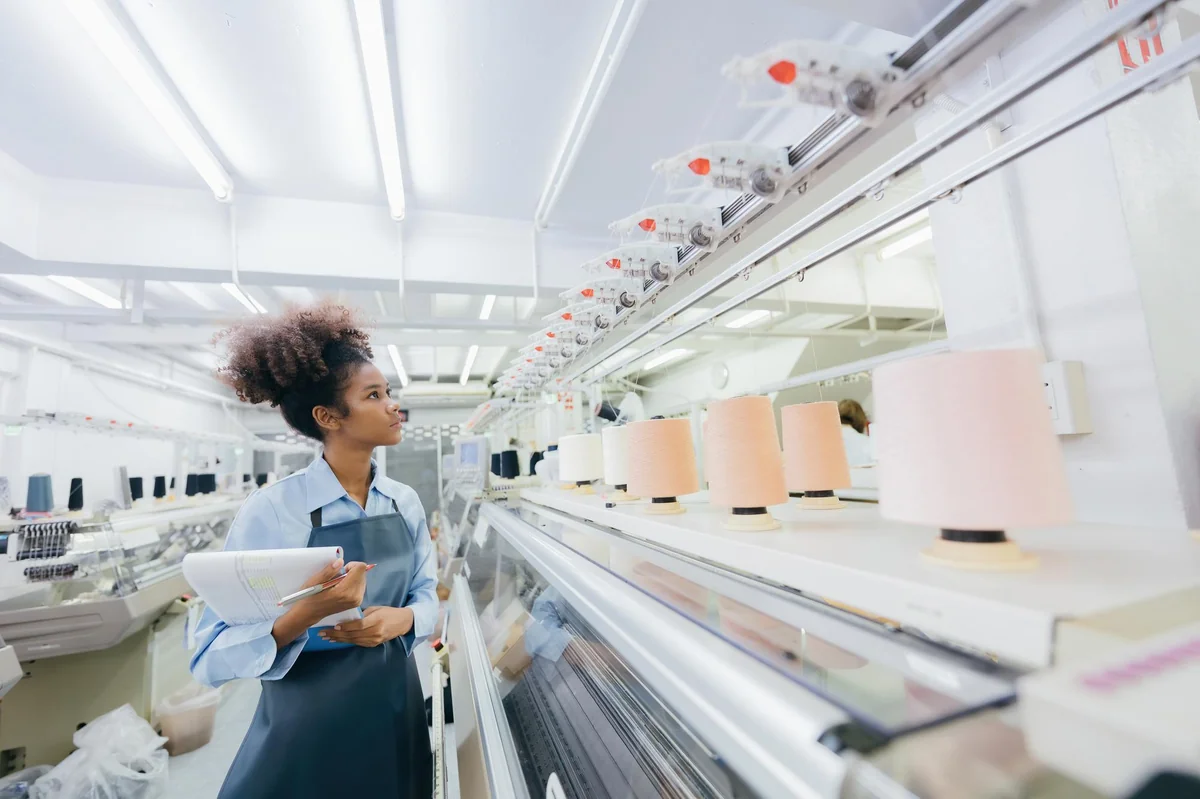
So what does rigorous QC actually cover here? At the mechanical level, it means printhead alignment tolerances, ink delivery consistency across the full print width, and film feed precision — any deviation in those systems compounds across high-volume runs. At the output level, a professional DTF printer should demonstrate stable color gamut retention across substrates, sharp edge definition, and wash-durability that holds up under commercial laundering cycles, not just controlled lab conditions.
Then there’s the electrical and safety certification layer. CE, FCC, RoHS — these aren’t just paperwork. They determine whether the equipment clears customs in your target market and whether your facility insurance remains valid. Suppliers who can’t produce original certification documents on request are telling you something important about their QA infrastructure.
Resolution consistency is a separate conversation. UN high resolution DTF printer rated at 1440 dpi means very little if the ink curing system or the adhesive powder application isn’t calibrated to match that output quality. Buyers sourcing for premium apparel decoration or fine-detail transfers need to verify the entire output chain — not just the printhead spec on a datasheet.
- Incoming component inspection protocols — are printheads and ink systems validated before assembly?
- Burn-in testing duration — how many operational hours before the unit ships?
- Color calibration documentation — are ICC profiles and test prints supplied with the unit?
- Post-shipment support structure — is there a technical contact available during your commissioning phase?
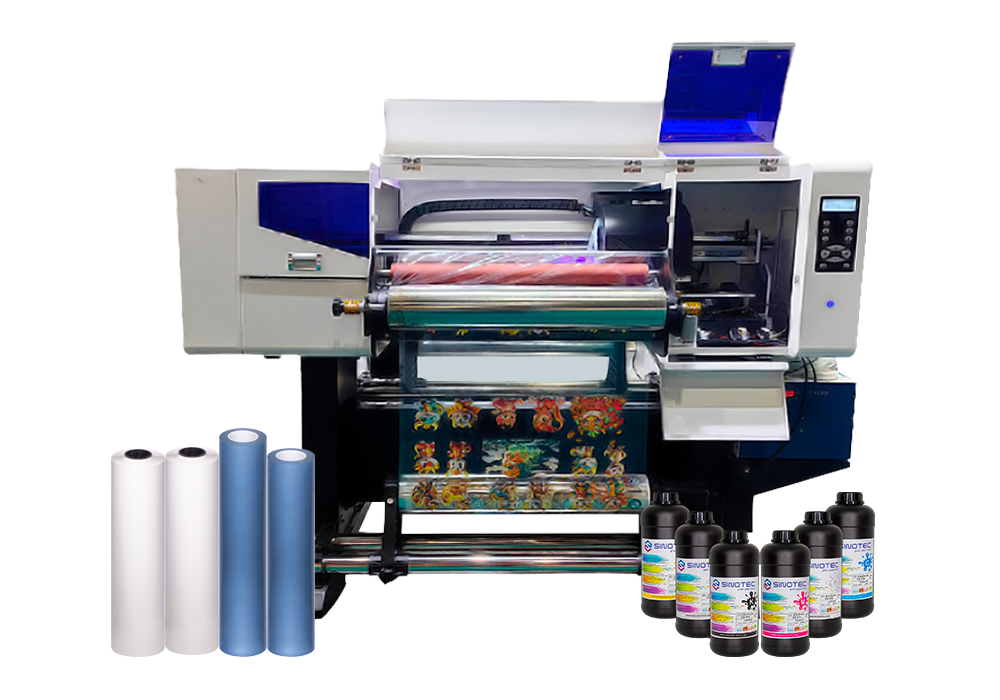
Les fournisseurs aiment SINOTEC, which coordinate export-oriented fulfillment with built-in quality oversight, demonstrate that these checkpoints can be standardized across OEM and wholesale orders — not treated as optional extras. For any industrial DTF printer procurement decision, the depth of a supplier’s QC process is often a more reliable indicator of long-term operational cost than the unit price itself.
Color Accuracy and White Edge Standards: How a High Resolution DTF Printer Performs Under Real Production Conditions
Color fidelity isn’t a finishing detail — it’s a core production requirement. For procurement managers sourcing an industrial DTF printer for high-volume decorative or apparel applications, the gap between a machine’s advertised color gamut and its actual output under sustained production conditions is where real costs accumulate. Reprints, rejected batches, and client disputes all trace back to color inconsistency that wasn’t caught at the evaluation stage.
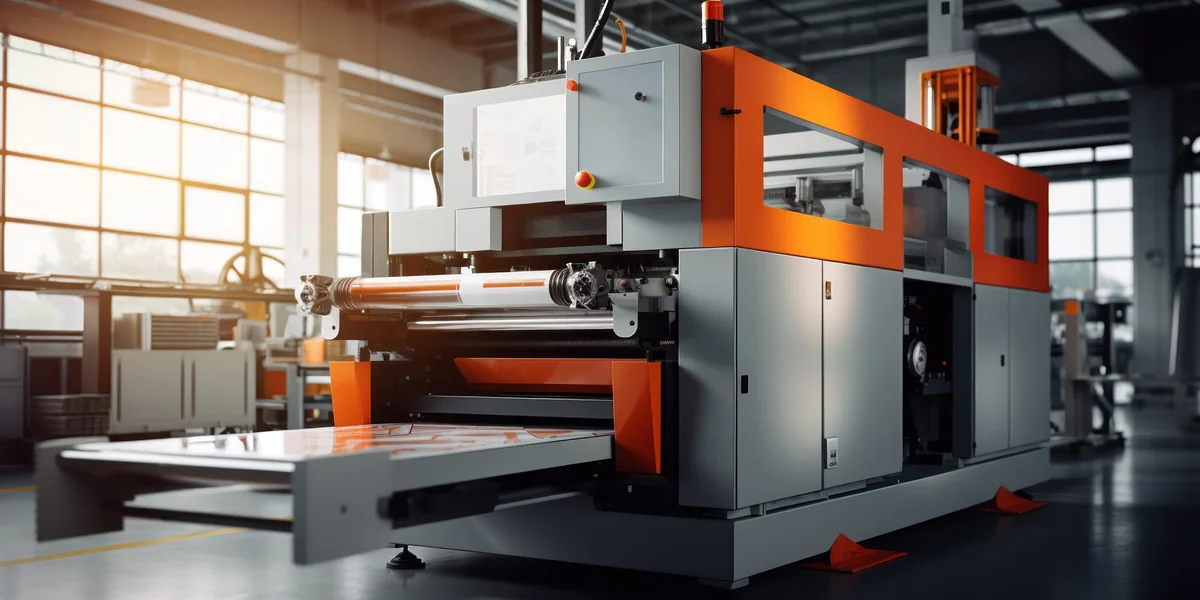
A high resolution DTF printer operating at full commercial throughput needs to maintain consistent dot placement and ink layering across thousands of prints — not just the first fifty. Resolution specs matter, but they only tell part of the story. What actually determines output quality in a production environment is the interaction between printhead precision, ink density calibration, and the white ink layer that sits beneath every color print on dark substrates.
White edge control is one of the more underappreciated evaluation criteria when buyers are comparing units. A poorly calibrated white underbase bleeds beyond the color layer, creating visible halos or soft edges that degrade perceived print quality — even when the color output itself is technically accurate. Tighter white edge tolerance requires both hardware precision and validated ICC profiles that account for film, adhesive, and fabric variables simultaneously.
When evaluating a professional DTF printer for commercial deployment, the following output quality benchmarks deserve direct verification with the supplier:
- Delta-E color accuracy tolerance across the full print run — not just on initial calibration prints
- White ink opacity consistency at both standard and high-coverage print modes
- Edge definition performance on fine detail elements — text below 10pt, thin lines, dégradés
- Color profile documentation — are substrate-specific ICC profiles supplied, or does the buyer need to develop them independently?
- Repeatability data across temperature and humidity variation, which matters for facilities without climate control
Suppliers with export-oriented QC infrastructure — such as SINOTEC — typically supply calibration documentation alongside the unit, which gives procurement teams a baseline for validating output against agreed specifications on arrival. That kind of documented handoff reduces commissioning time and gives buyers a reference point if color drift develops post-installation.
Hand Feel and Wash Durability Testing: The Benchmarks That Separate Reliable Professional DTF Printer Output From Cheap Transfers
Print quality under lab conditions tells only part of the story. For buyers sourcing an industrial DTF printer for commercial production — uniforms, workwear, promotional merchandise — the real qualification test happens after the garment goes through a laundry cycle. Or ten. Or fifty. Hand feel and wash durability are where output from a professional DTF printer either earns its margin or quietly erodes a client relationship.
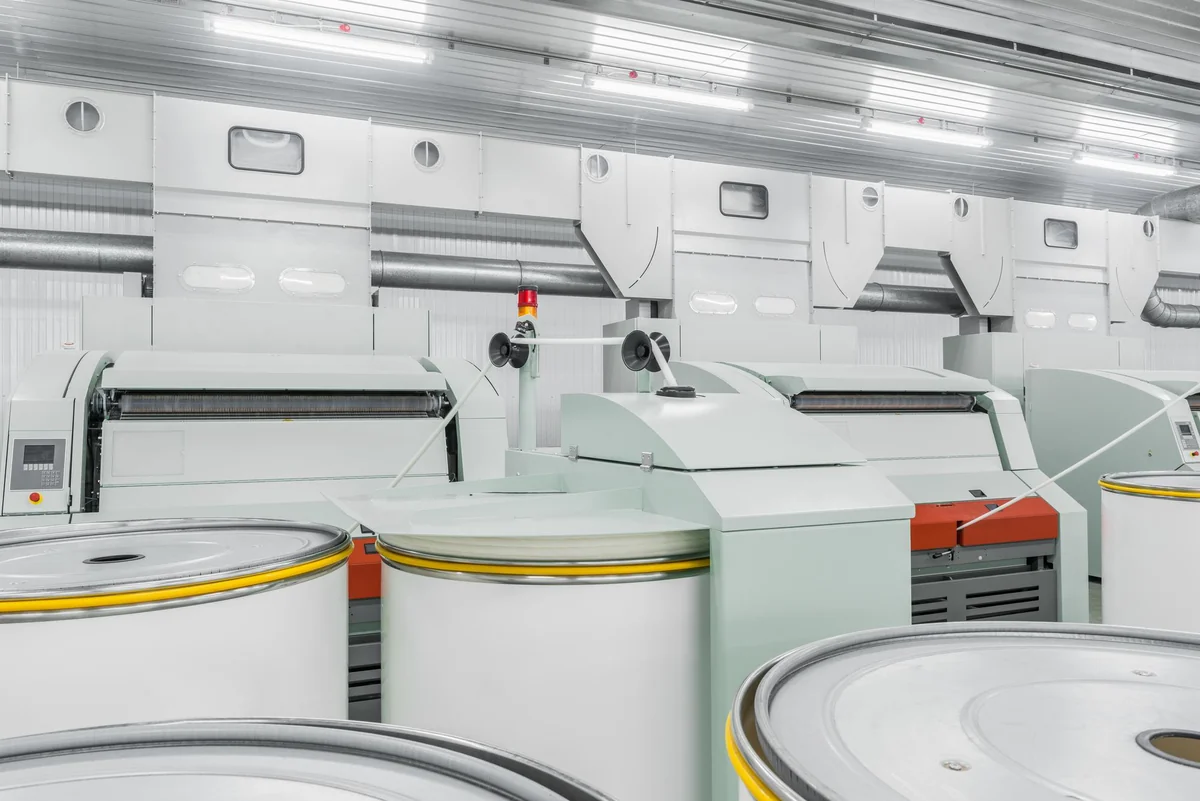
The benchmarks worth demanding from any supplier before finalizing procurement fall into two categories: tactile performance and adhesion longevity.
- Hand feel rating — measured against a standardized softness scale, with acceptable thresholds varying by end-use (athletic wear demands thinner film deposition than outerwear or bags)
- Peel resistance before washing — cold peel vs. hot peel behavior, and whether the transfer film separates cleanly without fiber pull
- Wash cycle durability — minimum cycles before visible cracking, edge lift, or color fade, tested against ISO 6330 or equivalent laundry simulation protocols
- Stretch recovery — critical for polyester blends and performance fabrics where the substrate flexes repeatedly in use
- Adhesion across fabric weights — a transfer that holds on a 180gsm cotton may delaminate on a 280gsm fleece if ink and powder parameters weren’t adjusted accordingly
What separates a high resolution DTF printer investment from a low-cost alternative at this stage isn’t always the hardware alone — it’s whether the supplier has validated ink chemistry and powder specifications against actual wash durability data, and whether that data is available to the buyer. Ask for wash test reports, not just print samples. Samples look identical on day one. The divergence shows up at wash cycle thirty.
Suppliers with export-focused production infrastructure tend to maintain this documentation as a standard part of product qualification — because international buyers routinely require it for compliance and client-facing quality assurance. When evaluating proposals, request test reports that specify fabric type, wash temperature, detergent classification, and cycle count. Any supplier unable or unwilling to produce that breakdown is, effectively, asking procurement teams to absorb the validation risk themselves.
Conclusion
The spec sheet gets you in the door. Wash test data is what keeps you out of trouble six months later — and that distinction matters more than most buyers realize until it’s too late.
Choosing an industrial DTF printer comes down to this: hardware is the easy part. The harder part is confirming that the ink, powder, and curing parameters have been validated together, against real fabric, under real wash conditions, with documentation you can actually hand to a client.
Ask for the wash reports before you commit. If a supplier hesitates, that hesitation is the answer.
Foire aux questions
Q: What is an industrial DTF printer and how does it differ from a desktop model?
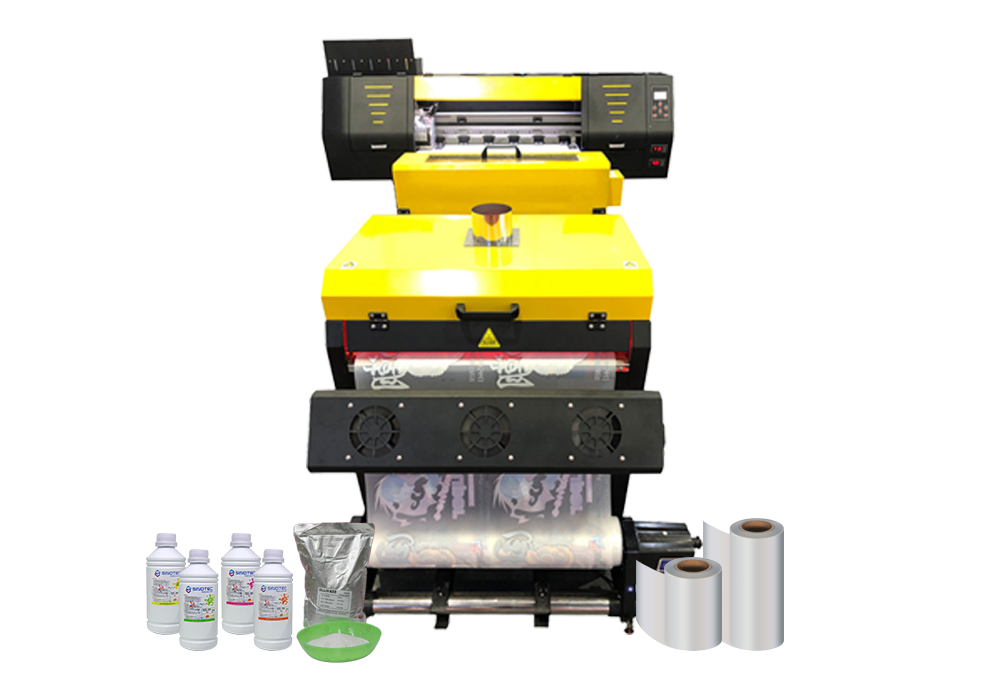
UN: An industrial DTF printer is a high-throughput direct-to-film system built for continuous production runs — not occasional custom orders. Where desktop units typically top out at narrow print widths and slower pass speeds, industrial machines are engineered for wider format output, higher ink volume, and the kind of duty cycles that don’t shut down mid-shift. The gap isn’t just speed; it’s also in the precision of the powder application system and the consistency of the curing unit across long runs.
Q: How much does an industrial DTF printer cost?
UN: Entry-level industrial DTF systems typically start somewhere in the mid-five-figure range, with fully configured wide-format setups — including powder shaker and curing tunnel — often pushing into the six-figure territory. The machine price is only part of the equation; ink consumption, film stock, and powder costs all factor into the real cost-per-transfer figure that determines whether margins hold up at volume.
Q: Why does ink and powder compatibility matter so much with an industrial DTF printer?
UN: Because the ink, adhesive powder, and curing temperature aren’t independent variables — they’re a system, and validating them separately from each other is how wash failures happen. A supplier who sells the hardware without documented ink-and-powder pairing data is, effectively, leaving the calibration risk with the buyer. Any reputable industrial DTF printer manufacturer should be able to provide wash test reports showing how their validated consumable set performs across fabric types and wash cycles.
Q: How long do DTF transfers last after washing?
UN: Wash durability depends heavily on the curing parameters used and the fabric substrate — not just the printer brand. Properly cured transfers on cotton or polyester blends typically hold up through 40–60+ wash cycles without significant cracking or peeling, but that figure drops fast if curing temperature or dwell time is off. Always request wash test documentation tied to specific fabric weights and wash conditions before making production commitments.
Q: Can an industrial DTF printer handle stretch fabrics like activewear?
UN: Stretch fabrics are one of the more demanding use cases for DTF — the adhesive layer has to flex without delaminating, which puts real pressure on powder selection and cure settings. Most industrial DTF systems can handle moderate stretch substrates when the powder and ink are properly matched to the application. For high-stretch performance fabrics (think compression gear or swimwear), it’s worth requesting substrate-specific wash test data rather than assuming standard results will transfer.
Q: What maintenance does an industrial DTF printer require?
UN: Printhead cleaning cycles, ink line purging, and powder shaker maintenance are the recurring tasks — most industrial systems have automated or semi-automated routines for these. The curing tunnel is often overlooked but critical; uneven heat distribution across the belt is one of the more common root causes of inconsistent wash performance. A structured maintenance schedule, including periodic nozzle checks and temperature calibration, is non-negotiable for production-level output.
Q: Is an industrial DTF printer worth the investment over screen printing for high-volume orders?
UN: For short-to-medium run lengths with high design variability, DTF has a clear edge — no screens, no setup cost per color, no minimum quantity pressure. Screen printing still wins on unit economics at very high volumes with static designs. The real case for an industrial DTF printer is flexibility: the ability to run 50 units of one design and 500 of another in the same shift without retooling.
Q: How do I evaluate suppliers when sourcing an industrial DTF printer internationally?
UN: Ask for three things before anything else: wash test reports (with fabric type, wash temperature, and cycle count specified), sample transfers on your actual substrate, and clarity on what’s included in the validated consumable set. Suppliers — including OEM/ODM-focused manufacturers like those operating out of China’s digital printing export sector — should be able to provide all three without hesitation. If the conversation stalls at “our customers are very satisfied,” that’s a signal worth taking seriously.