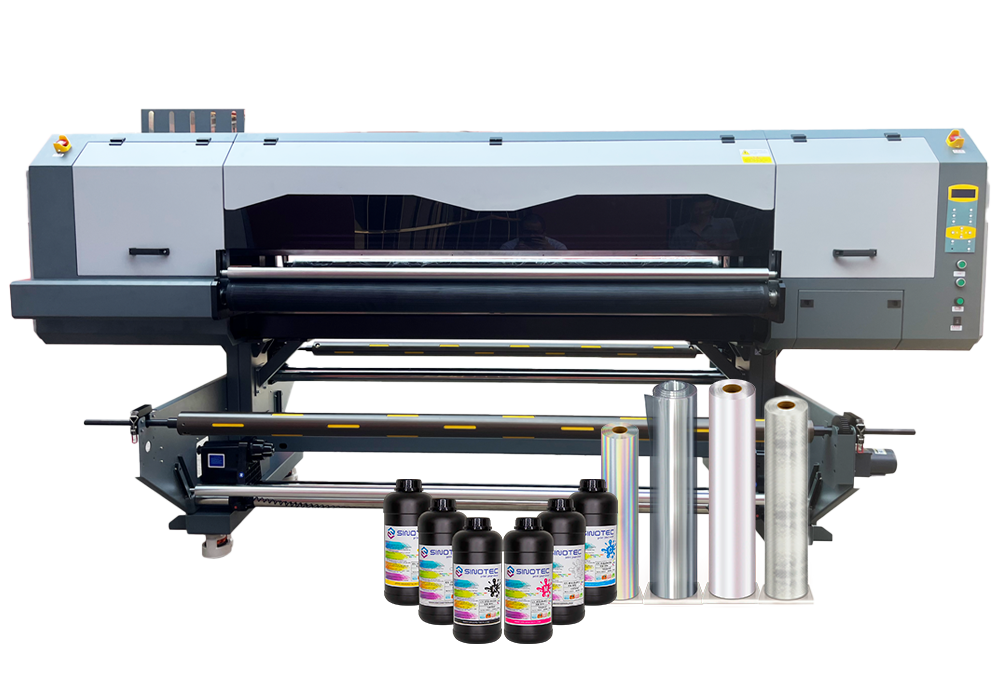
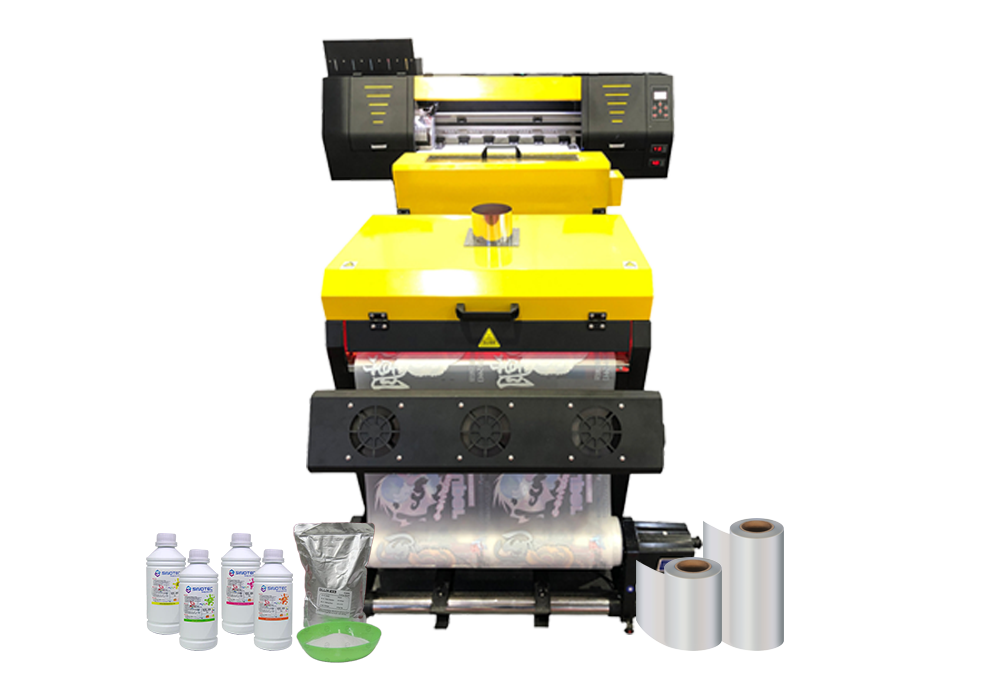
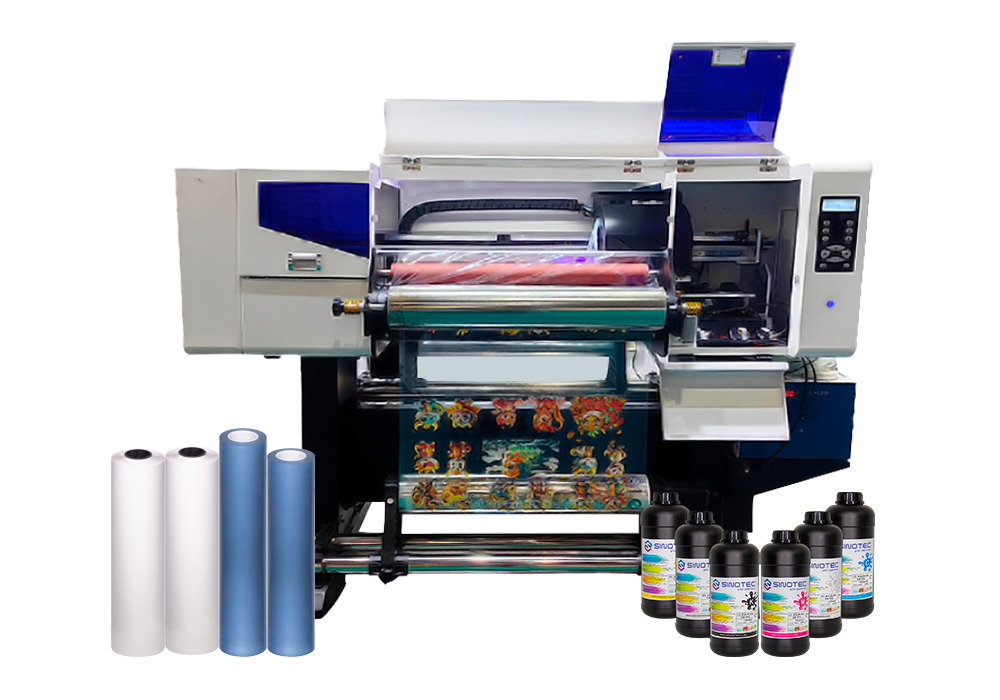
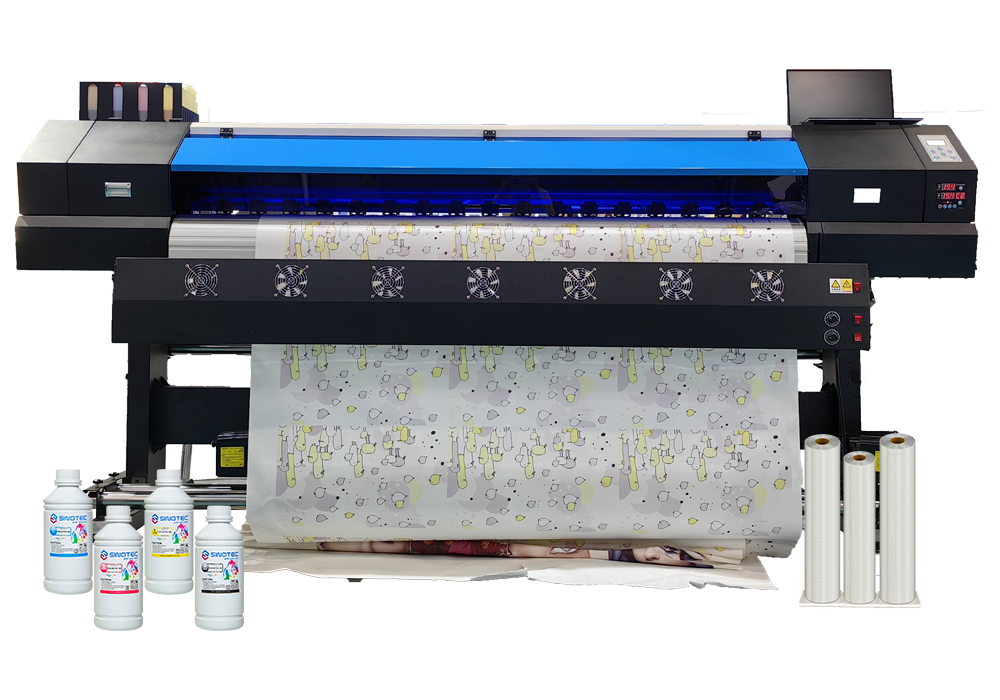



In the highly competitive print industry, the difference between an average print and a high-quality print often comes in the finishing stages of production. While lamination improves the durability, appearance, and perceived value of prints, there are several methods to choose from including thermal lamination machine, cold lamination machine, and roll lamination machine technologies. This article highlights the pros and cons of each technology, as well as their best use cases, in order to help you make the best decision for your print business.
Understanding the Core Technologies: How Each Machine Works
Before discussing how well each technology works, it is important to understand what exactly distinguishes them. The core process of each type of lamination machine is different, as it involves unique ways of bonding films to substrates. It is crucial for ensuring quality output, optimal productivity rates, and suitability for certain materials.
Thermal Lamination Machines—Heat and Pressure in Harmony
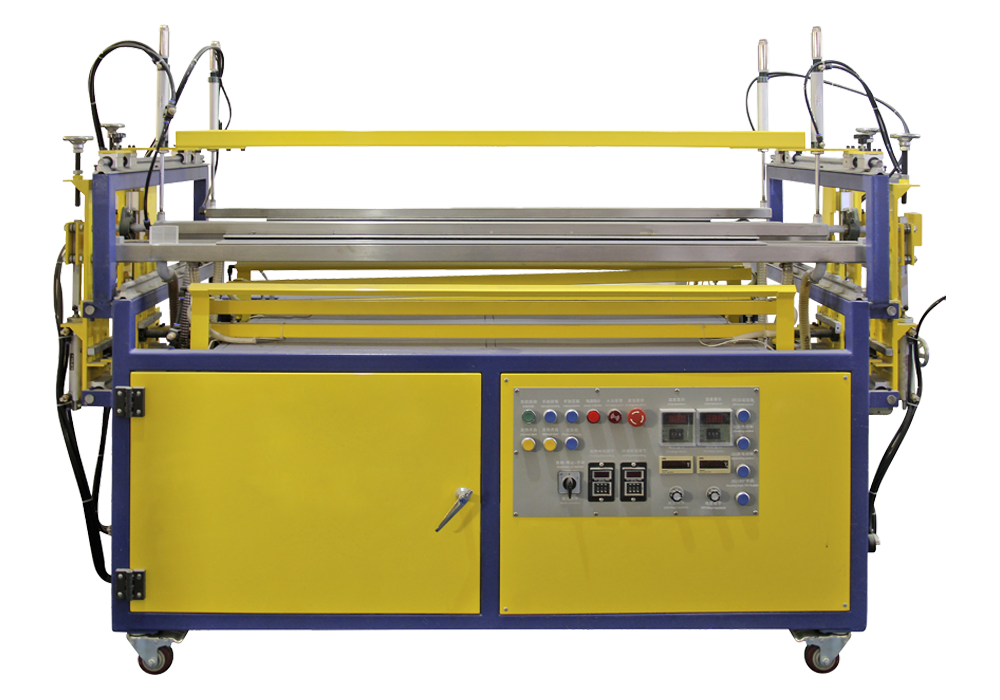
A thermal lamination machine involves heated rollers that help activate the precoated adhesive on the film through heat and pressure bonding processes. The temperatures of the rollers range from 200°F to 300°F to make the adhesive melt and get a clean and clear result without any bubbles and moisture resistance. Thus, the quality is superb for book covers and menus, but only heat resistant materials should be used. Heat sensitive materials such as inkjet prints will wrinkle or darken. Nowadays, there are thermal laminators with variable temperature and speed control for film thickness ranging from 1.5 to 10 mil.
Cold Lamination Machines— Pressure-Activated Bonding
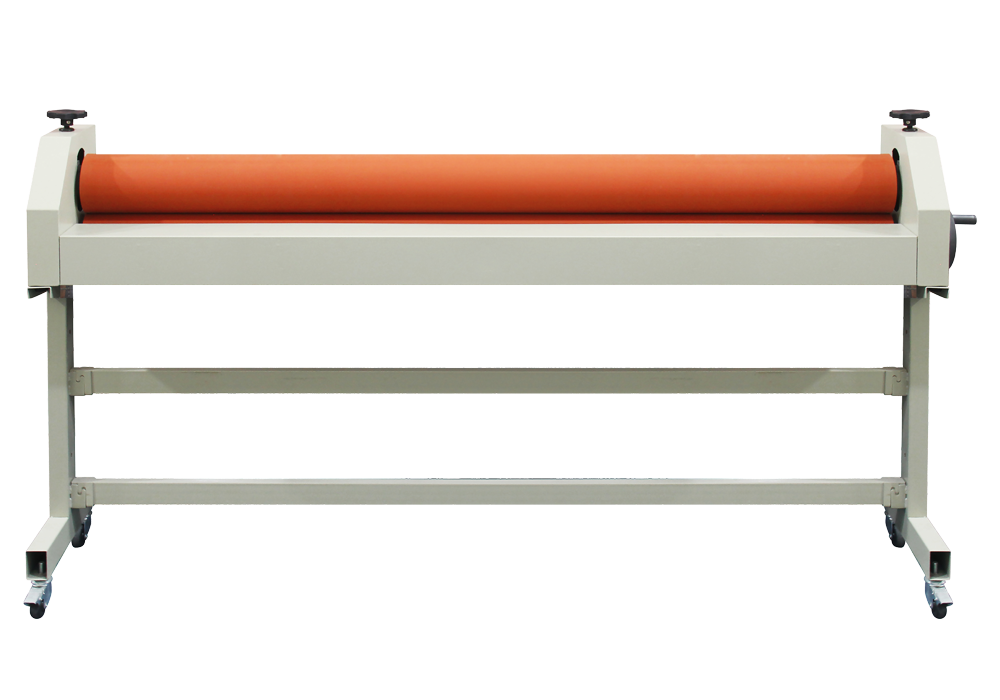
A cold lamination machine works without heating and involves a pressure sensitive adhesive that activates due to pressure applied by the rollers at room temperature. That makes it possible to protect the material from any thermal damage. It is a perfect choice for inkjet posters, blueprints, vinyl banners, and photographs. There is no need to heat anything; therefore, an operator gets immediate results. Still, the bond is not so aggressive; thus, in time, the film may lift or silver.
Roll Lamination Machines—The Continuous-Feed Workhorses
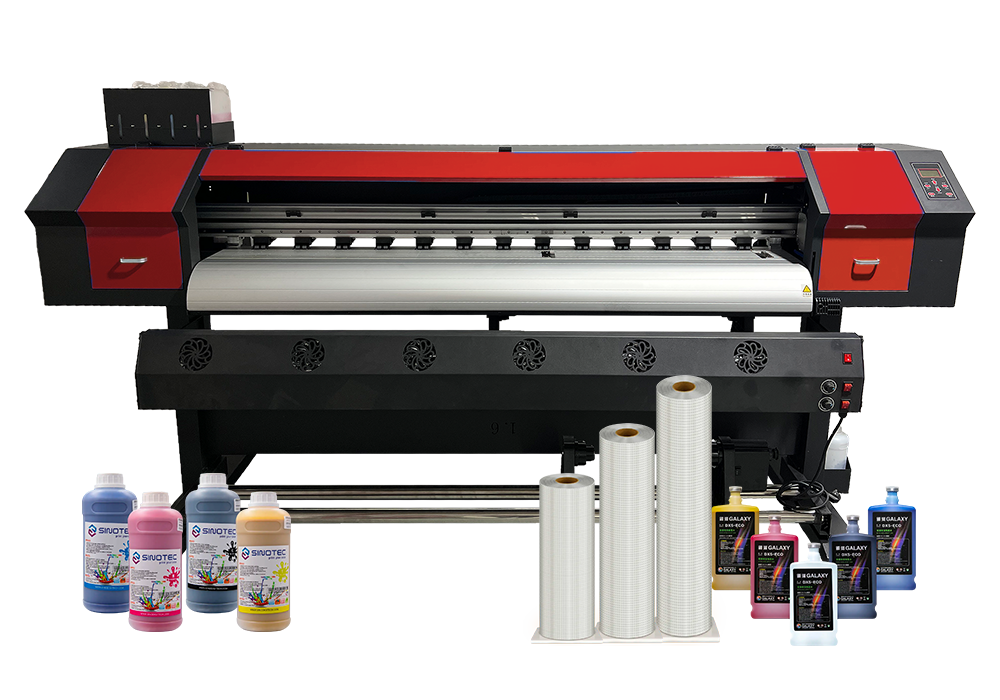
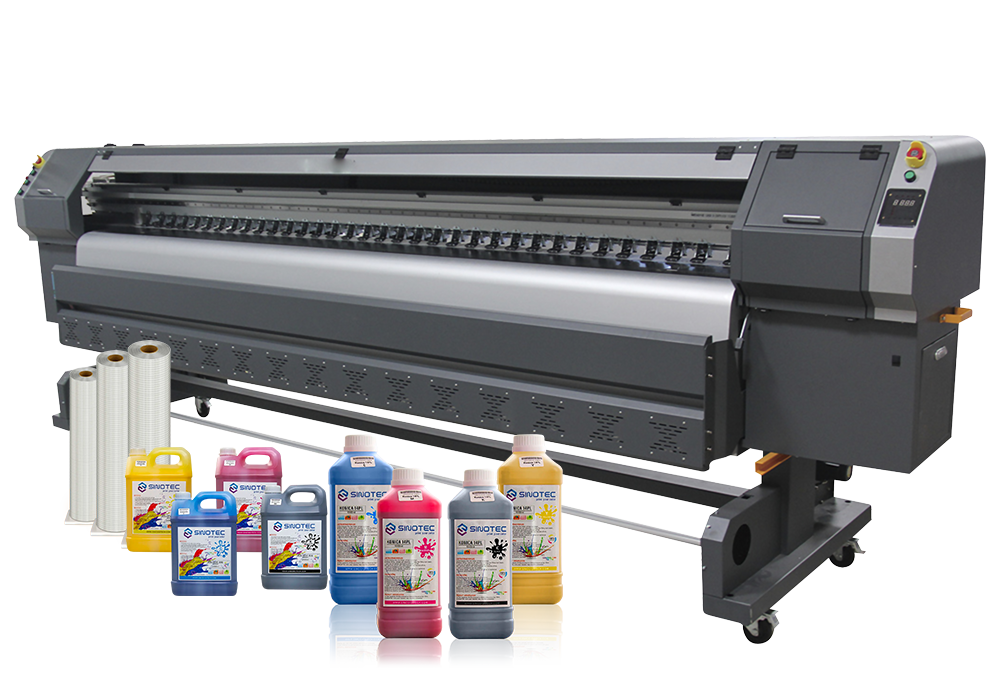
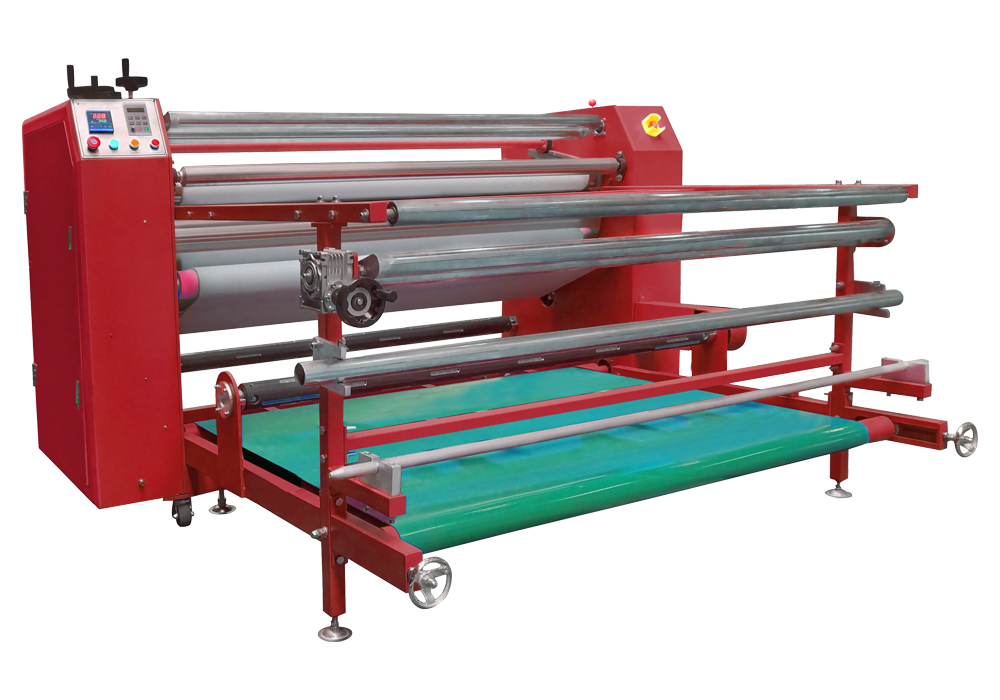
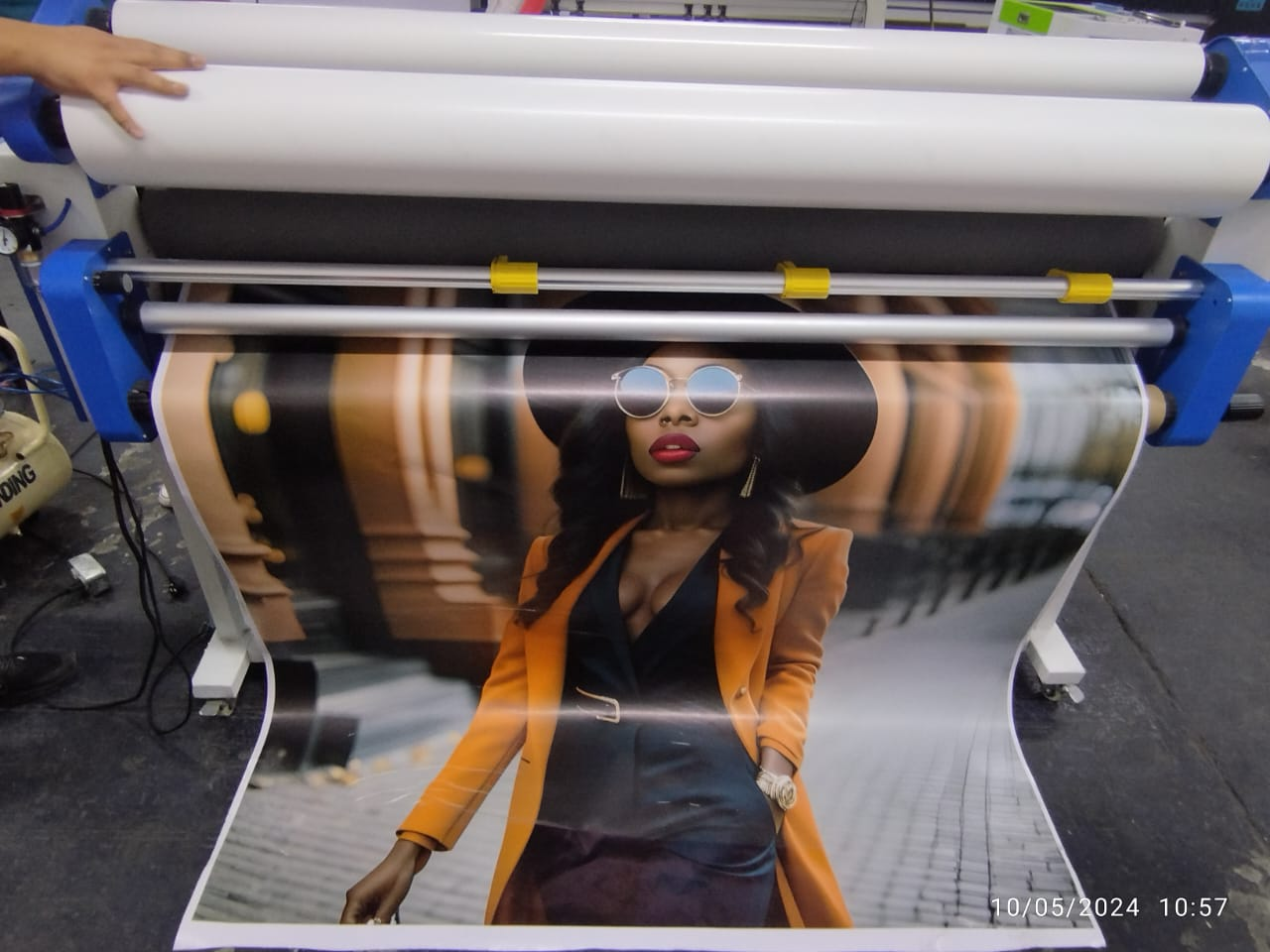
There are roll laminators in thermal and cold versions where the film comes in large rolls instead of pouches. It allows the use of continuous and high feed speeds for large volumes of print runs in books, packaging, and sign shops. Roll machines have unwind stands, tension controls, and slitters capable of processing hundreds of feet per minute. They are expensive, take up a lot of space, and require skilled operators to set up and control tensions.
Thermal vs. Cold—A Feature-by-Feature Comparison for Print Businesses
Now that we have covered the difference in construction, we need to examine the performance of these technologies against a range of criteria. The answer is not always an easy one, but it is determined by the composition of your clients, average order size, stock of materials, and sometimes electrical capabilities of your shop.
Bond Strength, Durability, and Finish Quality
The thermal process provides a very durable archive quality bond resistant to delamination, peeling and moisture. Optically clear finish keeps colors vivid without haziness. The cold process produces a less durable bond, because the PSA adhesive can melt when heated, and the thicker layer of adhesive may affect the crispness of finish when applied to glossy substrates. Thermal process provides better physical durability compared to cold lamination for high handling documents such as menus and ID cards.
Substrate Versatility and Risk Management
The cold laminating process offers more versatility with the substrates used because there is no danger of heat damage to inkjet prints, dye sublimation prints, synthetic papers and foam boards. In addition, cold laminating allows for immediate lamination after printing with no need for cooling. Thermal laminating limits the user to heat stable substrates, which include offset papers and cardstock. Modern equipment has broadened the capability of thermal laminator. But if you use paper up to 70%, thermal process is fine for you. Inkjet printing will require cold laminator.
Operational Speed, Efficiency, and Production Throughput
While thermal roll laminators operate at speeds of 20-50 feet per minute without any downtime for drying, cold lamination takes up to 24-72 hours for full wet-out of the adhesive before cutting the finished product. Additionally, cold machines operate slowly at 5-15 feet per minute to ensure bubble-free results. While thermal roll machines require 5-15 minutes for warming up, the cold machines can be used right away. The former are ideal for high output production while the latter is perfect for prototyping purposes.
Consumables and Film Selection – What You Need to Know
Apart from the equipment itself, film and adhesives selection are the key factors that define the quality of your output and further expenses.
Thermal Films—Gloss, Matte, and Specialty Options
Film types for thermal lamination vary widely from gloss for bright marketing pieces to matte for professional look without any glare to speciality films such as soft touch and linen which are attractive not only to the eye but also to the touch. Film thickness varies from 1.5 mil for thin documents to 10 mil for robust industrial use; thicker films provide greater resistance and protection. In addition, there is variation in adhesives in terms of fast bond or maximum clarity.
Cold PSA Films—Pressure-Sensitive Adhesive Varieties
Pressure-sensitive films contain an aggressive adhesive layer which is activated by means of roller pressure. They are usually offered in gloss, matte and textured varieties similar to thermal film. In addition, they can have microsphere adhesive layer which allows bubble free application as well as repositioning while mounting; this type of film is especially useful for large format prints. Cold films cost more per square foot than thermal films due to the presence of thick adhesive layer.
Film Thickness, Width, and Compatibility Considerations
Choosing the appropriate width and thickness of the film is crucial because too thin film will leave some parts uncovered, whereas too thick film will create wastage. In most cases, roll laminating machines have flexible film width settings, but for pouch laminators, only specific sizes of pouches can be used. In case of thicker films, high pressure from rollers and higher heat in thermal machines are required to activate the film.
Maintenance, Troubleshooting, and Operator Training
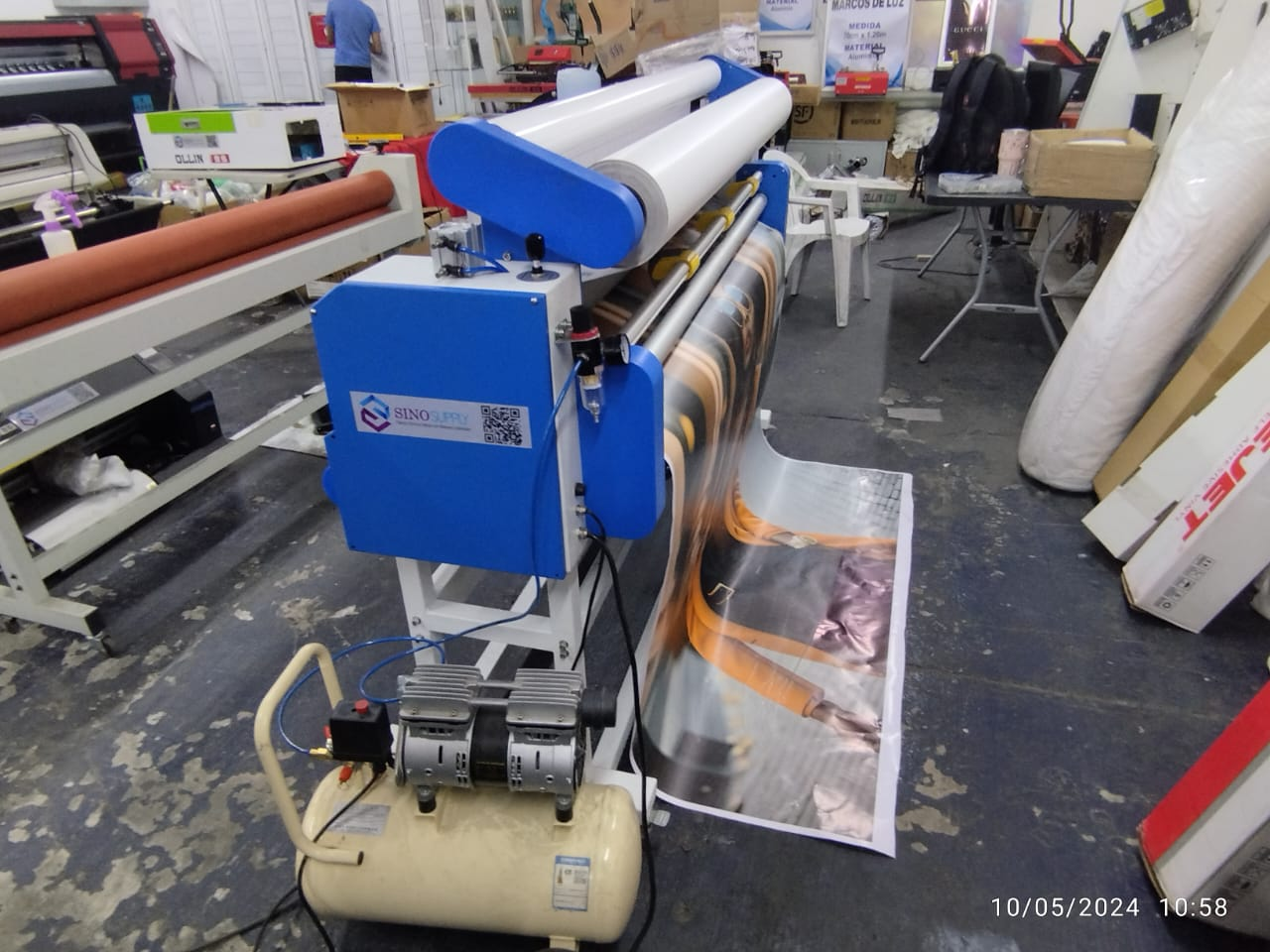
Even the best lamination machines require proper maintenance and knowledge of their use to provide perfect results every time. The neglect of such things as cleaning of the rollers, tension adjustment, and checking of the temperature leads to expensive corrections, down time of the equipment, and irritated customers.
Daily and Weekly Maintenance Routines
Thermal laminating machines should be cleaned regularly using specific solvents to clean off the adhesive and dust deposited on the rollers. Cold laminating machines also have to be cleaned on a regular basis since dust gets stuck in the adhesive and affects the quality of each product. The maintenance schedule should include the adjustment of the roller tension, bearing lubrication, and temperature sensors check using contact pyrometers in case of thermal laminating machines.
Common Lamination Defects and How to Fix Them
One of the common problems is bubbling which may happen because of the wrong roller tension, improper film tension, and trapped moisture in the substrate; fixing the tension setting and letting the substrate adapt may help solve this problem. In case of wrinkling the film, it means that the feeding process is not even or the rollers are not aligned properly and the film has to be re-threaded. Silvering in cold laminating machines happens when the substrate was not properly coated by the adhesive; letting the laminated sheet rest for 24–48 hours solves the problem.
Operator Training and Skill Requirements
For thermal laminators, the operator needs knowledge of temperatures used in different types of films and substrates, pressure settings, and how to feed the film material without causing jamming. Cold laminators are relatively easier to handle and use, but still need training on pressure settings and avoiding debris to ensure that quality is not compromised. Training must include how to set up the machine, identify and fix defects, emergency stops and how to avoid burns and entanglements. This is why cross training is needed among other staff.
Conclusion
The selection between thermal and cold laminating is based on your production requirements and customer demands. Thermal laminating gives better quality results when working with paper documents, whereas cold laminating gives you flexibility when working with sensitive materials. Successful businesses tend to have both systems in place to expand their customer base. Focus on training and maintenance no matter which method you choose. Find out more at SINOTEC | Digital Advertising Equipment & Consumables.