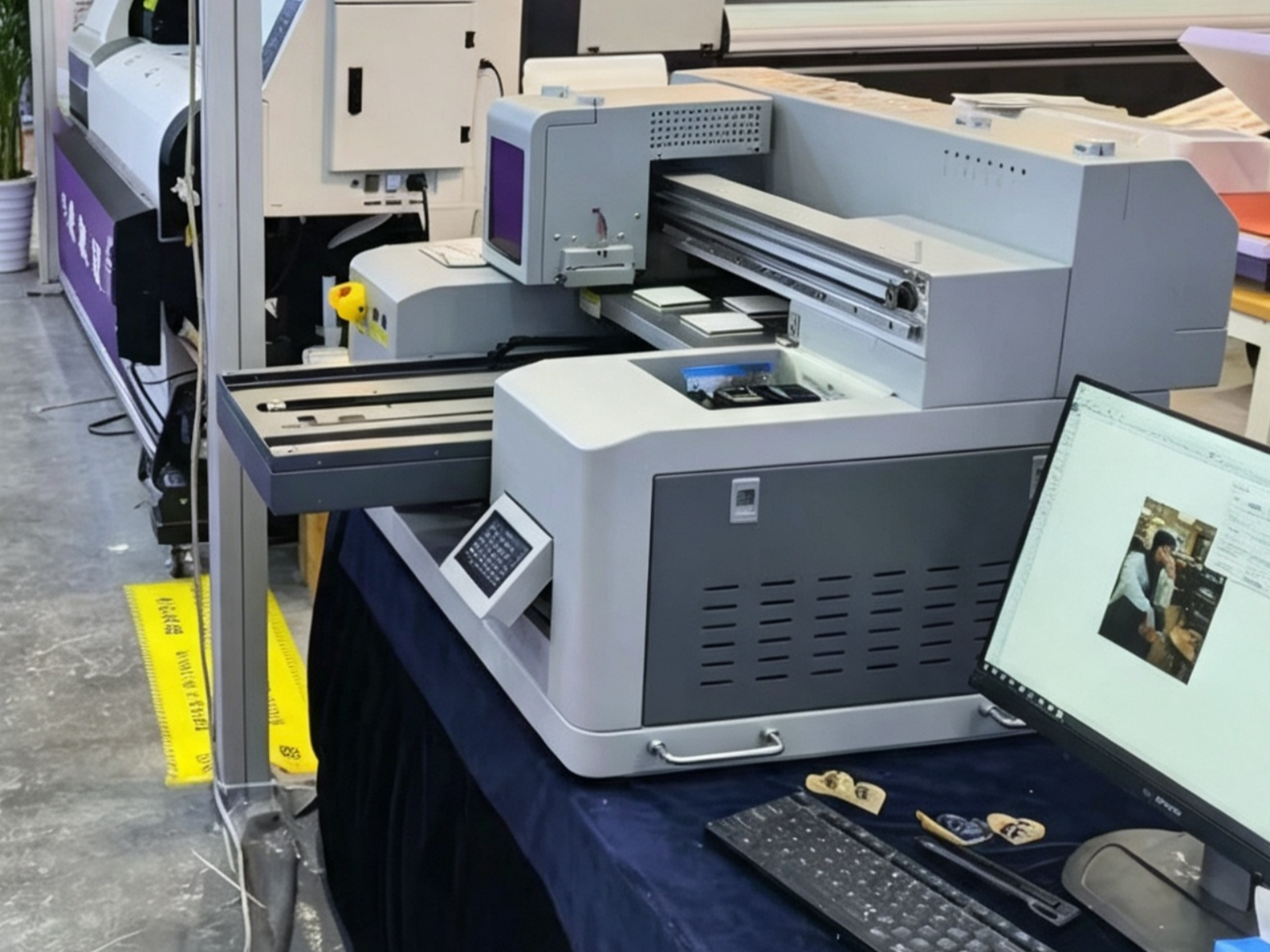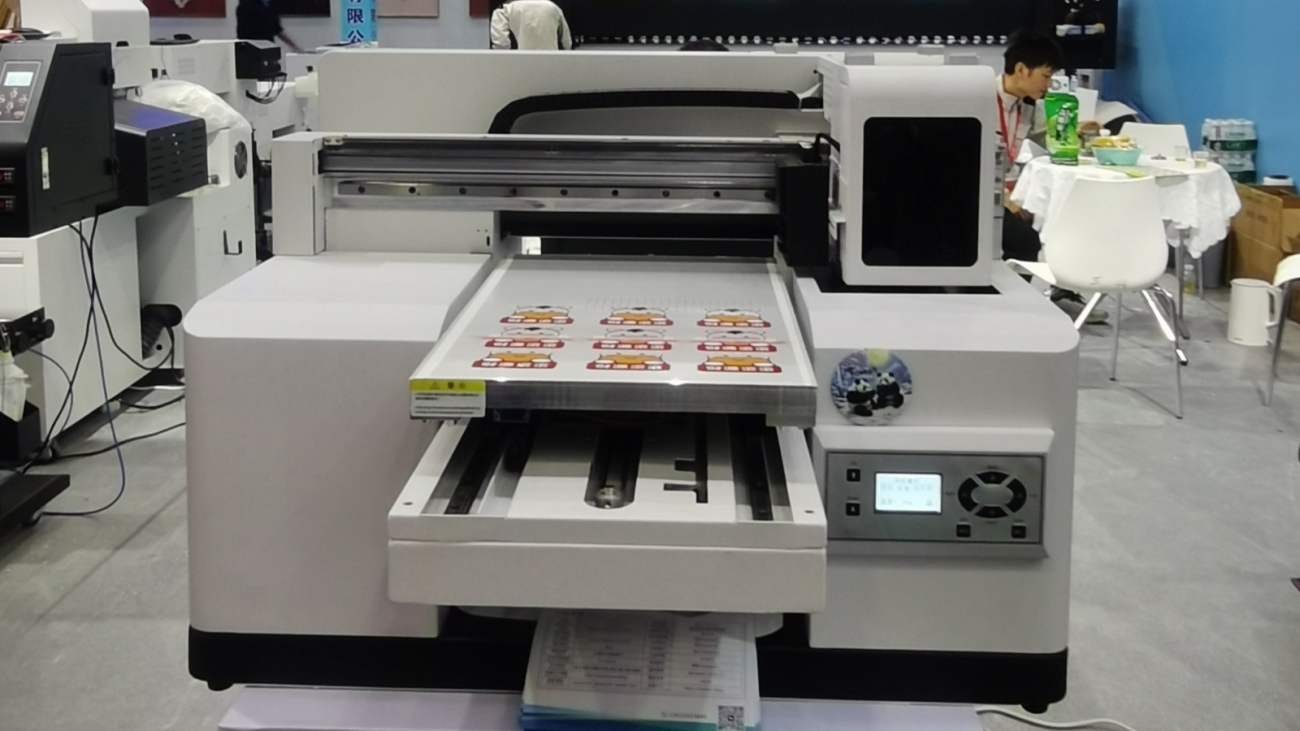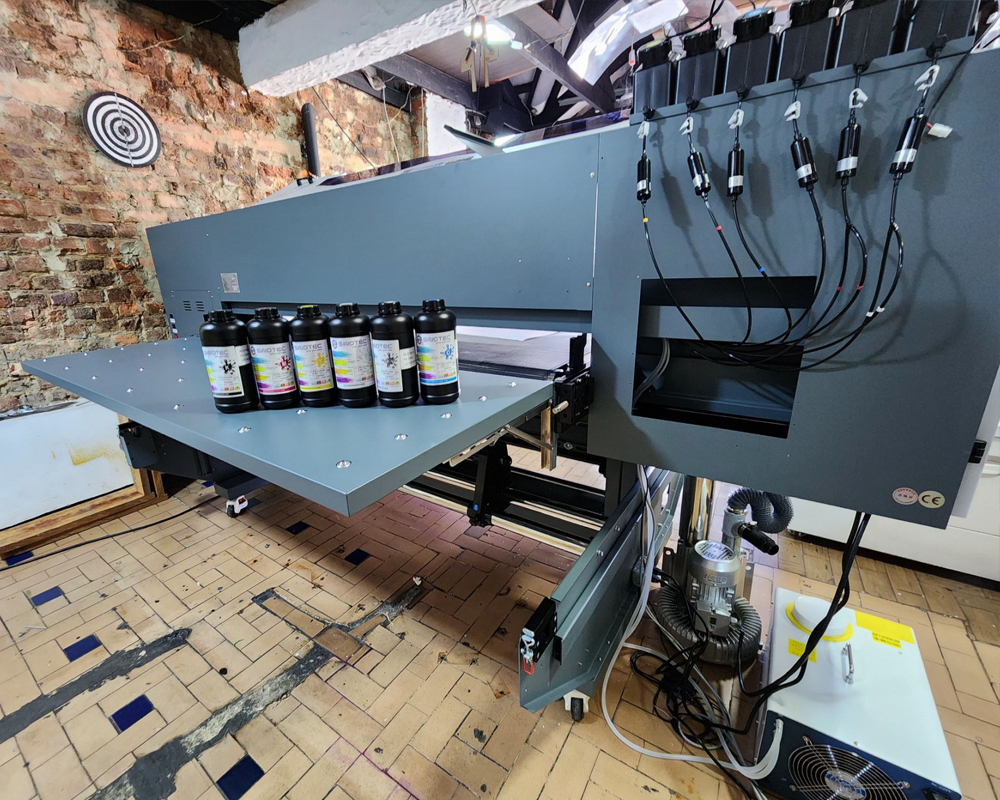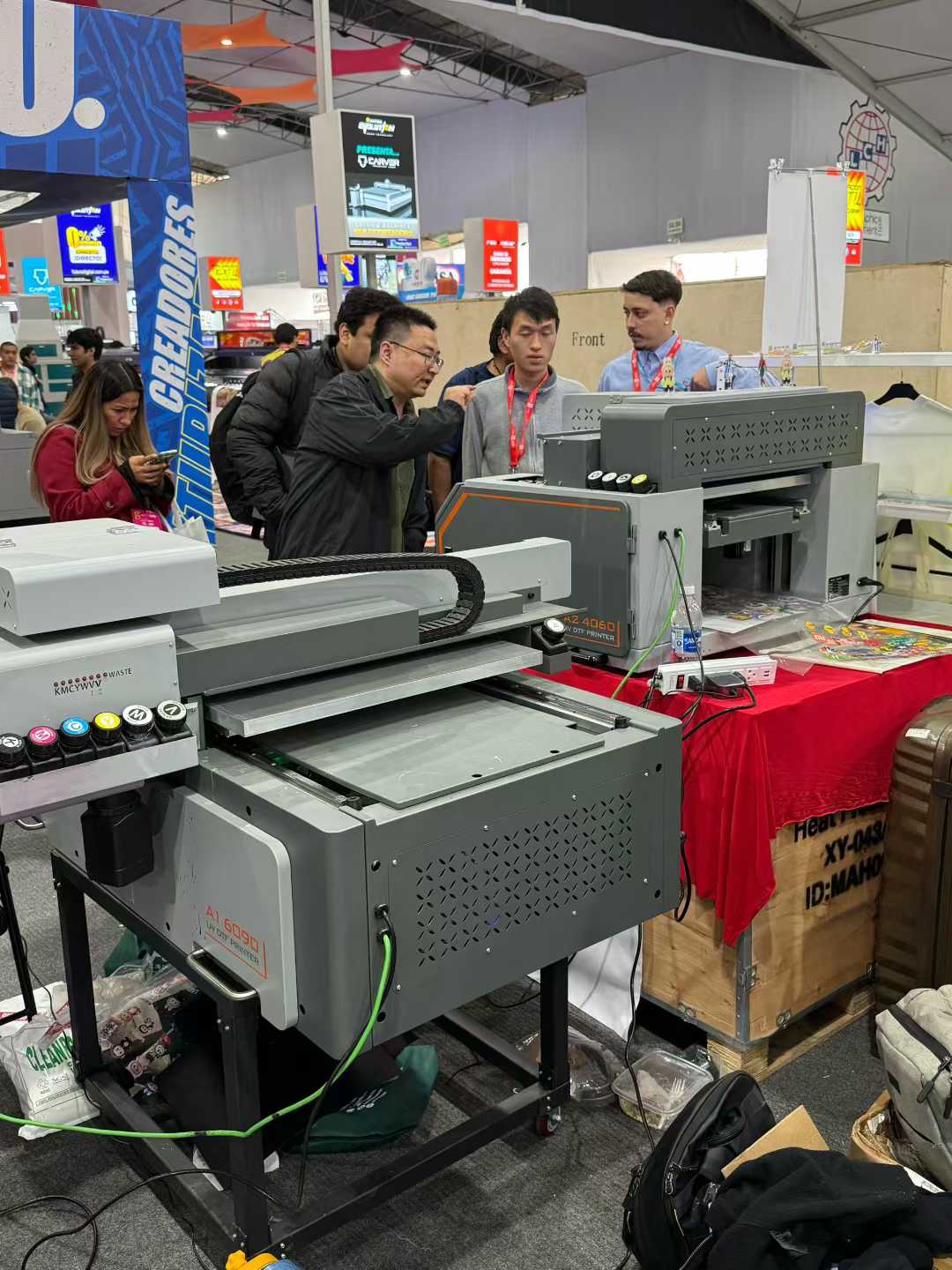
CNC Router Machine

How to Choose the Spindle Power for a CNC Router Machine? The Key Factor Affecting Cutting Depth & Speed

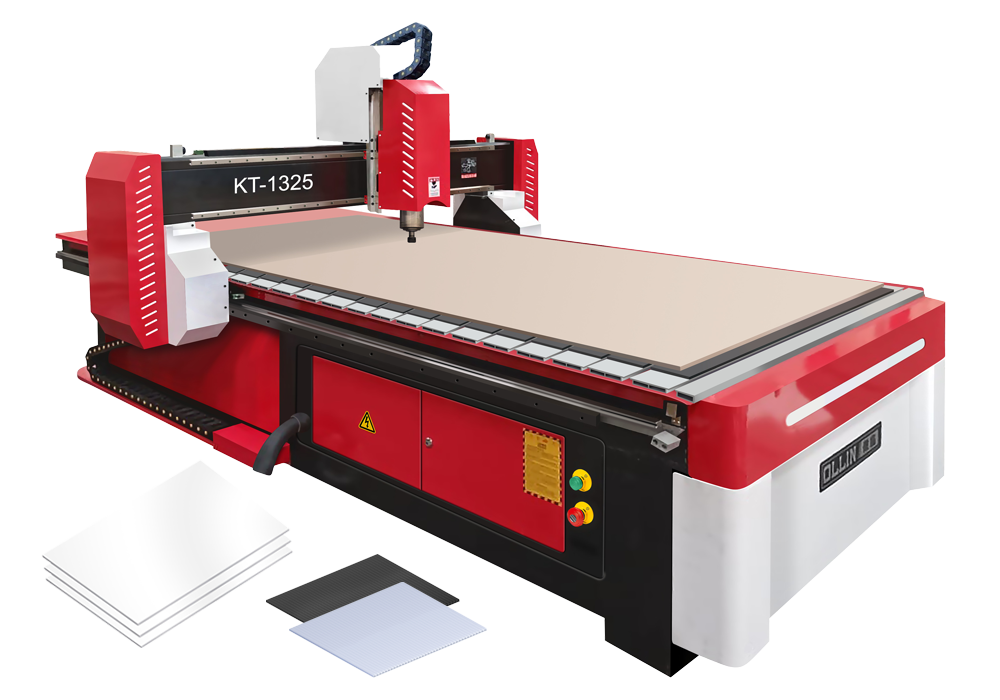
The spindle is one of the key parts in any CNC Router Machine as its performance has a direct effect on the results obtained during the operation. When choosing a CNC router, most people prefer taking into account the size of a machine or its controllers. However, the spindle power can have even more significant influence on the results obtained while working with a chosen machine. A spindle can be rather small, which will affect the cutting depth and decrease productivity, or it can be oversize, which will only increase expenses both initially and when using the device. It is worth knowing about the role of spindle when buying CNC Wood Router or CNC Router for Acrylic.

CNC Router Machine

How CNC Router Machine Spindle Power Affects Cutting Depth and Machining Quality

Before choosing the spindle, it is necessary to learn what factors determine the results of its work. The main role of a spindle in machining performed by CNC Router Machine is the rotation of cutting tool and removal of excess material.

Why Higher Spindle Power Allows Greater Cutting Depth

High powered spindles can develop higher torques that make it possible for machining tools to cut larger volumes per rotation. This makes it easier for operators to achieve deeper cuts without changing their feed rates or jeopardizing the stability of the process. A low powered spindle will be incapable of providing enough torque for the removal of excess materials from products without causing vibrations, roughness on surfaces, and breakages. A company using a CNC Router Machine should focus on purchasing high powered spindles to ensure higher productivity while minimizing the number of cutting passes.

How Spindle Power Influences Cutting Speed

The efficiency of cutting speed is affected by spindle power. A highly powered spindle will have no trouble maintaining its rotations at high speeds regardless of the hardness of the materials that it works on. This makes it possible for operators to raise their feeding speeds and finish work faster. In a company where machines operate at full capacity with a CNC Wood Router, there will definitely be increased levels of productivity.

The Connection Between Spindle Power and Surface Finish

The quality of the end result highly depends on spindle stability. If a spindle works close to its capacity, vibration may happen, which will be noticeable as some markings left on the material surface. Spindle power will provide smoother working with higher engagement of tools. If someone manufactures either fancy wood pieces or high-quality acrylic products with the help of the CNC Router for Acrylic, spindle power will ensure cleaner edges and higher-quality workpieces in general.

Choosing the Right CNC Wood Router Spindle Power for Different Wood Materials

CNC router technology usage in woodworking remains one of the major applications. But not all wooden materials need the same spindle. Analyzing specific properties of certain types of wood, it will be easy to determine optimal spindle power.

Softwood Processing with a CNC Wood Router

Softwood varieties like pine, cedar, and fir are easy to cut and usually do not need much cutting load. Smaller or medium-scale woodworking units generally find the spindle power range of 3kW to 4.5kW adequate for processing these woods by cutting, carving, and engraving. The proper choice of a CNC Wood Router ensures productivity without compromising finish quality and dimensional accuracy. When undertaking light duty tasks, opting for more powerful spindles offers few benefits.

Hardwood Applications Require More Powerful Spindles

The hardness of hardwood varieties like oak, walnut, maple, and beech means that their processing requires more cutting force and generates heavy loading. Therefore, industrial wood processing companies often go for spindles whose powers lie within the 6kW to 9kW range or even above it. A powerful CNC Wood Router is useful in handling hardwood materials effectively while retaining performance stability.

Large-Scale Furniture Manufacturing Considerations

In most cases, furniture manufacturers will cut a variety of panels and pieces made out of hardwood. To ensure continuous processing with high output, many will purchase high-end spindle machinery to cater for tough jobs. The use of a good CNC Router Machine will assist furniture manufacturers in increasing efficiency in terms of output, reducing processing time, and maintaining consistency.

Selecting the Best CNC Router for Acrylic Based on Spindle Power Requirements

One of the most common materials used in the manufacturing of signage, displays, advertisements, and decoration is acrylic. Even though acrylic is less hard compared to woods, spindle selection is important for better results.

Why Acrylic Machining Requires Balanced Spindle Performance

While the operation of woodworking tools does not necessarily involve the generation of heat, the machining of acrylic does result in heat. Therefore, there is need for proper spindle performance in order to avoid damaging the acrylic material during its machining process. A good CNC Router for Acrylic is designed to combine adequate spindle power with cutting speed that results in smooth cuts and clear finishes.

Processing Thick Acrylic Sheets Efficiently

Complex designs with tiny details and complex shapes often characterize acrylic products. In such cases, it is important that spindle stability comes before high power ratings. Using a robust CNC Router Machine with stable spindle operation guarantees precise tool motion, better surface smoothness, and quality end products. High accuracy allows manufacturers to produce high-quality products without wasting too much money on materials.

Maintaining Precision During Detailed Acrylic Work

There are plenty of elaborate designs, small details, and geometries in most acrylic products. The most crucial thing here is the spindle stability rather than the highest possible power output. Using a robust CNC Router Machine will ensure that your tools perform precisely, resulting in higher quality products.

CNC Router Machine

How to Match CNC Router Machine Spindle Power with Production Volume

Spindle power depends on several factors including the material you work with and the production volumes you need.

Small Workshop and Entry-Level Production Needs

For hobbyists, prototyping and for small workshops, a CNC Router Machine with 1.5kW to 3kW spindle power is usually enough. Since there is no need to work on large parts and produce huge volumes, a compact machine will be a great solution. It will offer excellent versatility and cost-effectiveness. Thus, you won’t have to spend much money entering the CNC world.

Medium-Volume Manufacturing Operations

Organizations making furniture customized for their customers, manufacturing promotional materials, and manufacturing decorative boards typically need more output. Here, spindle motors with capacity from 4.5kW to 6kW are optimal. A middle level CNC Wood Router will be capable of running constantly throughout the day and still remain precise and economical when it comes to power usage. It is generally seen as the best choice for expanding firms.

Industrial Production and Continuous Operation

In industrial setups working on a number of shifts, heavy duty spindle systems will need to have enough power to perform under pressure. Heavy duty spindles with capacities ranging from 9kW to 12kW or more provide the ability to make deep cuts, have increased feeding speeds, and reduce the time spent in completing the operation process. An industrial CNC Router Machine will help firms become more productive.

Conclusion

The choice of spindle power is one of the most crucial considerations that have to be made before acquiring a CNC Router Machine. The spindle will influence cutting depth, cutting speed, machining surface quality, tool longevity, and productivity levels. Regardless of whether the acquisition of a CNC Wood Router is aimed at furniture manufacturing or a CNC Router for Acrylic used for signage and displays production, one has to take into account material features, production volumes, tooling, and other considerations. Proper configuration of the spindle will provide increased productivity, reduced cost of operations, and higher machining precision. For further details on professional CNC routing machines, please refer to SINOTEC | Digital Advertising Equipment & Consumables.

Laser Engraver for Wood

Laser Engraver Applications in the Gift & Craft Industry: Personalization & Batch Production

Currently, there is an increasing trend towards personalization among gift and craft consumers in the market. In other words, buyers look for something unique and valuable instead of regular mass-produced goods. Such tendencies have led to a rise of the usage of versatile technologies, and one of such tools is the laser engraving machine, which allows easy customization and fast batch production. The equipment such as Laser Engraver for Wood, Laser Engraver for Metal, and Acrylic Laser Engraver can easily switch from one item’s production to another. An example of such integration of lasers into industrial processes is seen on Sino DigiTech platform.

Laser Engraver for Wood

Why Laser Engraving is Transforming the Gift & Craft Industry

Consumer tendencies are constantly changing and shaping different markets, including the gift and craft sector. Modern people are not interested in plain items but want something personalized and meaningful, either emotionally, as a brand identity or a memory keeper. Laser engraving perfectly satisfies this need with its versatility and flexibility in terms of customization and productivity.

Rising Demand for Personalized Products in Modern Markets

Innovations made it possible to provide consumers with products that carry emotional value for them rather than mass-made goods. The ability of A Laser Engraver for Wood or Laser Engraver for Metal to etch a client’s name, date, logo or design pattern directly into a surface creates more business options by allowing personalization of gifts, corporate products, and seasonal merchandise.

High Precision and Repeatability in Production

Laser engraving offers high levels of precision which cannot be achieved through other manufacturing processes such as carving or printing. In addition, engraving with laser makes sure that products of any material (wood, metal, and acrylic included) are consistent in depth, sharpness, and detailing. This ability enables companies to deal with both custom orders and batch production effectively.

Multi-Material Processing Flexibility

Probably one of the best features of laser engraving system lies in its ability to work with several types of materials without having to have several machines. A Laser Engraver for Wood, Laser Engraver for Metal, and Acrylic Laser Engraver are interchangeable and allow businesses to produce a wide variety of goods.

Laser Engraver for Wood: Core Tool for Personalized Craft Products

Wood continues to be the most prevalent crafting material due to its texture, price, and engraving properties. This material has natural warmth and high-contrast, which allows for an excellent result from the laser burning process. Wood can be applied both for hand-made crafts and mass production.

Emotional Gift Products and Custom Wooden Items

A Laser Engraver for Wood is commonly used for making wedding plaques, frames, cutting boards and other gift products. The technology provides burning effect on wood surface that provides the contrast effect. As a result, an ordinary piece of wood becomes a special one that may have an emotional message for its recipient. In particular, laser engraving technology may be used for producing various gift products to celebrate weddings, anniversaries, birthdays and home décor.

Efficient Small-Batch Production for Craft Businesses

Wood is a perfect material for making products via small-batch technique that is especially advantageous for online vendors of crafts. They may purchase wooden pieces with pre-defined dimensions and then personalize their products according to clients’ requests. This approach helps reduce storage costs and avoid waste. At the same time, it allows manufacturers to adjust their products for changing fashion and seasonal trends in the shortest possible period.

Laser Cutting and Creative Product Expansion

Alongside engraving wood, laser systems can be used to precisely cut it into intricate designs. As a result, there will be various opportunities for manufacturing layered signage, decorative wall pieces, and puzzles of creative shapes. In turn, the combination of these two laser functions allows for further expansion in terms of product variety and craft solutions.

Laser Engraver for Wood

Laser Engraver for Metal: Premium Customization and Industrial Craft Integration

The most valuable type of laser engraving is performed on metal surfaces due to their exceptional durability and strong aesthetic qualities. Metal engraving is used when creating luxury gifts, corporate awards, and industrial objects. Using lasers in the process guarantees the precision of markings.

Premium Personalized Products and Luxury Branding

A Laser Engraver for Metal is one of the commonly used devices by manufacturers and clients alike, who want their jewelry, metal key chains, and stainless steel cups to get engravings. A metal surface gives an aesthetic value with great durability of the engraved marking. The result will look premium with great contrast and longevity; hence, it is a good option for luxury items meant for gift purposes or brand promotion.

Scalable Production for Corporate Orders

Metal laser engravers have proved to be efficient in producing in batches, mainly when using them for promotions and companies. They ensure uniform branding of the various items with different logos and names of the employees or events in question. These devices ensure quality production; therefore, they are ideal for medium order volumes. At the same time, they cut down on manual labor costs.

Functional Marking and Industrial Applications

Apart from being used in artistic applications, metal engraving can also be applied industrially for the purpose of numbering articles, embedding QR codes, and similar tasks. In such a manner, the practice allows a transition from artistic endeavors to an industrial one, allowing custom designs alongside engraving. This makes it useful not only as an artistic technique but also as an industrial process, allowing better product tracking and quality control.

Acrylic Laser Engraver: Modern Design and Visual Innovation

Acrylic has become very popular as a design material in modern days because of its transparency, flexibility, and good laser engraving qualities. It can be cut out into specific shapes or frosted, so it serves as one of the most common materials for design solutions.

High-Quality Signage and Decorative Applications

There are many uses of laser engraving; one of which is the creation of signs, plaques, and decorations. It will improve the contrast and readability due to the frosted effect produced by the process. For this reason, acrylic materials can be considered to be ideal for usage in retail shops, trade shows, exhibitions, and other visual branding applications that require clear visibility. Acrylics have many design options; they allow complex geometrical patterns and shapes.

LED Lighting Integration and Modern Visual Effects

Laser engraving, when combined with LED light, results in numerous lighting products including signs, night lights, and other decorative items. There are many interesting visual effects obtained from the use of LEDs with laser engraving, resulting in increased popularity of these products in home decorating and various branded companies. These products increase brightness and produce a high-quality visual effect due to laser engraving.

Fast Production for Events and Commercial Use

One benefit of using acrylic laser engraving technology is that it is capable of fast batch production since the design can easily be duplicated via digital files and there is no need to modify the physical means to do so. In this light, acrylic laser engraving would be ideal for those working in event planning and promotional product marketing.

Conclusion

The laser engraving process is continuously revolutionizing the gifts and crafts sector by incorporating customization, accuracy, and efficiency. Be it a Laser Engraver for Wood, Laser Engraver for Metal, or an Acrylic Laser Engraver, companies will be able to effectively cope with the increasing needs for custom-made items. The balance between innovation and efficient production will be one of the driving forces behind the future of the sector. As advanced industrial solutions from SINOTEC | Digital Advertising Equipment & Consumables continue to evolve, laser engraving will remain a key technology shaping global craft and gift markets.

Sublimation printer xp600 6

One-Stop Solution for the Signage Industry: Full-Line Equipment from Printing to Cutting, Laminating & Bending

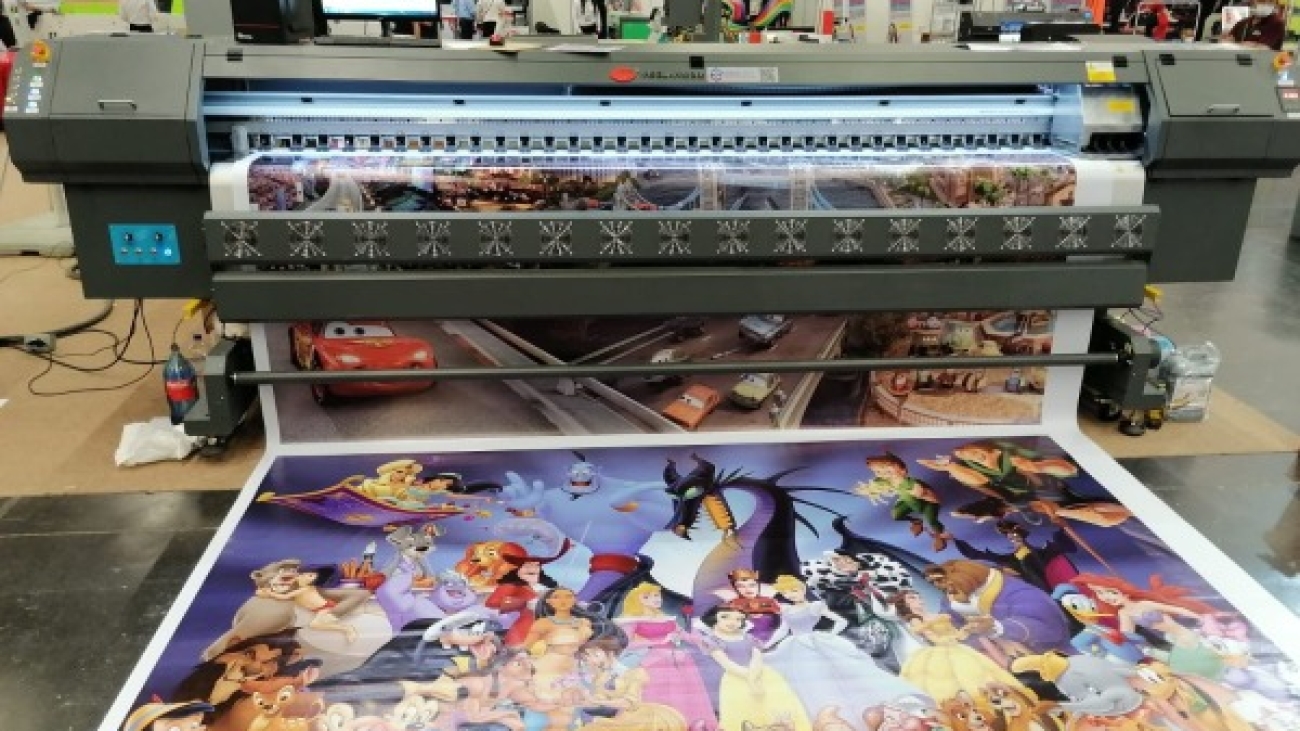
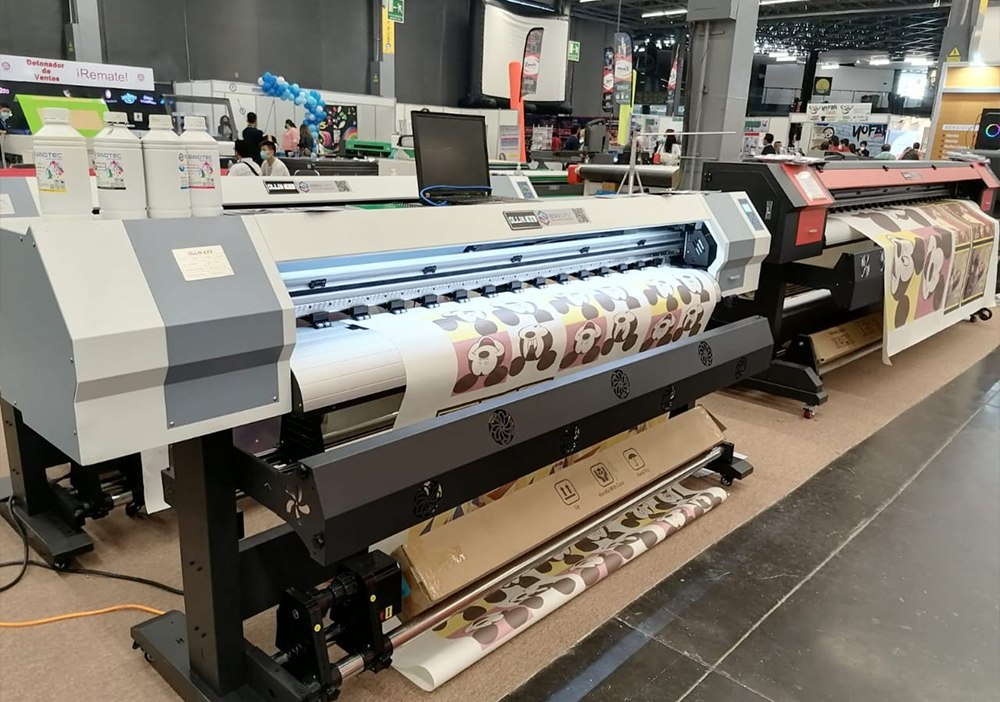
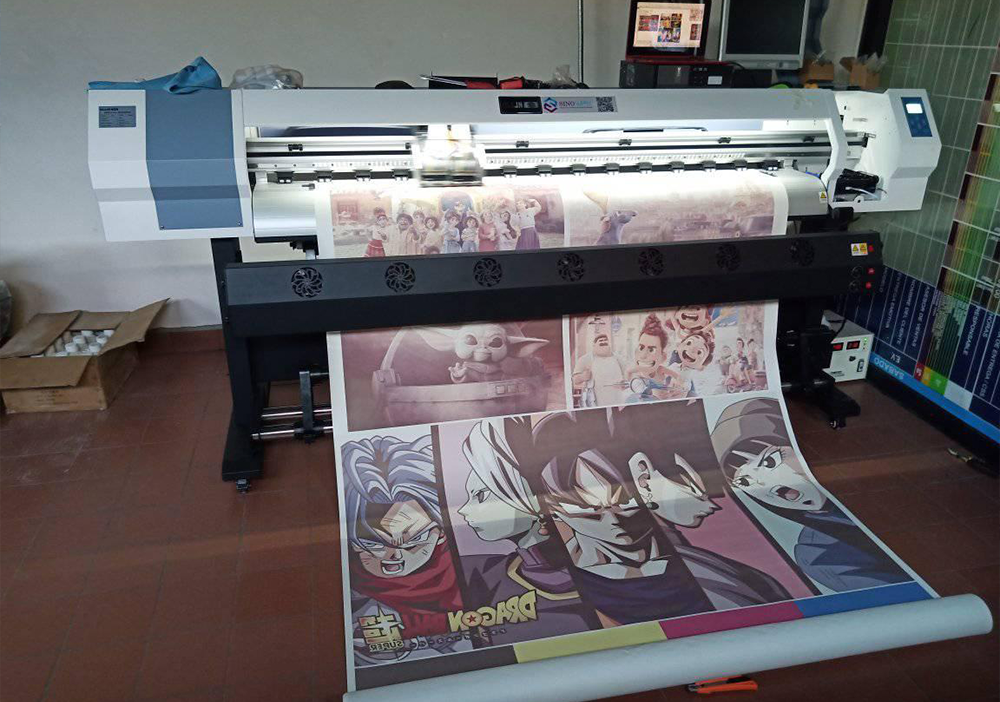
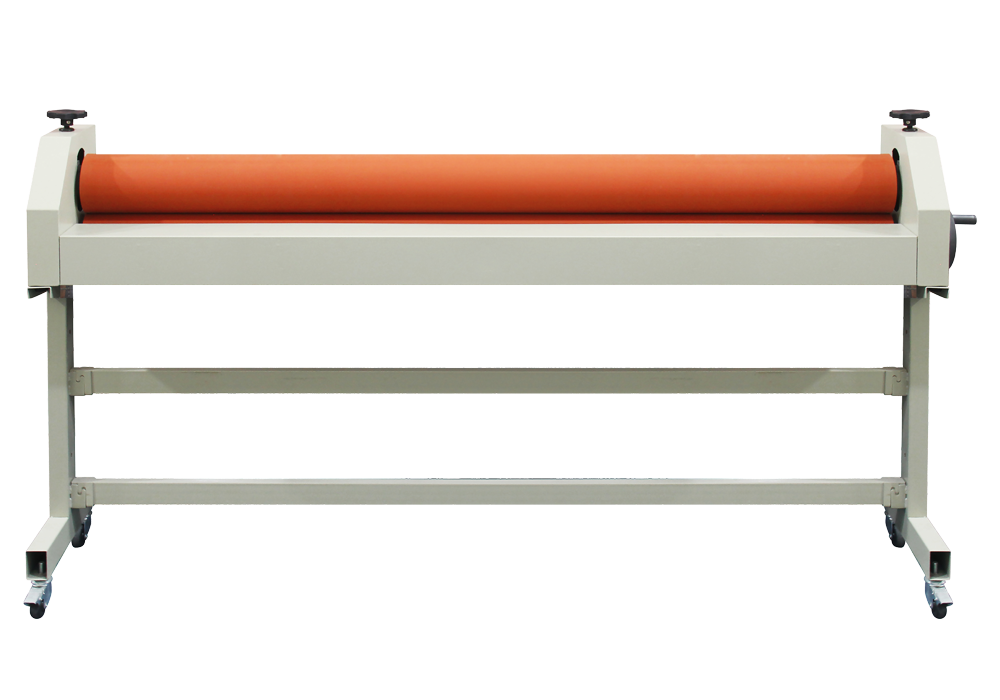
In a professional signage factory, equipment such as a Banner printing machine, Vinyl printing machine, Cutting plotter, Bending machine, and Lamination machine work together to support billboard production, retail signage, vehicle wraps, exhibition displays, and custom advertising graphics. A complete production line helps businesses reduce outsourcing costs, improve delivery speed, and maintain stable product quality.

Banner Printing Machine Solutions for Large-Scale Advertising Production

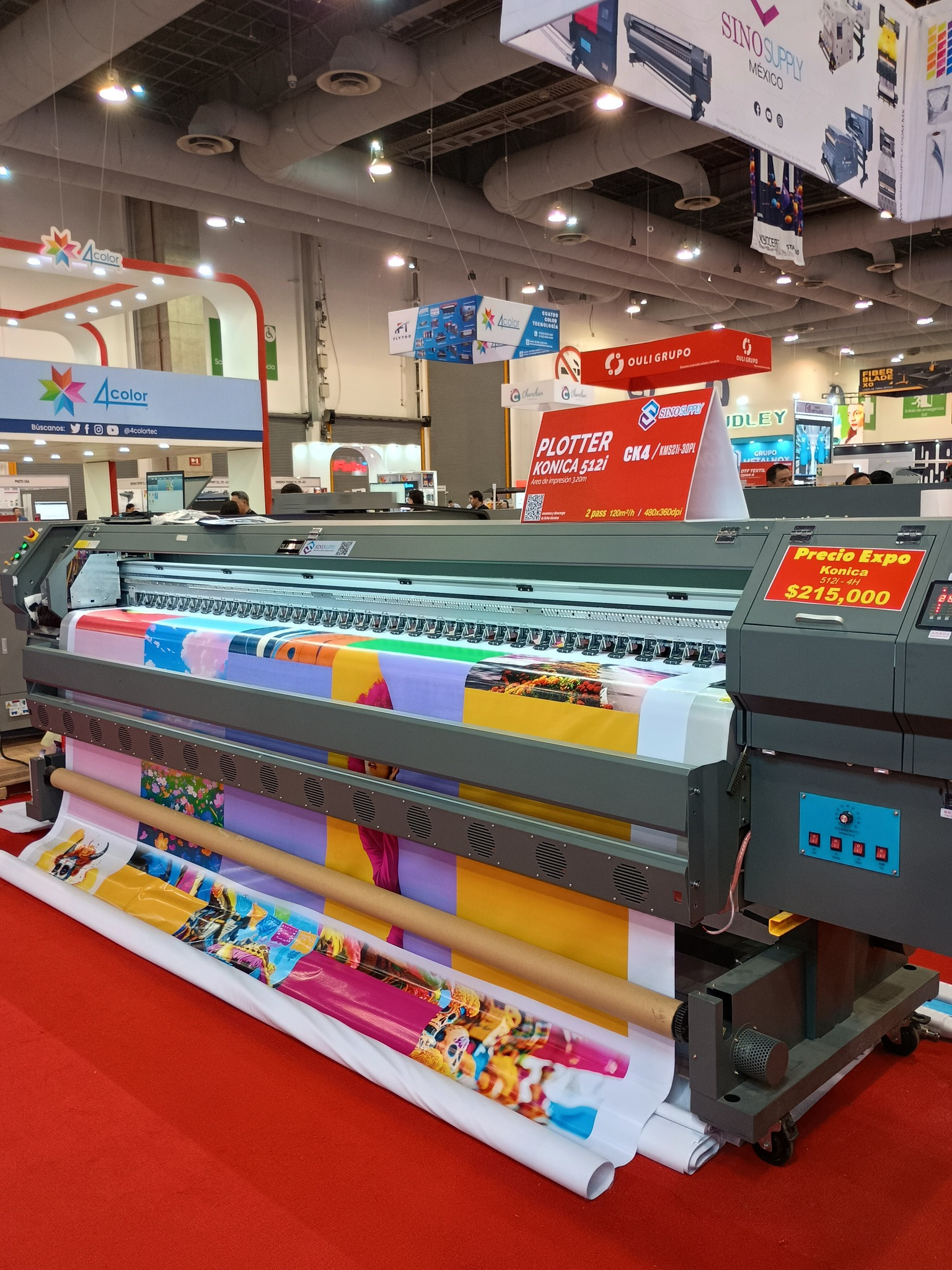
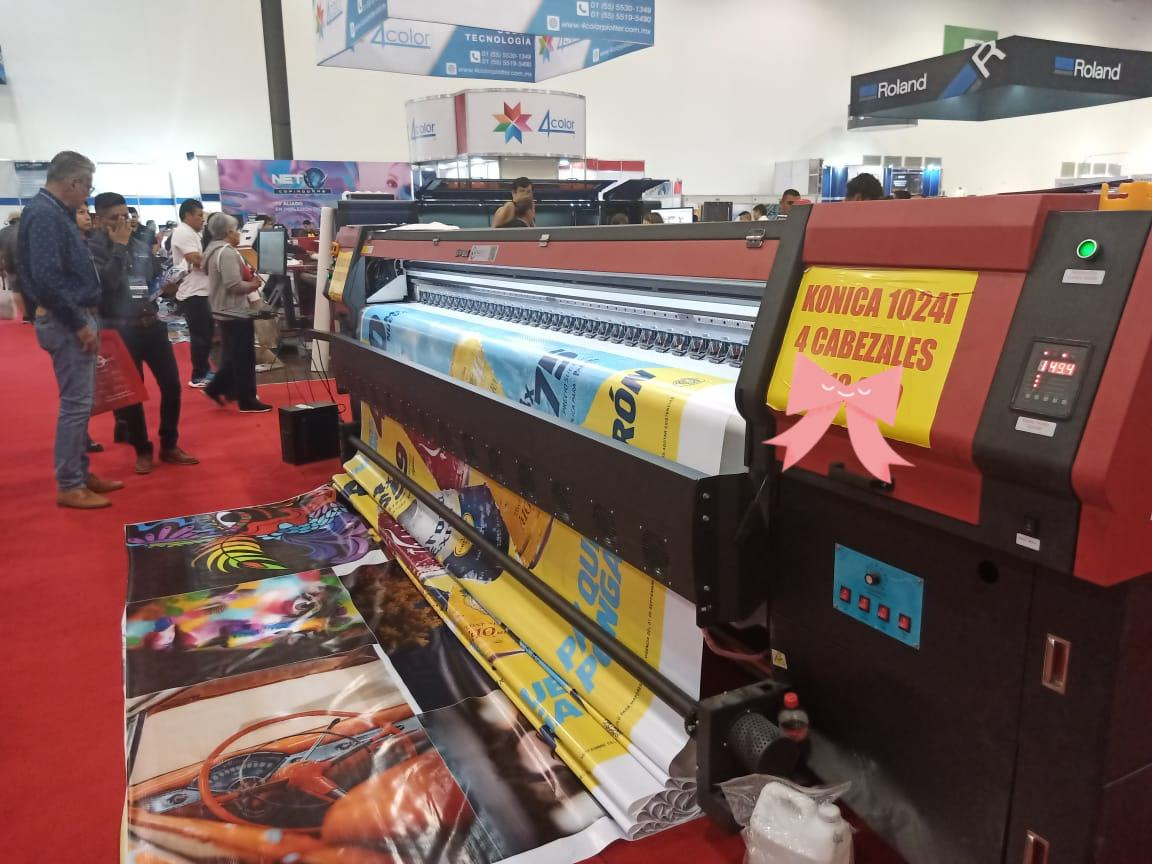
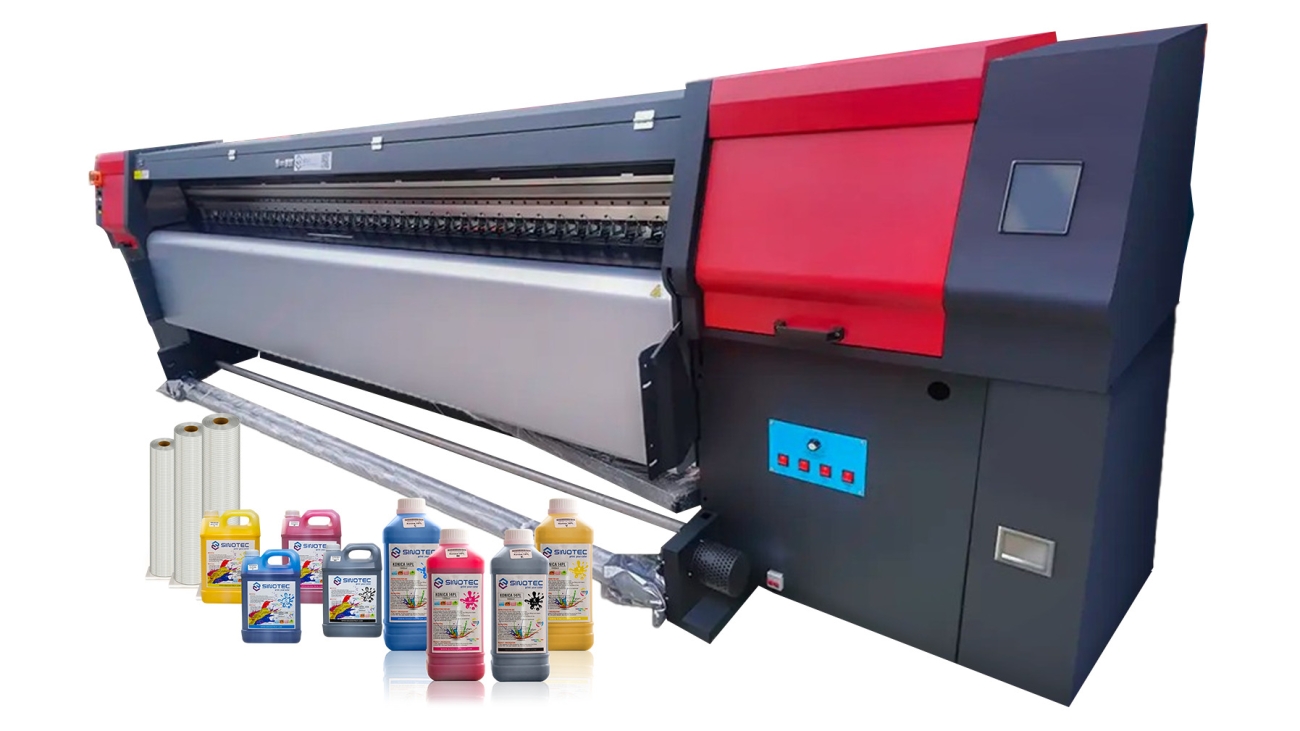
Banner printing still sits right in the center of the signage and advertising world. Large-format banners are used all over the place, in shopping malls, trade shows, sports events, construction sites, transportation stations, and many kinds of commercial promotion campaigns. With a high-quality Banner printing machine, manufacturers can create bold, weather-resistant visuals, with solid durability and consistent output. And since competition keeps growing, having trustworthy printing gear becomes kinda mandatory if a company wants higher production capacity , and to keep customers satisfied.

High-Speed Printing for Outdoor Advertising Projects

Most modern banner printing setups are built to manage large volumes while keeping print quality strong. A lot of machines can support eco-solvent, solvent, and UV printing technologies, so businesses can pick what fits the application and the working environment. Common wide-format widths like 1.8 meters,2.5 meters, and even 3.2 meters let teams produce oversized graphics without wasting time. Plus, the high-speed performance means urgent jobs get done sooner, and during busy seasons it helps boost turnover in production.

Stable Color Output and High Image Quality

Color consistency matters a lot in advertising, because clients want their brand elements to stay accurate across different materials and different production batches. New printhead technologies help control ink better, improve image crispness, and keep gradients smoother, while also cutting down typical printing problems like banding, or uneven color. Stable printing performance makes the final look more professional, but it can also reduce material waste and lower maintenance costs, which supports better long-term profitability.

Supporting Continuous Industrial Production

A reliable Banner printing machine system is usually made for long shifts and continuous industrial use. Things like automatic media feeding, intelligent drying systems, tension control mechanisms, and easy-to-operate software help lift overall efficiency. With these options, operators need less manual intervention, and they can manage big commercial orders more effectively. For signage factories that serve multiple customers every day, dependable industrial-grade equipment is critical to keep delivery schedules on track, even when production demand rises.

Banner printing machine

Vinyl Printing Machine Technology for Flexible Signage Applications

Vinyl graphics are widely used in advertising because they are durable, flexible, and visually attractive. A vinyl printing machine helps businesses produce vehicle wraps, window graphics, stickers, labels, and retail signage efficiently, making it an important solution in modern sign production.

Eco-Solvent and UV Printing Advantages

Eco solvent printing is popular because it gives strong adhesion, it keeps odor emissions lower, and it still handles outdoor wear really well. These setups work nicely with self-adhesive vinyl, coated media, and flexible advertising formats. Then UV printing systems add another layer of flexibility, since they can print directly on rigid surfaces as well as non-traditional materials. In general, businesses that mix and match printing methods end up handling more kinds of jobs, and they can react faster to customer expectations.

Compatibility with Various Advertising Materials

Today’s vinyl printing machine systems can run lots of media types, including glossy vinyl, matte vinyl, transparent film, reflective materials, perforated window film, and special decorative graphics. This kind of range lets sign makers build products for different locations and branding styles. Also, being able to process multiple materials helps companies diversify their offerings and stay more competitive in the market.

Improved Durability for Long-Term Use

Outdoor signage has to take the hit from sunlight, moisture, dust, temperature swings, and normal physical scuffs over long periods. Better ink systems plus solid printing tech improve scratch resistance, keep color more stable, and boost overall weather durability. When graphics last longer, customers replace things less often, and maintenance costs usually drop too, so high quality vinyl printing solutions feel more attractive for steady commercial advertising campaigns.

Cutting Plotter Systems for Precision Graphic Finishing

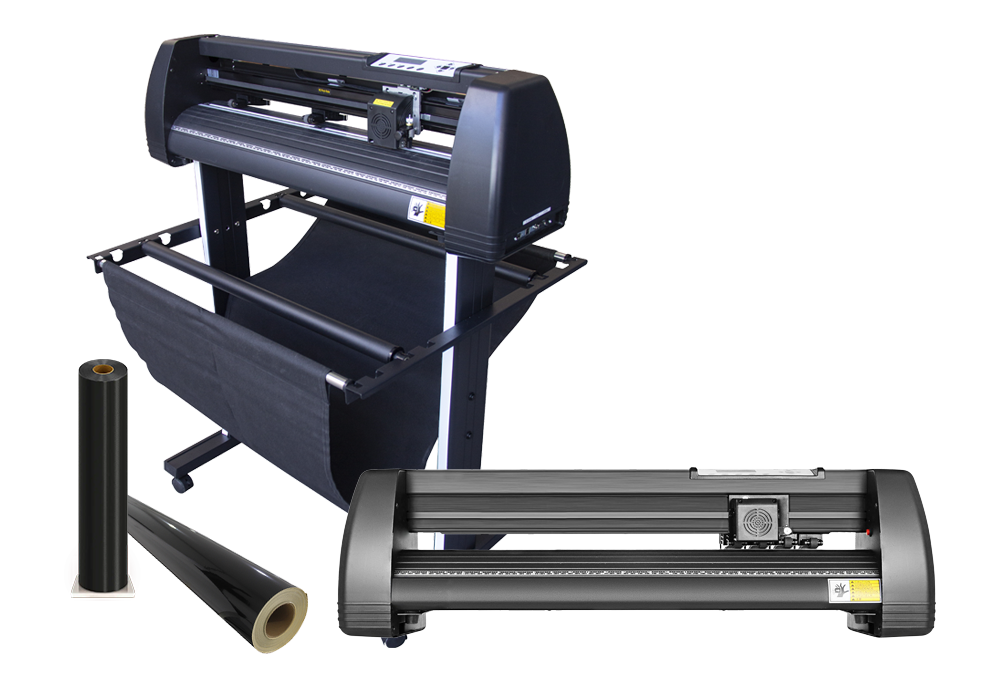
After printing, cutting is often the key step in signage production, like it or not. A cutting plotter trims printed graphics so they match the design specs, which creates a cleaner look with sharp edges and accurate shapes. These machines are used for decals, stickers, labels, vehicle graphics, heat transfer designs, and promotional signage.

Accurate Contour Cutting for Detailed Designs

Modern cutting plotter systems often use optical sensors and smarter positioning, so they can track registration marks automatically. That makes it possible to do accurate contour cutting even on complicated shapes, plus tiny lettering details. When the cuts are precise, the final look improves, and you also reduce mistakes and avoid extra material waste. If a business does custom work or small batches, this accuracy becomes a real advantage.

Processing a Wide Range of Materials

Professional cutting plotters can handle different materials, such as self-adhesive vinyl, reflective film, heat transfer media, window graphics, paperboard, and thin flexible sheets. With this broad compatibility, sign manufacturers can run multiple advertising formats with one cutting system. And that processing flexibility lets businesses adapt quicker when trends shift or customers change their requests.

Automation Improves Production Efficiency

Automation matters more and more in signage, mainly because it lowers labor expenses and keeps the workflow smoother. A lot of cutting plotter systems now include automated feeding, continuous cutting, and integrated software control. These features help printing and cutting steps work together with less delay, meaning fewer production interruptions and faster output for big commercial runs.

Banner printing machine

Bending Machine Solutions for Channel Letter Manufacturing

Three-dimensional signage, and illuminated channel letters are getting more and more popular in commercial branding, and also in architectural advertising. A Bending machine basically helps automate the shaping of aluminum, stainless steel and other metal materials that are commonly used for channel letter fabrication. With automated bending technology you can get better shaping consistency and accuracy, which cuts down on manual labor needs, plus it often helps shorten production time a lot.

Faster and More Accurate Channel Letter Production

With traditional manual bending, you usually need experienced workers and you end up spending a lot of time. An automated Bending machine system can process complex letter forms and those tighter curves faster, while still keeping a steady level of accuracy. Digital control systems also make it easier to ensure that every channel letter, matches the design specs closely. That improves the product quality overall and it can lower rework rates, even if some parts of the job are tricky.

Supporting Different Metal Materials

Today’s bending equipment is able to handle aluminum coils, stainless steel strips, galvanized steel, and even flexible edge materials used in illuminated signage. That versatility means sign manufacturers can create different letter styles, decorative structures too, based on customer preference, and the real requirements of the project. In practice, material compatibility gives more room for custom signage work, when you need variations that may change from one order to another.

Reducing Labor Costs and Material Waste

Automation doesn’t only increase speed , it also reduces how much you depend on highly skilled manual operators. Intelligent bending systems can optimize material usage, and they help minimize production errors. So businesses often see less waste and better margins. Since labor costs are rising in many places, automated Bending machine technology is becoming more and more important for keeping production efficiency competitive.

Conclusion

A full signage production line that kind of ties together a banner printing machine, a vinyl printing machine, a cutting plotter, a bending machine, plus a lamination machine gives manufacturers a strong way to ramp up production efficiency, lift product quality, and boost business competitiveness. With these workflows more or less integrated, companies can lower costs, speed up delivery, and also handle a broader set of customized advertising uses across different sectors, industries, and needs.

And since the signage market keeps expanding and shifting, putting money into advanced full-line production equipment can help businesses sharpen their manufacturing skills and move toward long-term success in the global advertising and display arena. If you want to check out more professional signage equipment and integrated production solutions, just visit SINOTEC | Digital Advertising Equipment & Consumables.

UV DTF printer

UV DTF Printer vs. Traditional UV Flatbed Printer: Solutions for Curved & Irregular Object Printing

In today’s rapidly evolving customization and packaging industry, demand for printing on curved, cylindrical, and irregular-shaped objects is increasing faster than ever. From personalized beverage packaging and promotional gifts to customized mobile accessories, manufacturers are actively searching for more flexible and cost-efficient printing technologies that can handle diverse materials and shapes. This is where solutions such as the UV DTF printer, UV bottle printer, and UV phone case printer play a critical role in modern production workflows, offering new possibilities for small-batch customization and mass personalization.

Traditional UV flatbed printers have long been the industry standard for rigid and flat materials, especially in signage, packaging panels, and industrial marking. However, they often struggle when handling non-flat or irregular surfaces due to structural limitations. As a result, more businesses are now comparing different UV printing technologies to determine which solution offers better adaptability, efficiency, and long-term production stability. This article explores the key differences between UV DTF systems and traditional UV flatbed printers, and explains how modern printing solutions are reshaping curved object customization across multiple industries.

UV DTF printer

UV Printing Demand for Curved and Irregular Object Applications

The world of customization is getting bigger and bigger especially when it comes to things like products, packaging design and accessories for consumer electronics. This means that people are looking for UV DTF printers, UV bottle printers and UV phone case printers that can handle wonderful shapes. Companies are no longer stuck with flat signs or basic printed boards. They need solutions that can print on things like bottles, curved plastics and weird promotional merchandise.

Rising Popularity of UV DTF Printer In Customization Business

The UV DTF printer is really popular now especially among small and medium-sized businesses that do customization. It is a flexible and cost-efficient solution. Unlike fashioned UV flatbed machines, a UV DTF printer lets you print designs on film first and then stick them onto curved or uneven surfaces. This makes it perfect for things like phone cases, mugs, bottles, helmets and promotional gifts. Because it is so flexible and easy to set up the UV DTF printer is being used more and more by startups and businesses that do print-on-demand.

UV Bottle Printer Demand In Packaging and Beverage Industry

A UV bottle printer is really common in the beverage and cosmetics industries well as in high-end gift customization. When you are printing on products you need a machine that can rotate precisely stick the ink on well and control the curing process. This makes UV bottle printing a process. However, compared to a UV DTF printer a UV bottle printer is not as good at handling shapes. It is still really good at mass-producing standardized bottle designs especially in big factories.

UV Phone Case Printer for Mobile Accessory Market

The UV phone case printer is really important in the market for customized accessories. People love designs and this printer makes it possible. It can print directly onto phone cases with vivid colors and a durable finish. Sometimes the texture of the case or the shape of the phone can be a problem. To get around this some manufacturers use a combination of UV phone case printers and UV DTF printers to make their products more flexible and reduce production limitations.

What Is UV DTF Printer Technology and Why It Matters

A UV DTF printer is a machine that prints special ink onto adhesive film, which is then stuck onto the final product. This means that the print head does not have to touch the object making it a flexible and scalable solution for printing on curved and weird shapes. This is an improvement over traditional UV flatbed printer.

UV DTF Printer Workflow and Printing Process

When you use a UV DTF printer you typically print a high-resolution design on film add a layer laminate it and then stick it onto the object. This way you can prepare your designs ahead of time. Apply them to different surfaces without having to adjust the machine every time. Unlike UV flatbed printers a UV DTF printer does not need the surface to be perfect which makes it really useful for things like bottle wraps and curved phone cases.

Why UV DTF Printer Replaces Traditional UV Flatbed Limitations

Traditional UV flatbed printers are limited because they need rigid surfaces to work. This means they are not very good at handling customized products. The UV DTF printer solves this problem by using a transfer method, which lets you stick designs onto objects that would be hard to print on otherwise. For example while a UV bottle printer needs to rotate the bottle a UV DTF printer can do the thing without any mechanical constraints, which makes the workflow more flexible.

UV DTF Printer Integration with Bottle and Phone Case Production

In factories UV DTF printers are often used with UV bottle printers and UV phone case printers to create a hybrid workflow. This means that manufacturers can handle both printing and transfer-based printing depending on what the product needs. As a result factories can use machines and still make a wider variety of products, which is especially useful, in the customized e-commerce and promotional products industries.

UV DTF printer

Limitations Of Traditional UV Flatbed Printers in Irregular Printing

Traditional UV flatbed printers are still widely used in industrial printing. They have some limitations when printing on curved or irregular objects. Unlike UV DTF printer, UV bottle printer and UV phone case printer systems flatbed machines are not very flexible. This is a problem in customization workflows where many different products are being made.

Flat Surface Dependency Of UV Flatbed Printer

A UV flatbed printer needs a flat and stable surface. This is a limitation when printing on curved objects like bottles, cylindrical packaging or phone cases with textures. A UV DTF printer does not have this limitation. It transfers prints after production. This makes it more adaptable for surfaces.

Reduced Efficiency in Customization Production

Using UV flatbed printers for items can be slow. This is because they need positioning, alignment tools and customized fixtures. A UV bottle printer or UV phone case printer can help with some shape- challenges. They still need special setups. A UV DTF printer allows for batch production on film. This improves throughput. Reduces downtime.

Lack Of Flexibility Compared to UV DTF Printer Systems

Traditional UV flatbed printers are not as flexible as UV DTF printer systems. They are good for boards and signage. They are not ideal for modern personalized markets. These markets need product changes, short production cycles and curved object printing.

UV Bottle Printer and UV Phone Case Printer Industry Applications

The need for personalization and branding has increased the importance of UV bottle printer and UV phone case printer systems. These machines are used in packaging, retail branding, promotional product manufacturing and consumer electronics customization. They often work with UV DTF technology.

UV Bottle Printer in Commercial Packaging

A UV bottle printer is widely used in beverage, cosmetic and luxury packaging industries. Branding is crucial in these industries. The printer enables printing on cylindrical surfaces with strong adhesion and durability. Compared to a UV DTF printer it is less flexible. It is best suited for production lines.

UV Phone Case Printer In Personalized Mobile Market

The UV phone case printer is essential in the accessory customization industry. Demand, for phone cases is growing. The printer supports quality direct printing with strong color accuracy and scratch resistance. For materials or curved-edge designs manufacturers often integrate UV DTF printer workflows.

Combined Use of UV DTF Printer with Specialized Machines

Many modern factories now combine UV DTF printer, UV bottle printer and UV phone case printer systems. This hybrid approach allows manufacturers to choose between printing and transfer printing. They can choose depending on the product type. This ensures efficiency, better cost control and expanded product offerings in competitive markets.

UV DTF Printer Vs Traditional UV Flatbed Printer Comparison

When comparing UV DTF printers with UV flatbed printers one thing stands out. Flexibility. This is really important for manufacturers who need to print on things like bottles, phone cases or flat surfaces.

Material Compatibility and Printing Flexibility

A UV DTF printer can print on materials like glass, plastic, metal, leather and ceramics. This is because it uses transfer technology. On the hand UV flatbed printers need to touch the surface directly. UV bottle printers and UV phone case printers can only print on shapes. UV DTF printers are more flexible.

Quality Control in Customized Women’s Jeans Production

UV DTF printers can print films at once. This makes them faster and more scalable than UV flatbed printers. Businesses that use UV bottle printers or UV phone case printers often switch to UV DTF printers to make products and handle more orders.

Output Quality and Consistency

Both UV flatbed printers and UV DTF printers make high-quality prints. UV DTF printers give more consistent results on curved and uneven surfaces. This is great for industries where products come in shapes and sizes.

Conclusion

For most businesses that are really focused on customization, the UV DTF printer has kind of become the most versatile and scalable option out there right now. And when you pair it with a UV bottle printer, plus a UV phone case printer system, it turns into a full and kind of efficient production ecosystem. This setup supports both direct printing and transfer methods, so you get maximum flexibility along the way, higher output efficiency and overall stronger competitiveness in the global customization market. To explore more technical specifications, application cases, and industrial solutions for UV printing systems, visit: SINOTEC | Digital Advertising Equipment & Consumables.

DTF1

DTF Printer vs. Traditional Heat Transfer: The Best Choice for Small-Batch Garment Customization

The custom apparel market is growing at a phenomenal rate, with the on-demand printing set to create more than 10 billion dollars in world income by 2027. To entrepreneurs and small workshops, this expansion brings opportunity–but also a choice: what printing technology can give them professional results without busting the bank? You are already at the forefront if you are considering a DTF printer to run your operation.

This guide cuts the noise to compare the technology of the direct-to-film printers to the traditional heat transfer process in terms of cost, quality, workflow, and scalability of batches with fewer than 100 units. You will also know when a DTF t-shirt printer is the best choice over vinyl or screen printing- and when it is still strategic to use the old-fashioned techniques.

Understanding DTF Transfer Printer Technology for Custom Apparel

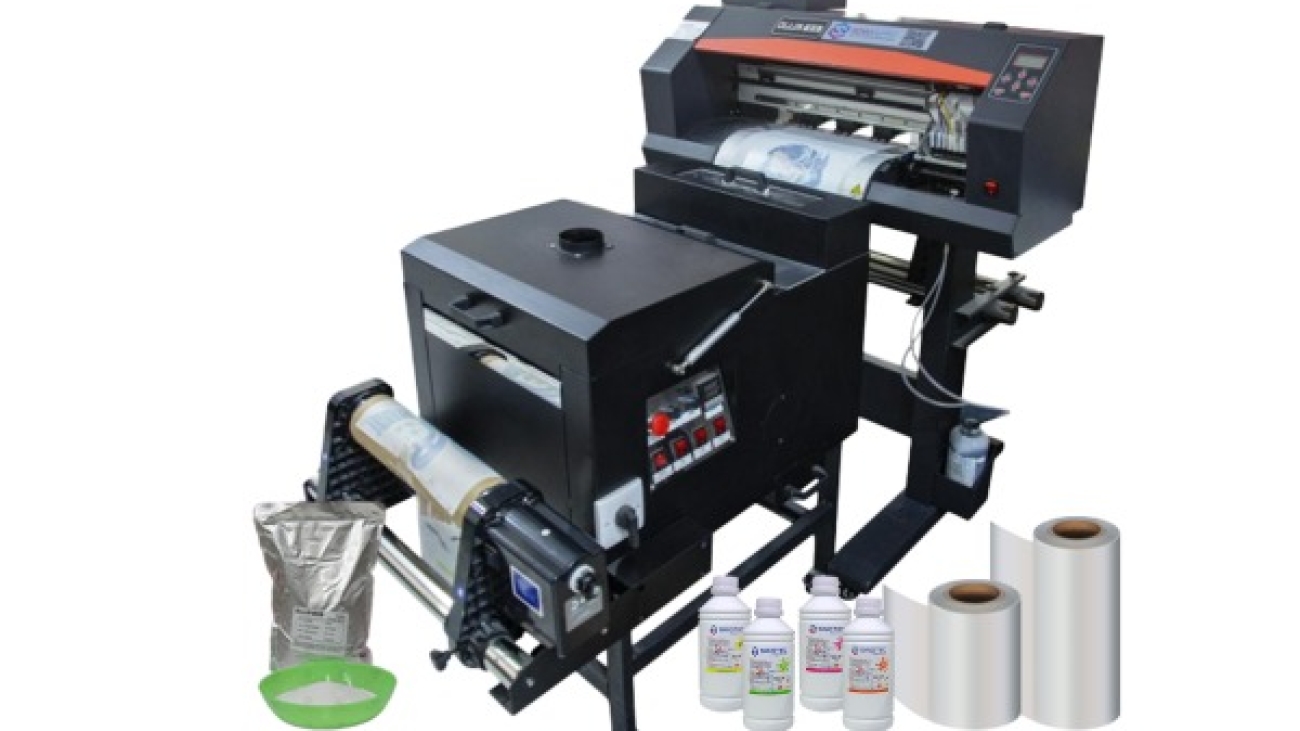
The DTF transfer printer is an important advancement in the digital decoration of garments. This system does not use screens, weeding or pretreatment sprays, but transfers the design onto a special PET film, sprays adhesive powder on it, and then presses the transfer onto cloth. The result? Bright, stretchy prints that stick onto cotton, polyester, blends, and even the most difficult materials, such as nylon or leather.

How Direct-to-Film Printing Works

The procedure starts with computerized art that is transmitted to the printer. The direct-to-film printer applies CMYK+ white ink layers on the film. Once printed, finely adhesive powder is sprinkled over the wet ink and dried under heat. When cooled, the transfer can be applied to garments. The workflow excludes color separation processes and reduces setup time for short runs.

Key Components of a DTF T-shirt Printer Setup

A full station consists of the printer itself, a powder applicator or manual one, a curing oven or heat tunnel, and a good-quality heat press. To minimize waste and enhance uniformity, modern units may incorporate powder management systems.

Traditional Heat Transfer Methods: Screen Printing and Vinyl Cutters

There are two major methods under the traditional heat transfer: screen printing transfers and vinyl cutting. Vinyl is a technique where designs are cut out of colored paper, excess material weeded, and pressed onto clothing. Transfers in screen printing are transferred using ink forced through mesh screens to transfer paper, which is then heat-applied to the fabric.

When Vinyl Heat Transfer Still Makes Sense

Vinyl is still perfect when you need a simple, one-color logo on light garments. It needs a few equipment requirements and has excellent dark fabric coverability in the absence of white ink underbases. Vinyl cutters are predictable and have low complexity, which makes them effective when businesses are related to text-based designs or athletic numbers.

Limitations of Screen Printing for Small Runs

Screen printing transfers require a lot of preparation: screen burning, ink mixing, and registration alignment. These measures pose a high fixed cost, which only becomes cost-efficient at higher production volumes. In batches of less than 50, the unit cost and time spent may discompensate the cost advantages in durability.

FeatureDTF PrinterVinyl Heat TransferScreen Printing Transfer
Setup TimeVery LowLowHigh
Best for Small BatchesExcellentGoodPoor
Full-Color PrintingYesLimitedYes
Fabric CompatibilityCotton, Polyester, Blends, NylonMostly Cotton/PolyesterGood
Dark GarmentsExcellentExcellentExcellent
Labor IntensityLowHigh (weeding)High
Per-Shirt Cost (Small Runs)LowMediumHigh
DurabilityHighMediumHigh
Stretch PerformanceExcellentModerateGood
Learning CurveModerateEasyAdvanced
DTF Printer

Cost and Efficiency Comparison: DTF Printer vs Traditional Methods

Startup costs vary significantly between DTF and traditional printing methods. A typical professional DTF printer system costs between 3,000 and 8,000 dollars, including printer, powder system, and curing unit. Conventional screen printing needs exposure units costing $5,000-15,000, presses, and drying racks, as well as continued expenditures on screens and emulsions.

DTF is more cost-effective for small-batch production.

  • DTF: $1.50–$3.00 per shirt (including film, ink, powder)
  • Vinyl: $2.00-4.50 per shirt (material and weeding labor)
  • Screen transfer: $3.00-6.00 per shirt (set amortized on small run)

The efficiency in terms of time also skews the scales. A DTF transfer printer is capable of creating ready-to-press transfers in minutes with no weeding or screen reclamation. Conventional techniques increase the preparation time per design by 15-45 minutes.

MethodEstimated Cost Per ShirtIdeal Order Size
DTF Printing$1.50–$3.001–100 pcs
Vinyl Transfer$2.00–$4.501–30 pcs
Screen Printing$3.00–$6.00100+ pcs

Print Quality and Durability: Which Method Delivers Better Results?

In the opinion of customers, the two things that are most important when it comes to your work are visual impact and longevity. Direct to film printer has photorealistic detail, smooth gradients, and soft-hand finishes. The white underbase allows bright colors to be used on dark clothes without making the fabric hard.

Industry standards used to test durability include wash resistance, crack resistance, and colorfastness. Comparison of methods can be seen here:

  1. Wash durability: DTF transferable when properly cured, can resist more than 40 commercial washes.
  2. Stretch recovery: DTF prints withstand integrity on performance fabrics as well as vinyl.
  3. Color accuracy: Digital DTF processes remove the error of screen registration.
  4. Hand feels: DTF adhesive coatings are thin enough not to disrupt garment drape.

Vinyl used in traditional format provides good opaqueness but can be hard and break when washed frequently. Screen-printed transfers are durable, with a tendency to compromise fabric breathability.

Business GoalBest Printing Method
Small custom ordersDTF Printer
Large bulk productionScreen Printing
Names & jersey numbersVinyl Transfer
Photographic artworkDTF Printer
Multi-fabric printingDTF Printer

Why Choose SINOTEC

The reliability of equipment and technical support is important when it comes to growing your customization business as much as print quality. SINOTEC collaborates with printing and fabrics companies across the world to offer more than hardware-we offer end-to-end solutions.

Having more than 20 years of experience in the industry, SINOTEC integrates the latest digital printing technology, laser technology, and embroidery technology with local operation support. We have a global network throughout Eastern Europe, Southeast Asia, Africa, and Latin America with overseas branches that guarantee responsive logistics and after-sales service.

All the partner factories are carefully reviewed in their qualification and have full-process quality inspection systems. You want to start a new line of DTF t-shirt printers, or you want to streamline the current processes. SINOTEC will assist you in transforming the creative ideas into a real, profitable outcome. Visit our entire portfolio of digital fabrication equipment that is geared towards sustainable development.

Conclusion

The decision of whether to use a DTF printer or a standard heat transfer depends on three variables: batch size, fabric variety, and quality requirements.

To begin with, the DTF technology minimizes the setup time significantly and cost when the run is less than 100 units. Second, it can print vibrant, soft-hand designs on just about any fabric, which is why it increases your service offerings. Third, the current DTF transfer printer systems provide high-quality and professional longevity that meets the repeat customers.

Get in touch with SINOTEC via contact today to discuss how our expert DTF solutions and international support system can help you achieve the success of small-batch customization faster. The future of apparel decoration lies in dynamic, technology-oriented businesses-place yours to the fore.

Frequently Asked Questions

Which DTF printer is most suitable for a small business start-up?

Basic models of DTF printers of well-known brands have 13 -16 inch print width, an automatic powder feed system, and easy-to-use RIP software. When in your learning curve, prioritize those units that have local technical support and consumables that can be obtained at any time to reduce downtime.

Comparison of DTF transfer printing to cotton sublimation?

A DTF transfer printer is unlike sublimation, which only bonds to polyester; a DTF transfer printer bonds to cotton, blends, and dark fabrics with a white underbase using white ink. This flexibility enables DTF to be used in stores that deal with a wide range of types of garments without having to keep several printing systems.

Will a direct-to-film printer be able to work on dark clothes without pretreatment?

Yes. Direct-to-film printer workflows use the white ink layer to give opaqueness to black or colored garments without pre-spraying the garments. This removes an additional process that is needed in certain DTG processes, simplifying the production of mixed-order batches.

How long does it take on average to receive DTF t-shirt printer orders?

File approval for a pressed garment. A DTF t-shirt printer workflow can complete small batches (10-50 units) in 1-2 hours. This velocity enables fulfillment on the same day- a strength in the face of on-demand business models that compete with fast-fashion retailers.

Are batches of fewer than 50 pieces more cost-effective to print on DTF than on vinyl?

Generally, yes. Although single color designs can be produced with lower material costs using vinyl, the digital workflow of DTF has removed weeding labor and set-up time. In transfer printing and photographic designs with quantities of less than 50 items, the economics of DTF transfer printing tend to achieve a reduction in total per-garment cost of 20-40 percent.

What is the duration of DTF transfer in comparison to conventional heat press methods?

DTF transfers are transferred, when successfully cured, to meet or surpass industry wash-fastness standards (AATCC Test Method 61). They usually retain color vividness and stickability with 40-50 commercial washes- equal in quality to screen printing transfers and better than basic vinyl applications.

UV DTF printer

UV Flatbed Printer vs. UV Roll-to-Roll Printer: Selection for Different Materials & Thickness

Selecting an inappropriate UV printing system may result in a constraint of production, lower profits, and compel your team to turn down lucrative orders. The most common comparison between a UV flatbed printer and a UV hybrid printer is simply by the price of the machine, yet the more appropriate question is as follows: what types of materials, thickness, and types of order will you be printing most of the time?

The popularity of UV printing is due to the fact that UV inks are cured almost immediately in ultraviolet light. This enables print shops, signage companies, distributors, and manufacturers to print on a wide range of rigid and flexible substrates with quicker finishing times.

In this guide, you will get to know the major distinctions between flatbed, roll-to-roll, and hybrid UV systems. You will also know which UV printing machine is best suited for acrylic, glass, PVC board, metal, banners, vinyl, leather, packaging samples, signage, and thicker materials.

Large Format UV Printer Basics: How UV Printing Works

A large-format UV printer lays ink onto the surface of the material. The ink is then cured by UV lamps, nearly instantly forming a printed layer that adheres to the substrate. Unlike solvent or water-based printing, UV printing does not take a long time to dry.

This renders a UV printing machine handy in the tasks of high turnover, low-run customization, and multi-material printing. Typical uses are indoor signs, outdoor boards, display panels, packaging samples, decor panels, promotional items, and industry marking.

Key advantages of UV printing

  • Supports many rigid and flexible materials
  • Offers fast curing and quicker finishing
  • Can print white ink, varnish, and layered effects
  • Helps with custom, short-run, and on-demand jobs

Flexibility is the key advantage in the case of B2B buyers. A single machine is frequently able to support multiple types of services, and this enables companies to expand into signage, advertising, packaging, display, and customized products.

UV Printing Machine Types: Flatbed, Roll-to-Roll, and Hybrid

Buyers ought to be aware of the three major types of printers before settling on a UV printing machine. They all accommodate dissimilar workflows and content material.

UV flatbed printer for rigid materials

A UV flatbed printer employs a flat table on which rigid materials are laid and secured. The printhead is passed over the surface, and it prints directly onto the object or sheet. This is effective with acrylic, foam board, wood, glass, ceramic tiles, metal panels, PVC board, leather pieces, and packaging samples.

Flatbed systems perform optimally when the thickness, flatness, and precision of material positioning are crucial. Signage companies, manufacturers of decorations, display manufacturers, and printers of industrial products often use them.

Roll-to-roll UV printer for flexible materials

A roll-to-roll UV printer is created with flexible media that is provided in rolls. It is a powerful choice in vinyl, banners, films, wallpaper, canvas, backlit materials, and soft signage.

This type of machine tends to be more efficient at workflow with long continuous prints. Nevertheless, it can not be applied to thick boards, heavy panels, or solid objects.

UV hybrid printer for mixed production

A UV hybrid printer has the ability to integrate flatbed and roll-fed. Depending on the machine setup, it can print on both rigid board and flexible roll media. It is handy to a company that manufactures signs, banners, display graphics, boards, and films under a single facility.

UV flatbed printer

UV Flatbed Printer Material Selection for Rigid and Thick Substrates

When you are printing on rigid, heavy, or thick materials, a UV flatbed printer is typically more suitable. The flat table upon which the substrate is placed when printing can assist in enhancing accuracy and minimizing the movement of materials.

General flatbed materials are acrylic, PVC, KT board, foam board, aluminum composite panels, glass, ceramic tile, metal sheet, wood board, leather, phone cases, packaging samples, and display products.

Why thickness matters

Flatbed machines can frequently permit a larger distance between the printhead and the material surface. This is useful when printing on heavy acrylic, wood panels, display blocks, product samples, or shaped objects. Depending on the model, some machines can print on thin sheets as well as several centimeters thick.

As a buyer, the choice rule is simple: when the majority of your orders are with rigid panels, boards, sheets, or objects, a flatbed model tends to provide better control and more stable results.

When a flatbed is not ideal

Long rolls of banner, wallpaper, vinyl, or film might not be best suited to a flatbed system. Though a few flexible sheets can be printed on a flatbed, loading and unloading can be slow, which slows the production.

UV Hybrid Printer Selection for Flexible Media and Mixed Orders

A UV hybrid printer would be a good idea if your business has more than one market, and you would not want to have two types of machines (rigid and roll). Particularly, it is applicable in the expansion of print shops, signage companies, and distributors that require a flexible production without excessive use of the floor space.

Signage boards, advertising panels, vinyl rolls, flexible film, banners, exhibition graphics, POP displays, foam board, PVC board, and composite sheets are all typical of hybrid UV systems.

Main benefits of hybrid systems

A hybrid model assists businesses in increasing their service list. A print shop can take both board and roll jobs, instead of the jobs being rejected due to the different material format.

This flexibility will be able to enhance the use of machines, particularly for companies that get mixed orders in terms of retail brands, event companies, building material suppliers, and advertising agencies.

Key buying checks

Before buying a hybrid printer, check:

  1. Maximum rigid material thickness
  2. Maximum roll width and roll weight
  3. Feeding accuracy for long flexible media
  4. Vacuum strength and media stability
  5. White ink circulation system
  6. Spare parts and technical support

A hybrid printer may prove to be a wise purchase, but only when it has the right specifications to meet your actual production requirements.

Large Format UV Printer Comparison by Material, Thickness, and Workflow

The right large-format UV printer will be determined by your material list, volume of production, and growth plan. Price is important; however, daily workflow is more important.

Selection FactorUV Flatbed PrinterRoll-to-Roll PrinterUV Hybrid Printer
Best forRigid sheets and objectsFlexible roll mediaMixed rigid and roll jobs
Material examplesAcrylic, glass, wood, metal, PVC boardVinyl, banner, film, wallpaperBoards, vinyl, banners, films
Thickness supportStrongest optionVery limitedModel-dependent
Production styleShort-run, custom rigid jobsLong continuous printingMulti-material production
Buyer fitSignage, décor, industrial printingBanner and advertising shopsGrowing print shops and distributors

Practical selection rule

Select a flatbed model when your primary business is printing in rigid materials. Select a roll-to-roll machine when your job is primarily flexible media. Adopt a hybrid model when you have to have a single system with both boards and rolls, and you can afford a more flexible production workflow.

UV hybrid printer

Why Choose SINOTEC DIGITAL

To buyers who make comparisons between digital printing, UV printing, laser, embroidery equipment, and consumables, the ability of the supplier is as important as the machine specifications. SINOTEC DIGITAL is a Chinese company located in Guangzhou, China, and is a supply chain and technical service provider, with over 20 years of experience in the industry.

The company assists international customers with digital printing and UV printing systems, laser engraving, cutting and marking equipment, embroidery equipment, authentic consumables, tools, and accessories. This expanded equipment platform can assist print shops, distributors, signage firms, and manufacturers to find compatible solutions through a single knowledgeable partner.

Regional support is another strength. SINOTEC DIGITAL has licensed distribution networks in Eastern Europe, the Middle East, Southeast Asia, South Asia, North Africa, and West Africa. It also has foreign subsidiaries in Mexico, Colombia, Peru, and Uganda to assist in localized marketing, warehousing, logistics, sales, and after-sales services.

In the case of B2B purchasers, this technology provision, operational service, and global locality may minimize sourcing risk and assist in the long-term performance of equipment.

Frequently Asked Questions

What is a UV flatbed printer and a UV hybrid printer?

A UV flatbed printer is used to print primarily on stiff materials on a flat table. Depending on the configuration, a UV hybrid printer can print on rigid boards and flexible roll materials. Flatbed is used with thick materials and is hybridized with mixed production.

What type of UV printing machine should be used on thick materials?

Thick materials tend to be best printed by a flatbed UV printing machine due to better table support and printhead clearance. It has the ability to deal with boards, panels, samples, and some shaped products. Look at the maximum height to be printed before purchasing.

Is a UV hybrid printer able to substitute flatbed and roll-to-roll printers?

Some businesses can use a UV hybrid printer instead of separate machines, particularly when the volume of orders is moderate and the type of materials used is different. Nonetheless, roll printing with high volume or special thick-object printing might still be better on special machines.

Do signage companies need a large-format UV printer?

Yes. A big format UV printer will be able to print onto acrylic, foam board, aluminum composite panels, PVC sheets, banners, vinyl, and display materials. Signage consumers need to compare print width, performance of white ink, quality of curing, and handling of the material.

What are the materials that a UV flatbed printer is capable of printing?

A UV flatbed printer can print on acrylic, glass, metal, wood, ceramic, PVC board, leather, foam board, packaging samples, and a wide variety of promotional products. Certain hard materials might require primer or surface treatment to allow adhesion of ink.

What is the best way for B2B buyers to select a supplier of UV printing machines?

B2B purchasers ought to consider the quality of the machines, availability of spares, training, installation services, availability of ink, software services, and after-sales services. An experienced export supplier that is supported in the region would assist in lessening downtime and enhancing the ROI.

Conclusion

The optimum UV printing system is based on three factors: type of material, material thickness, and workflow per day. The UV flatbed printer can be used with rigid and thick substrates. A roll-to-roll printer is most effective with flexible media. A UV hybrid printer provides the expanding print shops with a greater degree of flexibility as they can work with both boards and rolls.

Before investing, make a list of your best materials, average order size, thickness range, and future service objectives. The right UV printing machine must not only print today, but also help your future business grow.

Need reliable UV printing devices, technical services, supplies, and sourcing advice? Contact SINOTEC DIGITAL and seek professional assistance in your next printing investment.