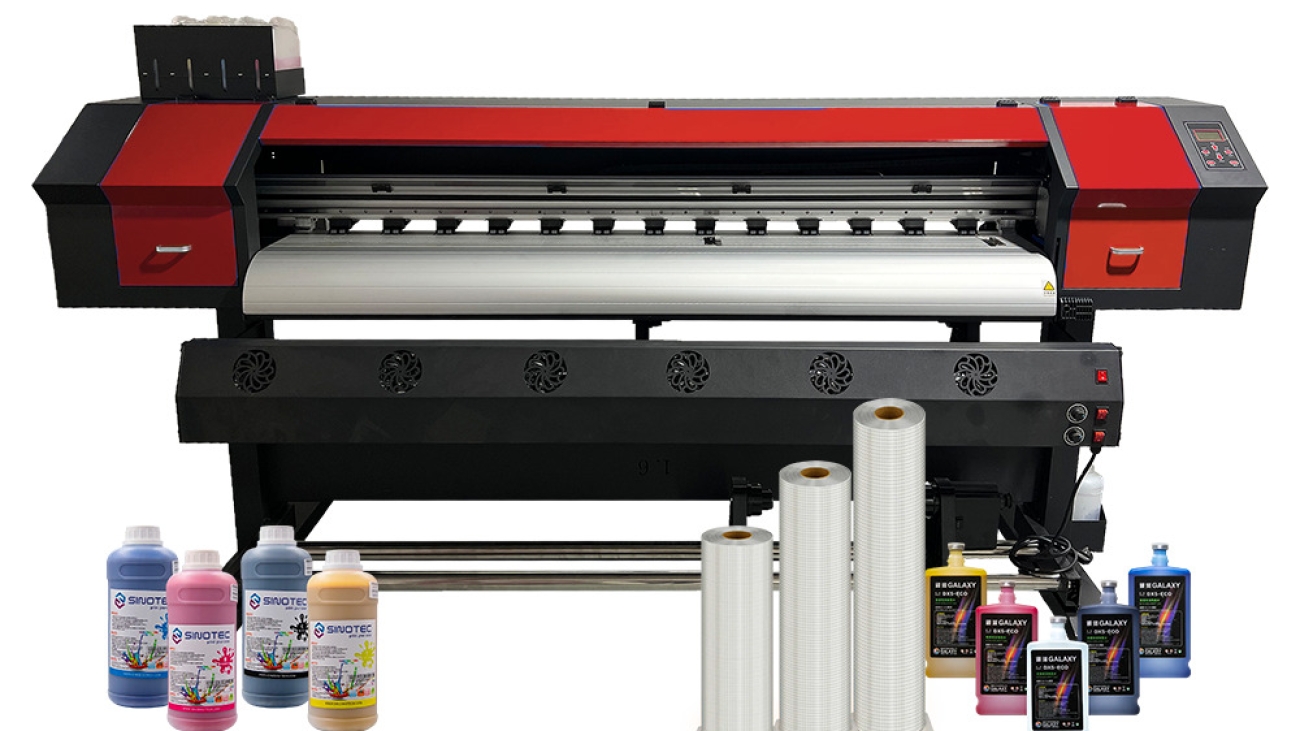
DTF1

DTF Printer vs. Traditional Heat Transfer: The Best Choice for Small-Batch Garment Customization

The custom apparel market is growing at a phenomenal rate, with the on-demand printing set to create more than 10 billion dollars in world income by 2027. To entrepreneurs and small workshops, this expansion brings opportunitybut also a choice: what printing technology can give them professional results without busting the bank? You are already at the forefront if you are considering a Impressora DTF to run your operation.

This guide cuts the noise to compare the technology of the direct-to-film printers to the traditional heat transfer process in terms of cost, quality, workflow, and scalability of batches with fewer than 100 units. You will also know when a DTF t-shirt printer is the best choice over vinyl or screen printing- and when it is still strategic to use the old-fashioned techniques.

Understanding DTF Transfer Printer Technology for Custom Apparel

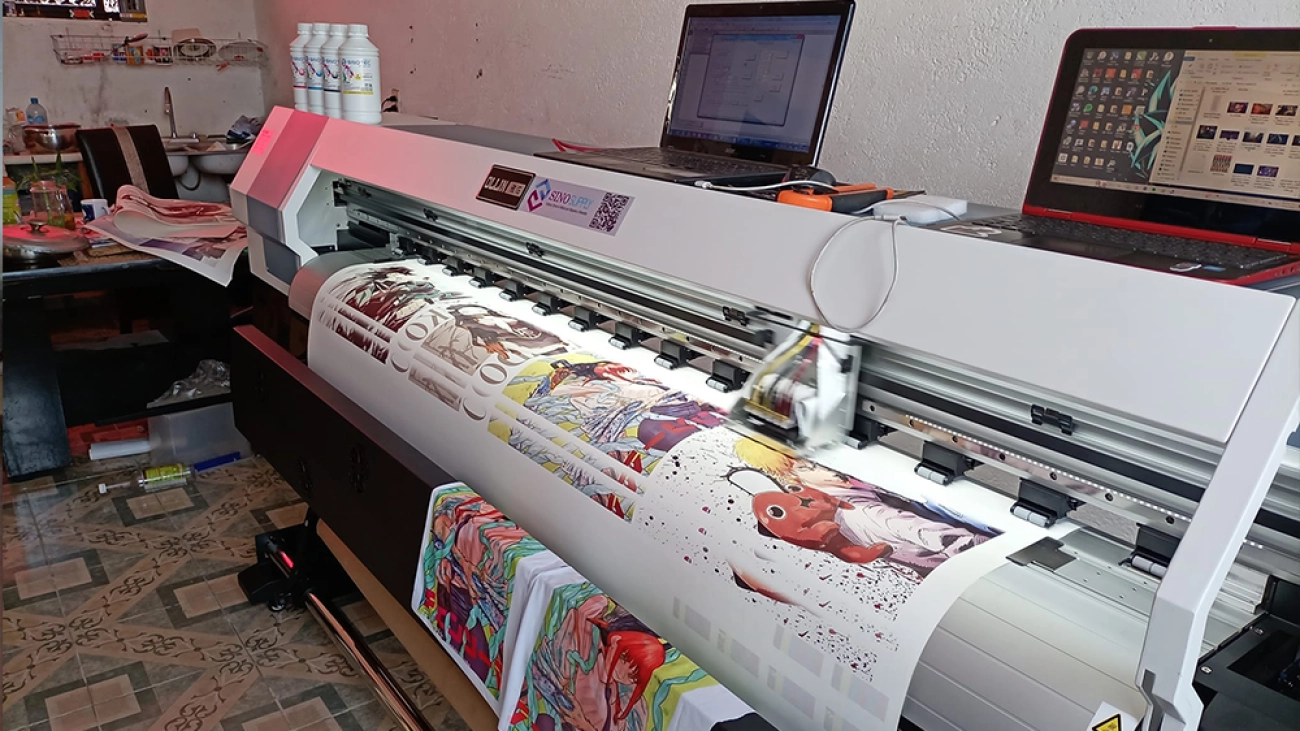
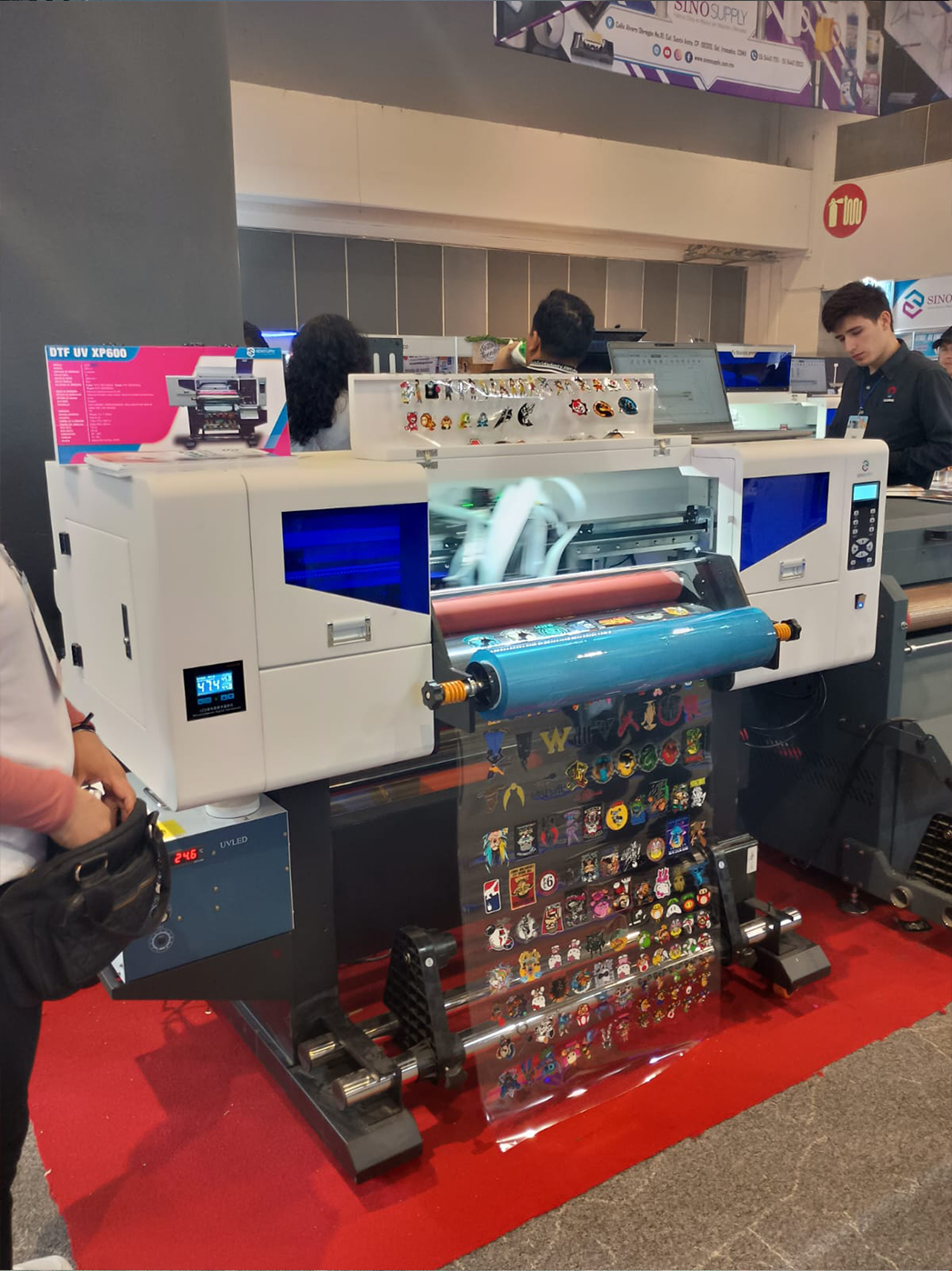
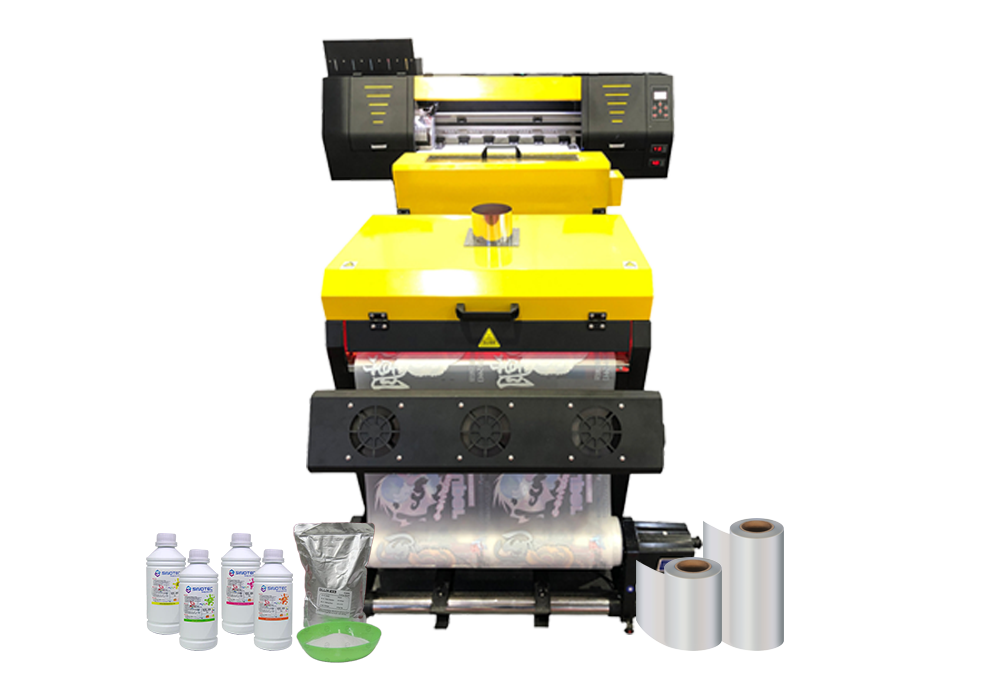
O DTF transfer printer is an important advancement in the digital decoration of garments. This system does not use screens, weeding or pretreatment sprays, but transfers the design onto a special PET film, sprays adhesive powder on it, and then presses the transfer onto cloth. The result? Bright, stretchy prints that stick onto cotton, poliéster, blends, and even the most difficult materials, such as nylon or leather.

How Direct-to-Film Printing Works

The procedure starts with computerized art that is transmitted to the printer. The direct-to-film printer applies CMYK+ white ink layers on the film. Once printed, finely adhesive powder is sprinkled over the wet ink and dried under heat. When cooled, the transfer can be applied to garments. The workflow excludes color separation processes and reduces setup time for short runs.

Key Components of a DTF T-shirt Printer Setup

A full station consists of the printer itself, a powder applicator or manual one, a curing oven or heat tunnel, and a good-quality heat press. To minimize waste and enhance uniformity, modern units may incorporate powder management systems.

Traditional Heat Transfer Methods: Screen Printing and Vinyl Cutters

There are two major methods under the traditional heat transfer: screen printing transfers and vinyl cutting. Vinyl is a technique where designs are cut out of colored paper, excess material weeded, and pressed onto clothing. Transfers in screen printing are transferred using ink forced through mesh screens to transfer paper, which is then heat-applied to the fabric.

When Vinyl Heat Transfer Still Makes Sense

Vinyl is still perfect when you need a simple, one-color logo on light garments. It needs a few equipment requirements and has excellent dark fabric coverability in the absence of white ink underbases. Vinyl cutters are predictable and have low complexity, which makes them effective when businesses are related to text-based designs or athletic numbers.

Limitations of Screen Printing for Small Runs

Screen printing transfers require a lot of preparation: screen burning, ink mixing, and registration alignment. These measures pose a high fixed cost, which only becomes cost-efficient at higher production volumes. In batches of less than 50, the unit cost and time spent may discompensate the cost advantages in durability.

FeatureImpressora DTFVinyl Heat TransferScreen Printing Transfer
Setup TimeVery LowLowHigh
Best for Small BatchesExcellentGoodPoor
Full-Color PrintingYesLimitedYes
Fabric CompatibilityCotton, Polyester, Blends, NylonMostly Cotton/PolyesterGood
Dark GarmentsExcellentExcellentExcellent
Labor IntensityLowHigh (weeding)High
Per-Shirt Cost (Small Runs)LowMediumHigh
DurabilidadeHighMediumHigh
Stretch PerformanceExcellentModerateGood
Learning CurveModerateEasyAdvanced
Impressora DTF

Cost and Efficiency Comparison: DTF Printer vs Traditional Methods

Startup costs vary significantly between DTF and traditional printing methods. A typical professional DTF printer system costs between 3,000 e 8,000 dollars, including printer, powder system, and curing unit. Conventional screen printing needs exposure units costing $5,000-15,000, presses, and drying racks, as well as continued expenditures on screens and emulsions.

DTF is more cost-effective for small-batch production.

  • DTF: $1.50–$3.00 per shirt (including film, ink, powder)
  • Vinyl: $2.00-4.50 per shirt (material and weeding labor)
  • Screen transfer: $3.00-6.00 per shirt (set amortized on small run)

The efficiency in terms of time also skews the scales. A DTF transfer printer is capable of creating ready-to-press transfers in minutes with no weeding or screen reclamation. Conventional techniques increase the preparation time per design by 15-45 minutes.

MethodEstimated Cost Per ShirtIdeal Order Size
DTF Printing$1.50–$3.001–100 pcs
Vinyl Transfer$2.00–$4.501–30 pcs
Screen Printing$3.00–$6.00100+ pcs

Print Quality and Durability: Which Method Delivers Better Results?

In the opinion of customers, the two things that are most important when it comes to your work are visual impact and longevity. Direct to film printer has photorealistic detail, smooth gradients, and soft-hand finishes. The white underbase allows bright colors to be used on dark clothes without making the fabric hard.

Industry standards used to test durability include wash resistance, crack resistance, and colorfastness. Comparison of methods can be seen here:

  1. Wash durability: DTF transferable when properly cured, can resist more than 40 commercial washes.
  2. Stretch recovery: DTF prints withstand integrity on performance fabrics as well as vinyl.
  3. Color accuracy: Digital DTF processes remove the error of screen registration.
  4. Hand feels: DTF adhesive coatings are thin enough not to disrupt garment drape.

Vinyl used in traditional format provides good opaqueness but can be hard and break when washed frequently. Screen-printed transfers are durable, with a tendency to compromise fabric breathability.

Business GoalBest Printing Method
Small custom ordersImpressora DTF
Large bulk productionScreen Printing
Names & jersey numbersVinyl Transfer
Photographic artworkImpressora DTF
Multi-fabric printingImpressora DTF

Why Choose SINOTEC

The reliability of equipment and technical support is important when it comes to growing your customization business as much as print quality. SINOTEC collaborates with printing and fabrics companies across the world to offer more than hardware-we offer end-to-end solutions.

Having more than 20 years of experience in the industry, SINOTEC integrates the latest digital printing technology, laser technology, and embroidery technology with local operation support. We have a global network throughout Eastern Europe, Sudeste Asiático, Africa, and Latin America with overseas branches that guarantee responsive logistics and after-sales service.

All the partner factories are carefully reviewed in their qualification and have full-process quality inspection systems. You want to start a new line of DTF t-shirt printers, or you want to streamline the current processes. SINOTEC will assist you in transforming the creative ideas into a real, profitable outcome. Visit our entire portfolio of digital fabrication equipment that is geared towards sustainable development.

Conclusão

The decision of whether to use a DTF printer or a standard heat transfer depends on three variables: batch size, fabric variety, and quality requirements.

To begin with, the DTF technology minimizes the setup time significantly and cost when the run is less than 100 units. Segundo, it can print vibrant, soft-hand designs on just about any fabric, which is why it increases your service offerings. Third, the current DTF transfer printer systems provide high-quality and professional longevity that meets the repeat customers.

Get in touch with SINOTEC via contact today to discuss how our expert DTF solutions and international support system can help you achieve the success of small-batch customization faster. The future of apparel decoration lies in dynamic, technology-oriented businesses-place yours to the fore.

Frequently Asked Questions

Which DTF printer is most suitable for a small business start-up?

Basic models of DTF printers of well-known brands have 13 -16 inch print width, an automatic powder feed system, and easy-to-use RIP software. When in your learning curve, prioritize those units that have local technical support and consumables that can be obtained at any time to reduce downtime.

Comparison of DTF transfer printing to cotton sublimation?

A DTF transfer printer is unlike sublimation, which only bonds to polyester; a DTF transfer printer bonds to cotton, blends, and dark fabrics with a white underbase using white ink. This flexibility enables DTF to be used in stores that deal with a wide range of types of garments without having to keep several printing systems.

Will a direct-to-film printer be able to work on dark clothes without pretreatment?

Yes. Direct-to-film printer workflows use the white ink layer to give opaqueness to black or colored garments without pre-spraying the garments. This removes an additional process that is needed in certain DTG processes, simplifying the production of mixed-order batches.

How long does it take on average to receive DTF t-shirt printer orders?

File approval for a pressed garment. A DTF t-shirt printer workflow can complete small batches (10-50 units) in 1-2 hours. This velocity enables fulfillment on the same day- a strength in the face of on-demand business models that compete with fast-fashion retailers.

Are batches of fewer than 50 pieces more cost-effective to print on DTF than on vinyl?

Generally, yes. Although single color designs can be produced with lower material costs using vinyl, the digital workflow of DTF has removed weeding labor and set-up time. In transfer printing and photographic designs with quantities of less than 50 items, the economics of DTF transfer printing tend to achieve a reduction in total per-garment cost of 20-40 percent.

What is the duration of DTF transfer in comparison to conventional heat press methods?

DTF transfers are transferred, when successfully cured, to meet or surpass industry wash-fastness standards (AATCC Test Method 61). They usually retain color vividness and stickability with 40-50 commercial washes- equal in quality to screen printing transfers and better than basic vinyl applications.

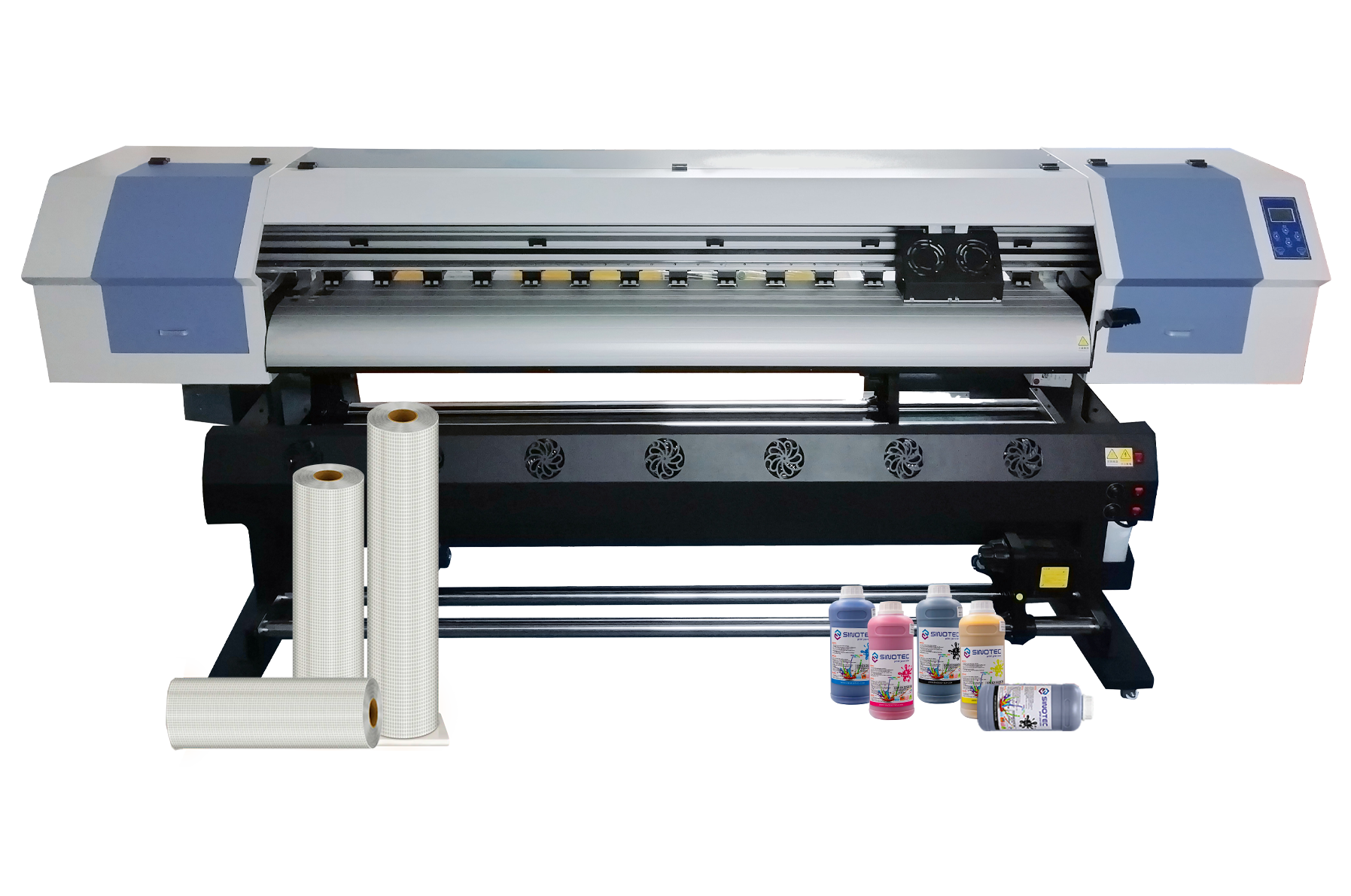
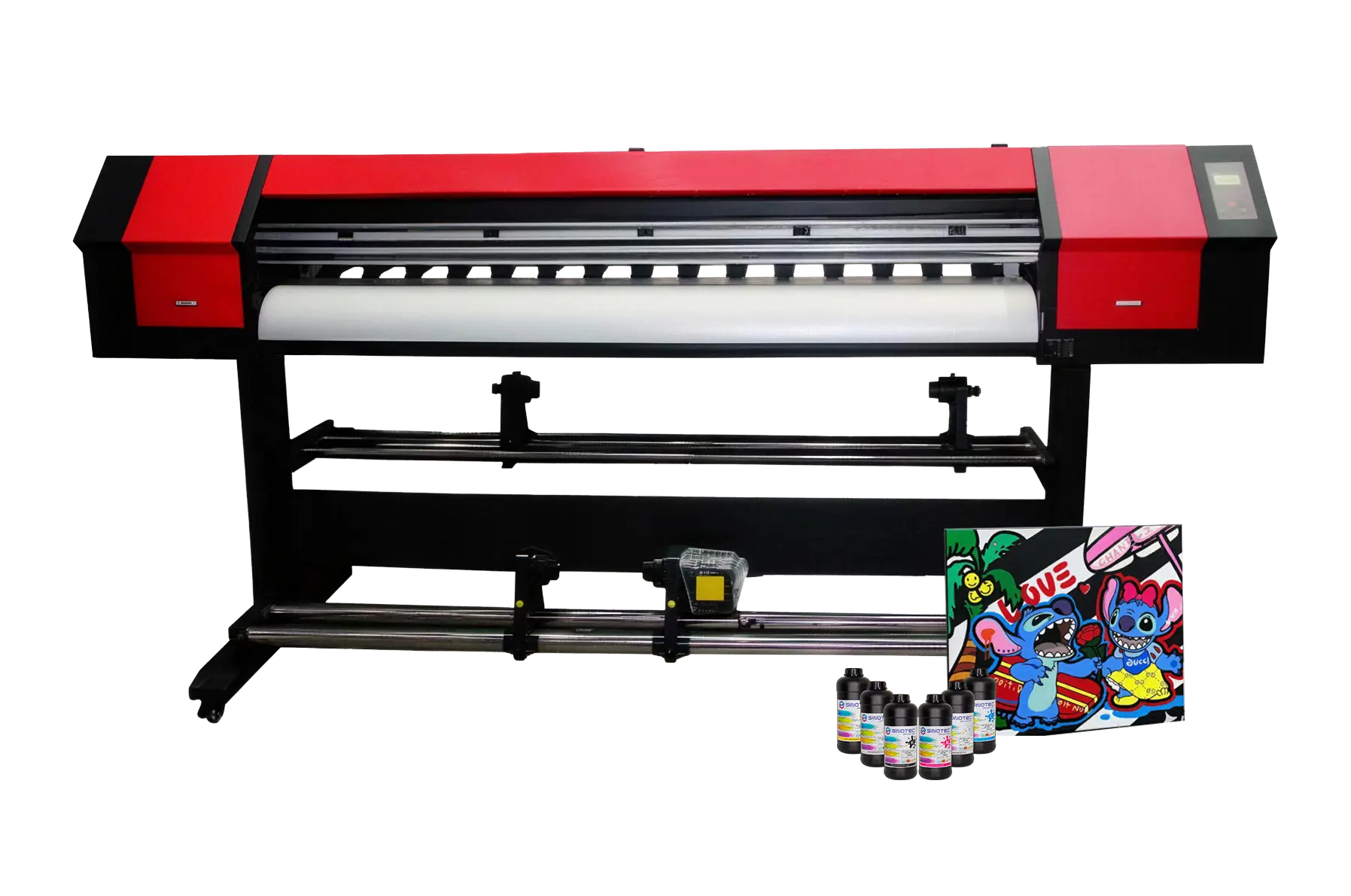
Impressora DTF UV

UV Flatbed Printer vs. UV Roll-to-Roll Printer: Selection for Different Materials & Thickness

Selecting an inappropriate UV printing system may result in a constraint of production, lower profits, and compel your team to turn down lucrative orders. The most common comparison between a Impressora plana UV and a UV hybrid printer is simply by the price of the machine, yet the more appropriate question is as follows: what types of materials, thickness, and types of order will you be printing most of the time?

The popularity of UV printing is due to the fact that UV inks are cured almost immediately in ultraviolet light. This enables print shops, signage companies, distributors, and manufacturers to print on a wide range of rigid and flexible substrates with quicker finishing times.

In this guide, you will get to know the major distinctions between flatbed, roll-to-roll, and hybrid UV systems. You will also know which UV printing machine is best suited for acrylic, vidro, PVC board, metal, banners, vinyl, leather, packaging samples, signage, and thicker materials.

Large Format UV Printer Basics: How UV Printing Works

A large-format UV printer lays ink onto the surface of the material. The ink is then cured by UV lamps, nearly instantly forming a printed layer that adheres to the substrate. Unlike solvent or water-based printing, UV printing does not take a long time to dry.

This renders a UV printing machine handy in the tasks of high turnover, low-run customization, and multi-material printing. Typical uses are indoor signs, outdoor boards, display panels, packaging samples, decor panels, promotional items, and industry marking.

Key advantages of UV printing

  • Supports many rigid and flexible materials
  • Offers fast curing and quicker finishing
  • Can print white ink, varnish, and layered effects
  • Helps with custom, short-run, and on-demand jobs

Flexibility is the key advantage in the case of B2B buyers. A single machine is frequently able to support multiple types of services, and this enables companies to expand into signage, advertising, packaging, display, and customized products.

UV Printing Machine Types: Flatbed, Roll-to-Roll, and Hybrid

Buyers ought to be aware of the three major types of printers before settling on a UV printing machine. They all accommodate dissimilar workflows and content material.

UV flatbed printer for rigid materials

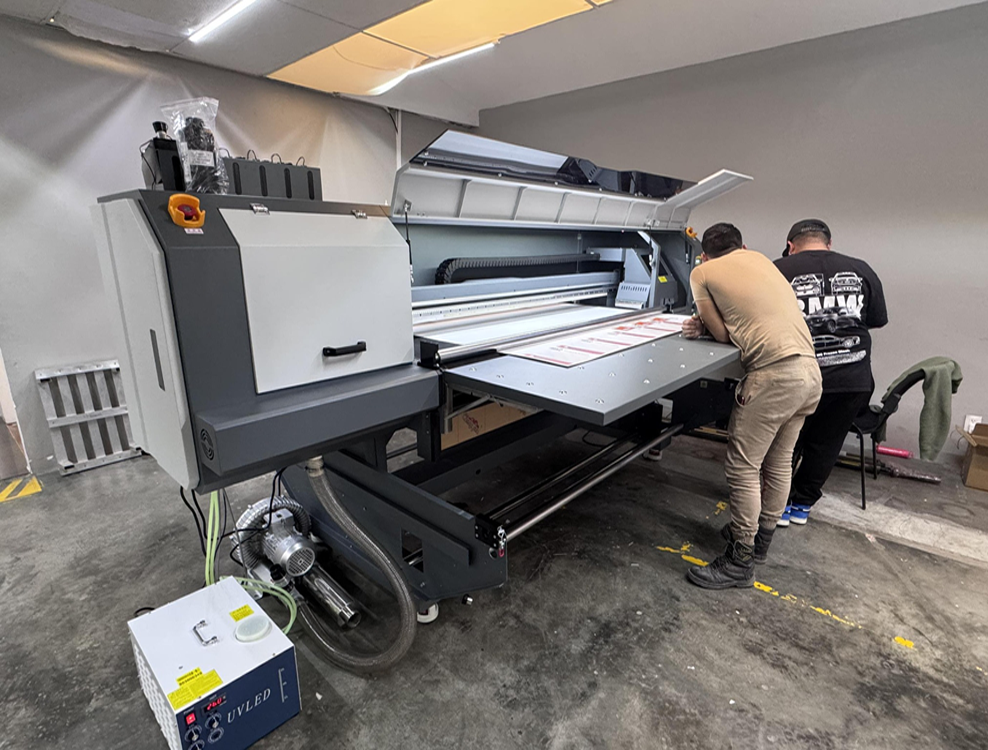
A UV flatbed printer employs a flat table on which rigid materials are laid and secured. The printhead is passed over the surface, and it prints directly onto the object or sheet. This is effective with acrylic, foam board, madeira, vidro, ceramic tiles, metal panels, PVC board, leather pieces, and packaging samples.

Flatbed systems perform optimally when the thickness, flatness, and precision of material positioning are crucial. Signage companies, manufacturers of decorations, display manufacturers, and printers of industrial products often use them.

Roll-to-roll UV printer for flexible materials

A roll-to-roll UV printer is created with flexible media that is provided in rolls. It is a powerful choice in vinyl, banners, films, wallpaper, tela, backlit materials, and soft signage.

This type of machine tends to be more efficient at workflow with long continuous prints. Nevertheless, it can not be applied to thick boards, heavy panels, or solid objects.

UV hybrid printer for mixed production

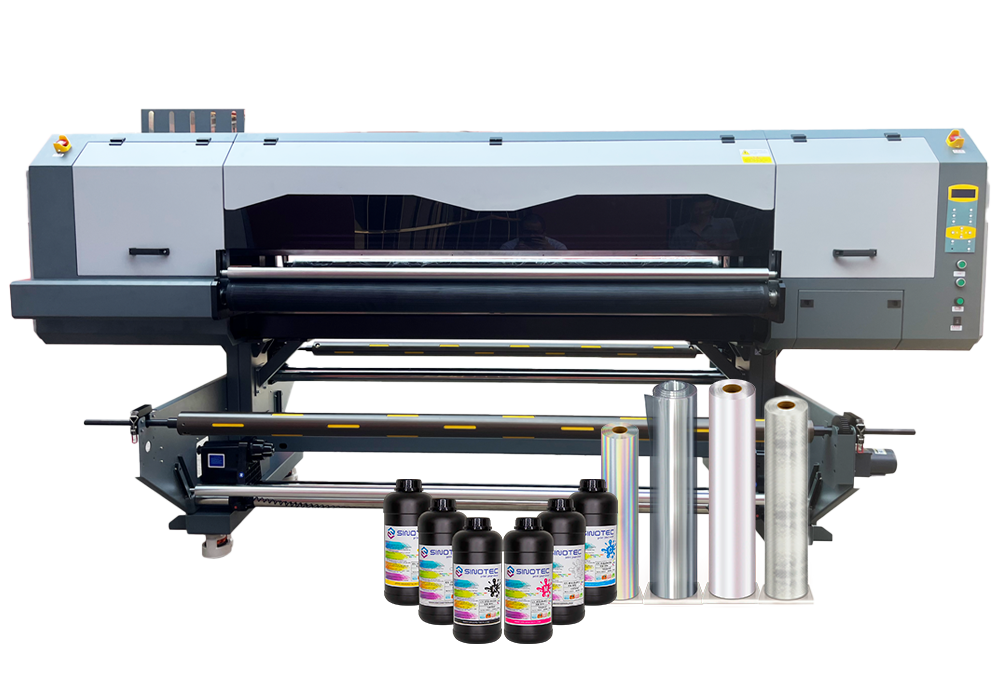
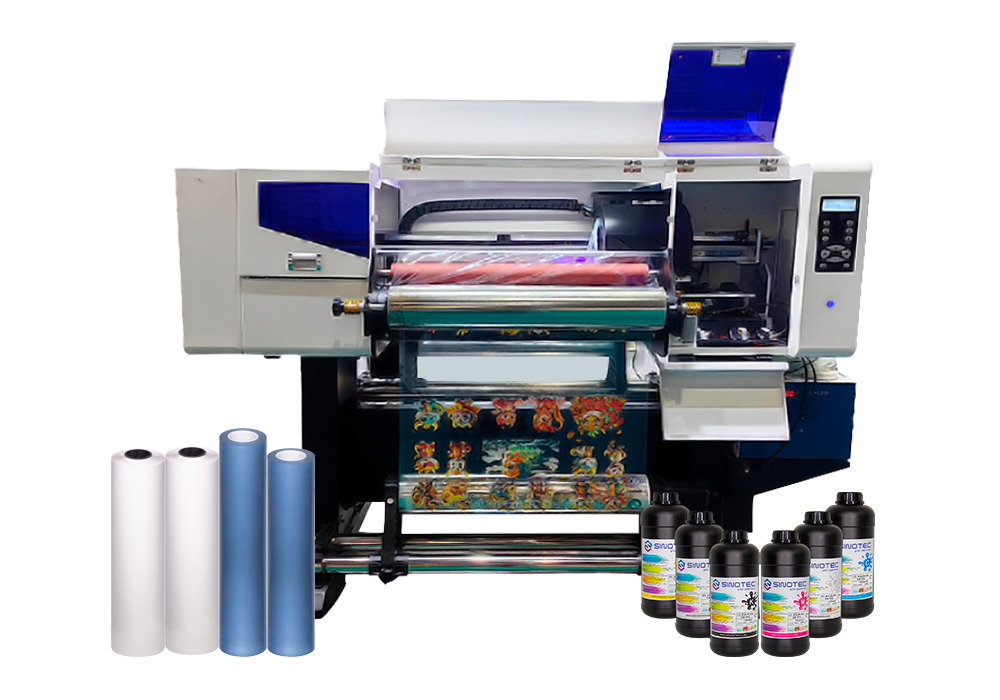
A UV hybrid printer has the ability to integrate flatbed and roll-fed. Depending on the machine setup, it can print on both rigid board and flexible roll media. It is handy to a company that manufactures signs, banners, display graphics, boards, and films under a single facility.

Impressora plana UV

UV Flatbed Printer Material Selection for Rigid and Thick Substrates

When you are printing on rigid, heavy, or thick materials, a UV flatbed printer is typically more suitable. The flat table upon which the substrate is placed when printing can assist in enhancing accuracy and minimizing the movement of materials.

General flatbed materials are acrylic, PVC, Placa KT, foam board, aluminum composite panels, vidro, ceramic tile, metal sheet, wood board, leather, phone cases, packaging samples, and display products.

Why thickness matters

Flatbed machines can frequently permit a larger distance between the printhead and the material surface. This is useful when printing on heavy acrylic, wood panels, display blocks, product samples, or shaped objects. Depending on the model, some machines can print on thin sheets as well as several centimeters thick.

As a buyer, the choice rule is simple: when the majority of your orders are with rigid panels, boards, sheets, or objects, a flatbed model tends to provide better control and more stable results.

When a flatbed is not ideal

Long rolls of banner, wallpaper, vinyl, or film might not be best suited to a flatbed system. Though a few flexible sheets can be printed on a flatbed, loading and unloading can be slow, which slows the production.

UV Hybrid Printer Selection for Flexible Media and Mixed Orders

A UV hybrid printer would be a good idea if your business has more than one market, and you would not want to have two types of machines (rigid and roll). Particularly, it is applicable in the expansion of print shops, signage companies, and distributors that require a flexible production without excessive use of the floor space.

Signage boards, advertising panels, vinyl rolls, flexible film, banners, exhibition graphics, POP displays, foam board, PVC board, and composite sheets are all typical of hybrid UV systems.

Main benefits of hybrid systems

A hybrid model assists businesses in increasing their service list. A print shop can take both board and roll jobs, instead of the jobs being rejected due to the different material format.

This flexibility will be able to enhance the use of machines, particularly for companies that get mixed orders in terms of retail brands, event companies, building material suppliers, and advertising agencies.

Key buying checks

Before buying a hybrid printer, check:

  1. Maximum rigid material thickness
  2. Maximum roll width and roll weight
  3. Feeding accuracy for long flexible media
  4. Vacuum strength and media stability
  5. White ink circulation system
  6. Spare parts and technical support

A hybrid printer may prove to be a wise purchase, but only when it has the right specifications to meet your actual production requirements.

Large Format UV Printer Comparison by Material, Thickness, and Workflow

The right large-format UV printer will be determined by your material list, volume of production, and growth plan. Price is important; however, daily workflow is more important.

Selection FactorUV Flatbed PrinterRoll-to-Roll PrinterUV Hybrid Printer
Best forRigid sheets and objectsFlexible roll mediaMixed rigid and roll jobs
Material examplesAcrílico, vidro, madeira, metal, PVC boardVinyl, banner, film, wallpaperQuadros, vinyl, banners, films
Thickness supportStrongest optionVery limitedModel-dependent
Production styleShort-run, custom rigid jobsLong continuous printingMulti-material production
Buyer fitSignage, décor, industrial printingBanner and advertising shopsGrowing print shops and distributors

Practical selection rule

Select a flatbed model when your primary business is printing in rigid materials. Select a roll-to-roll machine when your job is primarily flexible media. Adopt a hybrid model when you have to have a single system with both boards and rolls, and you can afford a more flexible production workflow.

UV hybrid printer

Why Choose SINOTEC DIGITAL

To buyers who make comparisons between digital printing, UV printing, laser, embroidery equipment, and consumables, the ability of the supplier is as important as the machine specifications. SINOTEC DIGITAL is a Chinese company located in Guangzhou, China, and is a supply chain and technical service provider, with over 20 years of experience in the industry.

The company assists international customers with digital printing and UV printing systems, laser engraving, cutting and marking equipment, embroidery equipment, authentic consumables, ferramentas, e acessórios. This expanded equipment platform can assist print shops, distributors, signage firms, and manufacturers to find compatible solutions through a single knowledgeable partner.

Regional support is another strength. SINOTEC DIGITAL has licensed distribution networks in Eastern Europe, o Médio Oriente, Sudeste Asiático, Sul da Ásia, Norte da África, e África Ocidental. It also has foreign subsidiaries in Mexico, Colômbia, Peru, and Uganda to assist in localized marketing, armazenamento, logística, vendas, and after-sales services.

In the case of B2B purchasers, this technology provision, operational service, and global locality may minimize sourcing risk and assist in the long-term performance of equipment.

Frequently Asked Questions

What is a UV flatbed printer and a UV hybrid printer?

A UV flatbed printer is used to print primarily on stiff materials on a flat table. Depending on the configuration, a UV hybrid printer can print on rigid boards and flexible roll materials. Flatbed is used with thick materials and is hybridized with mixed production.

What type of UV printing machine should be used on thick materials?

Thick materials tend to be best printed by a flatbed UV printing machine due to better table support and printhead clearance. It has the ability to deal with boards, panels, samples, and some shaped products. Look at the maximum height to be printed before purchasing.

Is a UV hybrid printer able to substitute flatbed and roll-to-roll printers?

Some businesses can use a UV hybrid printer instead of separate machines, particularly when the volume of orders is moderate and the type of materials used is different. Nonetheless, roll printing with high volume or special thick-object printing might still be better on special machines.

Do signage companies need a large-format UV printer?

Yes. A big format UV printer will be able to print onto acrylic, foam board, aluminum composite panels, PVC sheets, banners, vinyl, and display materials. Signage consumers need to compare print width, performance of white ink, quality of curing, and handling of the material.

What are the materials that a UV flatbed printer is capable of printing?

A UV flatbed printer can print on acrylic, vidro, metal, madeira, ceramic, PVC board, leather, foam board, packaging samples, and a wide variety of promotional products. Certain hard materials might require primer or surface treatment to allow adhesion of ink.

What is the best way for B2B buyers to select a supplier of UV printing machines?

B2B purchasers ought to consider the quality of the machines, availability of spares, treinamento, installation services, availability of ink, software services, and after-sales services. An experienced export supplier that is supported in the region would assist in lessening downtime and enhancing the ROI.

Conclusão

The optimum UV printing system is based on three factors: type of material, material thickness, and workflow per day. O Impressora plana UV can be used with rigid and thick substrates. A roll-to-roll printer is most effective with flexible media. A UV hybrid printer provides the expanding print shops with a greater degree of flexibility as they can work with both boards and rolls.

Before investing, make a list of your best materials, average order size, thickness range, and future service objectives. The right UV printing machine must not only print today, but also help your future business grow.

Need reliable UV printing devices, technical services, supplies, and sourcing advice? Contact SINOTEC DIGITAL and seek professional assistance in your next printing investment.

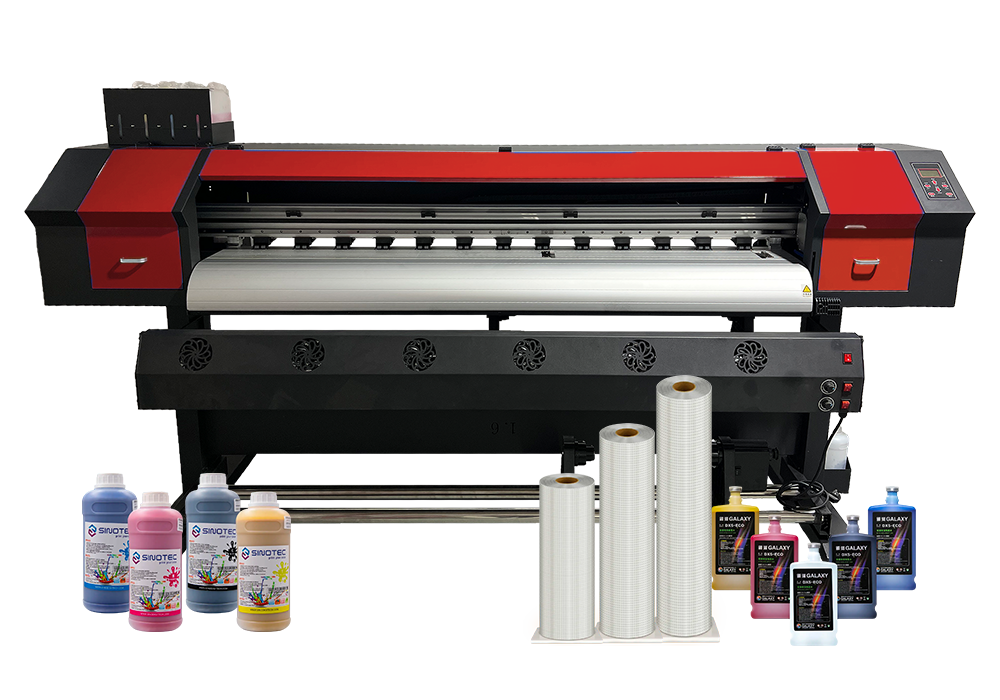
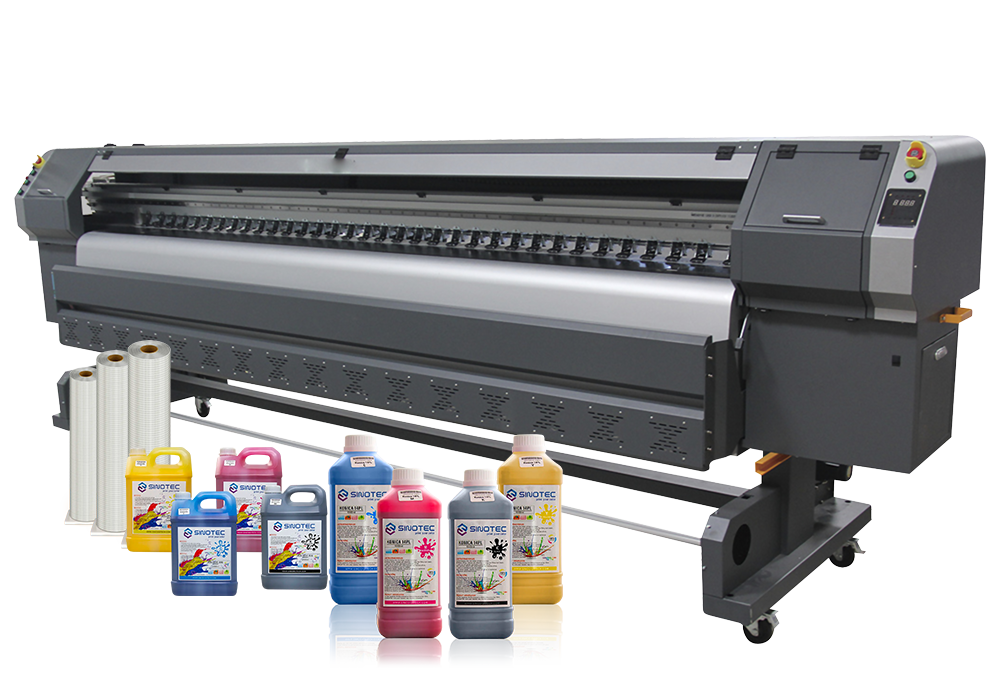
impressora solvente

Impressora Eco-Solvente vs Impressora Solvente: Equilibrando os requisitos ambientais & Qualidade de impressão

Ao conhecer o mundo da impressão de grande formato, é mais provável que você encontre 2 principais tipos, Impressoras eco solvente e -impressoras solventes. Ambos são apreciados pela capacidade de fazer impressões de qualidade e proporcionar longevidade em ambientes externos. Nesta peça introdutória, falaremos sobre a tecnologia geral por trás dessas impressoras, as vantagens deles e como eles se comparam entre si em termos de respeito ao meio ambiente e qualidade de impressão.

Compreendendo as impressoras eco-solventes

Impressoras eco solvente, que incluem o Impressora jato de tinta eco solvente , utilizam eco-solventes que são mais suaves para o meio ambiente em comparação com solventes convencionais. Se você está preocupado com a forma como sua impressão afeta o meio ambiente, essas impressoras são perfeitas. Essas impressoras usam solventes extraídos de óleos minerais refinados (extratos de éter) com compostos orgânicos menos voláteis (COV).

Benefícios das impressoras eco-solventes:

Menor impacto ambiental: Eles têm emissões mais baixas de VOC, em comparação com vernizes.

Segurança: Sendo muito mais seguro para os operadores usarem e você não precisa de ventilação pesada.

Compatibilidade de materiais: Excelente para impressão em diversos substratos revestidos e não revestidos.

Explorando impressoras solventes

as impressoras solventes estão em algum lugar entre as impressoras solventes ecológicas e as impressoras solventes tradicionais. Os solventes que eles usam estão entre aqueles usados ​​em impressoras eco solventes (maior resistência do que eco) e aqueles usados ​​em impressoras solventes fortes (menor resistência do que duro). Esse formato de impressora é indicado para impressões que possuem durabilidade mais robusta, e pode resistir a muitos fatores ambientais, mas mantém vias de efeito bastante baixo no meio ambiente.

Vantagens das impressoras solventes:

  • Melhoria de durabilidade:Maior resistência aos elementos.
  • Velocidade de qualidade: Tempos de impressão mais rápidos sem comprometer a qualidade de impressão.
  • Econômico: Mais acessível do que as impressoras eco solvente em operação também.

Escolhendo a impressora certa:

  • Para impressões ecológicas:Opte por uma impressora eco solvente.

Durabilidade / Custo – Impressora solvente

Conhecendo as diferenças entre esses dois tipos de impressoras, você pode fazer um julgamento fundamentado sobre seus requisitos de impressão e preocupações ambientais. Seja uma impressora eco solvente ou solvente, ambos terão finalidades diferentes e também usarão benefícios para o seu projeto de impressão.

impressora solvente

Distinção entre impressora solvente ecológica e impressora solvente

Dicas para escolher entre impressora eco solvente e impressora solvente Dependendo da impressora eco solvente ou impressora solvente Se você está escolhendo entre um subparágrafo, compreender as diferenças básicas pode ajudá-lo a selecionar equipamentos para suas necessidades de impressão. Como mencionamos anteriormente, ambas as impressoras são as impressoras mais vendáveis ​​em Máquina de impressão externa reino, mas ambiente e qualidade diferentes atendem.

Impacto Ambiental e Segurança

Impressoras Eco Solventes:

  • Tipo de tintas usadas:As impressoras eco solvente são preenchidas com tintas eco solvente que saem de extratos de éter e são retiradas de óleos minerais refinados. Essas tintas são menos agressivas e menos perigosas, podemos usá-los dentro de casa sem ventilação extensa.
  • Segurança do Operador:Sendo menos tóxico, as impressoras eco solvente expõem o operador a menos anúncios de saúde associados à exposição de longo prazo a vapores de solventes.

Impressoras solventes:

  • Tintas usadas: As impressoras com solvente médio usam tintas agressivas (mais do que o solvente ecológico, mas menos do que o solvente tradicional).
  • Segurança do operador:Essas impressoras 3D ainda precisam de boa ventilação, mas representam um risco menor para a saúde do que as tintas solventes com solventes mais fortes.

Qualidade de impressão & Compatibilidade de Materiais

Impressoras Eco Solventes:

Dependendo das especificações da impressora e do tipo de tinta, elas também podem ter melhores opções de tinta branca ou metálica para maior durabilidade. Ao contrário das impressoras eco-solventes de grande formato, que usam tintas à base de solvente onde substratos revestidos são preferidos, mas substratos não revestidos também podem ser usados,-Impressoras diretas à superfície - essas impressoras tendem a funcionar bem em uma variedade de materiais revestidos e não revestidos, como vinis, poliésteres e alguns papéis/telas.

  • Qualidade de impressão: As impressoras jato de tinta eco solvente são capazes de produzir impressões de alta qualidade com excepcional precisão e vivacidade de cores, proporcionando uma saída durável e resistente a UV.

Impressoras solventes:

Compatibilidade de materiais: impressoras totalmente solventes podem imprimir em uma variedade maior de materiais além de solvente ecológico ou UV e alguns substratos que não são apropriados com tintas solventes ecológicas.

Qualidade de impressão: A qualidade de impressão pode ser boa, mas não tanto em termos de gama de cores e vibração em comparação com as impressoras eco-solventes.

Custo-benefício e manutenção

Impressoras Eco Solventes:

Custo fora do bastão: Na maior parte, essas impressoras são normalmente mais baratas do que impressoras solventes externas.

Manutenção As tintas solventes ecológicas tendem a ser menos corrosivas do que as tintas à base de solvente e água, o que significa que as cabeças de impressão / componentes mecânicos tendem a ter uma vida útil mais longa.

Impressoras solventes:

  • Primeiro preço: Essas impressoras normalmente têm um preço inicial um pouco maior devido à sua capacidade de lidar com vários materiais.
  • Manutenção:Tintas mais agressivas podem fazer com que as peças se desgastem mais rapidamente, exigindo maior manutenção.

Decidir entre optar por uma impressora eco solvente ou uma impressora solvente determina como os detalhes do que você precisa se relacionam com a segurança ambiental, compatibilidade e custo de materiais. Para execução inferior, impressora interna segura e menos cuidada – A impressora Eco Solvent é a sua chance. Uma impressora solvente será a melhor opção se você tiver o conhecimento necessário para lidar com uma manutenção um pouco mais exigente e quiser uma máquina que possa imprimir em uma gama mais ampla de materiais..

Benefícios das impressoras jato de tinta eco solvente para impressão externa

Agora, poderia, você está procurando por que escolher impressoras jato de tinta Eco Solvent para aplicações externas? Estes ecológicos (também chamado sem cartucho) impressoras são ótimas para impressões de qualidade externa. Então, você pensará na impressora jato de tinta eco solvente para suas necessidades de impressão externa.

Durabilidade aprimorada

A ideia por trás de uma impressora jato de tinta eco solvente é mais notável pela maior durabilidade das impressões. As tintas solventes ecológicas são mais resistentes às intempéries, água, e raios UV que permite a sua melhor utilização no exterior das instalações.

  • Resistência às intempéries: As impressões não são propensas a desbotamento ou degradação em diversas condições climáticas.
  • Resistência à água:As tintas solventes ecológicas proporcionam uma resistência à água muito melhor, o que é necessário para trabalhos ao ar livre.
  • Resistente aos UV: Essas tintas são uma formulação especial que pode reduzir o desbotamento quando exposta à luz UV – uma tinta pigmentada, claro!

Amizade Ambiental

Essas impressoras utilizam tintas ecológicas, que são menos prejudiciais ao meio ambiente do que a impressão convencional com solvente. As gráficas estão usando tintas ecológicas, que são a escolha ideal para todas as empresas que desejam reduzir sua pegada de carbono.

  • Menores emissões de COV: As tintas solventes ecológicas emitem níveis mais baixos de compostos orgânicos voláteis (COV) do que os solventes tradicionais, tornando-os melhores para o ambiente e mais saudáveis ​​para os operadores.
  • Ambiente de trabalho mais seguro: A diminuição das emissões nocivas leva a um local de trabalho mais seguro e saudável.

Custo-benefício

As impressoras jato de tinta eco solvente são surpreendentemente econômicas ao longo do tempo, apesar de sua tecnologia avançada. Isto pode ser extremamente importante para trabalhos de impressão ao ar livre que requerem grandes quantidades de tinta, pois proporcionam baixos custos de manutenção e uso eficiente de tinta.

  • Eficiência de tinta: A quantidade de tinta usada por essas impressoras para imprimir impressões de boa qualidade é geralmente menor, diminuindo assim o custo por impressão.
  • Custos de manutenção: Embora as impressoras solventes tradicionais exijam manutenção regular, uma impressora eco solvente tende a exigir menos manutenção, levando você a economizar em custos operacionais a longo prazo.

Versatilidade em Aplicações

As impressoras jato de tinta eco solvente são vistas como uma das maiores vantagens devido à sua durabilidade, ecologia e versatilidade. Eles trabalham com diferentes materiais de impressão e aplicações para atender quase todas as necessidades externas.

  • Substrato: As impressoras eco solvente imprimem em substratos comerciais que variam de vinil a tela sem afetar a qualidade das impressões.
  • Tipo de aplicativo: Eles são adequados desde banners e sinalização externa até envoltórios e decalques de veículos.

Impressoras eco solvente

Implicações ambientais e sustentabilidade das impressoras solventes

Se você está pensando em investir em impressora solvente, é fundamental saber mais sobre o seu impacto ambiental e sustentabilidade. Impressoras solventes, como impressoras eco solventes e Máquina de impressão externa use tintas à base de solvente que emitem compostos orgânicos voláteis (Vocs) na atmosfera. Mas a liberação de vapores tóxicos é prejudicial à saúde humana e aos padrões de vida – é exatamente por isso que existem novas impressoras jato de tinta eco solvente; como uma solução para produzir emissões nocivas mínimas.

Compreendendo o impacto ambiental

As impressoras solventes têm sido tradicionalmente um dos formatos mais populares devido à sua durabilidade e impressão em vários substratos. No entanto, esteja avisado que os VOC são tão intensos com impressoras solventes tradicionais que tanto o custo para a saúde como para o ambiente são muito terríveis. Essas emissões levam à poluição do ar e a efeitos adversos à saúde.

Avanços em tecnologia ecológica

As impressoras eco solvente foram introduzidas para dar um passo melhor em direção à proteção do meio ambiente. Este tipo de impressora é uma impressora com tinta eco solvente, que na verdade fornece um solvente menos venenoso. Isto resulta na emissão de níveis mais baixos de VOCs do que as impressoras solventes tradicionais, sendo uma solução mais ecológica para impressão externa.

Benefícios das impressoras eco solventes: Principal 10 benefícios

  • Emissões reduzidas de COV
  • Menor odor
  • Mais seguro para uso interno

Existem estampas em alta em vários tipos de material.

Práticas de sustentabilidade de impressão com solventes

Para uma abordagem ainda mais ecológica ao uso de impressoras solventes, as seguintes práticas podem ser recomendadas:

  1. Ventilação adequada:Implementar bons sistemas de ventilação que reduzam o acúmulo de vapores de tinta.
  2. Manutenção regular:Manter as impressoras em boas condições para aumentar a eficiência e reduzir o desperdício.
  3. Programa de reciclagem de tinta:Inscrito no programa Ink, reduzindo o desperdício de cartuchos de tinta em aterros.

Quando você se deparar com as opções de máquinas de impressão externas disponíveis, considere a sustentabilidade e o impacto ambiental de cada tipo de maquinaria de impressão. As impressoras eco solvente proporcionam um alto grau de qualidade de impressão e maior gestão ambiental, fornecer aos consumidores a melhor solução possível para reduzir a pegada ecológica e, ao mesmo tempo, manter resultados de alta qualidade. Se você deseja tornar suas operações de impressão ainda mais ecológicas, você pode implementar práticas sustentáveis.

Impressoras eco solvente

Como saber a diferença entre uma impressora eco solvente e uma impressora solvente convencional

Impressoras Eco Solventes - Sim, As impressoras solventes ecológicas usam tintas solventes ecológicas que são solventes mais ecológicos em comparação com os produtos químicos agressivos que você encontrará nas tintas solventes tradicionais.. Essas impressoras são eficientes para impressão, têm uma pegada de carbono menor. Por outro lado, as impressoras solventes tradicionais utilizam solventes mais agressivos que criam algumas cores vivas e impressões confiáveis, mas com um custo ambiental maior.

Quanto tempo duram as impressões em impressoras solventes?

Impressões geradas a partir de impressoras solventes tubeco eco solvente jato de tinta / comercial que inclui impressoras modernas de jato de tinta eco solvente e impressoras solventes convencionais também são as propriedades benéficas mais importantes desses estilos de impressão. As impressões têm uma vida útil típica ao ar livre de três a cinco anos sem grandes desbotamentos, tornando-os perfeitos para publicidade e sinalização externa.

Fatores de durabilidade que influenciam a longevidade da impressão

  • Qualidade da tinta:Tintas de melhor qualidade têm vida útil mais longa.
  • SubstratoA superfície de impressão pode influenciar a durabilidade.
  • Influências Ambientais: Sol, chuva e temperaturas extremas podem diminuir a vida útil da impressão.

Mais pesquisas:

P: Por que as impressoras eco solvente podem ser utilizadas tanto para uso interno quanto externo?

As impressoras eco solvente são máquinas versáteis que podem ser usadas tanto em ambientes internos quanto externos. Eles são especialmente adequados para criar impressões de alta resolução para gráficos internos onde a troca de ar é limitada devido às emissões mais baixas. Impressões externas com solvente não são tão duráveis, no entanto, mesmo que as impressões com solvente ecológico possam resistir bem em comparação com as das impressoras solventes tradicionais. Eles não conseguem resistir a situações e condições climáticas adversas.

P: Que tipo de manutenção preventiva você precisa para impressoras solventes?

Claro, será necessário cuidar adequadamente de uma impressora solvente (máquina de impressão ao ar livre) para que sirva por mais tempo, trabalhando com desempenho máximo. A manutenção envolve a limpeza das cabeças de impressão, verificação e substituição de filtros e é feito com o tipo certo de tinta. Além disso, não deixe de observar a recomendação de uma rotina de manutenção específica do fabricante para não ter problemas.

Com esta compreensão das características básicas de diferença das impressoras solventes, você pode determinar se uma impressora solvente ecológica ou uma impressora solvente tradicional é mais adequada às suas necessidades de impressão e fatores ambientais.

Conclusão

A escolha de uma impressora eco-solvente em vez de uma impressora solvente envolve uma consideração cuidadosa de vários fatores que, em última análise, ajudam você a escolher o método certo para suas necessidades. Confira cinco dicas principais para informar sua decisão:

  1. Considerações Ambientais: Se baixos níveis de impacto ambiental são uma consideração importante para você, impressoras eco-solventes são a melhor opção. Eles usam tintas eco-solventes que são menos tóxicas para o meio ambiente do que os produtos químicos mais fortes usados ​​em tintas solventes..
  2. Qualidade de impressão e durabilidade: É aqui que os dois tipos de impressoras brilham — para quem se preocupa com a qualidade de impressão — mas a durabilidade das impressões de impressoras solventes é geralmente superior às impressões de impressoras eco-solventes. Se as aplicações externas são o seu principal requisito, onde a durabilidade da impressão em condições climáticas variadas desempenha um papel importante, então você pode precisar olhar para impressoras com solvente leve.
  3. Custos Operacionais: Porque as impressoras eco-solventes não utilizam fluidos ou produtos químicos nocivos, suas despesas operacionais são geralmente mais baixas. Eles precisam de pouca ventilação ou energia, reduzindo custos recorrentes. Eles também são uma opção econômica para pequenas e médias empresas.
  4. impressoras solventes geralmente podem imprimir em uma variedade maior de materiais. Deve-se notar que, se o seu trabalho envolve impressão em uma ampla variedade de substratos diferentes, seria melhor ir para a impressora solvente.
  5. Saúde e Segurança:As impressoras eco-solventes são normalmente menos perigosas para os operadores devido à presença de linguagens químicas específicas que produzem VOCs mais baixos. Os locais de trabalho que procuram criar um local de trabalho mais seguro para os seus funcionários devem olhar na direção de alternativas eco-solventes.

Lista de verificação para tomada de decisão

Para ajudá-lo a chegar à sua escolha, aqui está uma lista de verificação para consideração:

  • Examine sua política ambiental: A sua empresa está se esforçando para minimizar sua pegada de carbono??
  • Avalie os requisitos de longevidade da impressão:Eles são uma impressão ao ar livre?
  • Leve em consideração os orçamentos operacionais: Quais serão as suas restrições orçamentárias operacionais iniciais e contínuas?
  • Muitas necessidades de material de revisão: Em que tipo de material você está imprimindo?
  • A segurança no local de trabalho está em primeiro lugar: Quão significativo é o ambiente de baixo VOC em sua área de trabalho?

Ao pesar cada um desses pontos, use os dados para selecionar uma impressora apropriada que atenda bem à sua qualidade e que também corresponda à forma como você deseja que seu negócio opere no futuro, juntamente com suas metas de impacto climático.


XP600 1.8m 1H1

Como escolher um fornecedor confiável de impressoras de grande formato para o seu negócio de sinalização

Why Large format printers are Essential for the Signage Industry

The importance of large format printers is undeniable when we enter in the domain of signage. Wide format printer s (also called large format, or digital printers) are the workhorses for producing durable signs and graphics that will turn heads – literally. In this article, we will provide you with an understanding of their significance only then; you will be able to make the right decision when selecting a Printer supplier for your business.

ONE: Large Format Printer Features

Large format printers come with several features designed for the sign industry. These include:

  • Printing in High Resolution: Guarantees crispness and clarity even in the smallest details.
  • Expanded Color range: For making colors for stunning signages.
  • Item Speed And Productivity: Ready to printing a good amount of objects on time, which is vital for earning the closing date with consumers.
  • Versatility: These types of printers can print on various forms of material, including vinyl and fabric making them ideal for all different types of signage.

Advantages of Large Format Printers in Signage

  1. Visual Attraction: High-quality large format graphics, by nature are big and high definition, which can easily catch the attention of passerby.
  2. Custo-benefício: Allow cost-effective signage when needing large signs without printing multiple smaller.
  3. Durabilidade: Because prints created with these printers are built to last outside; they’re perfect for signs you want up long-term.

Selecting the Proper Printer supplier

Choosing a trusted printer supplier is crucial. Here, some points to consider:

  • The Quality of the Printers: Choose only recognized leading brands and models.
  • Support and Service: Always seek suppliers that offer holistic after sales support services as well.
  • Award-winning Track Record: Select a supplier that has had its hand in some sort of success in the signage business.

If you create professional signage, every choice you make with your large format printer determines the quality and effectiveness of your models. Learn about features, benefits and choosing the right printer supplier for your signage дизайн. Keep in mind that your large format printer not only beautifies the look of your signs but increases your business efficiency and productivity overall.

Large Format Printer

What to consider when looking for a Large digital printer

The right digital printer can align your productivity and output quality, especially with larger formats particularly if you’re in the sign business. Here are some of the key features to consider that shall help you make an informed decision.

Print Quality and Resolution

Quality of print and resolution are the top priority. Find a printer that has high resolution, usually measured in dots per inch (DPI). The higher the DPI, the more subtle details and gradients your prints will showcrucial for professional signage!

  • Resolution: When selecting printers, strive for those providing a minimum of 1200 DPI to ensure clearer pictures.
  • Color Accuracy: Confirm that the printer is capable of printing a wide variety of colors accurately.

Speed and Efficiency

In a business where time is money, speed is paramount. This is one of the step in increasing your workflow, a Fast printer will definitely help it.

  • Print Speed: Investigate how fast the printer operates (sf/h, or square feet per hour).
  • Ink Drying Time: Advanced drying technologies are utilized in some printers to accelerate the overall printing process.

Media Compatibility

It directly impacts the versatility of your service offerings when it comes to the types of media your printer can handle.

  • Media Types: Check whether the printer supports different media types like vinyl, fabric and paper.
  • Media Size: Choose a printer that can accommodate the widths and lengths of media your business uses most often.

Durability and Reliability

An efficient printer reduces downtime and service costs.

  • Material Strength: Choose one that is known to last.
  • Manufacturer Support: Look for printers from manufacturers that have a reputation for strong customer support and warranty offerings.

Cost of Ownership

The initial purchase is only one aspect of the investment. The running costs can differ greatly among printers;

  • Cost of ink: Calculate cost in ml.
  • Maintenance Costs: Research how often and much maintenance will need to take place.

Connectivity and Software

Compatibility with software makes your printing workflow more streamlined.

  • Software Compatibility: Ensure that the printer can integrate with design software in common use.
  • Connective Functionality: Choose one with USB, Ethernet or Wi-Fi capabilities for smoother incorporation into your network.

Considerações Ambientais

Sustainability is not just good for the planet but im Marketing can also be a selling point for your clients.

  • Energy Efficient: Choose printers that use a minimal amount of power.
  • Environmentally friendly inks: Certain printers utilize less environmentally damaging inks.

Guide: Selecting Your Large Format Digital Printer

  • High resolution for detailed prints
  • High-speed printing to accelerate productivity
  • Supports a lot of media types and sizes
  • Strong construction and a reliable supply line
  • Economical in ink and maintenance
  • Integrated with your existing software and easy to connect

As such, when all of these features are well thought out, looking for a large digital printer which not only tackles your business objectives but also improves process flow and quality cannot be far remote. Keep in mind that the right large format printer is an essential investment, one that can help your signage business grow.

Large Format Printer

How to Choose a Reliable Printer Supplier

Choosing the right printer supplier is one of the most important steps to take when looking for a large format printer for your signage business. Dealing with a trusted supplier will guarantee that you will receive quality equipment, great customer service, and support you require for your business. Following are some of the most important factors to help you choose a printer supplier.

Evaluate the Product Range

A well-established supplier in the industry will offer a wide range of printers to cater different needs and requirements. Look for a supplier who offers you options when it comes to large format printers like, wide format and large digital printers. And that variety means you can always get a printer that suits your needs and is within your budget.

Verify Technical Support and Service

Another key consideration is the level of support and service that a supplier can provide. Apart from the quality product, you need a supplier who can provide complete technical support like installation, maintenance, and troubleshoot. Quality suppliers will also make sure that your printer is functioning efficiently at all times and with minimum downtime.

Services That Best Printer Suppliers Provide:

  • Installation services
  • Regular maintenance checks
  • On-call technical support
  • Warranty and service agreements

Consider Reputation and Reliability

Check Supplier’s Reputation in the Industry Seek reviews and testimonials from other businesses that have utilized their printers. It is important for your business operations to have reliable products and services, which a trusted supplier will provide.

Assess Financial Stability

Check that the printer supply company is financially stable. If a supplier is economically healthy, then they can afford to provide better service terms, more constant availability of products and improved turnaround times for services requests.

Compare Pricing and Value

Finally, compare the suppliers’ pricing and value. Though cost should not be the sole consideration, make sure you are getting a good deal. Look at total cost of ownership, toothere’s the purchase price, maintenance costs and any potential downtime.

A well-informed decision based on these criteria will enable you to choose the right printer supplier that offers great value and support for your signage business, thus helping you efficiently and effectively serve your large format printing needs.

Tips to Evaluate Wide Format Printer Suppliers

What to look for in a supplier / printer When looking for a wide format printer, it is essential that you choose the right supplier as reliability and quality should go hand in hand with any sign business. To help you assess wide format printers suppliers, here are some best practices.

Understand Your Needs

Clearly define what you need from a wide format printer before beginning your search for a printer supplier. Think about what types of materials you’ll print on, the size of prints you need and the volume of printing you plan to do. You will be able to narrow down the list of potential suppliers that can give you exactly what you need.

Research Supplier Reputation

Research the history and reputation of the suppliers. Check out what others have said and how they rate the company on business review sites. A reliable supplier should have good reviews and a proven record of satisfying the needs of their customers.

Warranty And Service Agreements

Be aware of the printer warranty that comes with each. A good warranty will save you from expenses down the road if problems crop up. Choose suppliers that provide all-inclusive service agreements which include parts, labor, and preventive maintenance.

Evaluate Financial Stability

Printer suppliers that are financially stable can provide support. Look up their business history to ensure they have a good financial footing.

Visit the Supplier

If you can visit, consider visiting the supplier’s facility. This can help you gain insight into their operations and the quality of printers they make. Watching a printer in action is also useful for getting an idea of performance and suitability for your needs. Taking into account the best practices in preparing this decision will allow you to make a well-informed choice for your signage company when it comes to selecting wide format printer suppliers. This will ensure that you work with a supplier who can fulfill your business’s needs and manage your long-term development.

Conclusão

  1. When choosing a supplier for your signage business, the number one aspect you want to look for is reliability. Make sure that the supplier you are dealing with has supplied high-class large format printers.
  2. Disclaimer: You should check the seller also has a large selection of wide format printers that will meet your requirements for your business. Having options makes it possible to find the right printer for you.
  3. Look for suppliers that offer comprehensive after-sales support. Your large format printer is one of the key equipment you have that needs continuous excellent customer service, technical support and maintenance services to keep it running smoothly all through.
  4. Investigate the supplier’s standing in the industry. Look for a supplier that has a good reputation and positive reviews from others in the signage industry.
  5. Cost is a consideration, but don’t sacrifice quality for a lower price. A good quality large format printer can be availed through reputed suppliers.

Introdução à linha completa de produtos de câmeras CCTV OmniSight

Com alta qualidade, alta adaptabilidade e desempenho de alto custo, As câmeras OmniSight CCTV se tornaram os produtos preferidos no mercado de segurança local em Uganda. A gama completa inclui três categorias principais: câmeras de bala, câmeras dome e câmeras PTZ, que são adequados para vários cenários de segurança, como residências, pequenos comerciantes, grandes empresas e espaços de escritórios. Combinado com as fotos reais do produto, seus principais recursos são os seguintes:

  • Qualidade de imagem de alta definição, Limpar detalhes: Todas as séries de câmeras adotam chips de imagem de alta definição, suporte para gravação em alta definição 1080P/4K, com fotos delicadas e cores reais. Eles podem capturar com precisão os detalhes de pessoas e objetos, apresentando imagens de monitoramento nítidas durante o dia e à noite, garantindo efetivamente a eficácia do monitoramento de segurança.
  • Visão noturna infravermelha, 24-hora Proteção: Equipado com tecnologia de visão noturna infravermelha, a distância de visão noturna pode alcançar 10-50 metros (diferentes modelos são adequados para diferentes distâncias). Ele muda automaticamente para o modo infravermelho à noite, e ainda pode fotografar claramente sem luz, realizando monitoramento de segurança ininterrupto 24 horas por dia e eliminando pontos cegos de segurança noturnos.
  • Adaptação Multicenário, Fácil instalação: As câmeras bullet são adequadas para cenários abertos, como ambientes externos e armazéns, com forte à prova d'água, capacidades à prova de poeira e anti-interferência; câmeras dome são adequadas para cenários fechados, como áreas internas e de escritório, com tamanho pequeno, bela aparência e ocultação; As câmeras PTZ são adequadas para grandes locais, suportando rotação de 360° e controle remoto, e pode alcançar uma cobertura de monitoramento de grande alcance. Todos os modelos são fáceis de instalar, suportando vários métodos de instalação, como montagem na parede e no teto, sem construção complexa.
  • Inteligente e Conveniente, Operação Simples: Ele suporta funções inteligentes, como visualização remota de APP para celular, reprodução remota e alarme de detecção de movimento. Os clientes podem visualizar imagens de monitoramento a qualquer hora e em qualquer lugar, e receber avisos de alarme a tempo quando situações anormais forem encontradas; a depuração do equipamento é simples, nenhuma tecnologia profissional é necessária, e as pessoas comuns podem começar rapidamente, adaptando-se a vários grupos de clientes.
  • Forte durabilidade, Excelente desempenho de custos: Adotando revestimento impermeável e à prova de poeira de alta qualidade, é resistente a altas temperaturas e resistente a baixas temperaturas, adaptação a diferentes ambientes climáticos em Uganda, com longa vida útil; os componentes principais passaram por testes rigorosos, com operação estável, baixa taxa de falhas e baixo custo de manutenção posterior, equilibrando qualidade e desempenho de custo, adequado para uso a longo prazo por comerciantes e indivíduos locais.
  • Função de visão noturna colorida: Diferente da tela preto e branco da tradicional visão noturna infravermelha, a câmera OmniSight está equipada com tecnologia avançada de visão noturna em cores. Mesmo em ambientes com pouca iluminação à noite, ainda pode apresentar telas de monitoramento de cores claras e reais, capturando com precisão detalhes importantes, como roupas das pessoas e cores dos objetos, quebrando a limitação do monitoramento noturno de “vendo apenas contornos, mas não detalhes”, e melhorando muito a praticidade do monitoramento de segurança noturno.
  • Cobertura de ângulo ultra amplo: Equipado com uma lente ultra grande angular com um ângulo de visão superior a 120°, uma única câmera pode alcançar cobertura de monitoramento de grande alcance sem unir vários dispositivos, reduzindo efetivamente os pontos cegos de monitoramento. É adequado para cenários abertos, como grandes lojas, pátios e salas de escritórios, o que não só economiza custos de investimento em equipamentos, mas também simplifica o processo de instalação.
  • Câmera dedicada para bares: Personalizado para cenários de bar, é equipado com núcleo Sensor de nível de luz negra e grande lente de transmissão de luz, que é adaptado com precisão ao ambiente de iluminação fraca e complexa dos bares. Suprime eficazmente o brilho da luz, reduz o ruído da imagem, e captura claramente as atividades das pessoas e o status dos objetos no bar, resolvendo perfeitamente o problema do monitoramento desfocado e do efeito ruim das câmeras tradicionais em cenários de bar, e fornecendo garantia profissional para segurança de operação de bar.
  • Adaptação à prova de chuva e condições climáticas extremas: Adotando um invólucro impermeável e à prova de poeira de alta resistência com um nível de proteção IP67 e superior, pode lidar diretamente com condições climáticas severas, como dias chuvosos e fortes chuvas. Ao mesmo tempo, tem resistência a altas temperaturas e resistência a baixas temperaturas, adaptação a diferentes ambientes climáticos em Uganda. Quer seja verão quente ou estação chuvosa úmida, pode operar de forma estável. Não há necessidade de se preocupar com fatores ambientais que afetam o uso normal do equipamento, e é adequado para vários cenários de monitoramento externo.
  • Adaptação a cenários de triagem logística: Otimizado para cenários de classificação logística, possui qualidade de imagem de alta definição e capacidade de captura rápida. Pode monitorar claramente todo o processo de operação de pessoal e circulação de carga na área de triagem, identificar com precisão modelos de carga e classificar trajetórias, ajudar as empresas de logística a padronizar o processo de classificação, reduzir a perda de carga, e melhorar a eficiência da classificação. É adequado para vários armazéns logísticos e centros de classificação de pequeno e médio porte.
  • Adaptação a cenários de monitoramento de fazendas: Adequado para cenários externos, como casas de fazenda, terras agrícolas e fazendas, tem as vantagens de ser à prova d'água, à prova de poeira, vida útil da bateria anti-interferência e estável (pode ser equipado com fonte de energia solar). Pode monitorar a segurança da propriedade da fazenda, a situação das culturas agrícolas e as atividades da pecuária. Nenhuma fiação complexa é necessária, e é adequado para as características de casas agrícolas remotas e fonte de alimentação inconveniente, fornecendo aos agricultores garantia de segurança conveniente e confiável.
  • Função de rastreamento humano: Equipado com tecnologia inteligente de reconhecimento e rastreamento humano, ele pode identificar automaticamente alvos humanos na tela. Quando um humano se move, a câmera pode seguir e rastrear rapidamente, e capturar em tempo real a trajetória das atividades humanas. Ao mesmo tempo, suporta função de alarme de ligação. Uma vez encontradas situações anormais, como invasão de estranhos, ele acionará imediatamente um prompt de alarme, permitindo que os usuários compreendam a dinâmica no local pela primeira vez e melhorem a capacidade de alerta precoce de segurança.

Todas as funções acima são apresentadas com fotos reais, mostrando intuitivamente as diversas vantagens e capacidades de adaptação de cenário das câmeras OmniSight CCTV. Quer se trate de cenários especiais (bares, triagem logística, casas de fazenda) ou cenários convencionais externos/internos, pode fornecer soluções de monitoramento profissionais e confiáveis, atendendo ainda mais às necessidades de segurança personalizadas de diferentes clientes locais em Uganda.

image

HUIMEI UGANDA Advertising Store apresenta vendas de câmeras OmniSight, Loja de segurança exclusiva abre simultaneamente

Recently, the core advertising store under HUIMEI UGANDA has officially introduced OmniSight CCTV camera products, added a security camera sales business, and simultaneously opened a new professional security camera exclusive store. With the linkage of the two stores, it provides local merchants and individual customers in Uganda with the sales of the full range of OmniSight security cameras and one-stop security solution services, enriching the local supply of security products.

Rich Product Supply:

On the basis of the original advertising equipment, the advertising store has added the sales of the full range of OmniSight CCTV cameras, including bullet cameras, dome cameras and other types of products, realizing one-stop procurement of advertising and security products, and saving customerstime costs.

Scenario-based Display:

A special camera display area is set up in the store, simulating common scenarios such as advertising stores and small merchants, showing the adaptation effect of cameras, helping customers intuitively understand product functions and application scenarios.

Professional Consulting Services:

The advertising store is equipped with professional sales personnel to provide customers with OmniSight camera product consultation and selection suggestions, recommending suitable product models according to customer needs, balancing practicality and cost performance.

New Exclusive Security Store Opens: Focus on OmniSight Camera Sales and Services

To further deepen the security field and improve customer experience, while adding camera sales business in the advertising store, HUIMEI UGANDA has newly opened a professional exclusive security camera store, focusing on the sales, scheme design and after-sales service of the full range of OmniSight products, creating a professional security service position:

Full Range of Products Coverage:

The exclusive security store displays the full range of OmniSight CCTV camera products, including all models such as bullet cameras, câmeras dome e câmeras PTZ, with a complete range of categories, allowing customers to purchase all required products in one stop.

Immersive Experience Service:

Multiple real-scene experience areas are set up in the store, simulating different security scenarios such as homes, merchants and offices, showing the real-time shooting, remote viewing and other functions of cameras, allowing customers to intuitively feel the product advantages.

Full-process Supporting Services:

Equipped with a professional technical and sales team, it provides full-process services from product consultation, selection, on- site installation to after-sales maintenance, solving all customer concerns in procurement and use, and improving customer satisfaction.