

Dye Sublimation Printer Line Guide: Matching Printing, Drying, Pressing, Paper, and Ink
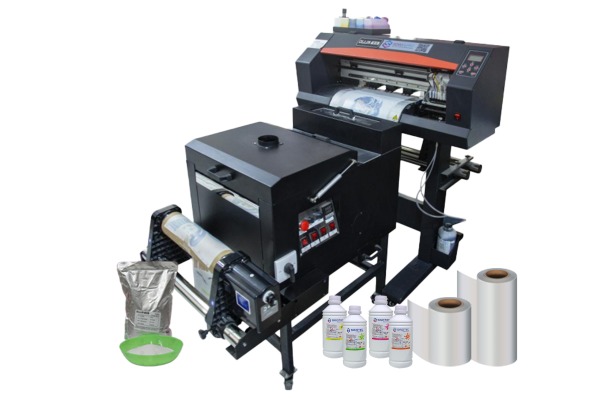
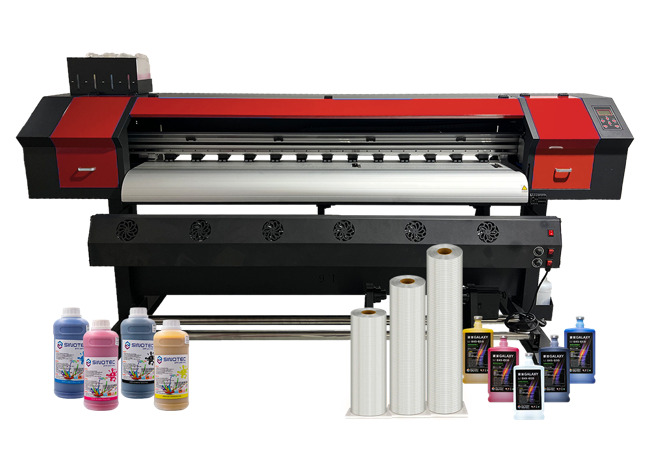
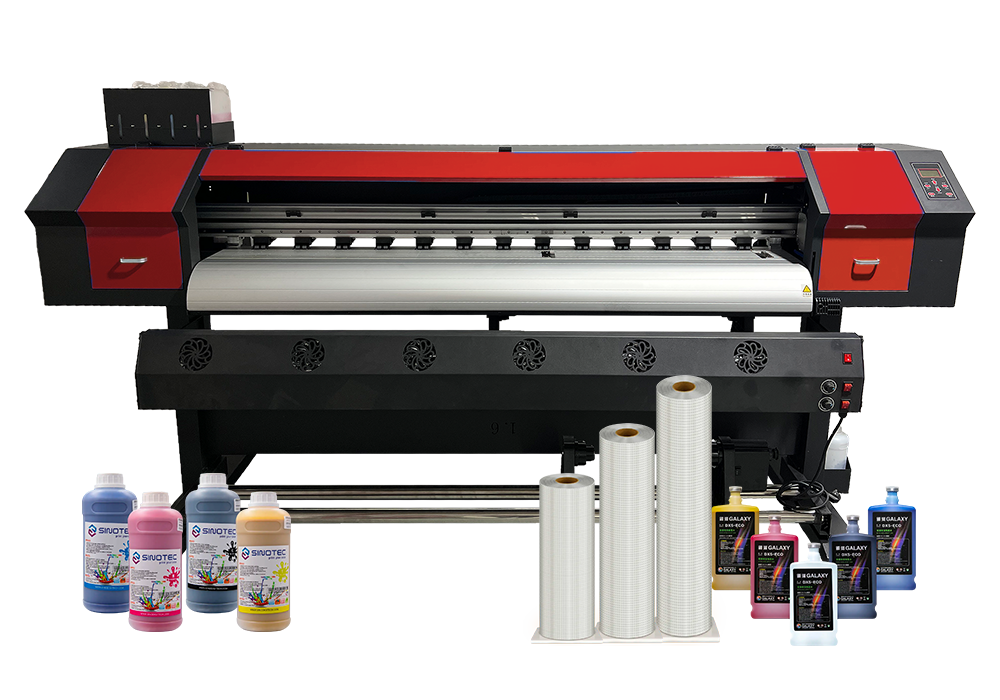
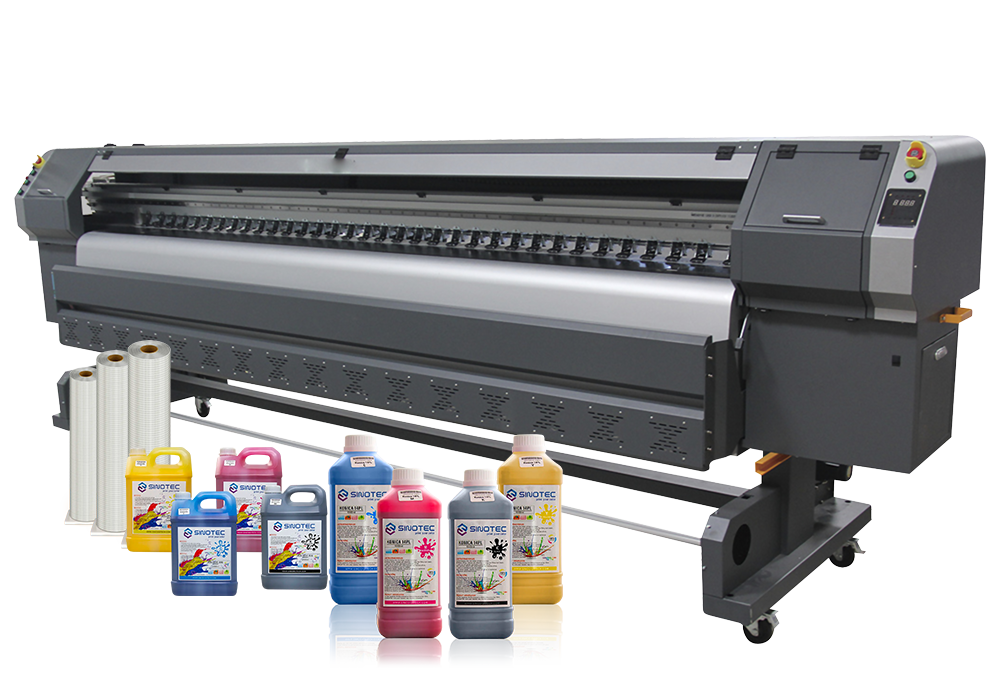
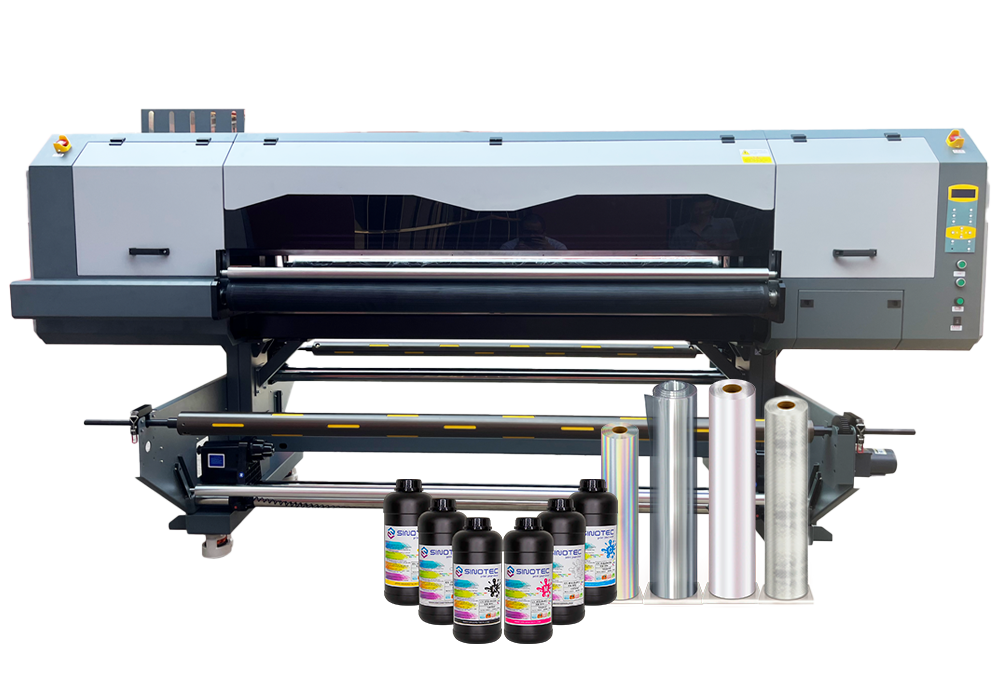
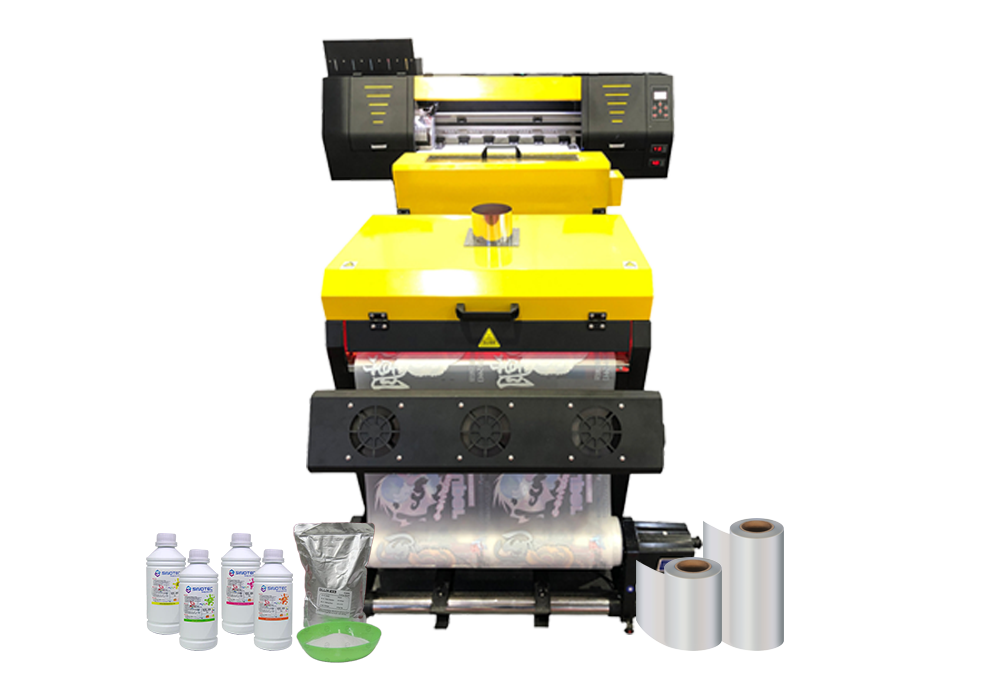
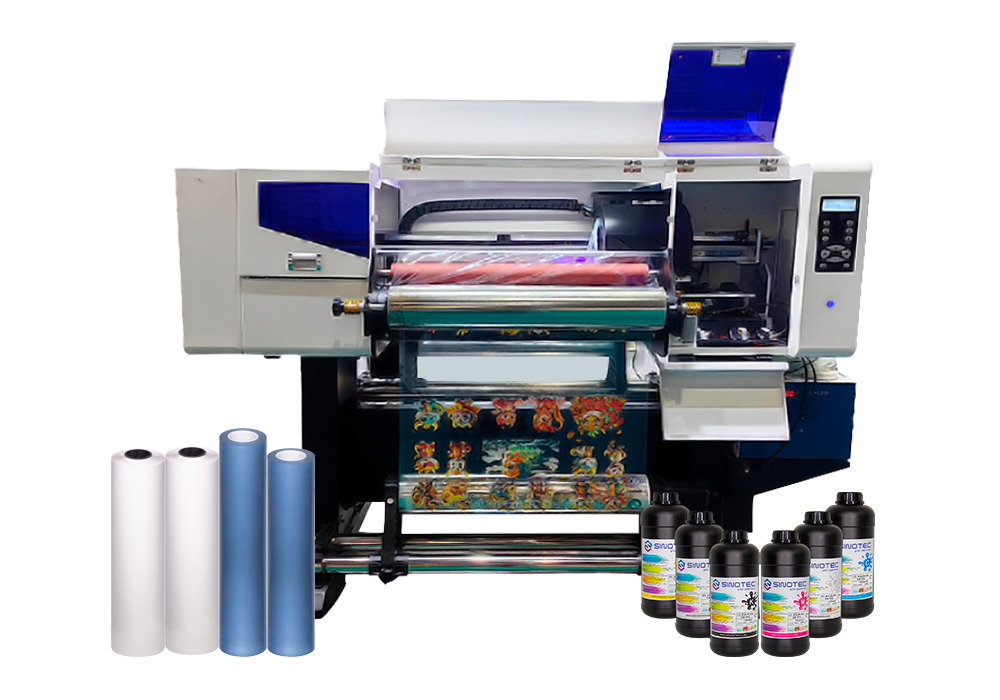
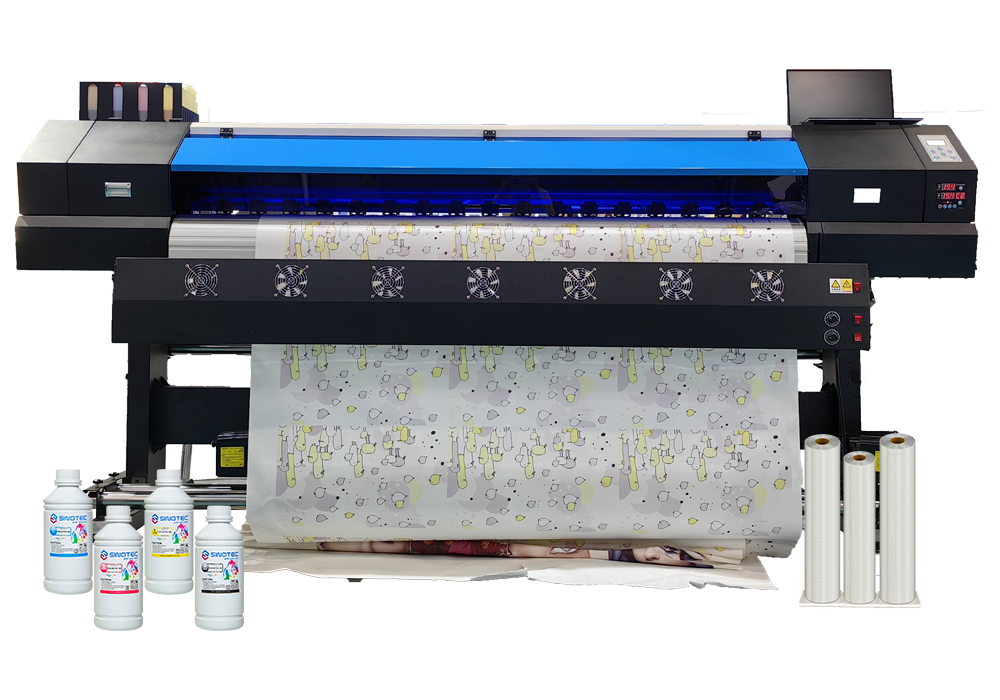
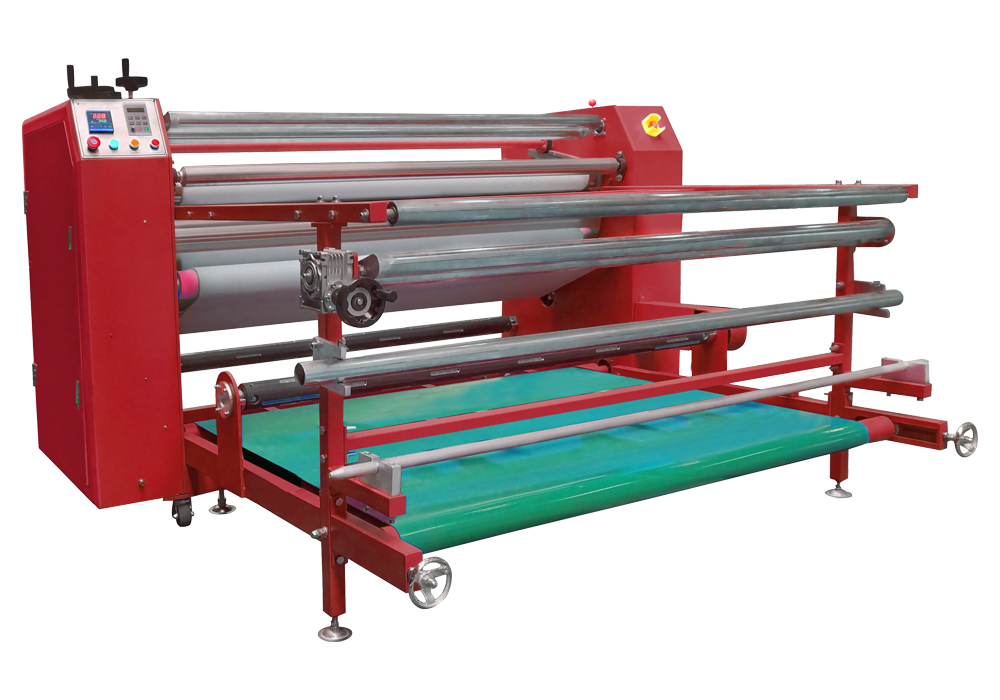
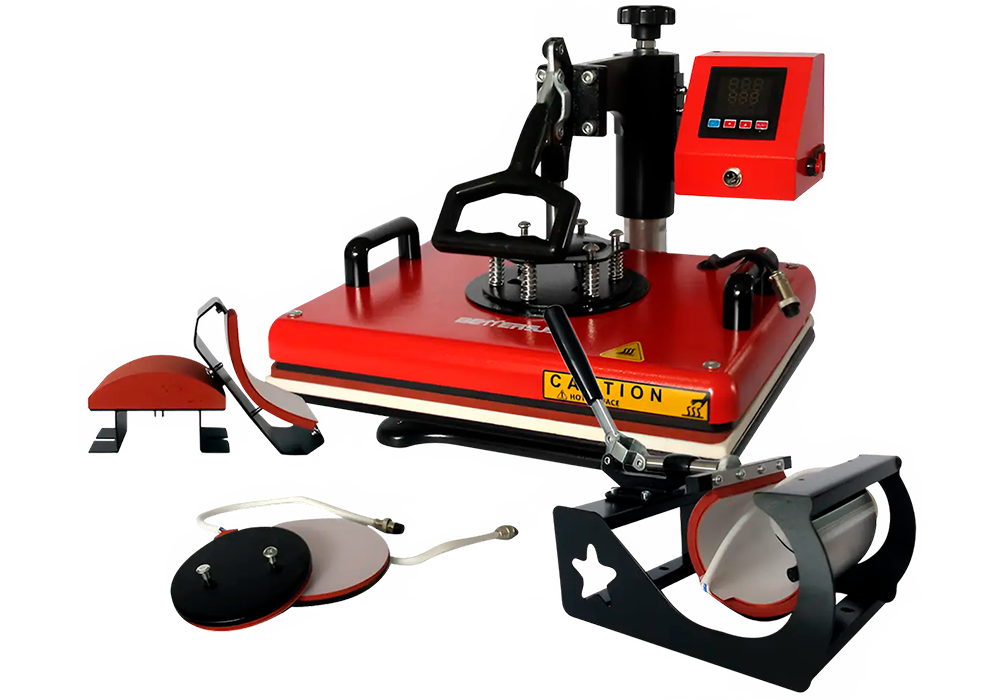
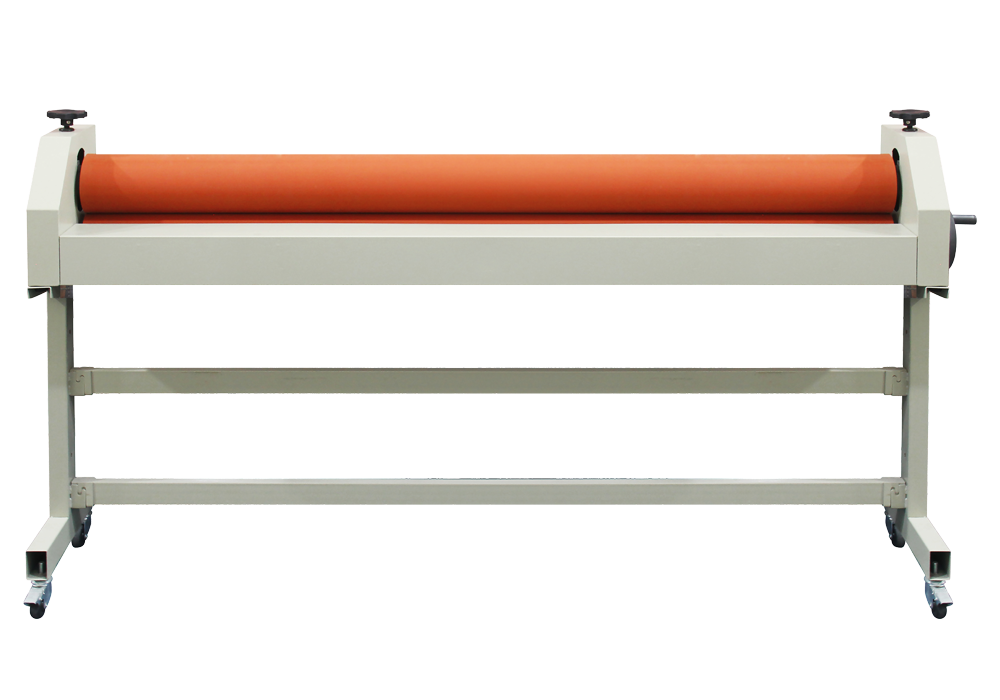
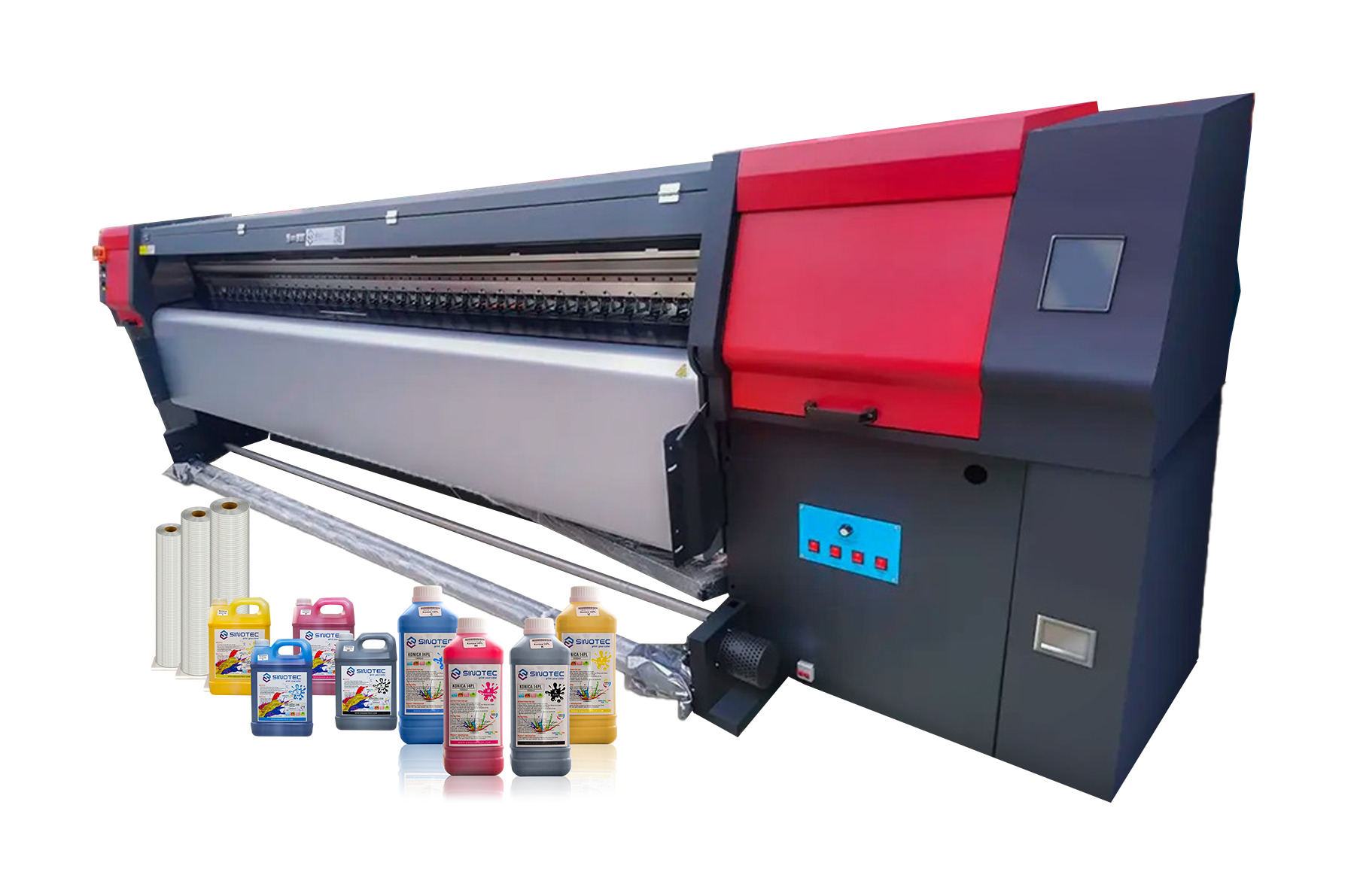
What a Dye Sublimation Printer Line Actually Involves (And Why Matching Components Matters) Sourcing a dye sublimation printer for commercial use is rarely a single-product decision. What buyers are actually procuring is a production line — a coordinated set of components that only perform reliably when they’re matched to each other and to the specific application at hand. Treat any one element as an afterthought, and the whole workflow pays for it in downtime, reprints, and margin erosion. The core equipment typically includes the sublimation printing machine itself, heat press or calendar equipment, sublimation transfer paper, and ink systems — each with its own specification requirements. A sublimation printing machine rated for high-volume output, for instance, demands an ink delivery system engineered to match that throughput. Mismatches here don’t just slow production; they create inconsistent color profiles that are nearly impossible to troubleshoot without systematically isolating each variable. Format is another dimension that procurement teams often underestimate at the sourcing